Integrating Intelligent Lighting with DCIM: Advanced Strategies for Smarter Data Center Infrastructure
Key Takeaways
| Feature or Topic | Summary |
|---|---|
| Integration Benefits | Energy savings, streamlined operations, enhanced monitoring, and predictive maintenance. |
| Key Protocols | BACnet, Modbus, SNMP ensure interoperability. |
| Implementation Strategies | Assess existing infrastructure, select compatible systems, phased deployment recommended. |
| Operational Advantages | Reduced downtime, improved safety, occupant comfort, and significant sustainability contributions. |
Understanding Intelligent Lighting Controls
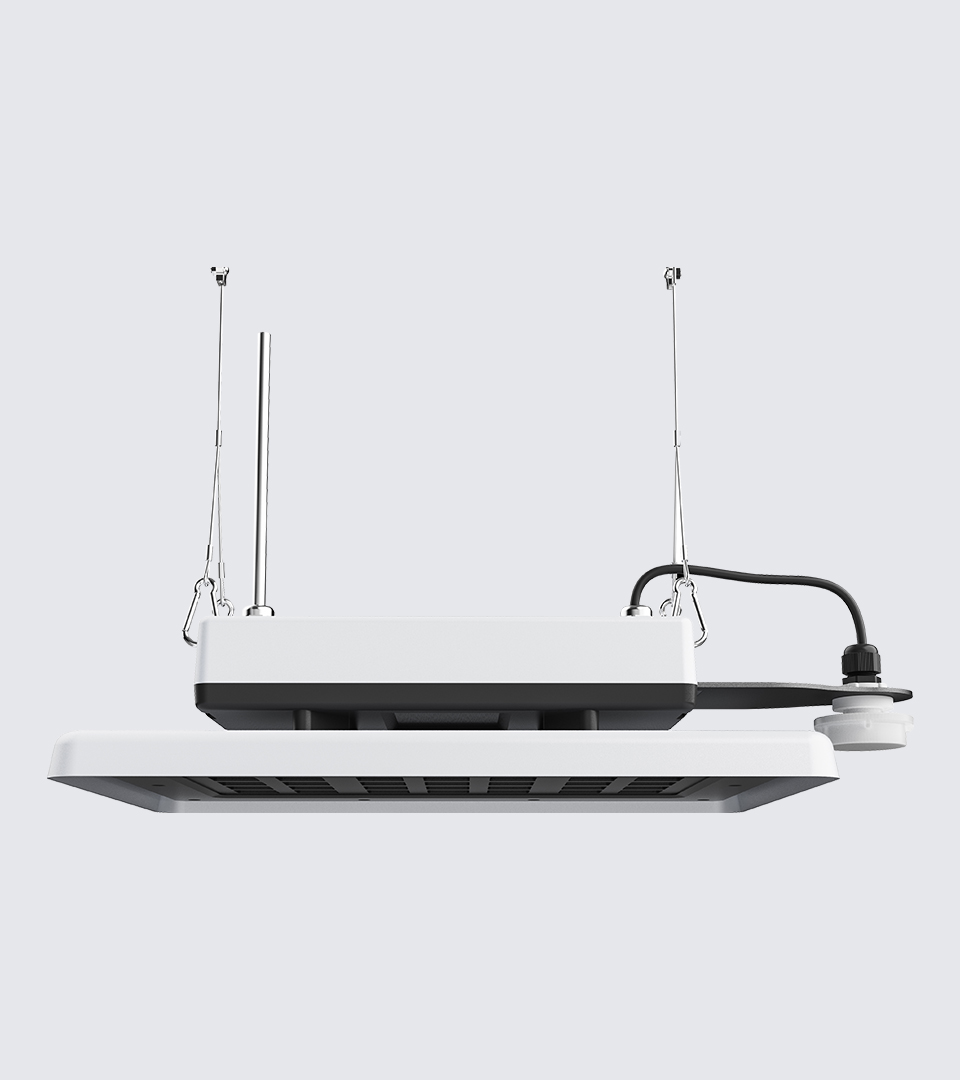
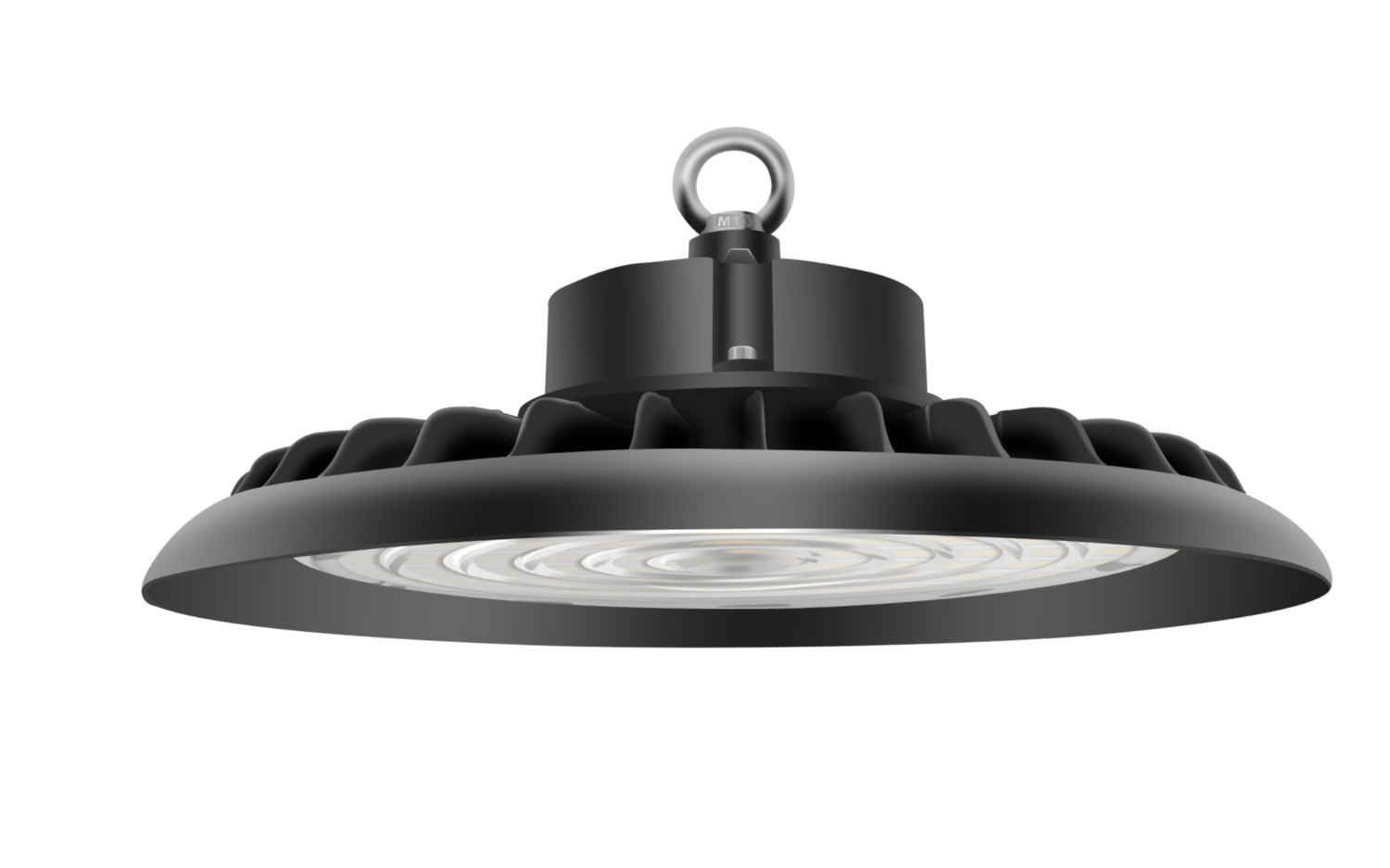
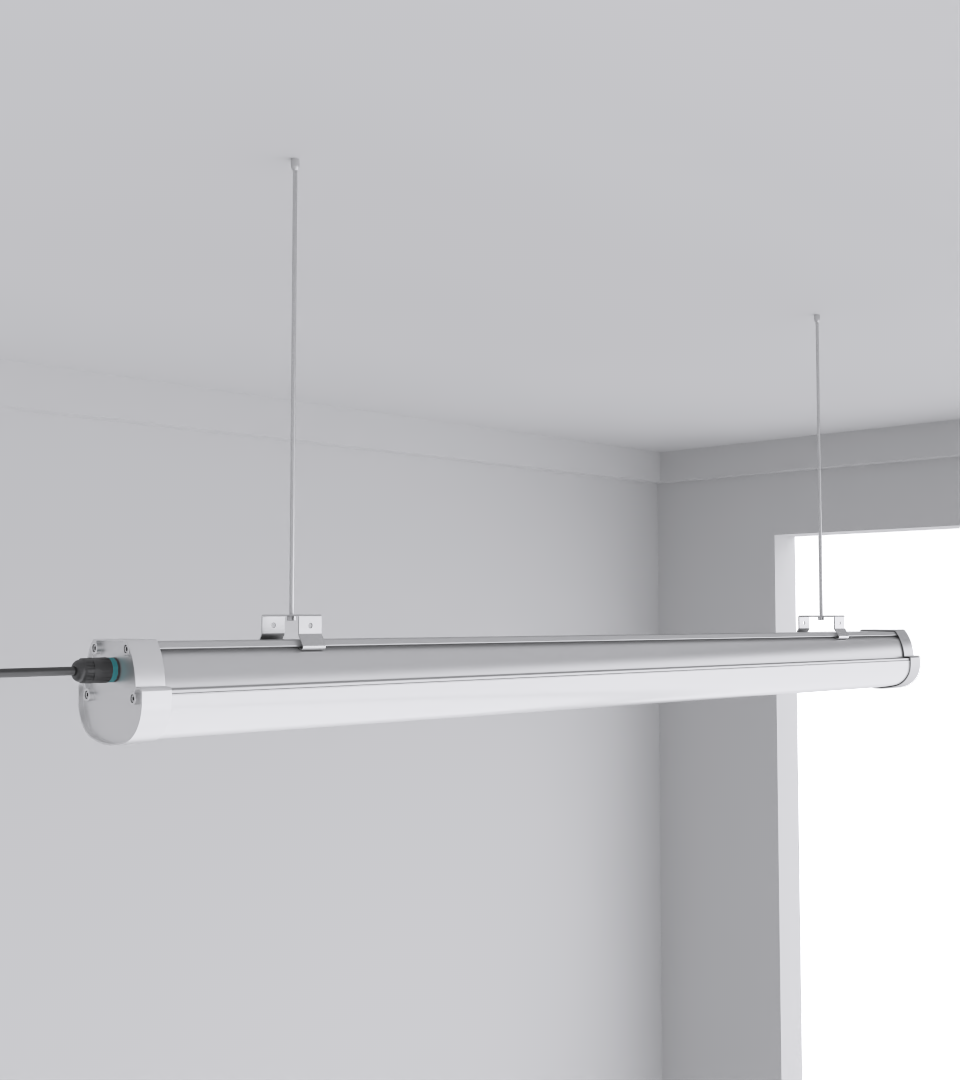
Intelligent lighting controls are transforming how data centers manage illumination. These systems include occupancy sensors, daylight harvesting, remote dimming interfaces, and scheduling logic. Their integration with infrastructure allows better energy savings, reduces heat load, and improves operational visibility.
Overview of DCIM Software
Data Center Infrastructure Management (DCIM) software monitors physical infrastructure components including power, cooling, space, and lighting. It bridges the gap between IT and facility operations, offering centralized visibility into performance and capacity.
The Need for Integration
Integrating intelligent lighting systems into DCIM platforms allows unified monitoring and automation. This enhances energy reporting, failure alerts, and system diagnostics while reducing the management burden on data center staff.
Technical Aspects of Integration
Protocols like BACnet, Modbus, and SNMP enable communication between lighting controls and DCIM tools. Smart drivers and sensors transmit data on luminaire status, energy use, and occupancy, which DCIM dashboards visualize in real time.

Implementation Strategies
Start with infrastructure audits to assess compatibility. Choose open-standard lighting systems and plan phased deployment to avoid downtime. Use gateways or protocol converters if legacy systems lack native interoperability.

Energy Efficiency and Sustainability
Lighting typically represents 3–5% of total energy use in a data center. By integrating sensors, scheduling, and dimming into central controls, energy savings can reach up to 70%. Smart lighting also contributes to LEED and other sustainability goals.
Operational Benefits
Operators benefit from proactive maintenance alerts, better light quality, and safer work environments. Unified systems simplify compliance documentation and emergency preparedness planning through centralized logs and test cycles.
Challenges and Solutions
Integration challenges include vendor lock-in, protocol incompatibility, and legacy infrastructure. Solutions involve selecting systems with open APIs, using protocol bridges, and ensuring stakeholders align on system architecture early.
Future Trends
Expect AI-driven predictive controls, integration with digital twins, and increased use of wireless lighting control platforms. As data centers grow more autonomous, lighting systems will evolve to support hands-off operation and advanced analytics.
Frequently Asked Questions (FAQ)
Q: Can lighting systems really reduce operational risk?
Yes, through improved visibility, fault detection, and smart emergency lighting transitions.
Q: What ROI can I expect from integrating lighting with DCIM?
Most facilities see a return within 1–2 years through energy savings and labor efficiency.
Q: Are wireless lighting systems secure enough for data centers?
With proper encryption, firewall configuration, and network segmentation, wireless systems can be safely deployed in Tier III and Tier IV environments.