
Data Center Lighting Design Guide: Optimizing Efficiency, Uptime, and Compliance
Key Takeaways
| Feature or Topic | Summary |
|---|---|
| Integration Benefits | Energy savings, streamlined operations, enhanced monitoring, and predictive maintenance. |
| Key Protocols | BACnet, Modbus, SNMP ensure interoperability. |
| Implementation Strategies | Assess existing infrastructure, select compatible systems, phased deployment recommended. |
| Operational Advantages | Reduced downtime, improved safety, occupant comfort, and significant sustainability contributions. |
Why Lighting Matters in Data Center Solutions
In today’s digital economy, data center lighting plays a vital role in ensuring operational uptime, safety, and scalability. For hyperscale and colocation providers, poor lighting design can lead to maintenance delays, misread indicators, and safety hazards—especially in 24/7 environments.
Modern data center solutions aim to enhance critical infrastructure reliability, reduce human error, and support facility managers with better visibility, energy management, and automation capabilities.
Key Elements of Data Center Lighting Design
Thoughtful data center design incorporates:
- Uniform light distribution across cold and hot aisles
- Minimal glare or shadow zones over racks and cabinets
- Motion sensing and occupancy controls for improved resource management
- Integrated emergency and egress lighting
- Compatibility with raised floors and overhead cable trays
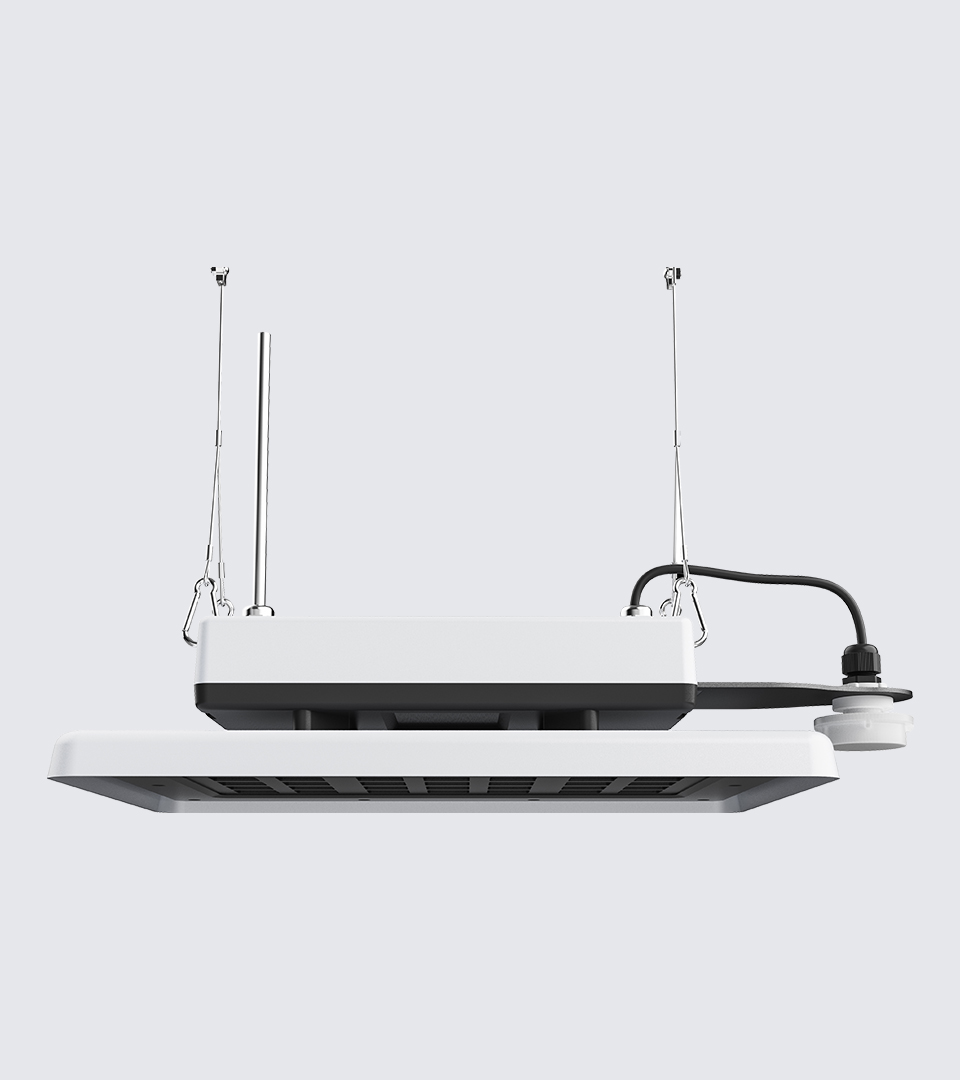
Enhancing Efficiency and Automation
Over 60% of modern outages are tied to overlooked infrastructure. Lighting automation and controls are essential tools for minimizing disruptions and enabling improved efficiency.
Smart luminaires integrated with automation solutions—such as motion sensors and digital maintenance alerts—support predictive maintenance and contribute to uptime resilience. This directly benefits data center operators and site handlers who manage routine inspections and crisis response.
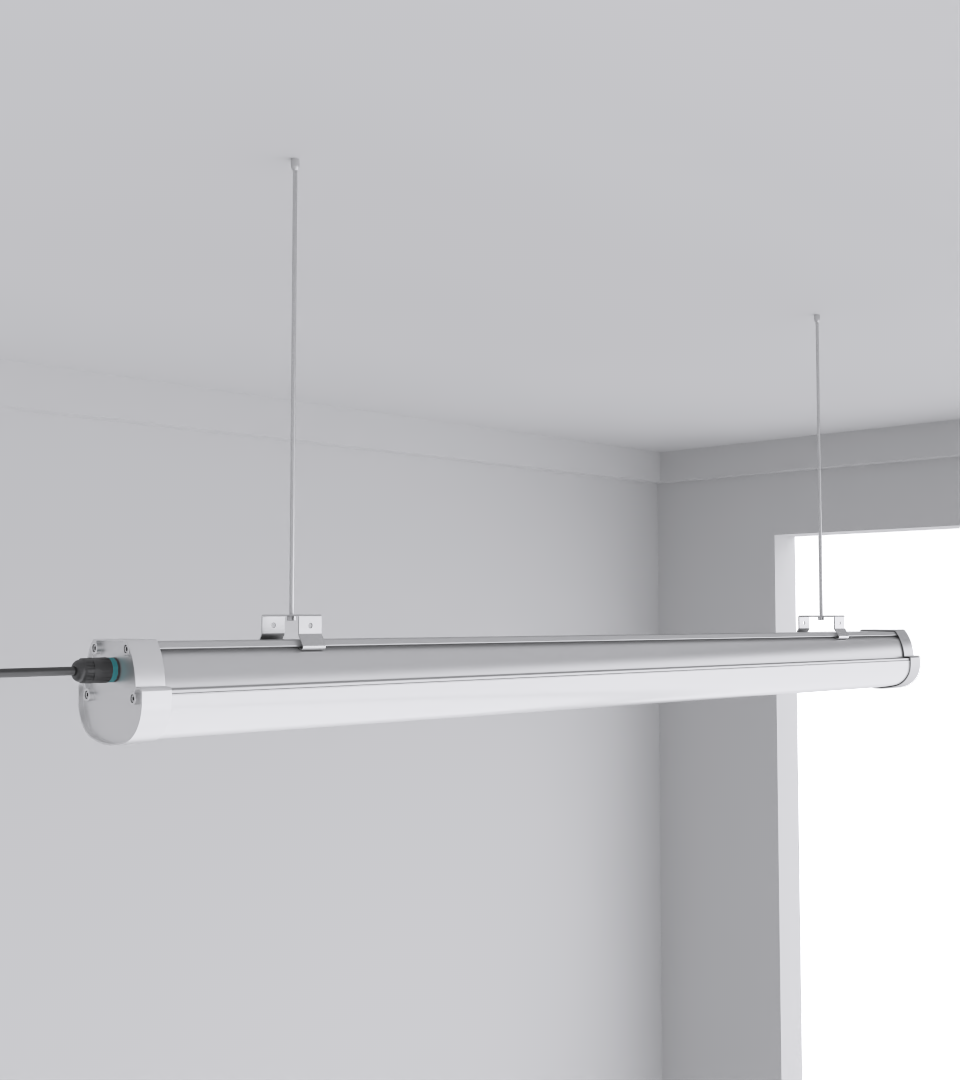
Carbon Reduction and Sustainable Lighting
As facilities pursue carbon reduction strategies, LED upgrades offer immediate impact. Efficient lighting can reduce total energy consumption by 15–20%, aligning with energy transition goals.
Modern luminaires support:
- Emission reduction via lower wattage and smart controls
- Compliance with MEPS and ISO/IEC standards
- Energy efficiency credits and reporting through power logging

Product Highlights for Critical Infrastructure
Key products suited for critical infrastructure within data centers include:
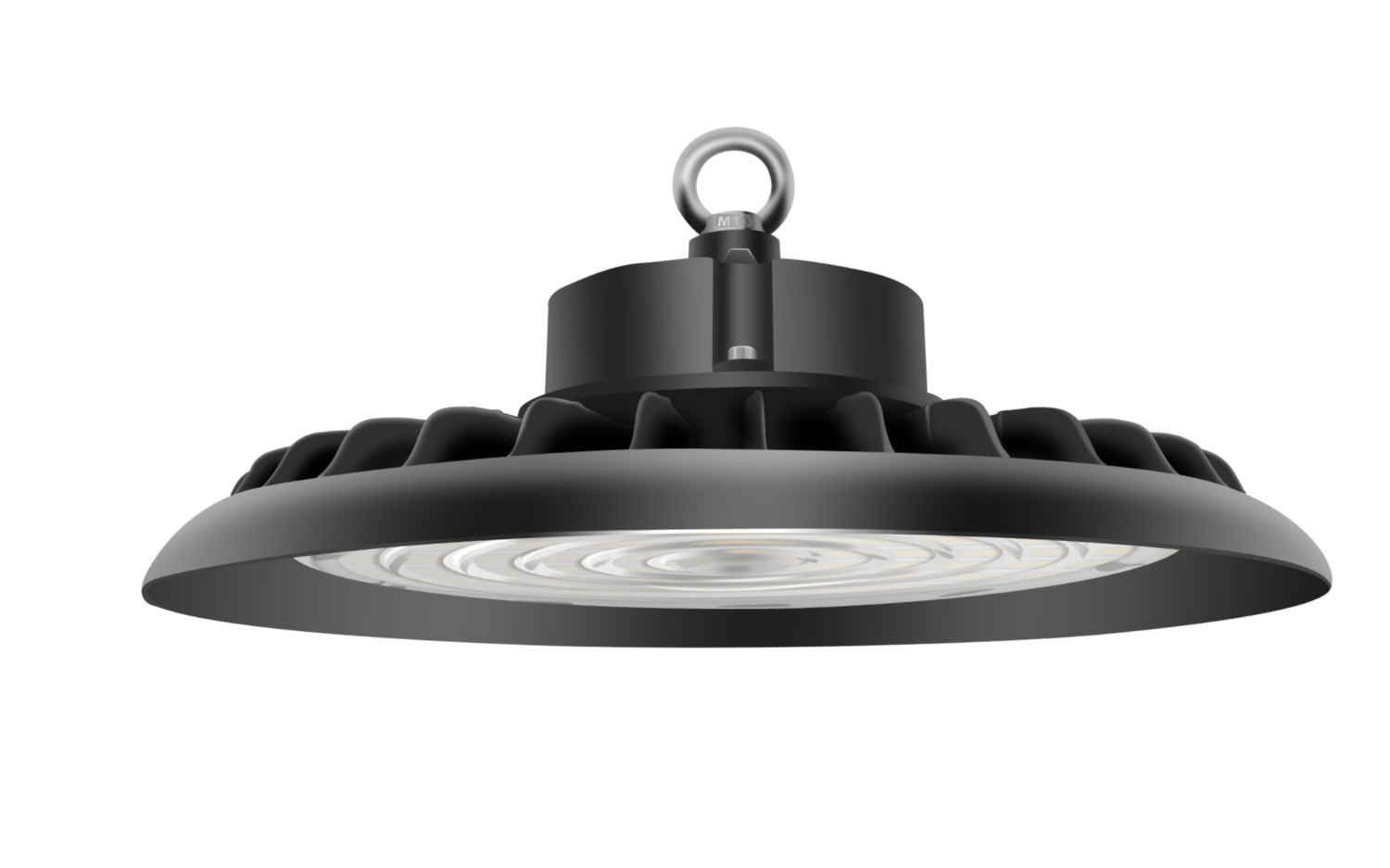
Supporting the Data Center Lifecycle
Lighting must be adaptable across the entire data center lifecycle—from design and build to operation and retrofit.
Key considerations include:
- Coordination with HVAC, cabling, and fire suppression systems
- Integration with BMS/BAS platforms
- Minimal downtime during retrofits or expansions
- Support for global fleet standardization for multinational clients
Conclusion
Data center lighting is more than illumination—it’s a strategic layer of operational resilience, sustainability, and future readiness. From early architectural planning to long-term lifecycle management, optimized lighting reduces downtime, supports automation, and enables a safer, greener, and more productive infrastructure.
Frequently Asked Questions
Q1: How does intelligent lighting improve data center reliability?
A: Smart lighting systems enhance visibility, automate energy savings, reduce carbon emissions, and assist in fault diagnosis—minimizing risk to uptime.
Q2: What are the best fixture types for high-density rack zones?
A: Use directional, high-lumen fixtures like the Squarebeam Elite to avoid shadows and ensure clear visibility over equipment.
Q3: Is emergency lighting integration important?
A: Yes. All mission-critical lighting systems should include battery backup or dual-circuit options to comply with safety codes and ensure visibility during outages.