
Smarter Data Center Lighting with DCIM Integration
- 1. The Overlooked Engine: Why Data Center Lighting Matters
- 2. Lighting as a Component of DCIM Architecture
- 3. How Intelligent Lighting Reduces Energy Consumption
- 4. Lighting’s Role in Capacity and Configuration Management
- 5. Monitoring Environmental Parameters via Lighting
- 6. How Lighting Supports Data Center Operations in Emergencies
- 7. Management Tools That Include Light Fixtures
- Frequently Asked Questions (FAQ)
Key Takeaways
| Feature or Topic | Summary |
|---|---|
| Integration Benefits | Energy savings, streamlined operations, enhanced monitoring, and predictive maintenance. |
| Key Protocols | BACnet, Modbus, SNMP ensure interoperability. |
| Implementation Strategies | Assess existing infrastructure, select compatible systems, phased deployment recommended. |
| Operational Advantages | Reduced downtime, improved safety, occupant comfort, and significant sustainability contributions. |
1. The Overlooked Engine: Why Data Center Lighting Matters
In the age of data center infrastructure evolution, lighting is no longer just about visibility—it’s a foundational layer supporting infrastructure management, DCIM software, and energy consumption strategies.
Poorly optimized lighting can lead to:
- Unnecessary heat and power usage
- Visibility challenges in emergency or maintenance tasks
- Increased operational costs due to outdated fixtures
By contrast, intelligent LED solutions improve visibility, support sensor-based automation, and plug into real-time management platforms for holistic control.
2. Lighting as a Component of DCIM Architecture
Data Center Infrastructure Management (DCIM) software aggregates diverse hardware and facility data into a unified dashboard—often called the “single pane of glass.”
Lighting fixtures that offer:
- Smart sensor integration
- Power monitoring
- Remote control access
…can feed directly into DCIM platforms for tracking energy consumption, capacity management, and environmental parameters.
3. How Intelligent Lighting Reduces Energy Consumption
Lighting can account for 3–5% of a data center’s total energy consumption. While this may seem minor, inefficient lighting can escalate cooling loads and operational inefficiencies.
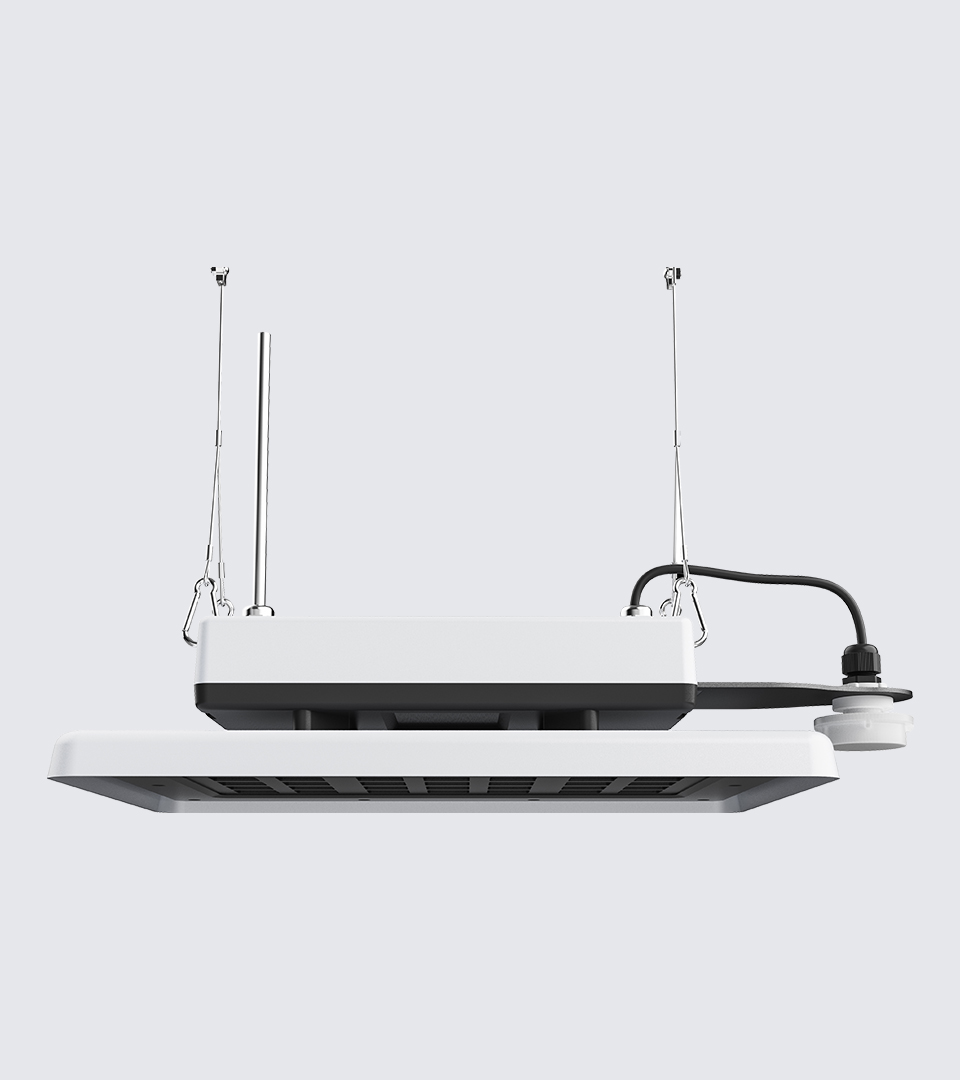
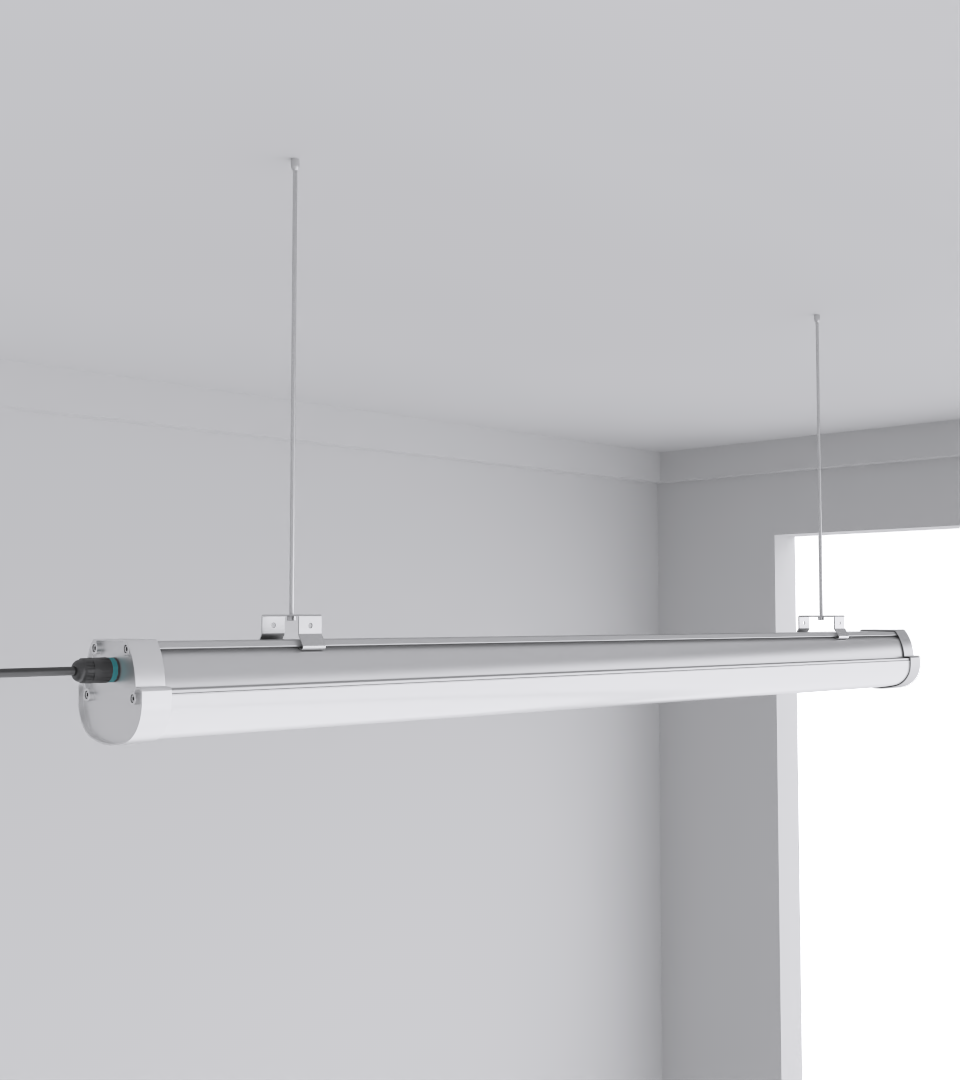
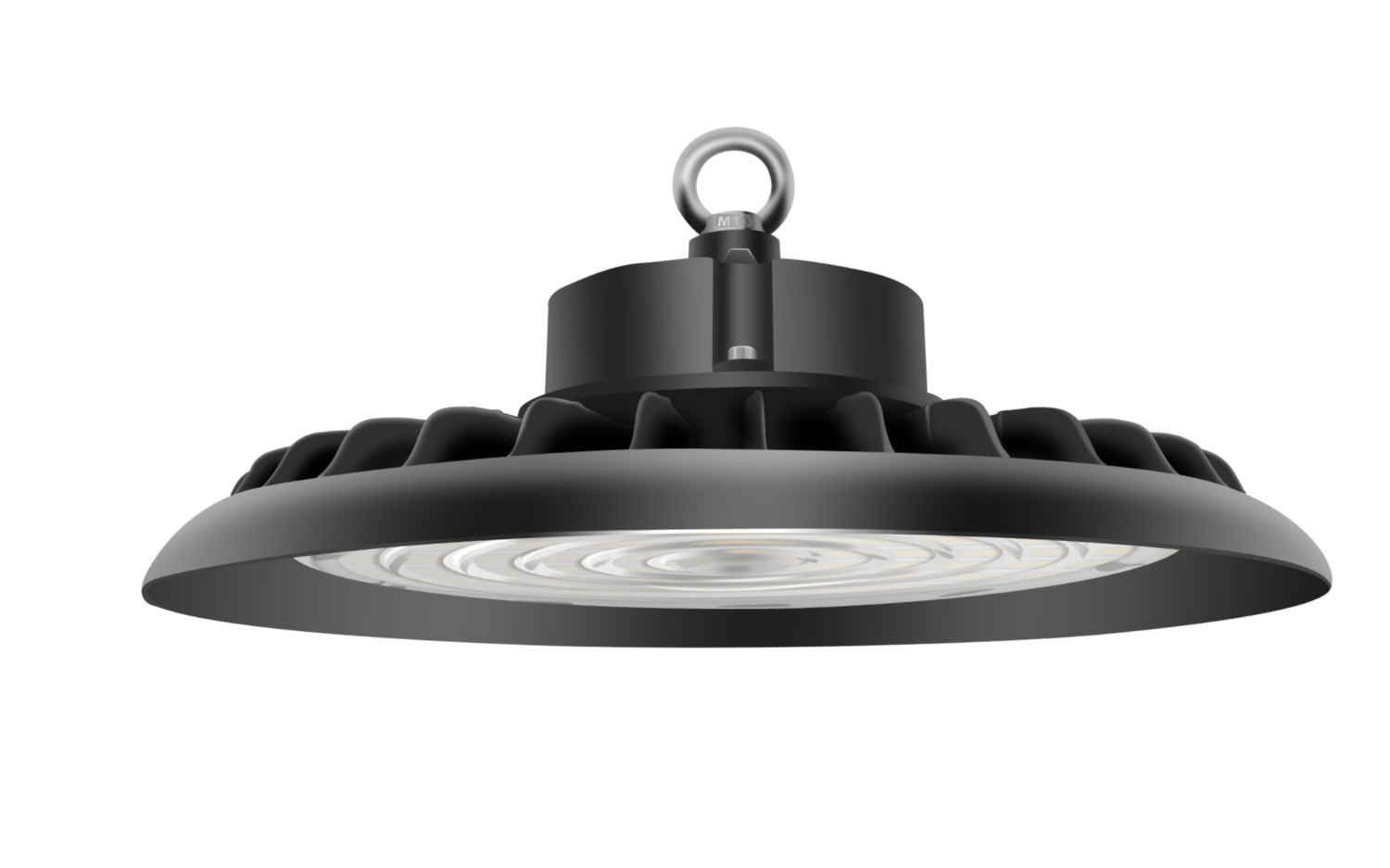
Modern systems, like the following, mitigate that:
4. Lighting’s Role in Capacity and Configuration Management
With lighting treated as a dynamic infrastructure asset, it can enhance:
- Capacity management through motion sensors that adjust per rack activity
- Configuration management by zoning lights per hot/cold aisle configuration
- Comprehensive oversight of lighting uptime and failures through dashboards

5. Monitoring Environmental Parameters via Lighting
Fixtures with embedded sensors (e.g., temperature, motion, occupancy) now support:
- Environmental monitoring
- Lighting-based alerts for HVAC anomalies
- Dynamic light adjustments based on ambient heat

6. How Lighting Supports Data Center Operations in Emergencies
In critical events—like generator failover or fire—your data center operations rely on:
- Clearly illuminated exit paths
- Zonal visibility for manual resets
- Backup lighting powered by dual circuits or batteries
7. Management Tools That Include Light Fixtures
Traditional management tools monitored servers and power alone. Today, lighting systems are:
- Addressable over Modbus/BACnet
- Represented in topology maps
- Monitored for usage, faults, and energy over time
Frequently Asked Questions (FAQ)
Q: Is lighting part of modern infrastructure management?
A: Absolutely. Smart lighting supports data center infrastructure planning, from uptime to environmental impact.
Q: How does lighting integrate with DCIM software?
A: Through sensors and digital controllers, fixtures deliver real-time data and plug directly into management systems and energy dashboards.
Q: What is the best lighting for data centers?
A: Products like the Squarebeam Elite, Quattro Triproof Batten, and Budget High Bay Light are designed for longevity, control, and environmental compliance.