Smarter Data Center Lighting with DCIM Integration
Key Takeaways
| Feature or Topic | Summary |
|---|---|
| Integration Benefits | Energy savings, streamlined operations, enhanced monitoring, and predictive maintenance. |
| Key Protocols | BACnet, Modbus, SNMP ensure interoperability. |
| Implementation Strategies | Assess existing infrastructure, select compatible systems, phased deployment recommended. |
| Operational Advantages | Reduced downtime, improved safety, occupant comfort, and significant sustainability contributions. |
Understanding Intelligent Lighting Controls
Intelligent lighting controls refer to systems that automatically adjust lighting based on occupancy, schedules, or environmental conditions. These systems utilize sensors and centralized management software to reduce energy waste, improve occupant comfort, and support maintenance teams with actionable data.

Overview of DCIM Software
Data Center Infrastructure Management (DCIM) software enables centralized monitoring and control of IT and facility systems. It provides visibility into power usage, asset tracking, thermal conditions, and rack density—enabling informed decisions that improve uptime and operational efficiency.
The Need for Integration
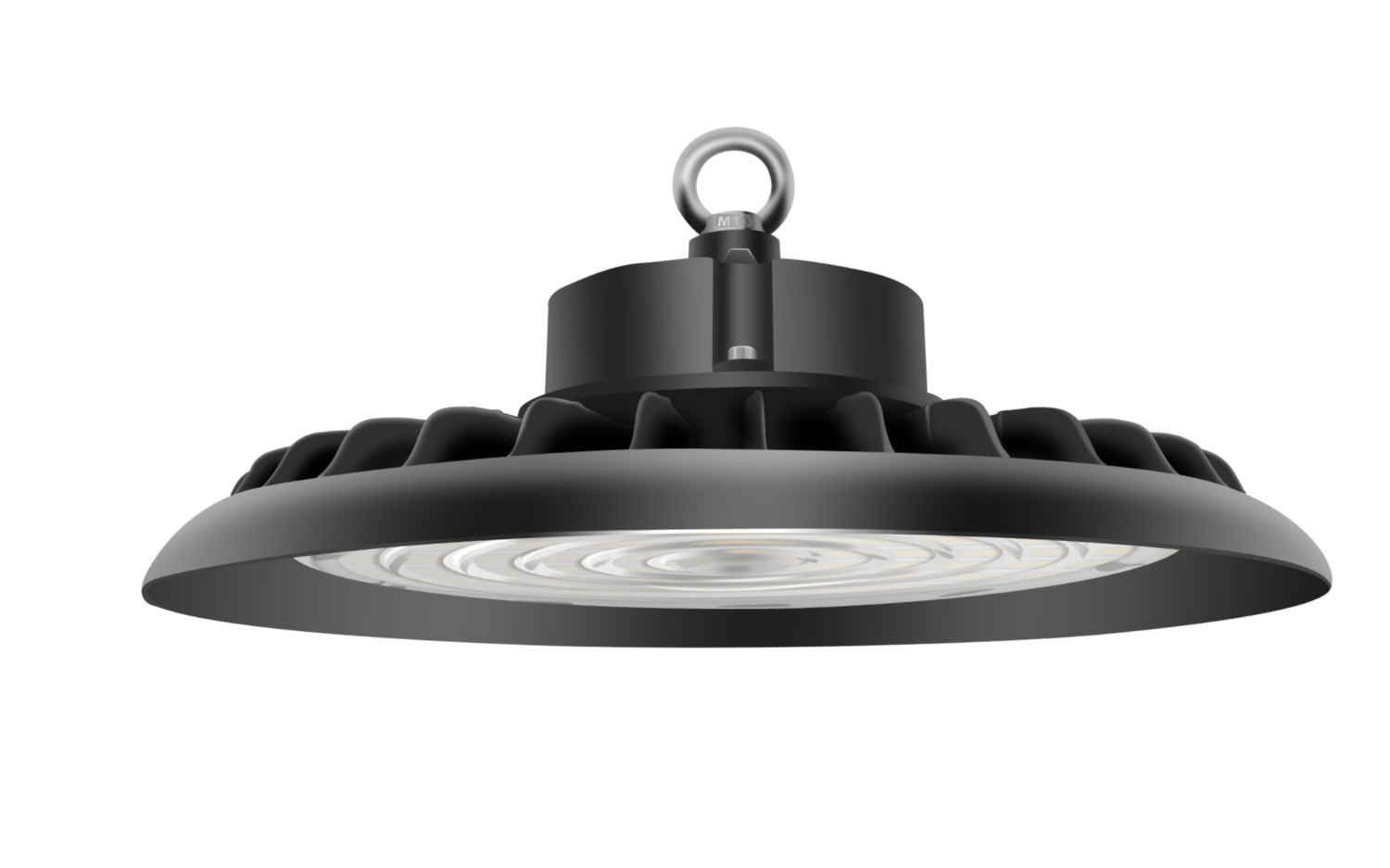
Integrating intelligent lighting with DCIM platforms creates a unified infrastructure management approach. This synergy enables lighting systems to respond dynamically to changes in data center activity, leading to improved workflow automation, energy efficiency, and safety.
Technical Aspects of Integration
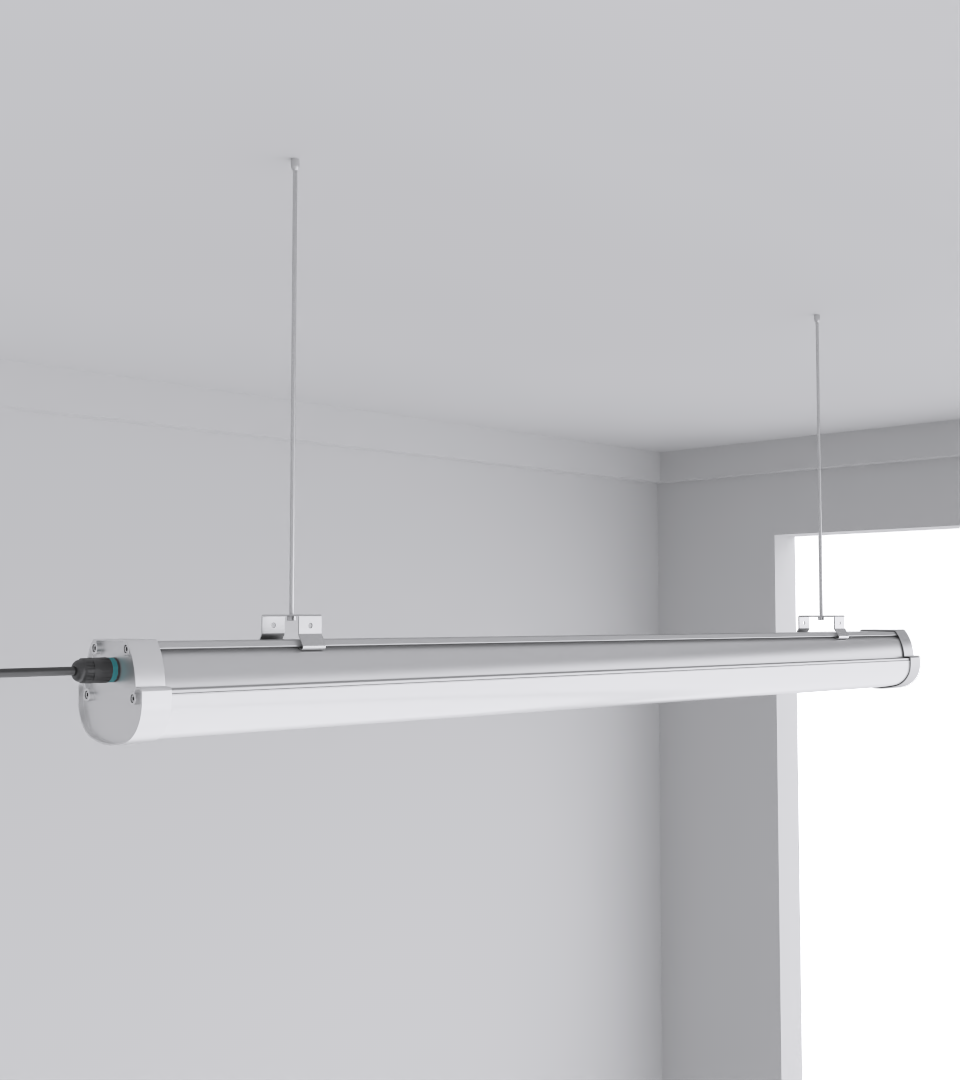
Successful integration relies on standard communication protocols like BACnet, Modbus, or SNMP. These protocols allow lighting controllers to communicate with DCIM platforms, enabling real-time data exchange, status reporting, and centralized control.
Implementation Strategies
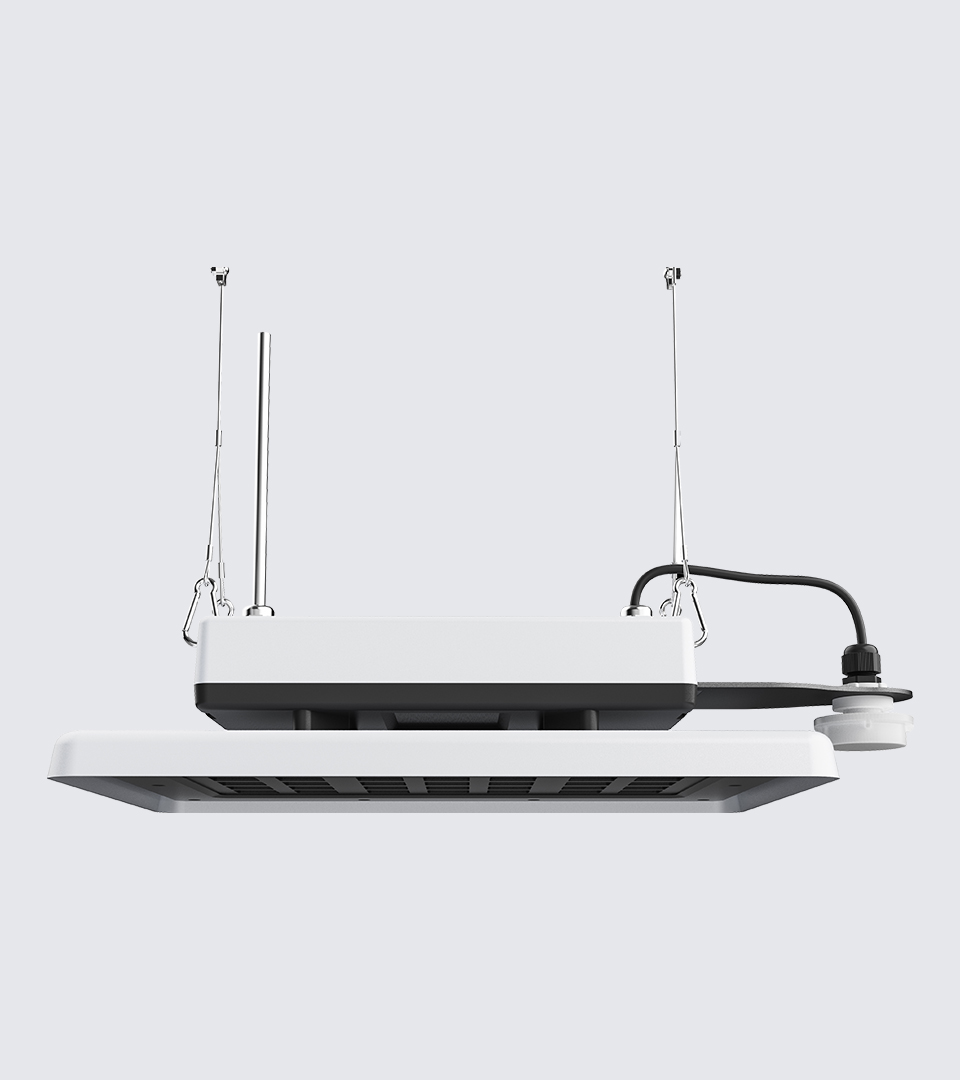
Effective deployment starts with an audit of existing infrastructure. Phased implementation minimizes disruption. Compatibility with existing hardware and software should be evaluated, and staff should be trained on both lighting controls and DCIM software interfaces.
Energy Efficiency and Sustainability
Smart lighting contributes to sustainability goals by reducing power consumption through adaptive dimming, daylight harvesting, and occupancy-based lighting. When managed via DCIM, it enables granular reporting on energy savings and carbon footprint reductions.

Operational Benefits
Integrating lighting with DCIM software leads to fewer manual interventions, faster issue resolution, and safer working conditions. Maintenance teams can identify and resolve lighting issues quickly, while real-time visibility ensures optimal lighting levels for ongoing operations.
Challenges and Solutions
Integration challenges include compatibility issues, lack of standardization, and staff training. These can be addressed through vendor collaboration, pilot testing, and ongoing staff development to ensure seamless system interoperability and performance.
Future Trends
Future trends include AI-powered lighting analytics, integration with other building management systems, and deeper insights into environmental performance. As data center demands evolve, intelligent lighting will become more predictive, self-adjusting, and essential to smart infrastructure ecosystems.
Frequently Asked Questions (FAQ)
Q: Can I integrate any lighting system with DCIM?
A: Only systems that support open protocols like BACnet or SNMP are suitable for seamless integration.
Q: What’s the ROI of lighting integration with DCIM?
A: Reduced energy bills, lower maintenance costs, and improved uptime provide measurable ROI within 1–3 years.
Q: How does it improve compliance?
A: Intelligent lighting supports audit trails, safety standards, and sustainability metrics required for regulatory compliance.