Optimizing Data Center Lighting for Maximum Infrastructure Efficiency
Key Takeaways
| Feature or Topic | Summary |
|---|---|
| Integration Benefits | Energy savings, streamlined operations, enhanced monitoring, and predictive maintenance. |
| Key Protocols | BACnet, Modbus, SNMP ensure interoperability. |
| Implementation Strategies | Assess existing infrastructure, select compatible systems, phased deployment recommended. |
| Operational Advantages | Reduced downtime, improved safety, occupant comfort, and significant sustainability contributions. |
Why Data Center Lighting Matters in DCIM
In modern data center infrastructure management, lighting is more than visibility—it’s a pillar of performance, safety, and cost control. While DCIM software focuses on IT and environmental monitoring, data center lighting directly supports:
- Asset management by illuminating critical areas like server racks and power distribution units
- Threat detection management with optimized brightness for camera accuracy
- Energy efficiency through smart dimming, motion sensing, and low-heat output
Lighting bridges the physical and digital environments—making it a strategic investment within broader data center solutions.
Integration of Lighting in Data Center Infrastructure Management
1. Supporting IT Facilities and Physical Resources
Lighting aids in the monitoring and maintenance of IT facilities, ensuring every physical resource is visible, accessible, and safely operable. Whether performing cable checks or replacing hardware in tight rack enclosures, engineers rely on quality illumination.
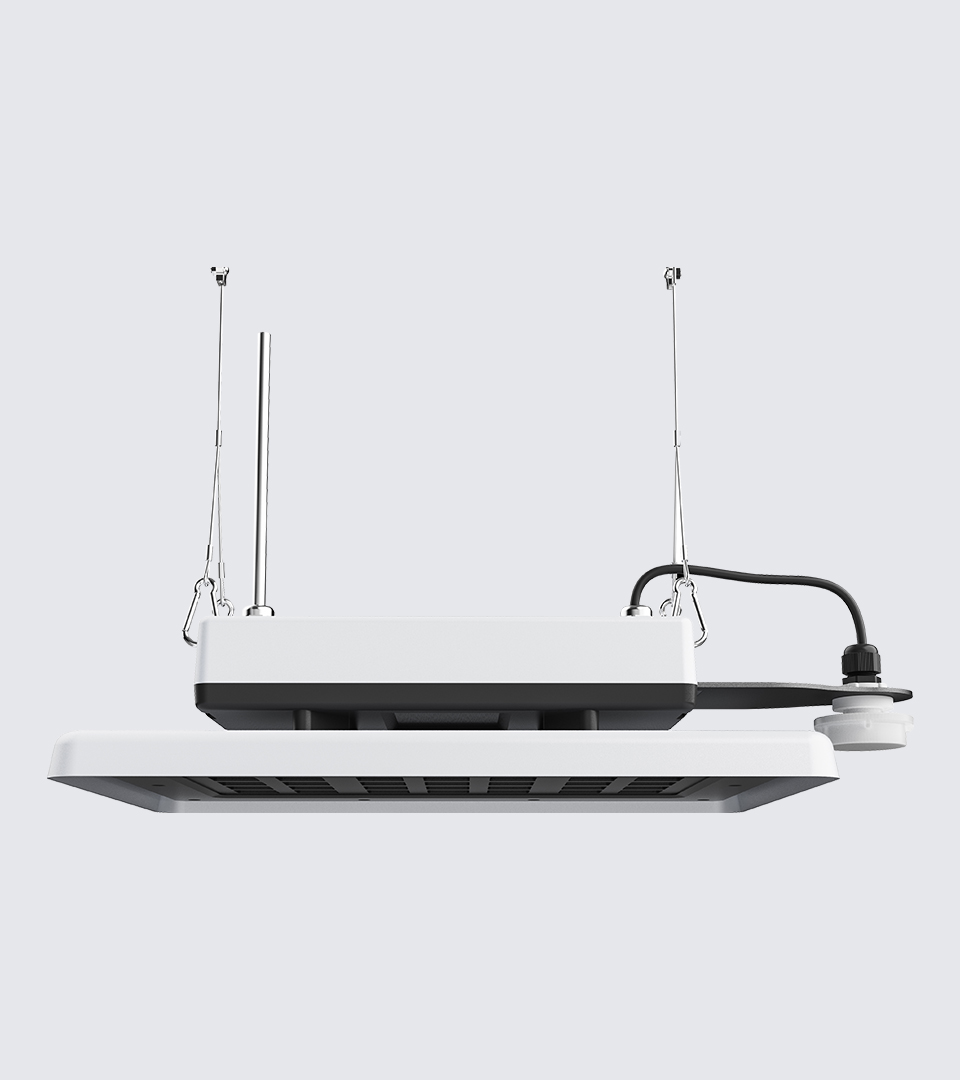
💡 For high-precision visibility in data halls and corridors, the Squarebeam Elite is engineered for uniform brightness with minimal glare.
2. Enhancing Energy Consumption Efficiency
Lighting systems are part of the baseline energy consumption in data centers. When improperly designed, they increase operational costs and thermal load. Through DCIM-integrated systems, lighting schedules and occupancy sensors enable energy management strategies that:
- Reduce electricity consumption during idle hours
- Integrate with predictive analytics to forecast lighting load
- Support power usage effectiveness (PUE) optimization
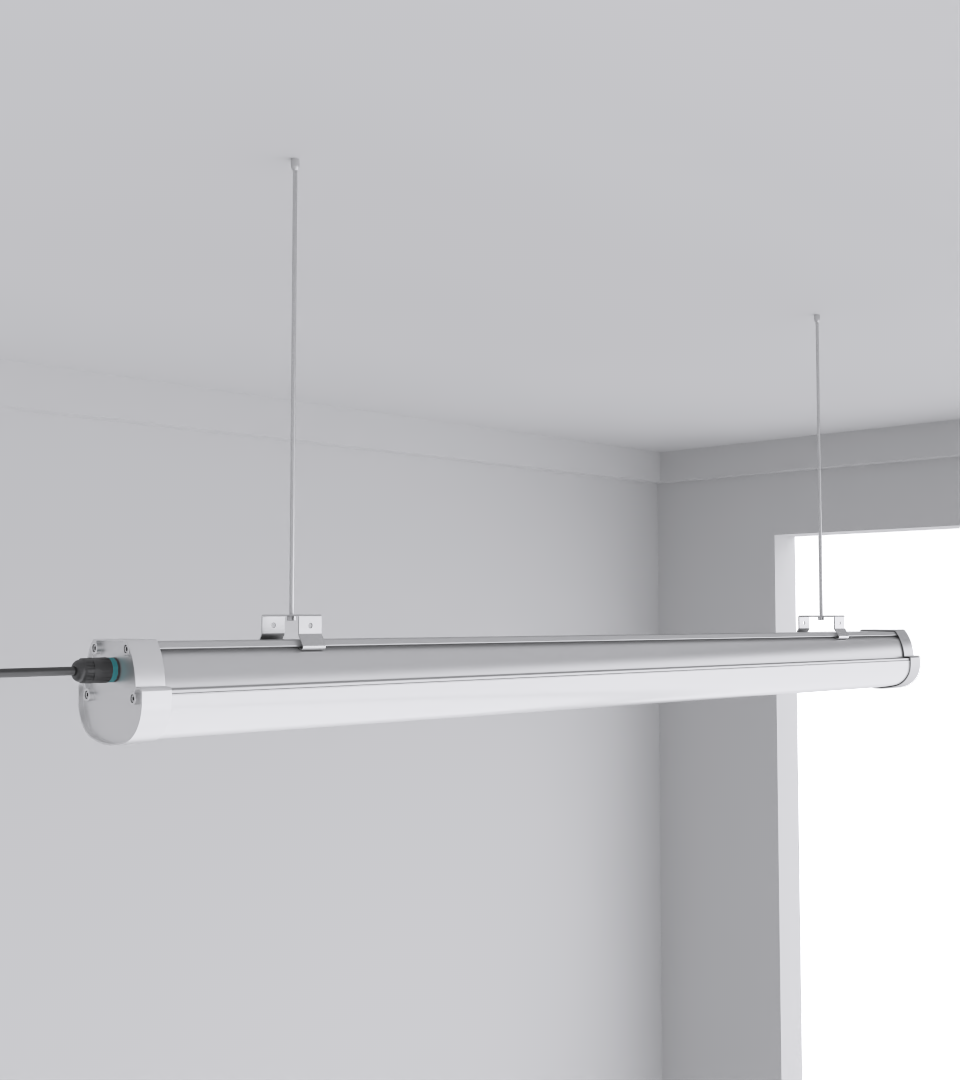
✅ Consider the Quattro Triproof Batten—a waterproof LED solution ideal for high-humidity or sub-floor installations.
3. Improving Visibility of Critical Assets
DCIM requires full control and tracking of critical assets—from compute resources to power distribution units. Poor lighting risks human error and delayed response in mission-critical zones.
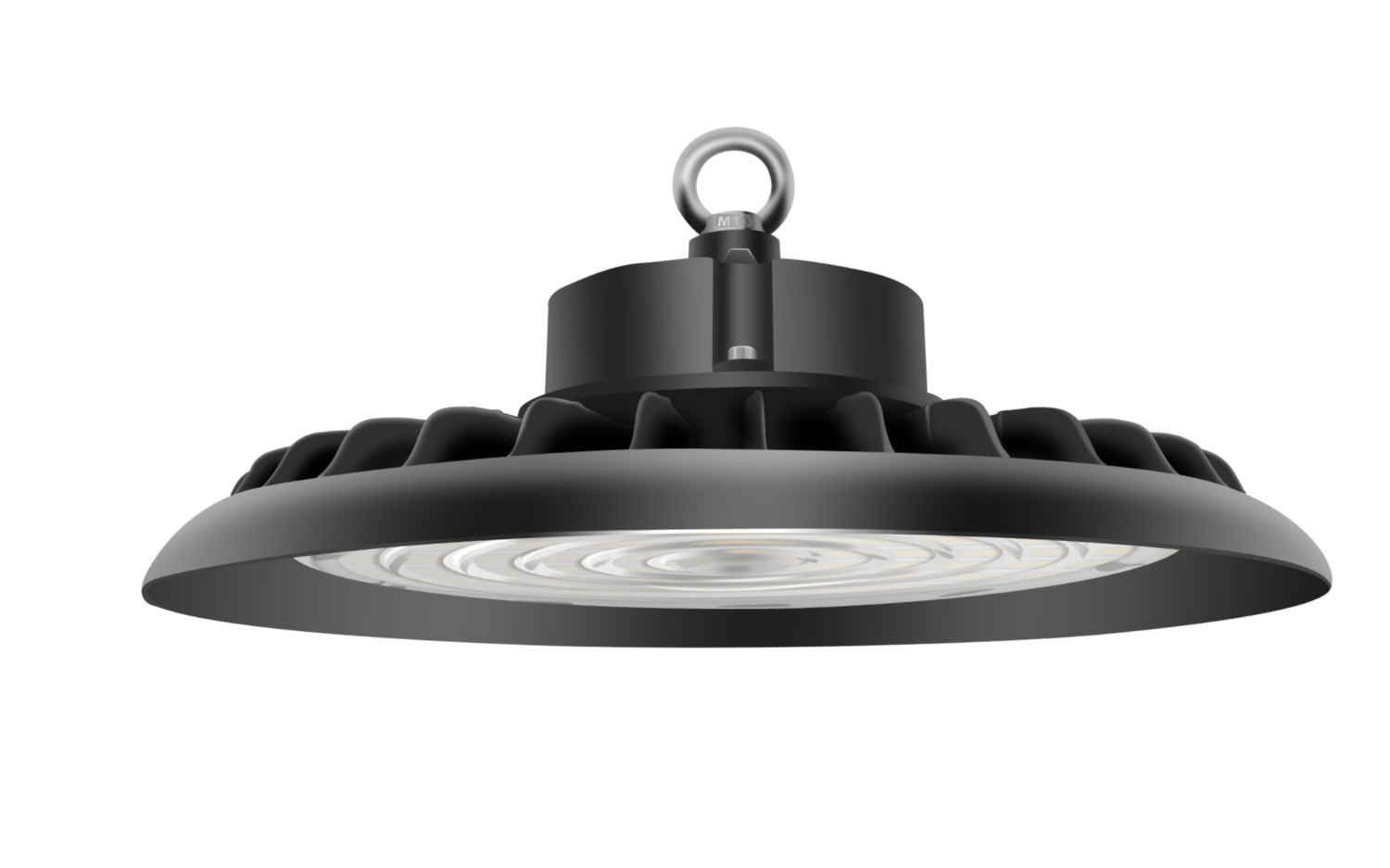
📦 The Budge High Bay Light offers cost-effective, high-lumen coverage in expansive mechanical rooms or tall ceiling zones.
4. Enabling Scalable and Automated Environments
Resource utilization—a core DCIM metric—relies on scalable lighting that evolves with rack density, aisle width, or hot/cold zone reconfigurations. Smart luminaires with linkable features ensure:
- Easy expansion without rewiring
- Uniform lighting across growing layouts
- Compatibility with asset management software
🌐 The SeamLine Batten enables seamless daisy-chaining across long aisles or continuous lighting scenarios.

Aligning Lighting with Compute Resources and Asset Management
High-performance compute resources such as storage arrays and processing clusters require environments free of glare, reflection, or overheating. Luminaires must:
- Avoid interference with airflow
- Ensure uniform lux levels over hardware
- Align with rack systems and cabling routes
📘 For legacy retrofits or compliance zones, consider integrating the Simplitz_Batten_V3 from Osram for reliable OEM-standard performance.

Lighting and Threat Detection Management
Incorporating lighting into threat detection management ensures:
- Security camera footage is clearly visible
- Intrusion detection systems operate without blind spots
- Technicians can safely inspect suspicious zones
Smart lighting tied to surveillance and DCIM dashboards can automatically increase brightness during alerts, aiding physical asset control and network threat protection.
Lighting as Part of Predictive Analytics and Automation
Predictive analytics in DCIM extends beyond IT load and temperature—it now includes lighting demand forecasting, identifying:
- Underused zones for light dimming
- High-traffic aisles for enhanced brightness
- Maintenance schedules for fixture replacements
Smart-controlled LED systems not only save energy but also serve as analytical forecasting inputs for long-term planning and inventory management.
Final Thoughts
Data center lighting is not a passive utility—it’s an intelligent layer of infrastructure that empowers IT resource management, energy efficiency, security, and automation.
By integrating products like the:
- Squarebeam Elite
- Quattro Triproof Batten
- Budge High Bay Light
- SeamLine Batten
- Simplitz_Batten_V3 from Osram
You align your lighting strategy with the foundational principles of modern data center infrastructure management.
FAQs
How does lighting impact data center operations?
Lighting enhances visibility, safety, and the accuracy of maintenance in critical areas like server racks and PDUs, while also contributing to thermal and energy performance.
Is lighting included in DCIM software tools?
While DCIM tools primarily manage IT and environmental metrics, many support integration with smart lighting controls to improve energy consumption and asset visibility.
What type of lighting is best for data centers?
LED luminaires with low heat output, uniform coverage, and integration-ready features—such as Squarebeam Elite and SeamLine Batten—are ideal for mission-critical environments.