
Optimizing Data Center Lighting for Off-Grid Solar Infrastructure: A Technical Guide
- Introduction: Lighting Challenges in the Off-Grid Era
- Energy-Efficient Fixtures for Solar-Powered Data Centers
- Weatherproof and Remote-Ready Lighting
- Intelligent Lighting Integration
- Supporting Regional Expansion
- Legacy Compatibility and Interoperability
- Lighting Contribution to Resilience
- Conclusion: Sustainable Lighting
- Frequently Asked Questions
Key Takeaways
| Feature or Topic | Summary |
|---|---|
| Integration Benefits | Energy savings, streamlined operations, enhanced monitoring, and predictive maintenance. |
| Key Protocols | BACnet, Modbus, SNMP ensure interoperability. |
| Implementation Strategies | Assess existing infrastructure, select compatible systems, phased deployment recommended. |
| Operational Advantages | Reduced downtime, improved safety, occupant comfort, and significant sustainability contributions. |
Introduction: Lighting Challenges in the Off-Grid Era
As edge data centres proliferate across regions like Australia, Malaysia, Thailand, and the United States, their off-grid, solar-powered nature creates a new demand for optimized data center lighting systems. These facilities, exemplified by Edge Centres’ off-grid model, require advanced illumination strategies that minimize energy load, ensure operational uptime, and support autonomous infrastructure.
Energy-Efficient Fixtures for Solar-Powered Data Centers
Reducing energy consumption is paramount for solar-reliant infrastructure. Every watt counts. In such scenarios, LED lighting emerges as the gold standard due to its:
- Low power draw
- Long operational lifespan
- Minimal maintenance requirements
- Controlled heat output
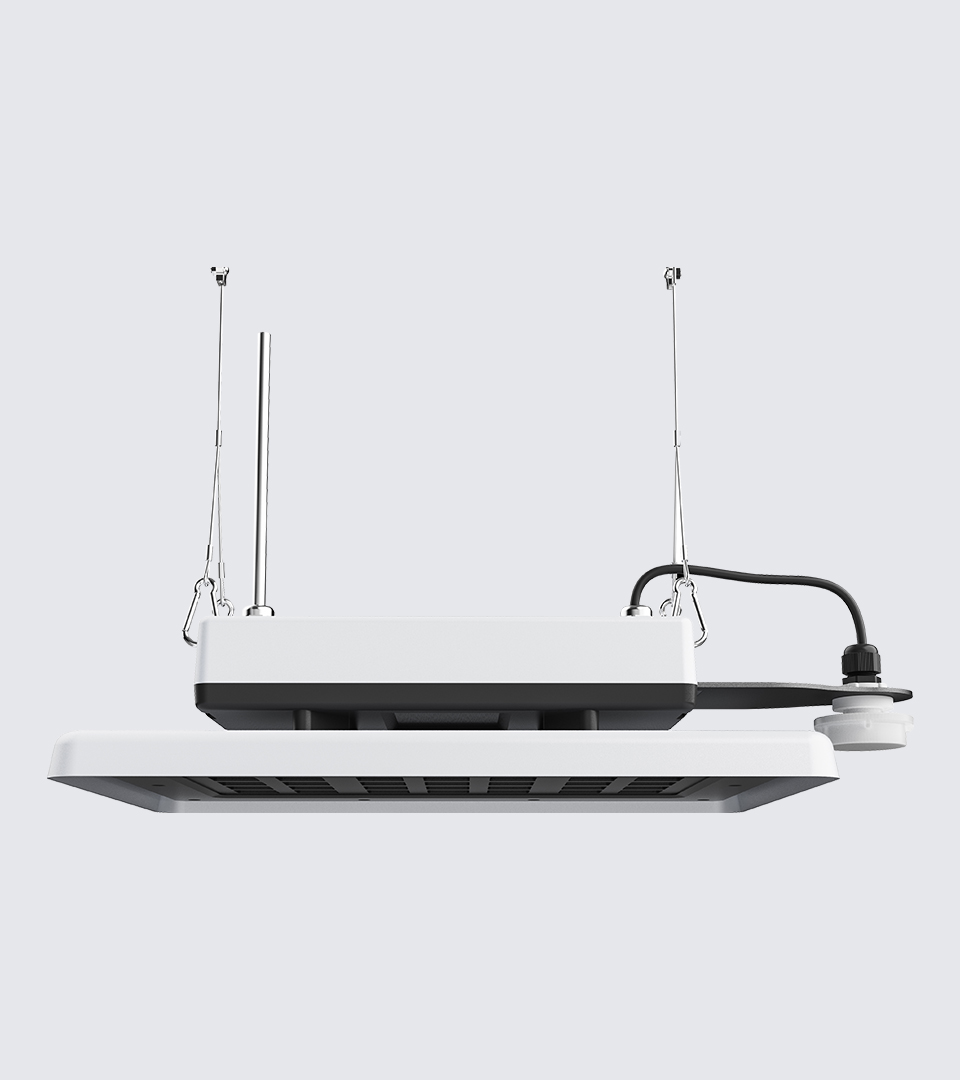
To support off-grid operations, luminaires like the Squarebeam Elite are highly recommended.
Weatherproof and Remote-Ready Lighting
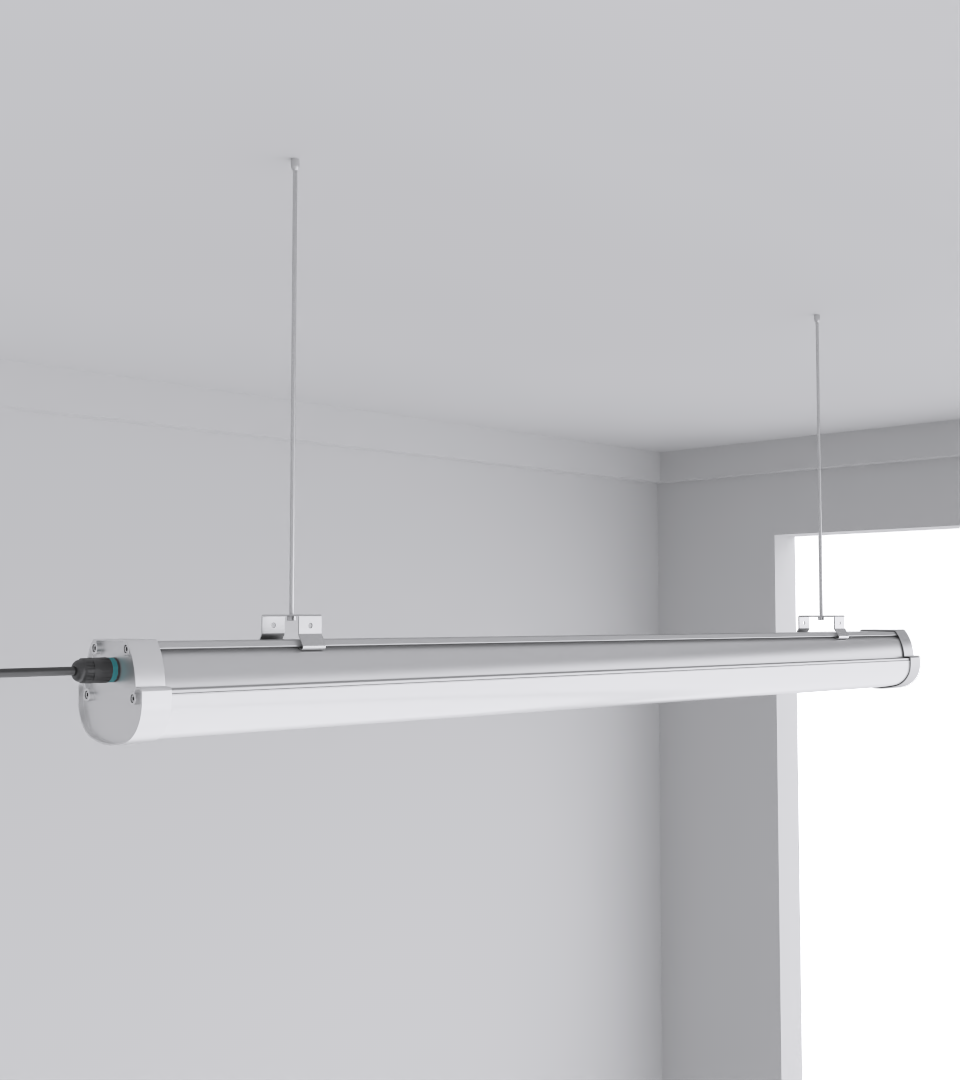
Edge Centres’ presence in Southeast Asia—Thailand, Malaysia, Indonesia—demands lighting systems resilient to humidity, heat, and vibration. The Quattro Triproof Batten delivers:
- IP65 protection
- IK08 impact resistance
- Dimmable options for sensor integration
Intelligent Lighting Integration
Lighting must align with autonomous system frameworks like Intell-edge-nce. This includes:
- Motion-based controls
- Time-scheduled dimming
- Daylight harvesting integration
Low-maintenance solutions like the SeamLine Batten integrate smoothly in rack aisles, corridors, and transitional zones.

Supporting Regional Expansion
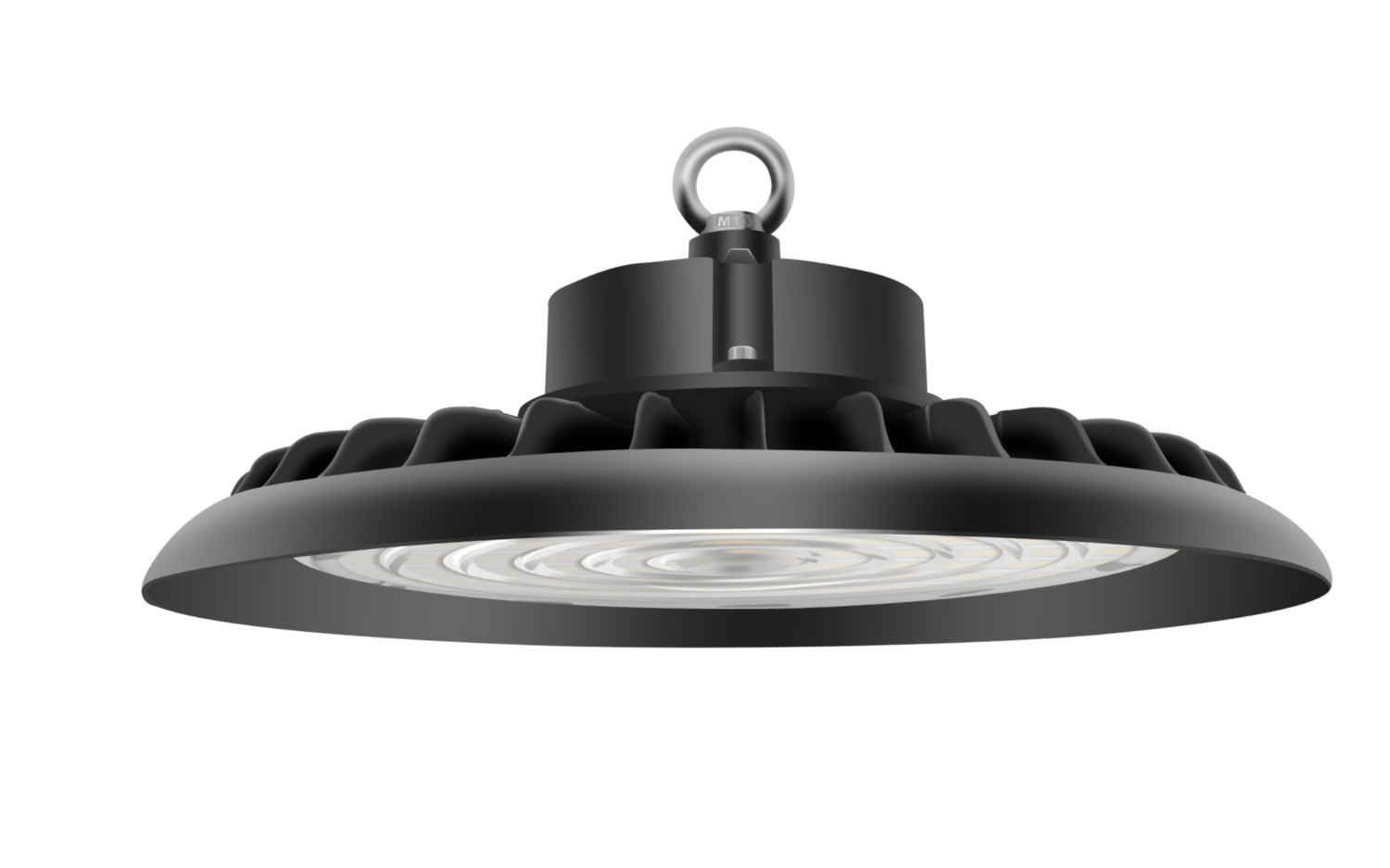
Modular lighting systems like the Budget High Bay Light are ideal for Edge Centres’ mobile modules deployed in Hong Kong and the U.S.
Legacy Compatibility and Interoperability
Hybrid facilities require backward-compatible lighting options. The Simplitz_Batten_V3 from Osram demonstrates the kind of flexibility needed in grid and off-grid hybrids.

Lighting Contribution to Resilience
Lighting contributes to:
- Technician safety and visibility
- Security camera image quality
- Emergency egress compliance
Conclusion: Sustainable Lighting
As Edge Centres redefines the edge infrastructure landscape, data center lighting must evolve from passive fixture to energy-optimized intelligence node. Autonomous control, energy-efficient products, and sensor integration are essential.
Recommended solutions include:
Frequently Asked Questions
How does solar energy affect lighting system design in data centers?
It requires luminaires that operate at low wattage, integrate with intelligent controls, and avoid unnecessary heat output.
What lighting control features are critical for autonomous edge centers?
Motion sensing, time scheduling, dimming, daylight harvesting, and environmental sensor integration are all vital.
What makes a lighting system “data-center ready”?
Thermal control, long lifespan, low maintenance, smart control compatibility, and energy efficiency define a lighting system ready for edge or hyperscale data centers.