DCIM Data Center Architecture Explained: Full Guide to Infrastructure Monitoring and Optimization
–
Key Takeaways
| Feature or Topic | Summary |
|---|---|
| Integration Benefits | Energy savings, streamlined operations, enhanced monitoring, and predictive maintenance. |
| Key Protocols | BACnet, Modbus, SNMP ensure interoperability. |
| Implementation Strategies | Assess existing infrastructure, select compatible systems, phased deployment recommended. |
| Operational Advantages | Reduced downtime, improved safety, occupant comfort, and significant sustainability contributions. |
What Is DCIM, Really?
DCIM isn’t just a fancy dashboard. It’s a hybrid layer between IT and facilities that tries to do the impossible: keep every blinking, buzzing, temperature-sensitive machine inside a data center happy without blowing past your power bill.
It started as glorified monitoring, but now it’s grown teeth. Now it includes:
- Asset management
- Real-time temperature and humidity mapping
- Rack power distribution unit (PDU) oversight
- Alerting and capacity planning
And yeah, it sounds like overkill until a cooling loop fails on a Saturday night.
Why Should You Even Care?
Simple. If you run a data center, or have anything to do with managing uptime, this is your insurance policy.
- Avoid outages: Proactively identify thermal hotspots or power strain
- Cut energy waste: Know where your cooling is overkill
- Capacity planning: Spot stranded resources
- Track sustainability: CO2, PUE, CUE? DCIM can track all of it
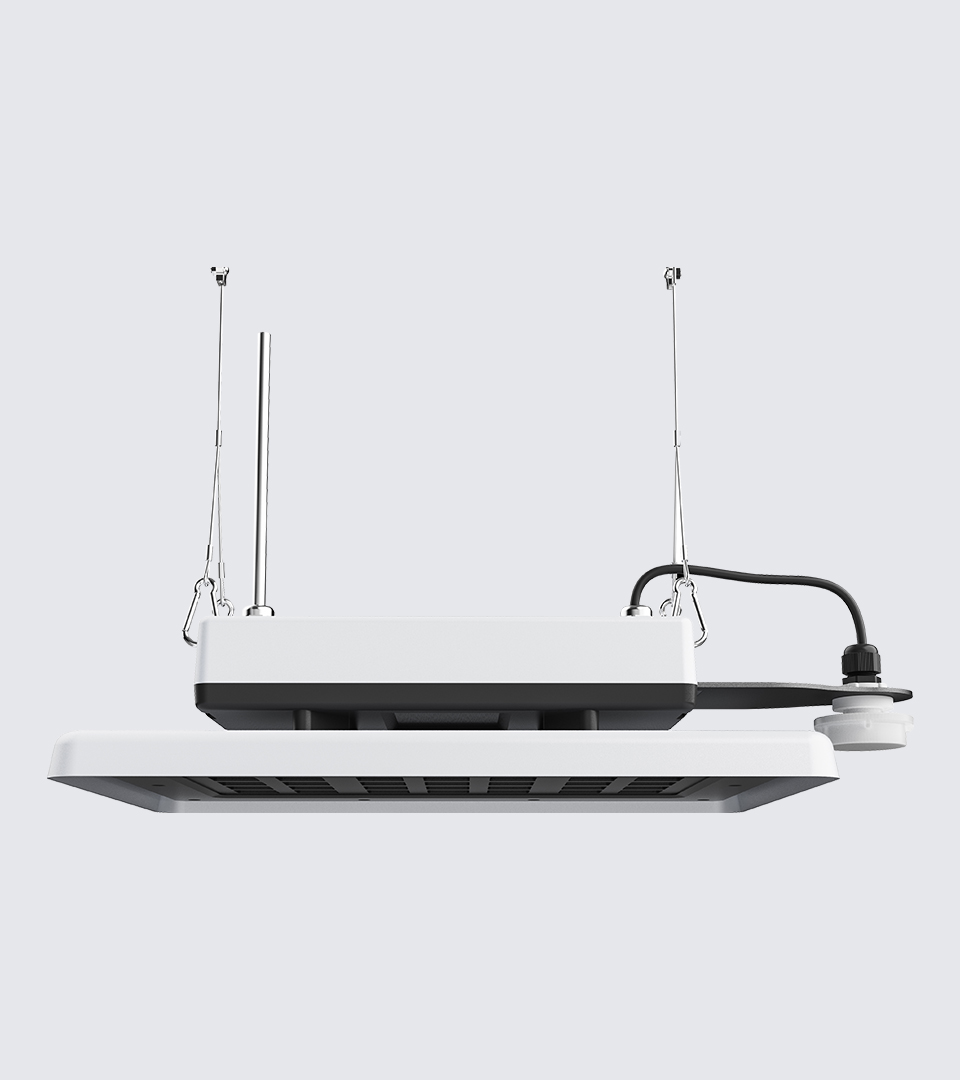
CAE Lighting, for example, helps with this directly through smart luminaires like the Squarebeam Elite which integrate with sensor networks and cooling strategies.
Core Parts of a DCIM Stack
Think of DCIM as a bunch of tools duct-taped into a single interface. These are the basics:
| Component | Function |
|---|---|
| Environmental sensors | Track temperature, humidity, air flow |
| Asset repository | Know where every server and switch lives |
| Power monitoring | Real-time draw, historical usage |
| Capacity dashboards | See where you’re full or underutilized |
| Alerting/thresholds | Warn on overloads or environmental spikes |
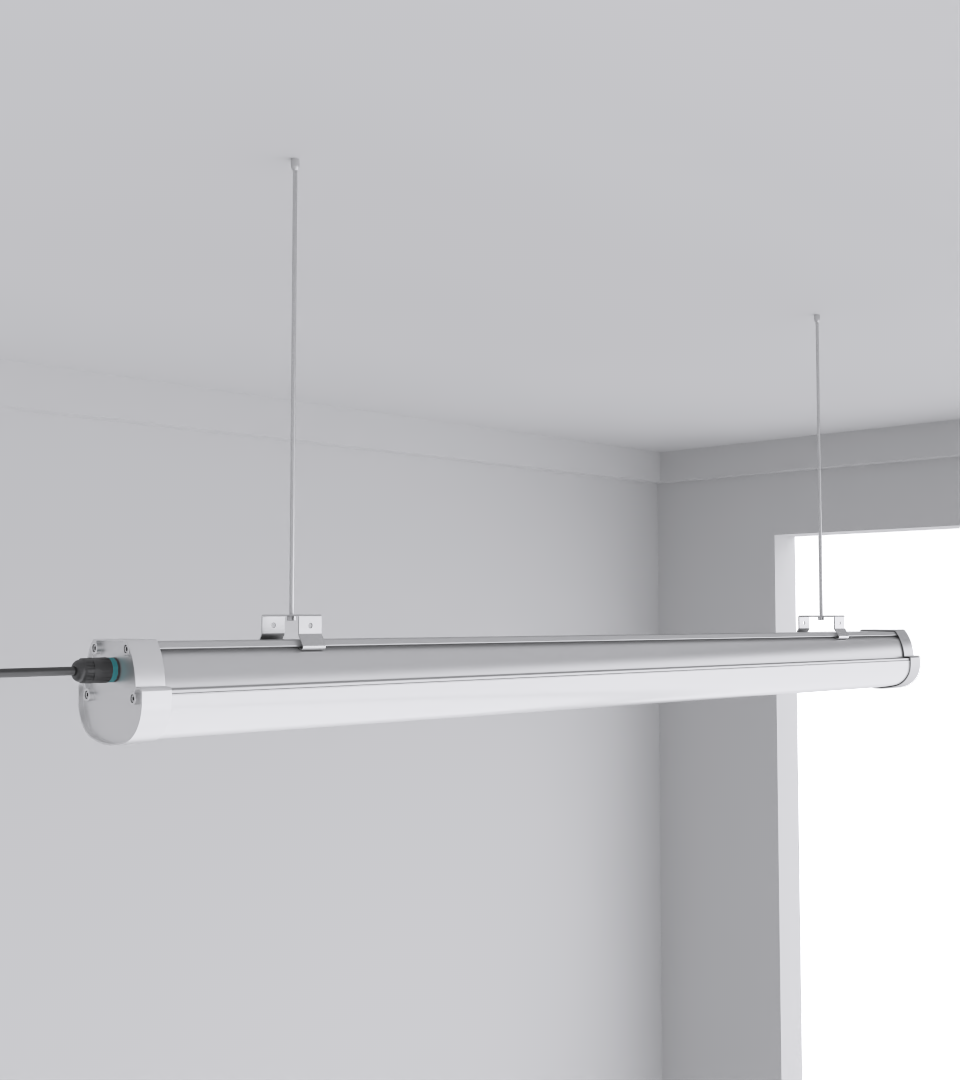
You can integrate other tech too — like the Quattro Triproof Batten, which includes motion-sensing for security and occupancy automation.
Lighting as Part of the DCIM Puzzle
This isn’t talked about enough, but lighting eats more energy than most people realize — especially in large-scale setups like:
- Hyperscale data halls
- Edge containers
- Maintenance corridors
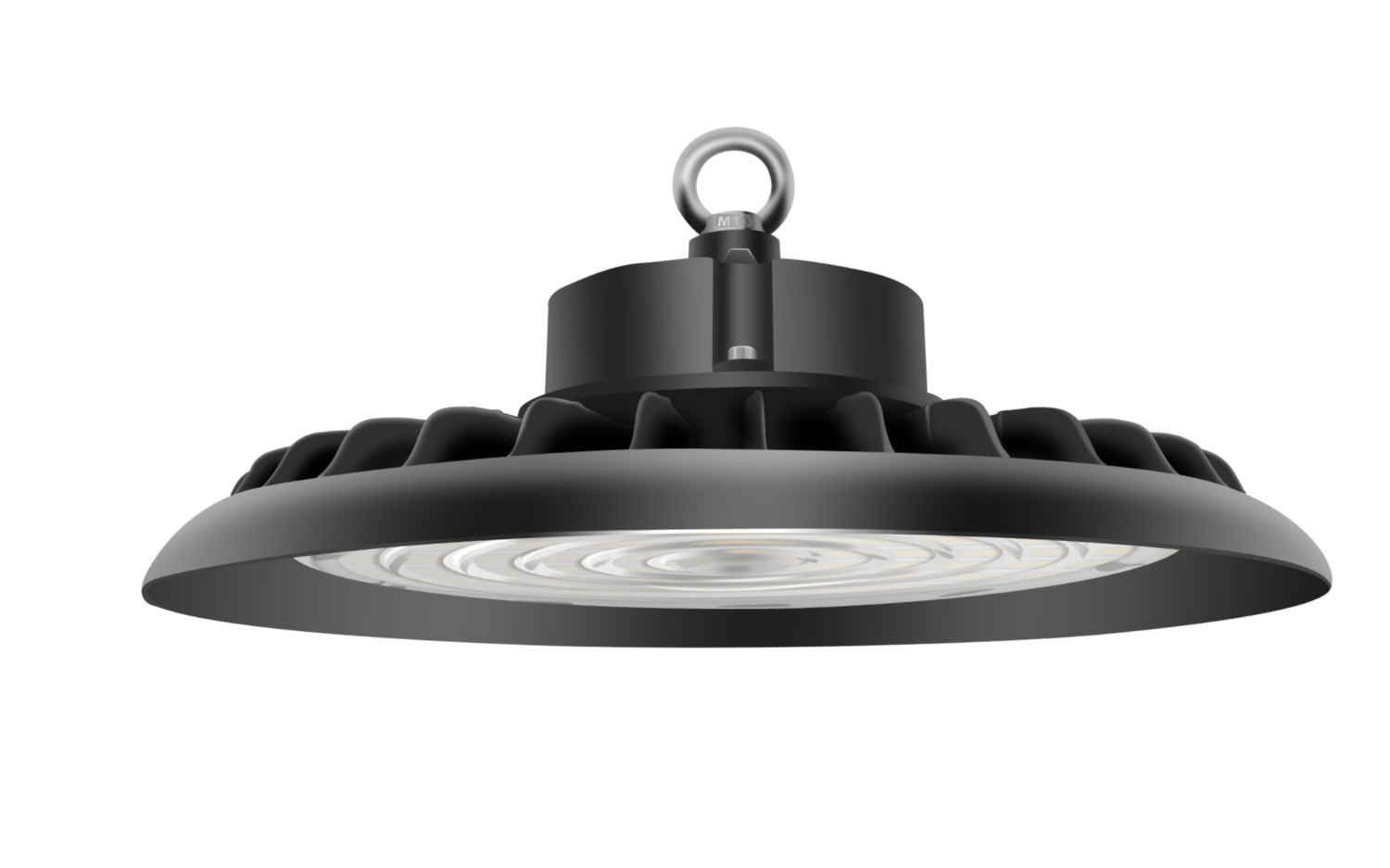
Smart luminaires, like the SeamLine Batten, support:
- Motion-triggered lighting to cut idle energy use
- Temperature-resistant LED operation
- Integration with DCIM alerting modules

DCIM and Predictive Maintenance
Let’s talk reality. Fixing stuff before it breaks sounds smart — until it’s not clear what’s about to fail.
DCIM changes that by tracking patterns in:
- Power surges and brownouts
- Thermal drift in equipment zones
- Airflow inefficiencies
At CAE Lighting, we once caught a ceiling panel design flaw because lighting sensors detected repeated heat pooling above a specific aisle. Swapped it. Solved it. Saved the HVAC load.
Cloud-Based and Edge-Friendly DCIM: Not Optional Anymore
On-prem-only DCIM systems are going extinct. Here’s why:
- Edge locations need remote monitoring
- Hybrid facilities demand real-time sync
- Cloud-native DCIM makes multi-site aggregation possible
Platforms like Hyperview and Sunbird are gaining traction, and your physical layer needs to keep up. CAE Lighting’s fixtures support modular installs and sensor integrations tailored for edge sites.
Security, Compliance, and Audits
DCIM also plays defense:
- ISO, HIPAA, PCI DSS tracking
- Audit trails on environmental and access anomalies
- Lighting controls that can lock down zones during breach protocols
Every light in your data hall should help — not hinder — compliance. If it can’t be controlled or monitored, it becomes a blind spot.

Best Practices for Rolling Out DCIM
It’s not plug-and-play. But it doesn’t have to be chaos either.
- Start with lighting and power. That’s where the ROI shows up quickest.
- Map your assets properly. Use barcoding or RFID tagging.
- Pilot the DCIM on a smaller site or containment zone.
- Connect to HVAC/BMS and lighting networks.
- Scale to full facility once workflows are validated.
Need lighting support to get started? Check CAE Lighting’s product range or contact them here.
Frequently Asked Questions (FAQ)
What is DCIM?
DCIM stands for Data Center Infrastructure Management. It provides tools to manage, monitor, and optimize data center resources including energy, space, and equipment.
Why is lighting important in DCIM?
Lighting contributes to overall energy load and operational safety. Smart lighting with motion sensors and integration capabilities enhances the energy savings and visibility of DCIM tools.
Can DCIM help reduce energy costs?
Yes. By monitoring cooling, lighting, and power distribution, DCIM identifies inefficiencies and suggests optimizations that directly reduce energy bills.
Is DCIM cloud-based or on-prem?
Modern systems are increasingly cloud-native to support remote sites, edge deployments, and multi-facility views. Legacy systems are often on-prem.
What kind of data does DCIM collect?
Temperature, humidity, power usage, equipment location, airflow, capacity trends, alerts, and more.