STACK Data Centers Explained: Hyperscale Campus Design, Colocation Models, and Lighting Integration Standards
–
- What is STACK Infrastructure?
- STACK’s Campus Design and Scalability Approach
- Lighting for Hyperscale Environments: What Actually Matters
- Colocation & Build-to-Suit Flexibility
- Power Efficiency & Cooling Considerations
- Compliance, Safety & Emergency Lighting
- Future-Proofing: AI/ML, Sustainability & Edge Integration
- Procurement and Rollout: What Contractors Should Know
- Frequently Asked Questions (FAQs)
Key Takeaways
| Topic | Summary |
|---|---|
| What is STACK Infrastructure? | A hyperscale data center provider offering colocation, build-to-suit, and powered shell models. |
| Why it matters | Supports AI, cloud, and enterprise-scale computing; globally expanding footprint. |
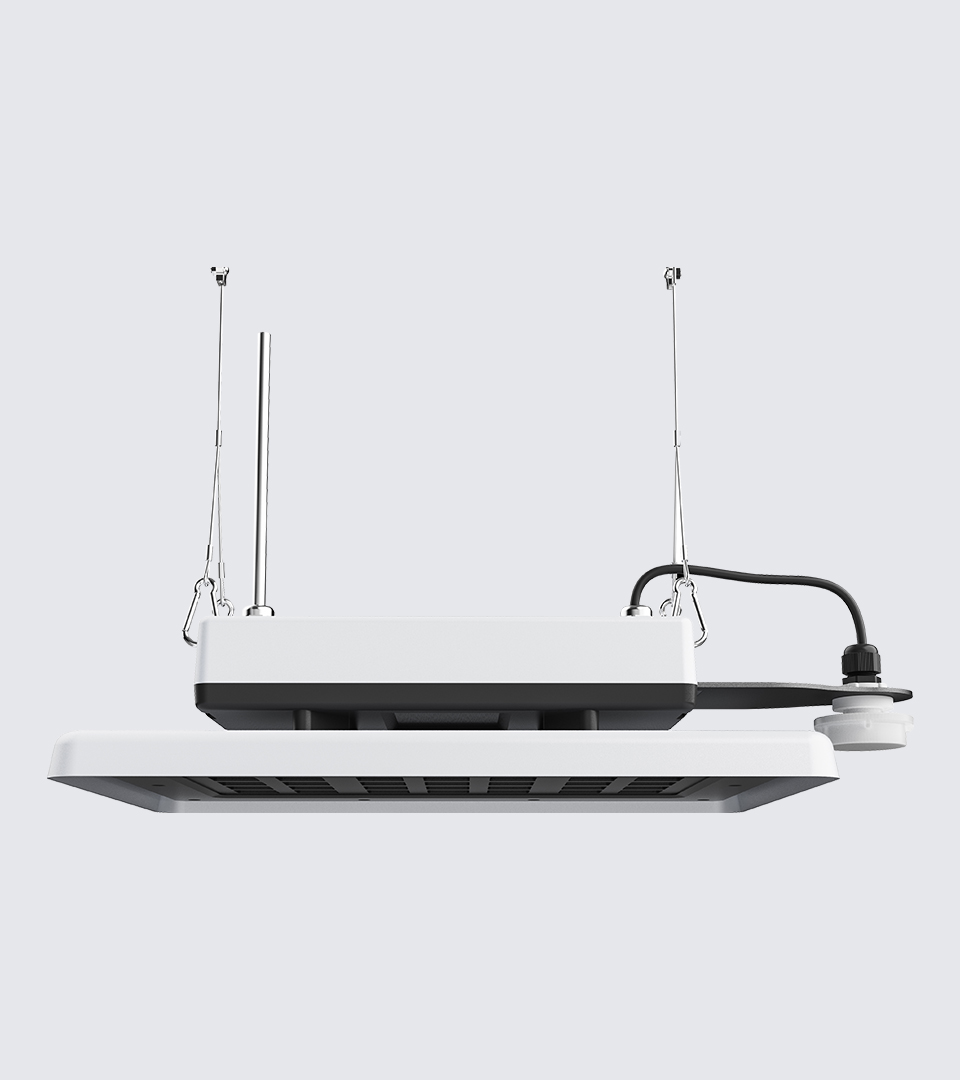
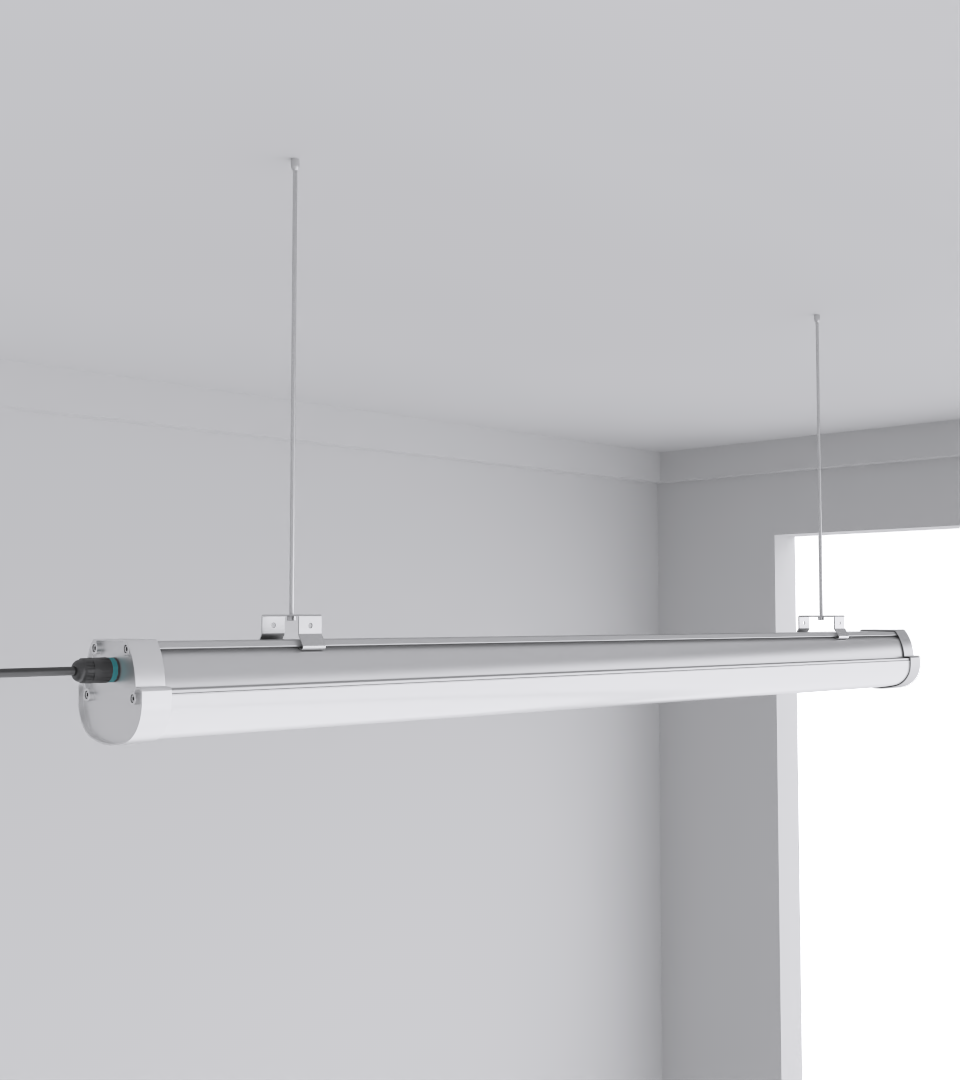
| Lighting relevance | Facilities like STACK require high-performance industrial lighting like CAE Lighting’s Squarebeam Elite and Quattro Triproof Batten. |
| Global scale | Active across North America and expanding into Europe and APAC. |
| Design focus | Modular, scalable campuses optimized for performance and efficiency. |
| Colocation options | Both multi-tenant and single-tenant configurations supported. |
| Tech-readiness | AI/ML and GPU-centric environments with sustainable infrastructure. |
1. What is STACK Infrastructure?
STACK Infrastructure is a leading hyperscale data center developer known for its full-spectrum service offerings, including build-to-suit, powered shell, and commissioned capacity solutions. They cater to large cloud providers, AI-driven organizations, and enterprise clients seeking robust scalability and high-density compute environments.
Headquartered in Denver, STACK has campuses in core markets such as Silicon Valley, Northern Virginia, Dallas-Fort Worth, and Chicago. These facilities are strategically located to support latency-sensitive operations and sustainable power sourcing.
2. STACK’s Campus Design and Scalability Approach
STACK’s campuses are built for extreme growth. A good example is their Silicon Valley (SVY01 and SVY02) campus: 200MW capacity over 97 acres. These facilities are not retrofits—they’re designed ground-up for density, power redundancy, and cooling efficiency.
- N+1 and 2N redundancy across power and cooling systems
- Dedicated substations for power stability
- Customizable layouts for GPU-heavy and AI/ML loads
This type of infrastructure requires serious environmental integration, where CAE Lighting’s high-efficiency fixtures such as the Quattro Triproof Batten ensure optimal lux without excess thermal output.
3. Lighting for Hyperscale Environments: What Actually Matters
STACK facilities operate with stringent uptime requirements and thermal controls. Lighting inside server rooms, corridors, and electrical rooms must:
- Emit low heat to reduce load on HVAC
- Be motion-activated in less trafficked zones
- Maintain UGR < 19 for technician visibility without eye strain
CAE Lighting provides specialized products like:
- Squarebeam Elite for high-bay rack corridors
- SeamLine Batten for clean ceiling integration
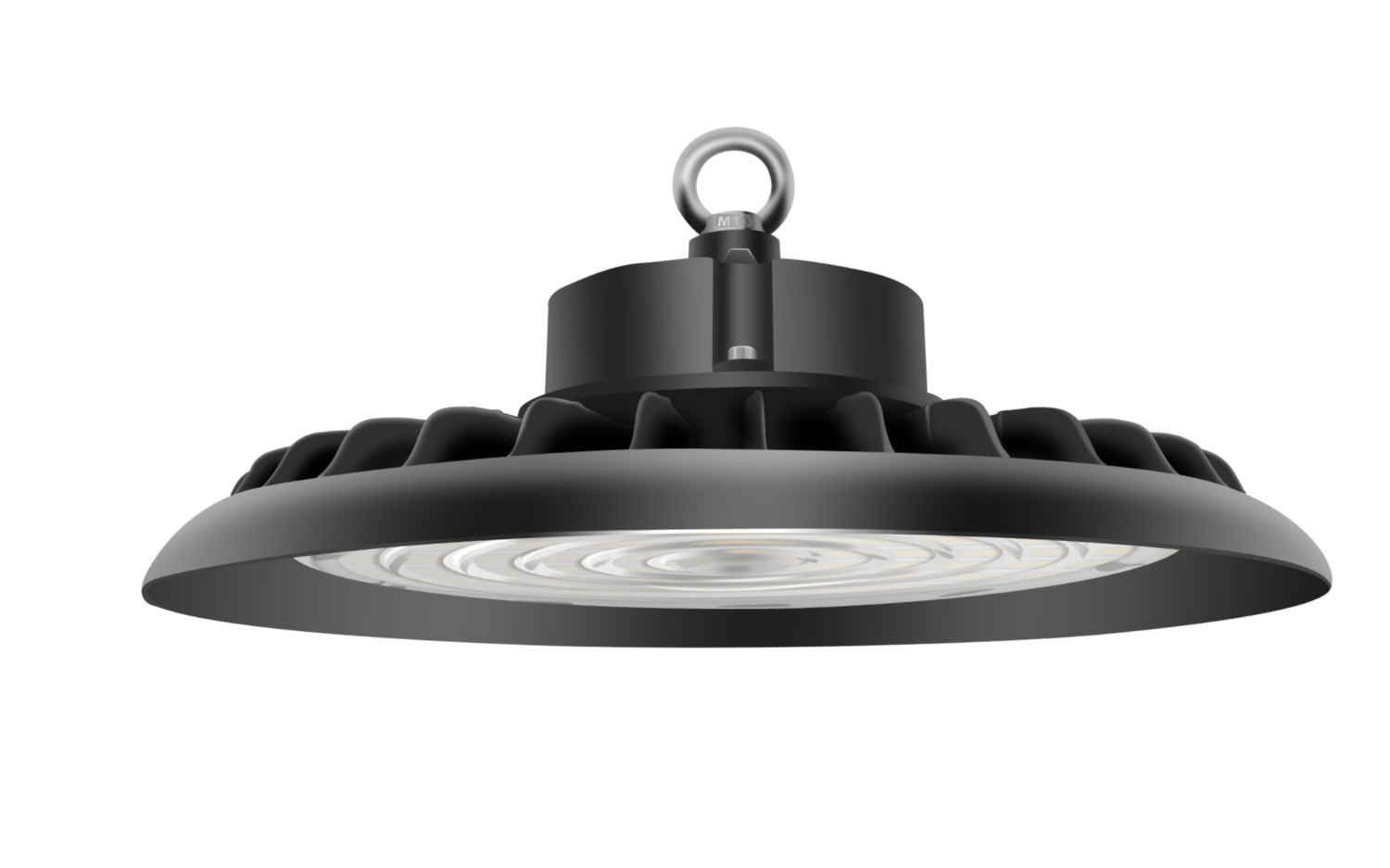
- Budget High Bay Light for utility areas
4. Colocation & Build-to-Suit Flexibility
STACK supports:
- Multi-tenant colocation: Dividing space among multiple clients
- Single-tenant build-to-suit: Custom-built to client specs (e.g., AI firms, financial institutions)
This flexibility demands modular lighting schemes. CAE’s engineering team has worked with facility planners to:
- Create plug-and-play lighting rows for rapid deployment
- Ensure driver compatibility with PoE and BMS systems
- Integrate emergency backup modes to align with TIA-942 requirements
5. Power Efficiency & Cooling Considerations
Lighting contributes to cumulative BTU output. That’s often overlooked.
In one facility audit we supported in Malaysia, lighting retrofits alone reduced heat load by 12%, allowing downsizing of supplemental cooling units.
CAE Lighting’s products:
- Use aluminum housing for passive cooling
- Include thermal-break PCB layout
- Support daylight harvesting and motion sensor modules for AI integration

6. Compliance, Safety & Emergency Lighting
STACK aligns to Uptime Tier III+, ANSI/TIA-942, and regional codes. Lighting must support:
- Emergency egress
- Auto-diagnostic battery backups
- IP65/IP66 where exposed to equipment cooling spray or open ducting
CAE products meet:
- ISO 9001 / 14001 / 45001
- LM-80 test data
- >50,000 hours L70 life cycle under 40°C ambient

7. Future-Proofing: AI/ML, Sustainability & Edge Integration
STACK is scaling for AI training clusters, edge computing, and sustainable operations. That shifts lighting requirements:
- Faraday-safe designs to reduce EMF interference
- Non-flicker optics for high-speed visual sensors
- Green certification alignment (e.g., LEED, BREEAM)
CAE’s lighting lineup already supports:
- Zigbee, DALI-2, and Bluetooth Mesh protocols
- Modular driver bays for future sensor expansion
- Smart scheduling for staggered power-up cycles
8. Procurement and Rollout: What Contractors Should Know
STACK projects demand speed. Lighting install must not bottleneck construction.
CAE Lighting enables:
- Sample shipment within 24 hours in Southeast Asia
- Pre-wired gear trays and bracket kits
- Direct support for BIM lighting layout export
For quote requests or trials: Contact CAE Lighting
Frequently Asked Questions (FAQs)
What type of lighting is best for data centers?
LED batten lights with high thermal efficiency, UGR control, and smart sensor support.
How important is motion sensing in data center lighting?
Vital for reducing unnecessary energy consumption in unoccupied technical aisles.
Are CAE Lighting products compatible with smart building systems?
Yes. Products support Zigbee, Casambi, DALI-2, and other building automation protocols.
What certifications should lighting fixtures have for STACK-like facilities?
ANSI/TIA-942 alignment, IP65+, ISO 9001/14001/45001, LM-80 testing.
Can CAE Lighting supply large volume orders for colocation builds?
Yes. Modular assembly lines and stock planning ensure fast lead times for global rollout.