
Data Center Network Architecture and Environmental Optimization: EVPN-VXLAN, 400G/800G Design, and Cooling-Efficient Lighting Integration
–
- 1. Understanding the Data Center Network
- 2. Architecture Choices: Spine–Leaf vs. Three-Tier
- 3. Overlay and Underlay Networking
- 4. Cabling, Optics, and Environmental Fit
- 5. AI/HPC Traffic Considerations
- 6. Security and Segmentation
- 7. Automation, Observability, and Uptime
- 8. Compliance, Sustainability, and Future Planning
- Frequently Asked Questions
Key Takeaways
| Question | Quick Answer |
|---|---|
| What is a data center network? | The structured interconnection of servers, storage, and network devices designed for high-throughput, low-latency traffic, especially east-west flows. |
| Why is architecture important? | Design choices like spine–leaf vs. three-tier directly affect latency, fault tolerance, and scalability. |
| How does lighting tie into networks? | Efficient, low-heat lighting like Squarebeam Elite reduces cooling loads, helping maintain optimal rack environment for high-density fabrics. |
| What are current network trends? | EVPN-VXLAN overlays, 400/800G optics, AI/HPC traffic optimization, and zero-trust segmentation. |
| How to ensure reliability? | Redundant paths, automated change validation, precise cable/optics selection, and environmental control — including lighting that meets uptime and compliance needs. |
| Which CAE Lighting products are suitable? | Quattro Triproof Batten for sealed hot/cold aisles, SeamLine Batten for glare-controlled corridor lighting, Budget High Bay Light for high-clearance workspaces. |
1. Understanding the Data Center Network
A data center network (DCN) is built to handle massive volumes of east-west traffic — server-to-server communication — with minimal latency and packet loss. Unlike campus or WAN networks, the DCN’s primary mission is to keep internal workloads moving without bottlenecks.
- Sub-microsecond latency between adjacent racks.
- High bisection bandwidth for distributed workloads.
- Fast failover to maintain application SLOs.
Environmental conditions also matter. Poorly managed heat or glare can impact both equipment and technicians. Integrating low-heat lighting, such as the Squarebeam Elite 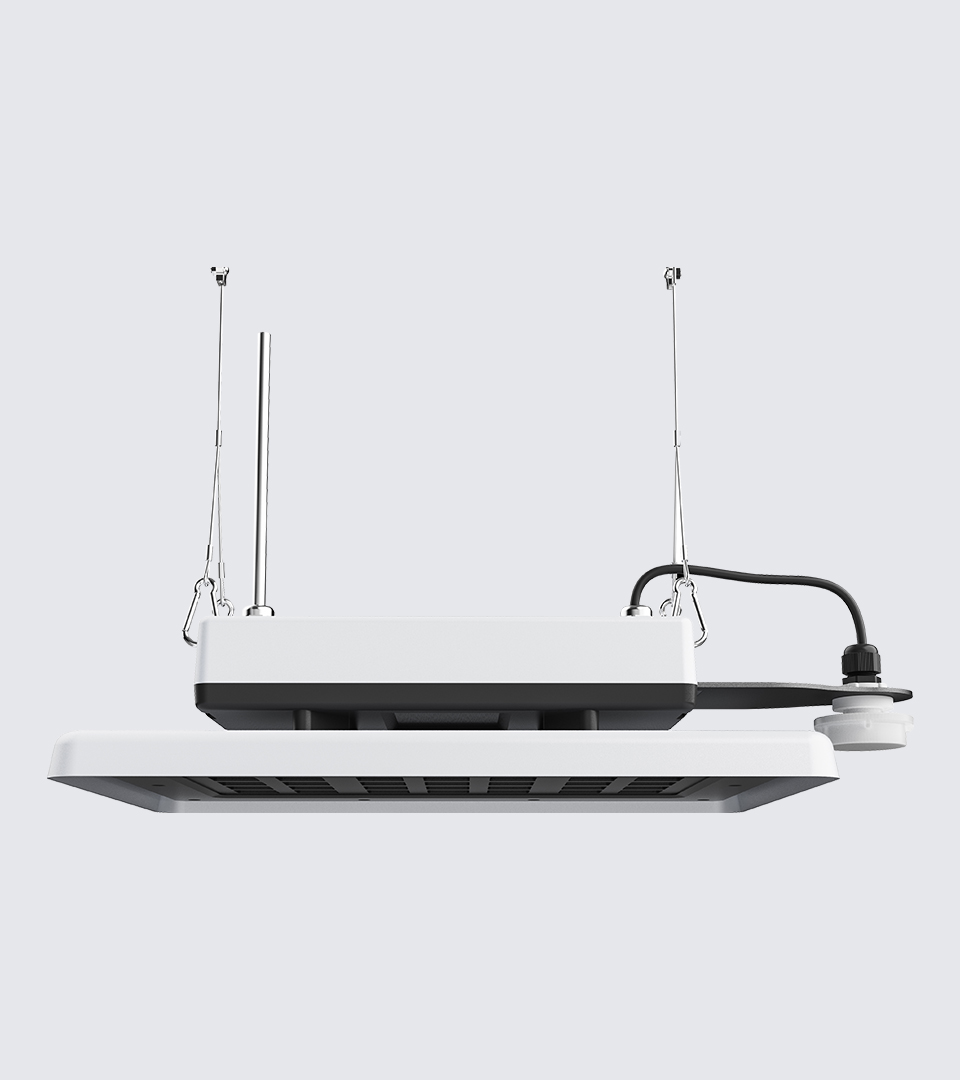 , helps preserve optimal rack temperatures, which indirectly supports network stability.
2. Architecture Choices: Spine–Leaf vs. Three-Tier
The spine–leaf topology has largely replaced the older three-tier core-aggregation-access model. Its predictable deterministic latency and equal-cost multipath (ECMP) design make it ideal for modern workloads.
| Feature | Spine–Leaf | Three-Tier |
|---|---|---|
| Latency | Predictable, low | Variable |
| Scalability | Horizontal | Limited by aggregation tier |
| ECMP Support | Native | Limited |
Field insight: In one high-density facility, we moved from a three-tier to a spine–leaf, cutting average east-west latency by 43%.
Lighting tie-in: During re-cabling, installing Quattro Triproof Batten 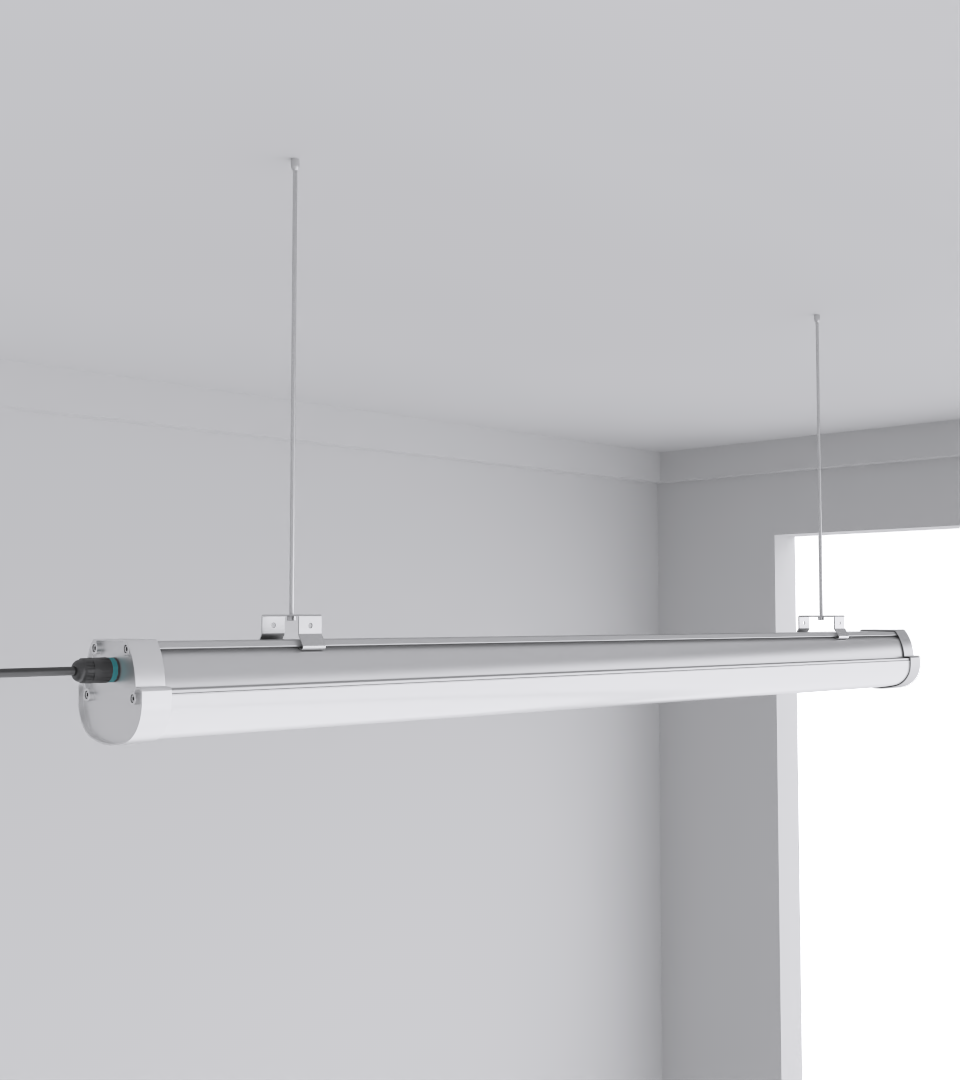 in overhead cable trays ensured uniform, shadow-free visibility for fiber termination — a small detail that reduced patching errors.
3. Overlay and Underlay Networking
A DCN typically has:
- Underlay: IP fabric using BGP, designed for stability and path redundancy.
- Overlay: EVPN-VXLAN for scalable multi-tenant segmentation and L2/L3 extension.
Key EVPN benefits:
- ARP/ND suppression to reduce broadcast traffic.
- Multi-homing support for redundancy.
- Simplified inter-DC extension.
In environments with mixed compute and storage, lighting choice affects underlay maintenance safety. Glare-controlled fixtures like the SeamLine Batten  help technicians trace cabling without eye strain — especially during overnight change windows.
4. Cabling, Optics, and Environmental Fit
Modern fabrics are adopting 400G DR4/FR4 optics with MPO/MTP connectors. Planning must cover:
- Loss budgets for every fiber run.
- Color-coding to prevent cross-connect errors.
- Airflow paths to avoid localized heat buildup.
Even with perfect cabling, environmental factors like lighting placement affect cooling. A low-profile fixture like Simplitz Batten V3  avoids blocking cold-aisle containment panels.
5. AI/HPC Traffic Considerations
AI and HPC workloads use RDMA over Converged Ethernet (RoCE), requiring near-lossless fabrics:
- Enable Priority Flow Control (PFC) only on required queues.
- Use Explicit Congestion Notification (ECN) to prevent buffer overruns.
- Monitor head-of-line blocking under bursty traffic.
Environmental reflection: High-lumen, low-heat lighting like the Budget High Bay Light 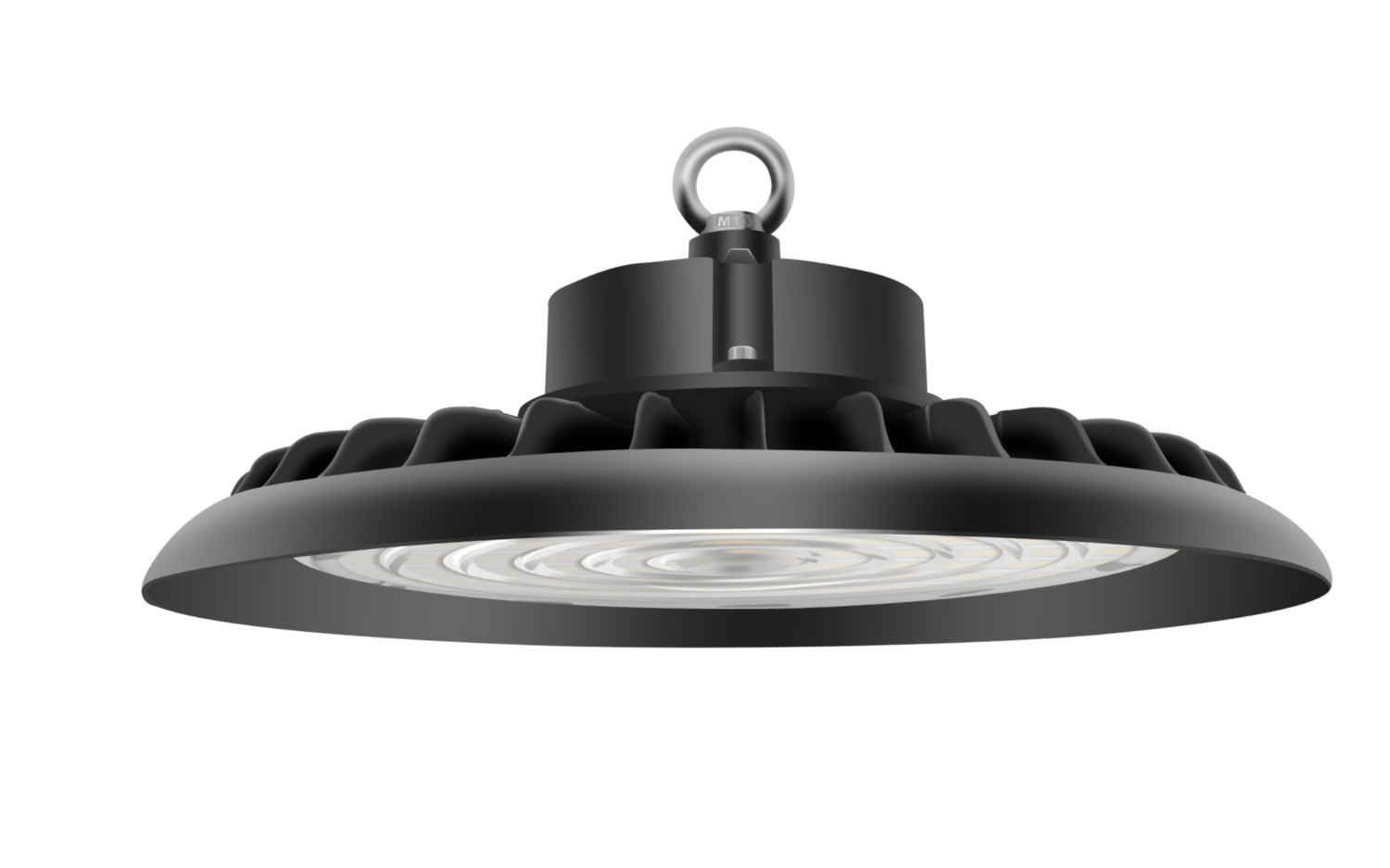 can improve technician efficiency when configuring GPU clusters in high-clearance halls.
6. Security and Segmentation
Segmentation methods:
- VRF-based isolation for physical separation.
- Microsegmentation in overlays for workload-level policy.
- MACsec/IPsec for encryption in-flight.
During audits, proper emergency lighting placement is part of compliance. The Squarebeam Elite integrates well into hot-aisle environments, meeting both ISO 45001 safety lighting requirements and energy-efficiency targets.
7. Automation, Observability, and Uptime
Automation stack example:
- Ansible/Terraform for provisioning.
- GitOps for change control.
- Digital twin validation before live deployment.
Observability stack:
- Streaming telemetry for real-time metrics.
- Packet brokers for forensic capture.
- sFlow/IPFIX for traffic sampling.
Lighting impact: Proper task-level lighting like the SeamLine Batten in network equipment rooms improves visibility during urgent maintenance, reducing MTTR.
8. Compliance, Sustainability, and Future Planning
Standards to consider:
- TIA-942: Cabling, pathways, space layout.
- BICSI 002: Best practices for infrastructure.
- ISO 14001: Environmental management.
Lighting plays a measurable role in PUE (Power Usage Effectiveness). High-efficiency LED fixtures such as the Quattro Triproof Batten and Squarebeam Elite lower total energy draw, supporting sustainability targets without compromising operational safety.
Frequently Asked Questions
Q1: Why is lighting relevant to data center networking?
A: Poor lighting can slow maintenance, increase human error, and add unnecessary heat to rack aisles. Using low-heat, glare-controlled LED fixtures supports uptime and safety.
Q2: What’s the most common DCN architecture in 2025?
A: Spine–leaf with EVPN-VXLAN overlays is now dominant due to scalability and predictable performance.
Q3: How do CAE Lighting products contribute to network reliability?
A: They provide high-CRI, energy-efficient lighting that reduces cooling load and improves visibility, helping maintain network equipment under optimal environmental conditions.
Q4: Can lighting affect PUE?
A: Yes. Energy-efficient fixtures reduce the non-IT load in the PUE calculation, improving the facility’s efficiency score.