
Data Centre Facilities Management: Operational Frameworks, DCIM Integration, and Proven Uptime Strategies
- Definition & Scope: What Facilities Management Covers in a Data Centre
- From Build to Run: Commissioning Handover That Operators Can Actually Use
- Runbooks, Change Control, and Shift Handover Routines
- Tooling Architecture: DCIM + BMS + CMMS + Ticketing
- Lighting, Energy, and Cooling: Practical Choices That Reduce Risk
- Maintenance Programs, Vendor Control, and Evidence for Audits
- Security, Safety, and Emergency Readiness
- Governance, Metrics, and a Realistic Roadmap
- Frequently Asked Questions (FAQ)
Key Takeaways
| Feature or Topic | Summary |
|---|---|
| Integration Benefits | Energy savings, streamlined operations, enhanced monitoring, and predictive maintenance. |
| Key Protocols | BACnet, Modbus, SNMP ensure interoperability. |
| Implementation Strategies | Assess existing infrastructure, select compatible systems, phased deployment recommended. |
| Operational Advantages | Reduced downtime, improved safety, occupant comfort, and significant sustainability contributions. |
Definition & Scope: What Facilities Management Covers in a Data Centre
In a live facility, facilities management (FM) owns the critical environment: power train (utility, switchgear, UPS, batteries, generators), cooling (CRAC/CRAH, chillers, pumps, valves, containment), safety systems (fire detection/suppression, egress lighting), building controls, and the physical environment. IT remains responsible for workloads, networks, and storage, yet both groups coordinate change windows and freeze periods. A clean split of duties reduces finger-pointing and accelerates recovery when something blinks at 2 a.m.
Clear scope also improves tooling choices. DCIM gives visibility across capacity and health, BMS governs controls, and CMMS/ticketing captures work orders, spares, and SLA clocks. For readers building out the physical layer, lighting belongs in FM because it shapes safe access, thermal side-effects, and task visibility. See CAE Lighting for industrial luminaires used in critical environments and industrial fixture categories for aisle, corridor, and equipment-room use.
From Build to Run: Commissioning Handover That Operators Can Actually Use
The handover that sticks is practical: redlined as-builts, single-source “one-line” diagrams, valve schedules, nameplate data, spare parts lists, and alarm setpoint rationales. Operators also need fault-injection drills early—open/close a valve under supervision, simulate a failed UPS module, and rehearse black-start steps with someone who has done it before. New teams absorb faster when they can trace each alarm back to a drawing and a tag in DCIM/BMS. I’ve seen brownfield teams rescue shaky handovers by running weekly walkdowns with a printout of open RFIs taped to a clipboard; crude, but it closes gaps.
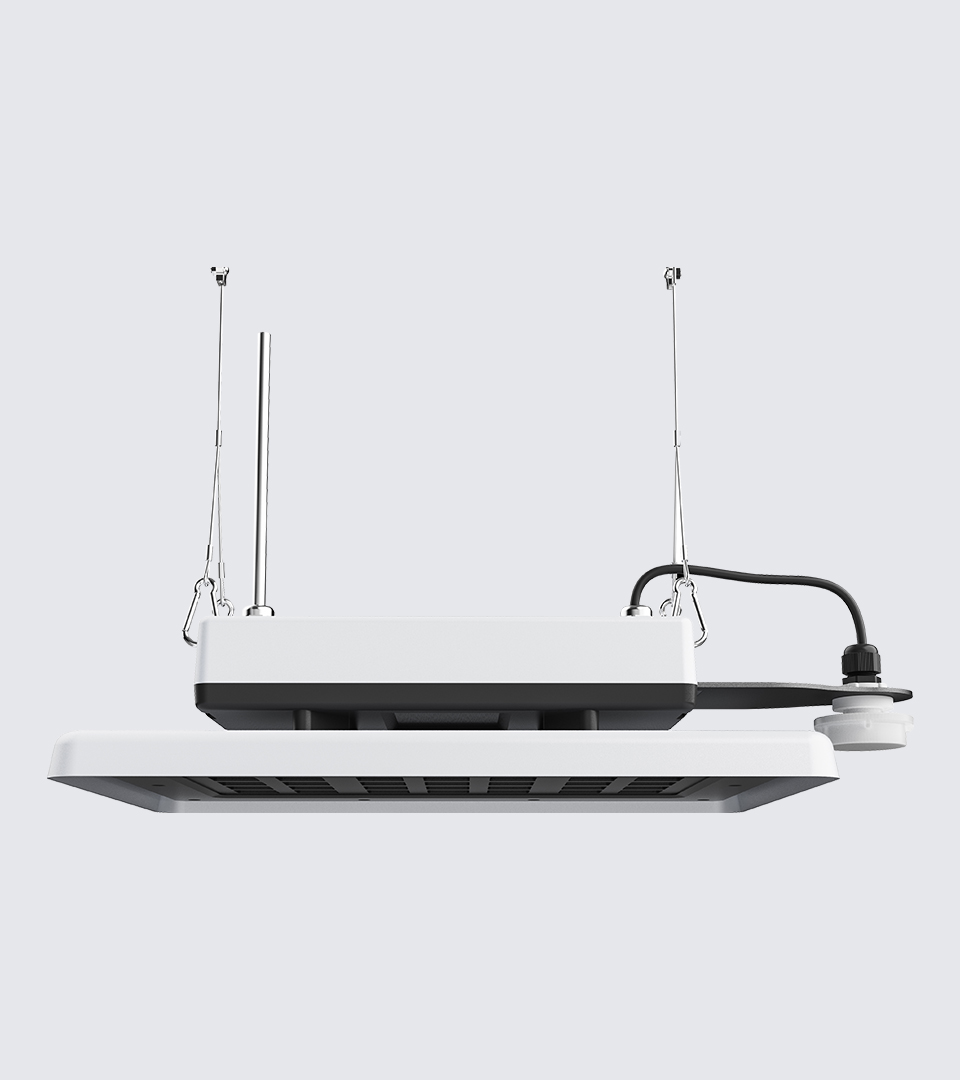
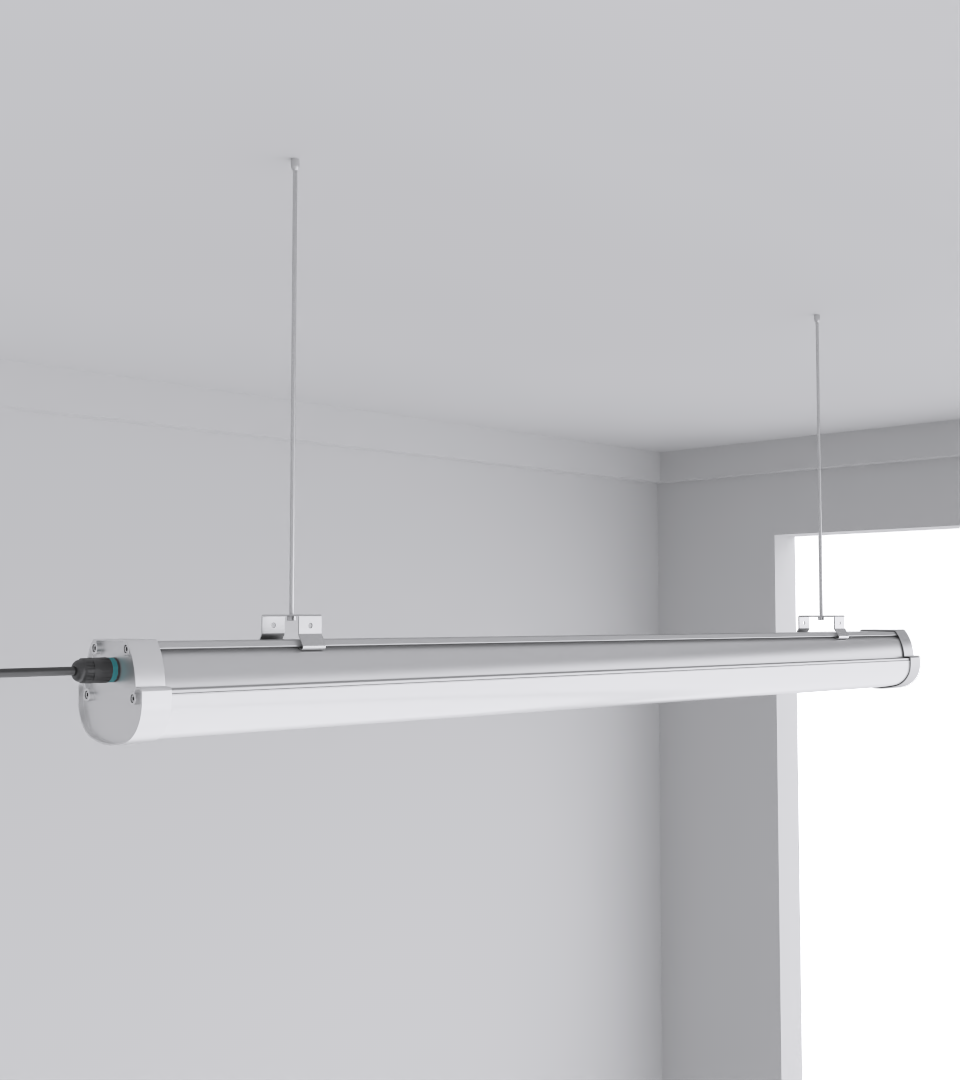
Lighting belongs in this packet too. Mounting heights, glare limits, emergency egress illumination, and sensor zoning should be documented with fixture schedules. Where heat and humidity fluctuate near equipment galleries, use ingress-protected battens such as the Quattro Triproof Batten and plan access so a lift can reach without blocking a fire route. For tightly spaced racks, low-profile optics like Squarebeam Elite for equipment rows help avoid shadow bands across rail IDs.
Runbooks, Change Control, and Shift Handover Routines
Most self-inflicted outages trace back to loose procedures. The basic stack is simple: SOP for routine tasks, MOP for changes with risk, and EOP for faults. Each document needs owner names, hold points, check-backs, and a rollback path. Peer reviews catch assumptions; dry-runs find the step where a valve label is reversed or a breaker interlock behaves differently than expected. During busy periods, I prefer pre-approved change windows aligned to IT freezes, with a small, standing CAB that meets even if it’s a five-minute huddle.
Shift handover is where small clues are saved from getting lost. Keep a single log—digital or paper—but consistent. Include “what changed,” “what’s pending,” and “what we’re worried about.” Maintenance on a lighting circuit above an access corridor? Mark the permit, the barricade plan, and the temporary egress lighting arrangement. If controls are present, log overridden sensors and temporary schedules. For product reference, see SeamLine Batten for quick-snap mounting and contact CAE Lighting for emergency packs matched to aisle spacing.

Tooling Architecture: DCIM + BMS + CMMS + Ticketing
Treat tooling as a data flow, not a collection of screens. Source-of-truth for assets sits in CMMS; real-time telemetry and controls live in BMS; DCIM stitches capacity, thresholds, and dependencies; ticketing tracks human work. Alarm hygiene is a habit: deduplicate at ingestion, add context (what system, what rack row, what recent changes), and enforce timers—time-to-ack and time-to-resolve by severity. When an operator clicks an alarm, they should see a diagram, last PM date, recent changes, and the MOP/EOP pointer.
Lighting control should be visible too. Occupancy, schedules, and overrides need an audit trail so energy anomalies tie back to human decisions. Where mesh controls or sensors are deployed, label gateways and power feeds; a “dark aisle” fault is easier to fix when the map is honest. For retrofit programs, align fixture SKUs with the asset registry before installation day. Explore data centre lighting best practices and lighting solutions guides to plan DCIM/BMS tie-ins.
Lighting, Energy, and Cooling: Practical Choices That Reduce Risk
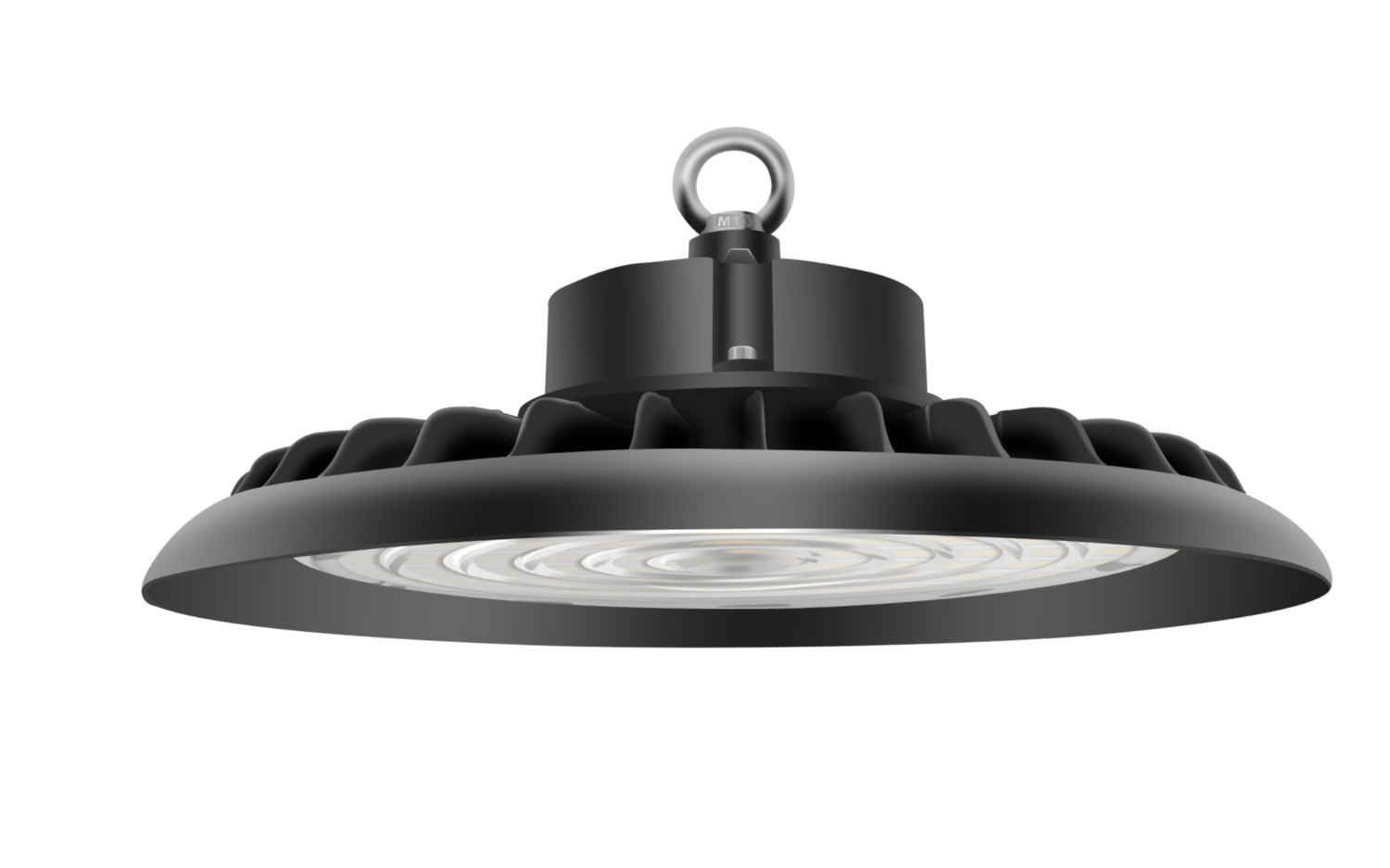
Lighting changes heat, airflow, and visibility. In equipment rows, narrow optics reduce spill into return paths; in loading docks and battery rooms, glare control and ingress protection take priority. Motion-sensor strategies should avoid “disappearing light” in aisles where technicians work with small parts; set conservative timeout values and layer manual overrides. In hot aisles, choose thermally efficient housings and drivers that tolerate elevated ambient temperatures. This is where products like Squarebeam Elite and sealed batten families keep their shape under stress.
Facility teams often keep a few spares for fixtures that carry emergency egress responsibilities. During power path maintenance, emergency packs must be tested and logged. If you’re evaluating replacements, compare driver lifetime at the real ambient, not catalogue conditions, and confirm mounting heights against task requirements (label reading, breaker operation). For supermarket-grade battens adapted to technical corridors, review SeamLine Batten specifications. For third-party comparisons, teams sometimes study references like Osram’s Simplitz lines to understand optics; example datasheet image:

Maintenance Programs, Vendor Control, and Evidence for Audits
Reliability work is equal parts schedule and proof. Keep a maintenance calendar that covers electrical inspections, IR scans, UPS battery tests, generator runs, chiller maintenance, valve exercises, and lighting tests (including emergency function). For each, keep the artifact: PM sheets, results, and any follow-up tickets. During audits, certainty lives in the document trail. I’ve sat through assessments where the fastest-moving teams had simple folders named by system and month—no drama, no mystery hunts.
Vendors need boundaries: method statements, permit-to-work, site escort rules, and stop-work criteria. If a contractor needs to isolate a lighting circuit that crosses an egress path, the plan should include temporary fixtures and signage. For replacements, short-lead fixtures help—operators often select lines like Quattro Triproof or Budget High Bay to keep spares sensible. For broader project support or sampling, use the contact channel and align deliveries with maintenance windows.
Security, Safety, and Emergency Readiness
Access control and physical segmentation limit blast radius when something goes wrong. Badge policies, escorted access, and tool-control reduce accidental damage near energized equipment. Safety programs need lockout/tagout discipline, PPE checks, and drills that include realistic lighting scenarios—smoke conditions change visibility; a compromised corridor fixture can slow egress. Keep replacement fixtures pre-labeled for emergency circuits to reduce swap time and confusion. Where moisture or dust is possible, sealed luminaires prevent deterioration that hides until a real emergency.
Emergency readiness improves with small rituals: monthly walk tests for exit paths, quarterly generator-on-load exercises, and annual black-start practice that includes facilities, security, and IT. Document the communications ladder for incidents and publish an internal status page for staff. If your region’s data centre footprint is growing, align with projects early—policy clarity beats last-minute fixes. For regional context and strategy, see Thailand data centre investment notes and broader data centre lighting articles.
Governance, Metrics, and a Realistic Roadmap
Pick a small set of metrics that change behavior: incident rate by cause, time-to-ack/time-to-resolve for alarms, overdue PMs, and percent of procedures with a completed dry-run. Publish a weekly scorecard that fits on one page. Use post-mortems that focus on conditions and decisions, not blame. Every corrective action should end with a change to a drawing, a label, a procedure, or a training plan—paper that isn’t connected to the work dies in a folder.
Roadmaps stick when they’re paced: months 0–6 focus on runbooks and alarm hygiene; months 6–12 on tooling integration and maintenance quality; months 12–24 on upgrades (lighting, containment, sensors) that reduce energy and improve safety. When lighting is in scope, phase by zone so operations can keep working—rows, corridors, docks—verifying glare and task visibility as you go. For product families used in technical spaces, browse industrial fixtures catalog including SeamLine Batten, Squarebeam Elite, and Budget High Bay.
FAQ
What’s the difference between facilities management and DCIM?
Facilities management runs the physical plant and safety systems; DCIM is a software layer that visualizes capacity, health, and dependencies. FM uses DCIM along with BMS and CMMS to plan and operate.
Where do lighting decisions affect uptime?
Glare, access, and thermal effects. Poorly aimed luminaires can hide labels or create hot spots near returns. Choose optics and housings rated for the real ambient and task needs. See Squarebeam Elite for row lighting.
How often should emergency lighting be tested?
Follow local code and site policy; many sites run monthly function checks and annual duration tests with documented results. Keep spares and drivers ready for fast swaps.
What documents should be in a handover pack?
Redlined as-builts, one-lines, valve schedules, setpoint rationales, alarm matrix, equipment lists with nameplates, spares, and training records.
Which tools matter most for day-2 operations?
CMMS (asset/work orders), BMS (controls/telemetry), DCIM (capacity/dependencies), and ticketing (SLA and collaboration). Integrate alarms and change logs.
Do mesh sensors and controls complicate audits?
Only if labels and gateways are undocumented. Keep a simple map, tie IDs to the asset registry, and log overrides in the shift handover.
Who signs off on lighting changes near egress paths?
FM leadership with safety oversight; ensure temporary lighting plans exist before any isolation. Coordinate with security for routes and signage.