
Jamf Infrastructure Manager in Data Centers: DMZ Architecture, LDAP/LDAPS Port Mapping, High Availability, and Lighting for Operational Reliability
- Understanding Jamf Infrastructure Manager’s Role in the Data Center
- Recommended Data Center Placement: DMZ Segmentation and Network Flow
- Port, NAT, and IP Allowlists
- High Availability and Redundancy Patterns
- Hardening the JIM Host
- Lighting as a Part of Operational Reliability
- Testing and Validation Before Go-Live
- Ongoing Operations: Monitoring, Auditing, and Maintenance
- FAQ
Key Takeaways
| Key Point | Summary |
|---|---|
| JIM Function | Acts as an LDAP/LDAPS proxy between Jamf Pro and on-prem directories; can be placed in a DMZ for security. |
| Data Center Placement | DMZ segmentation with controlled inbound/outbound rules is recommended for cloud-to-AD connectivity. |
| Port & NAT Rules | Default ports: 8389/8636 to JIM, 389/636 from JIM to LDAP. NAT and IP allowlists are critical. |
| Lighting Integration | Reliable, low-glare LED lighting (e.g., Squarebeam Elite, Quattro Triproof Batten) improves operational safety and maintenance in server rooms. |
| High Availability | Multiple JIM instances with DNS failover; lighting redundancy for critical access areas. |
1. Understanding Jamf Infrastructure Manager’s Role in the Data Center
Jamf Infrastructure Manager (JIM) operates as a secure LDAP/LDAPS proxy for Jamf Pro, bridging cloud-hosted Jamf environments to on-premises directory services. In data centers, where controlled access and environmental stability are non-negotiable, JIM’s role is to ensure authentication queries are delivered securely and efficiently without exposing core directory infrastructure to the internet.
From an operational standpoint, the JIM server becomes part of your identity perimeter. As with any data center equipment, environmental considerations matter. Excessive heat, poor illumination, or glare in equipment rooms can slow down maintenance and increase human error. For instance, CAE Lighting’s Squarebeam Elite 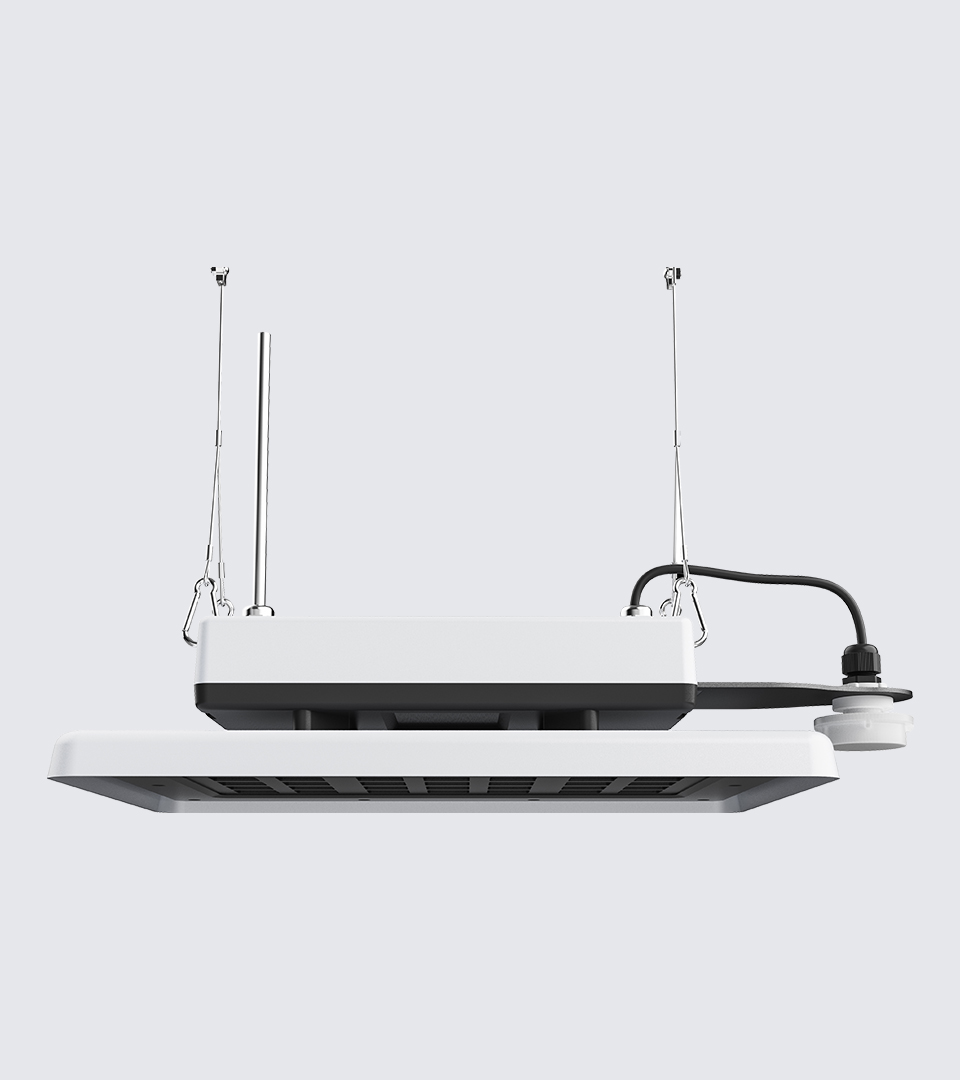 is frequently specified for such rooms because its uniform beam spread reduces glare on server racks and patch panels, making cable labeling and port identification faster and more accurate.
2. Recommended Data Center Placement: DMZ Segmentation and Network Flow
The most secure placement for JIM is in a demilitarized zone (DMZ), allowing it to act as a controlled intermediary between the Jamf Cloud and internal LDAP/Active Directory. This setup isolates external connections from the internal network, reducing attack surface.
- Inbound: Jamf Cloud ➜ JIM on ports 8389 (LDAP) or 8636 (LDAPS)
- Outbound: JIM ➜ LDAP servers on ports 389 (LDAP) or 636 (LDAPS)
From a facility design perspective, DMZ racks often share space with other edge services. This mixed environment needs high-efficiency lighting that won’t disrupt cooling airflow. The Quattro Triproof Batten 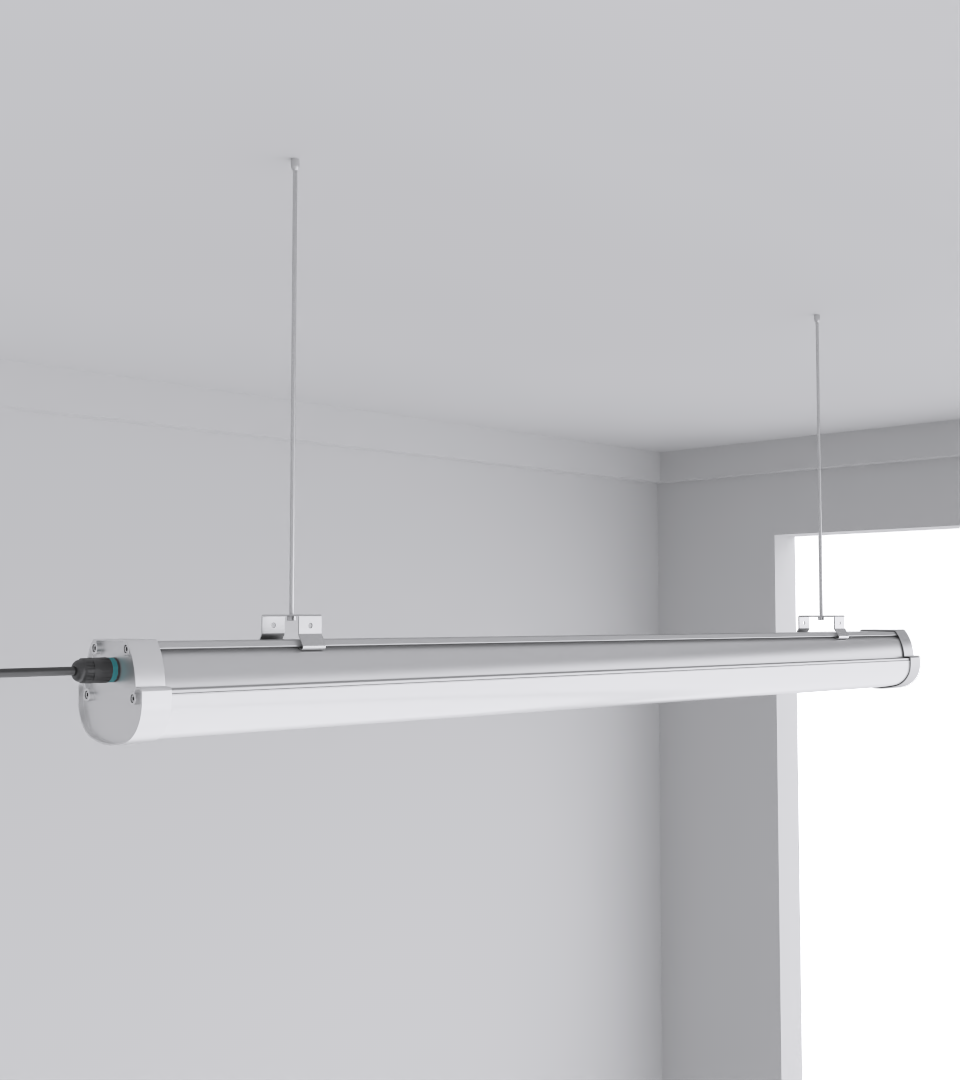 offers IP65 protection, making it ideal for areas where dust or moisture ingress is a concern, such as hybrid DC/warehouse facilities.
3. Port, NAT, and IP Allowlists
Jamf recommends the following network configurations for JIM:
| Direction | Port | Protocol |
|---|---|---|
| Inbound to JIM | 8389 / 8636 | LDAP / LDAPS |
| Outbound from JIM | 389 / 636 | LDAP / LDAPS |
NAT is often unavoidable in DMZ deployments. Ensure you whitelist Jamf Cloud’s source IP ranges for your region. Clear lighting in rack corridors helps during physical firewall maintenance—CAE’s SeamLine Batten  is ideal for narrow aisles due to its seamless illumination.
4. High Availability and Redundancy Patterns
Jamf supports multiple JIM instances, which can be used to achieve high availability (HA) and fault tolerance. In practice, two JIM servers can be deployed in separate racks or even separate data halls, with DNS-based failover. While HA at the network/application layer is critical, environmental redundancy is equally important—emergency lighting in JIM zones ensures safe intervention during outages. Products like the Budget High Bay Light 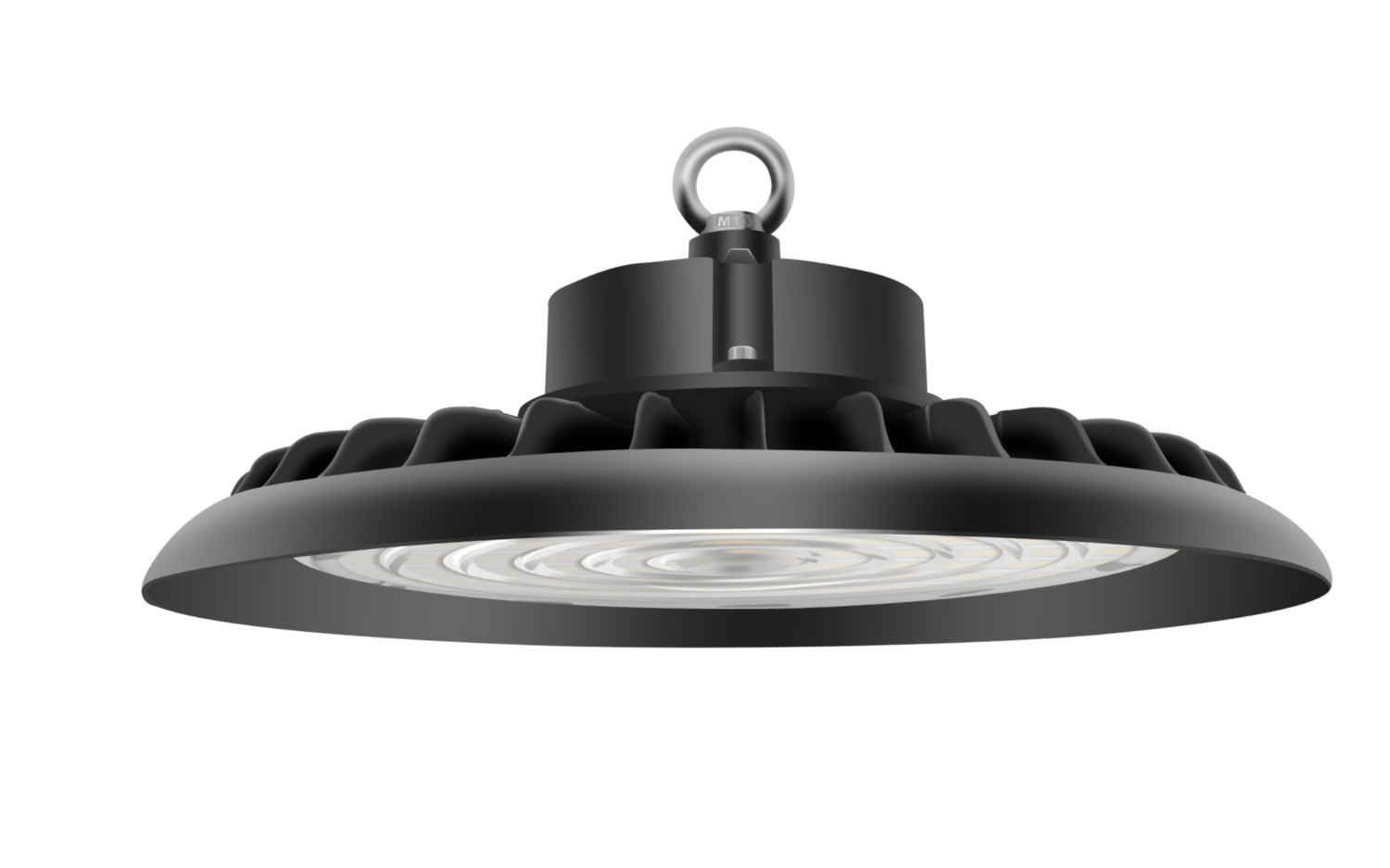 provide broad coverage for large equipment rooms.
5. Hardening the JIM Host
Securing JIM involves OS-level hardening, service account restrictions, and strict patch management. Key steps:
- Apply CIS baseline settings for your chosen OS.
- Disable unused services and ports.
- Enforce time synchronization and enable endpoint protection.
- Rotate JIM service account credentials regularly.
Maintenance work, like patching or replacing a failing PSU, benefits from glare-free task lighting—again, low-UGR fixtures like Squarebeam Elite help reduce visual fatigue for engineers.
6. Lighting as a Part of Operational Reliability
While JIM is primarily a software network bridge, its availability depends on predictable, safe, and comfortable working conditions for engineers. Data center lighting design should prioritize:
- Uniform illumination across rack faces.
- Color temperatures between 4000K–5000K for visual clarity.
- Redundant lighting circuits for critical zones.
CAE Lighting’s expertise in data center lighting solutions ensures your physical environment supports uninterrupted IT service delivery.
7. Testing and Validation Before Go-Live
Validation ensures both network flow and physical readiness:
- Verify DNS resolution for JIM’s external hostname.
- Test TCP connectivity on required ports.
- Conduct LDAP/LDAPS bind tests.
- Check that lighting circuits and emergency fixtures are operational in JIM access areas.
8. Ongoing Operations: Monitoring, Auditing, and Maintenance
Monitor JIM’s logs, LDAP response times, and certificate expiry dates. For physical infrastructure, schedule periodic lighting inspections and replace dimming fixtures proactively. Lighting issues in a data center can be as disruptive to maintenance tasks as network outages are to operations.
FAQ
- Q: Where should JIM be placed in a data center?
A: In a DMZ with strict firewall rules, physically accessible under secure, well-lit conditions. - Q: What lighting is best for server rooms housing JIM?
A: Low-glare, uniform LED fixtures like Squarebeam Elite or SeamLine Batten for clear visibility without eye strain. - Q: Can lighting affect operational reliability?
A: Yes, poor lighting can slow maintenance work, increase mistakes, and reduce safety during emergencies. - Q: What are the default ports for JIM?
A: 8389/8636 inbound to JIM, 389/636 outbound to LDAP.