
Global Data Center Power Consumption 2025: Regional Usage Patterns, AI Impact, and Proven Efficiency Methods
- Understanding Global Data Center Power Consumption
- Measuring Power Use in Data Centers
- Regional Breakdown: North America
- Regional Breakdown: Europe
- Regional Breakdown: Asia-Pacific
- AI and High-Performance Computing Impact
- Efficiency Strategies and Lighting’s Role
- Future Outlook and Policy Implications
- Frequently Asked Questions
Key Takeaways
| Feature or Topic | Summary |
|---|---|
| Global Energy Use | ~415 TWh in 2024, projected to hit 945 TWh by 2030 (3–4% of global demand). |
| AI Impact | AI workloads significantly increase power draw due to GPU cluster demand. |
| Efficiency Metrics | Average PUE ~1.57; advanced cooling and lighting upgrades help reduce consumption. |
| Regional Leaders | North America, Europe, and Asia-Pacific lead; MEA and LATAM are emerging. |
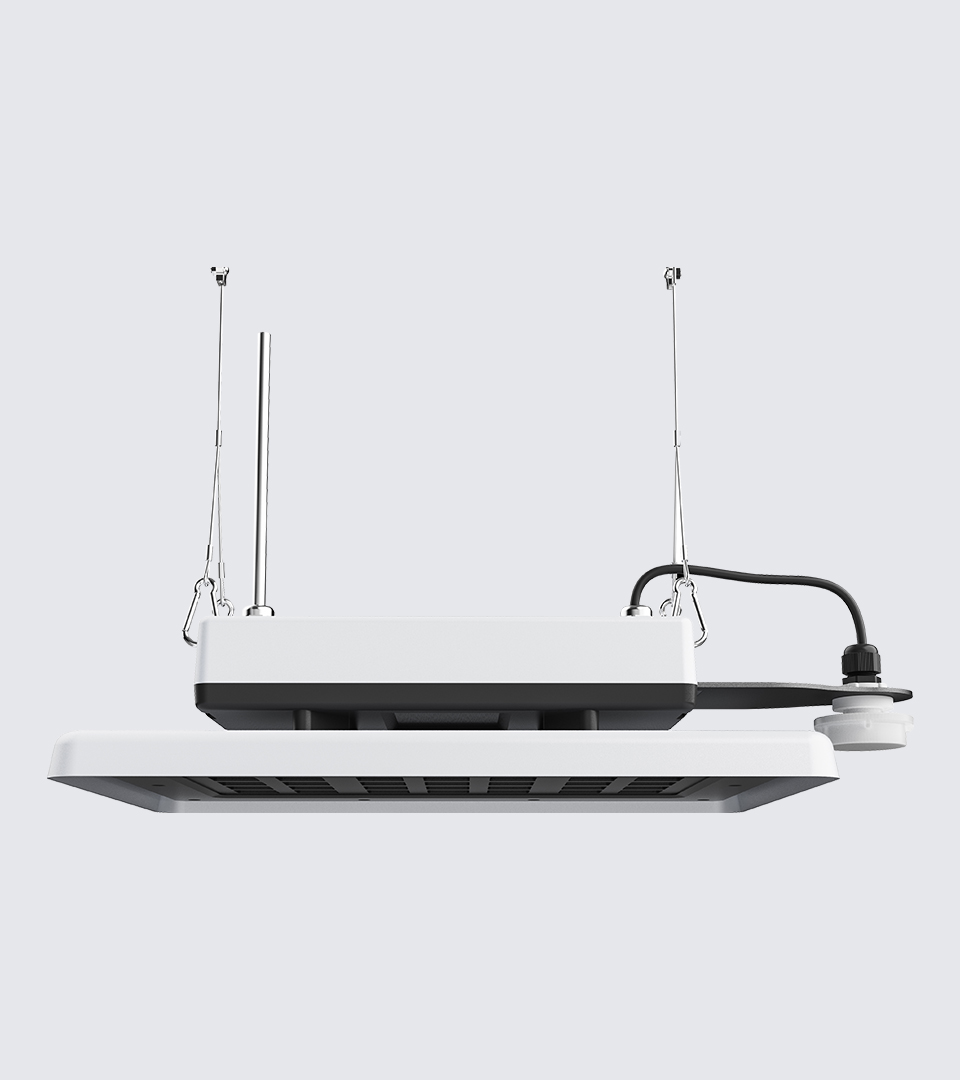
| Efficiency Strategies | Upgrading to high-efficiency lighting such as Squarebeam Elite reduces OPEX and emissions. |
Understanding Global Data Center Power Consumption
By 2025, data centers account for approximately 3–4% of total global electricity consumption. According to the IEA, demand rose from around 415 TWh in 2024 and is on track to reach 945 TWh by 2030. The primary drivers include hyperscale cloud expansion, AI workloads, and rapid digital infrastructure deployment.
Measuring Power Use in Data Centers
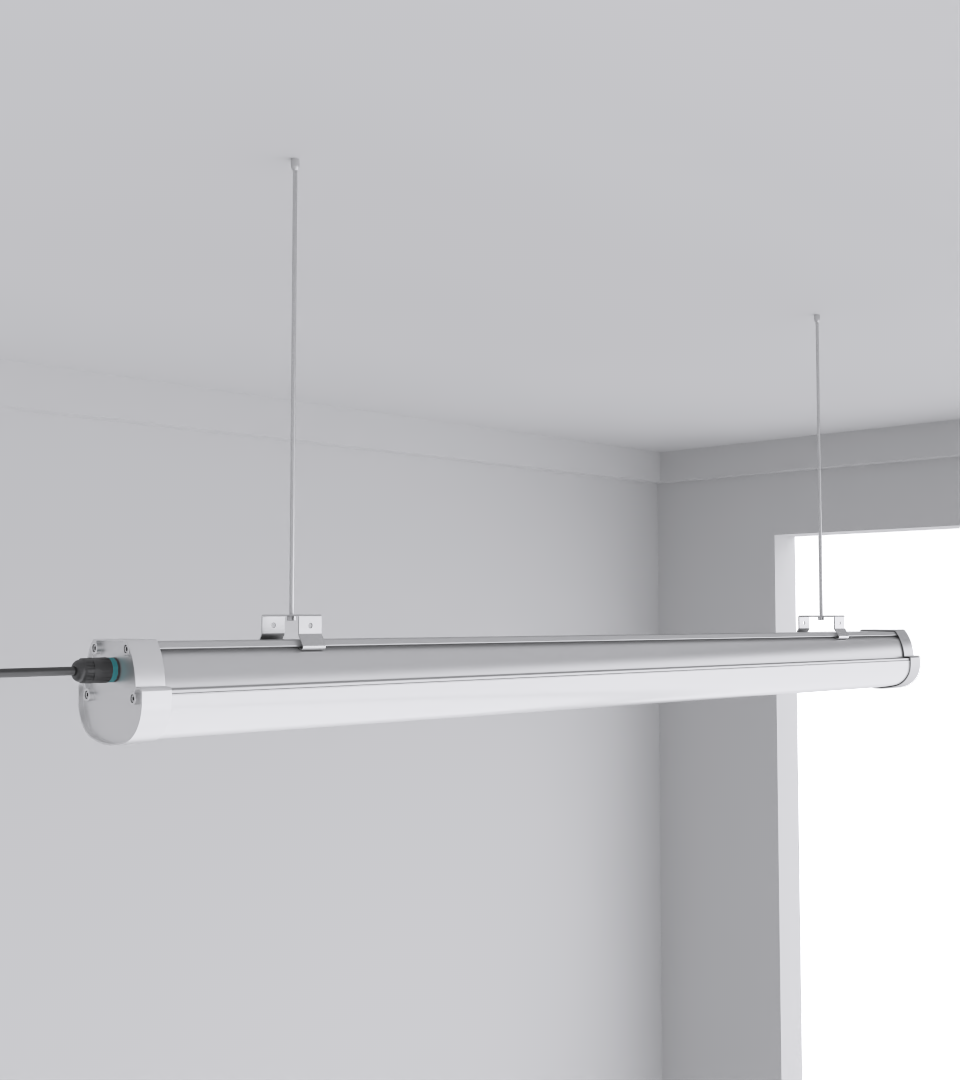
Accurately tracking energy use requires understanding key metrics such as Power Usage Effectiveness (PUE), Data Center Infrastructure Efficiency (DCiE), and total megawatt capacity. While the industry average PUE sits at around 1.57, leaders are achieving <1.2 through advanced cooling, optimized layouts, and efficient fixtures like the Quattro Triproof Batten.
Regional Breakdown: North America
North America leads global consumption, with the United States alone using between 70–90 TWh annually. Federal energy efficiency programs and tax incentives encourage upgrades in lighting and cooling.

Regional Breakdown: Europe
Europe’s consumption is concentrated in Ireland, Germany, and the Netherlands. The EU Energy Efficiency Directive mandates operators with facilities over 500 kW to report energy data annually. This regulatory environment is pushing investment in low-PUE designs and renewable energy sourcing.
Regional Breakdown: Asia-Pacific
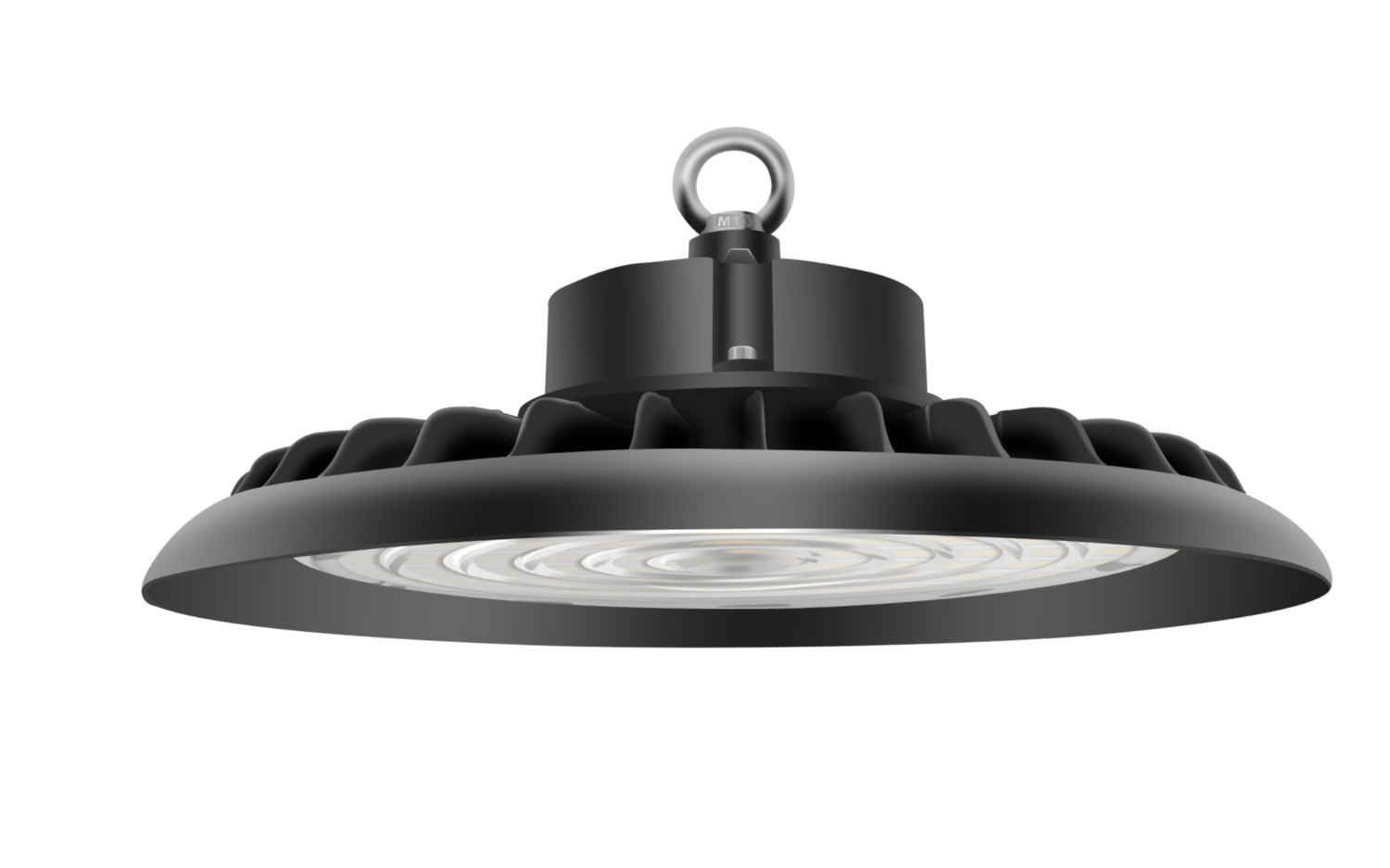
Asia-Pacific is the fastest-growing region, driven by hyperscale projects in China, Singapore’s green initiatives, and Japan’s government-backed efficiency programs. In Southeast Asia, lighting upgrades to IP65-rated fixtures have been prioritized due to high humidity and temperature variation.
AI and High-Performance Computing Impact
AI training clusters consume 3–5 times more power than traditional workloads, primarily due to GPU density. Facilities are responding by improving rack-level cooling, optimizing airflow, and reducing non-IT energy draw through advanced lighting systems.
Efficiency Strategies and Lighting’s Role
Lighting accounts for up to 5% of a data center’s energy use, but efficient upgrades can contribute significantly to reduced PUE. Key strategies include replacing fluorescent tubes with low-UGR LED fixtures, integrating daylight and occupancy sensors, and optimizing fixture placement for uniform lux distribution.
Future Outlook and Policy Implications
By 2030, the combined impact of AI, cloud, and edge computing will likely double data center electricity use unless aggressive efficiency measures are implemented. Policymakers are expected to tighten reporting and energy caps, while operators will lean on renewable PPAs and on-site generation.

Frequently Asked Questions
- Q: How much electricity will data centers use globally by 2030?
A: Around 945 TWh, nearly double 2024 levels. - Q: What’s the role of lighting in reducing PUE?
A: Efficient LED systems help reduce non-IT energy use and lower overall PUE. - Q: Which region is growing fastest in demand?
A: Asia-Pacific, due to hyperscale expansion. - Q: How does AI affect energy use?
A: AI workloads consume significantly more power due to high GPU density and cooling needs.
Schlüsselmethoden zur Reduzierung der Umweltauswirkungen von Rechenzentren – IPv6 Conference
August 19, 2025 @ 7:49 pm
[…] verbrauchen Rechenzentren schätzungsweise drei bis vier Prozent des weltweiten Stroms – ein Wert, der ernsthafte Fragen zur Nachhaltigkeit und zu den […]