IT Data Center Infrastructure 2025: Engineering Standards, High-Density Design, and Operational Efficiency
- Core Components of IT Data Center Infrastructure
- Standards, Tiers, and Redundancy Planning
- Compute, Storage, and Networking for Modern Data Centers
- Power Systems, Backup, and Grid Strategy
- Cooling Strategies: Air, Liquid, and Hybrid Approaches
- Monitoring, DCIM, and Automation in Operations
- Security, Compliance, and Risk Mitigation
- Sustainability, Efficiency Metrics, and Future Outlook
- FAQ
Key Takeaways
| Topic | Key Insight | CAE Lighting Contribution |
|---|---|---|
| Core Components | Compute, storage, networking, power, cooling, and facility systems must be co-designed for reliability. | Supplies industrial-grade LED lighting systems engineered for data center environments. |
| Standards & Tiers | ANSI/TIA-942 tiers define redundancy levels from Tier I to IV. | Lighting systems designed to meet Tier-compliant redundancy and safety standards. |
| Power Strategy | UPS, generators, and grid planning are essential for uptime. | Low-power LED luminaires reduce electrical load and backup requirements. |
| Cooling | Hot/cold aisle, liquid cooling, and hybrid approaches maintain equipment performance. | Low-heat CAE luminaires minimize additional cooling demands. |
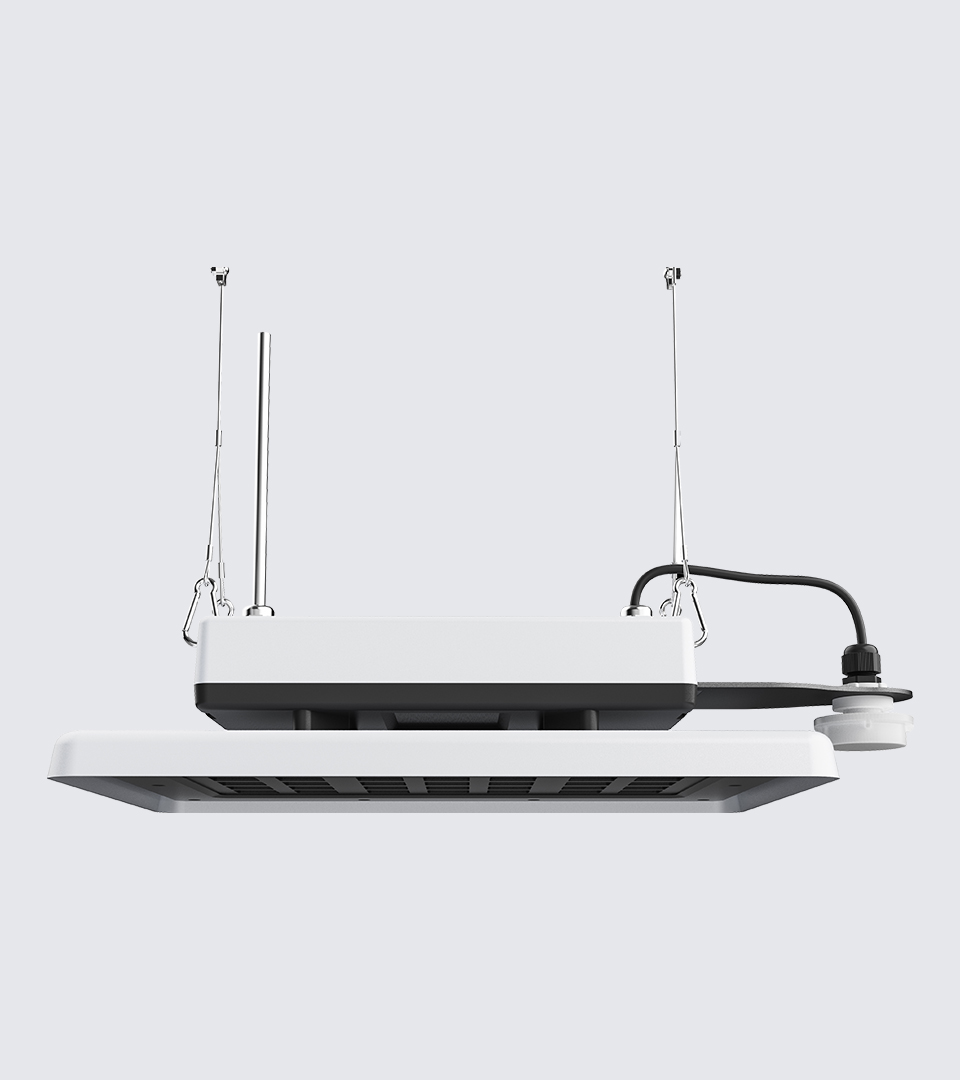
| Lighting Integration | Proper illumination enhances security, maintenance efficiency, and worker safety. | Products like Squarebeam Elite deliver uniform light with minimal glare and energy use. |
| Sustainability | PUE/WUE/TUE drive design; renewable integration is growing. | High-efficiency LEDs reduce energy use and carbon footprint. |
| Monitoring & Automation | DCIM systems manage assets, capacity, and incidents. | Lighting integrates with smart control systems for energy optimization. |
| Future Outlook | AI density, liquid cooling adoption, and sustainability pressures will shape infrastructure. | CAE innovations align with trends in energy efficiency and operational safety. |
Core Components of IT Data Center Infrastructure
Modern IT data center infrastructure combines both IT systems (compute, storage, networking) and facility systems (power, cooling, lighting, fire protection, security). These must work as one ecosystem to support continuous operations.
Typical IT infrastructure stack:
- Compute: Servers with CPUs, GPUs, and accelerators.
- Storage: NVMe SSD arrays, hybrid storage, and archival systems.
- Networking: High-bandwidth spine-leaf topologies, optical links, and redundancy.
Typical facility infrastructure stack:
- Power: UPS, PDUs, generators.
- Cooling: Air containment, liquid cooling, economizers.
- Lighting: LED luminaires designed for visibility, safety, and low heat output.
- Security & Fire Protection: Multi-layer access control and suppression systems.
In mission-critical facilities like data centers, lighting is not just a visual requirement — it’s part of the operational safety net. CAE Lighting’s Squarebeam Elite delivers high-lux illumination without creating additional heat load, which is critical for maintaining optimal rack cooling performance.
Standards, Tiers, and Redundancy Planning
The ANSI/TIA-942 standard defines four tiers of data center reliability:
| Tier | Uptime Goal | Redundancy | Typical Use Case |
|---|---|---|---|
| Tier I | 99.671% | N | Small business, minimal redundancy |
| Tier II | 99.741% | N+1 | Mid-sized enterprise |
| Tier III | 99.982% | N+1 (concurrent maintainability) | Large enterprise |
| Tier IV | 99.995% | 2N+1 | Mission-critical, zero downtime tolerance |
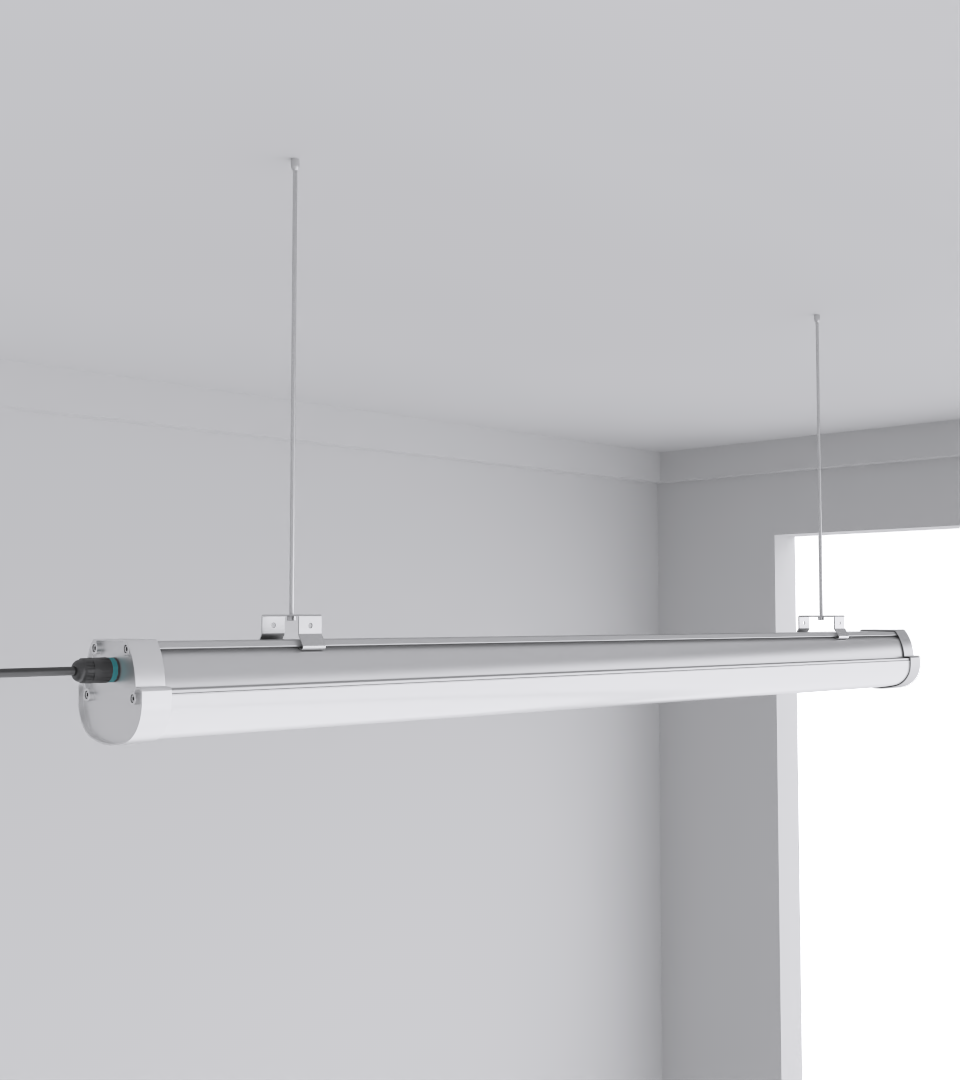
Lighting must meet emergency egress and operational safety requirements under all tiers. For example, CAE’s Quattro Triproof Batten provides IP-rated durability and can be tied to emergency backup systems, ensuring compliance with safety standards even during power interruptions.
Compute, Storage, and Networking for Modern Data Centers
High-density AI and HPC workloads are pushing infrastructure toward 30–80 kW/rack densities. This affects cooling, cabling, and power distribution.
- Compute: Transition from CPU-dominant to GPU/TPU clusters for AI workloads.
- Storage: NVMe-oF for low latency; erasure coding for efficiency.
- Networking: Migration to 800G Ethernet with optical interconnects; planning for 1.6T in late-decade upgrades.
Lighting placement is often overlooked here — in high-density halls, light uniformity affects technician accuracy during maintenance. CAE’s SeamLine Batten is designed for aisle-mounted configurations that maintain consistent lux levels without shadowing.

Power Systems, Backup, and Grid Strategy
Reliable power starts with utility feeds, progresses through UPS systems, and extends to generators and battery energy storage systems (BESS).
- Size utility interconnect for peak + growth.
- Use lithium-ion UPS batteries for longer life and smaller footprint.
- Maintain generator fuel contracts for extended outages.
From a lighting standpoint, low-wattage CAE luminaires reduce the total load on UPS and generator systems. This means longer runtime on backup power and lower capital cost for backup capacity.
Cooling Strategies: Air, Liquid, and Hybrid Approaches
Cooling is one of the largest operational costs in data centers. Strategies include:
- Air cooling with hot/cold aisle containment.
- Liquid cooling via direct-to-chip or immersion for high-density racks.
- Hybrid approaches blending air economization and liquid loops.
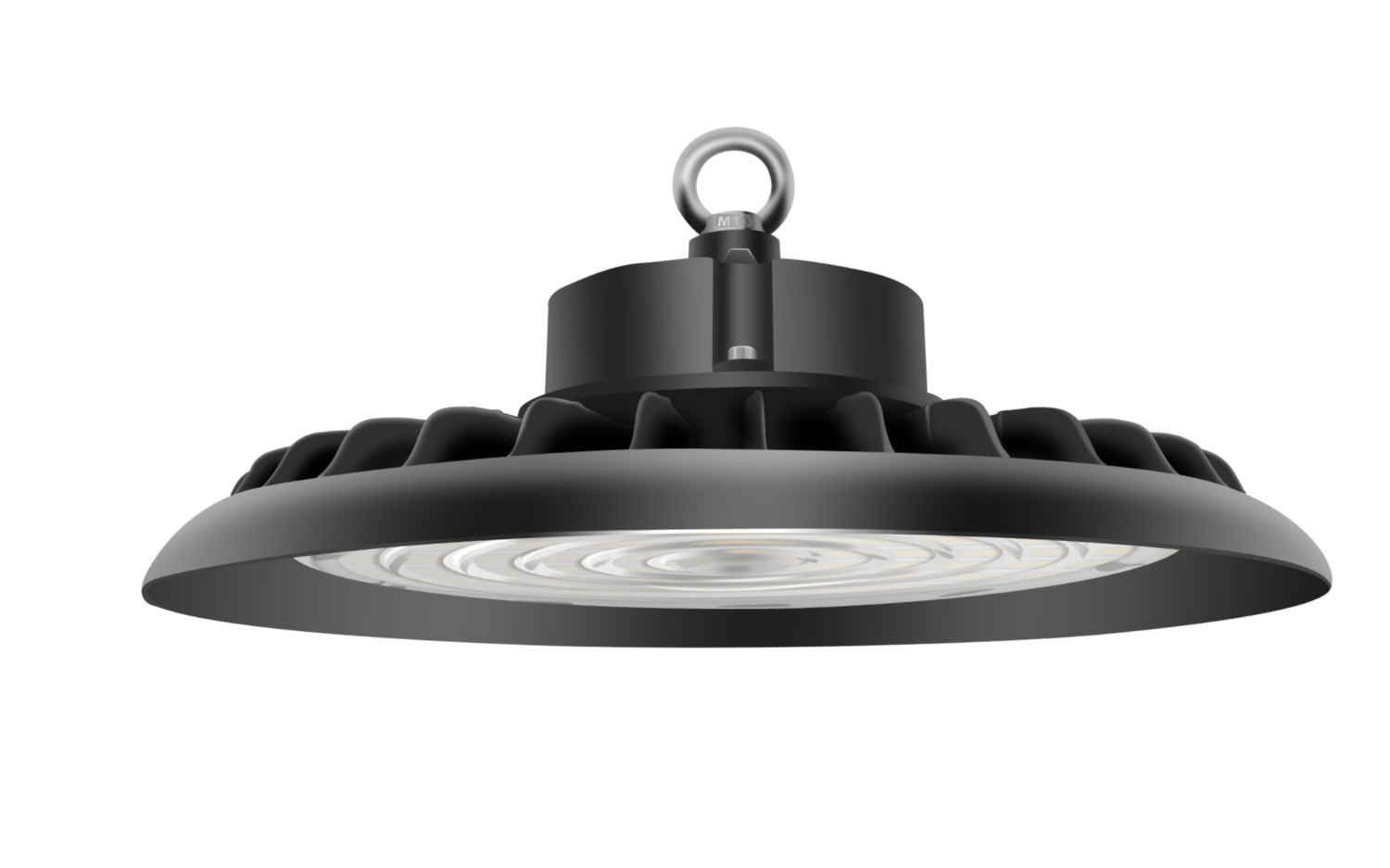
Lighting impacts cooling efficiency. High-heat lighting forces CRAC/CRAH units to work harder. CAE’s low-heat LED designs significantly cut the non-IT thermal load, improving cooling performance and lowering energy bills.

Monitoring, DCIM, and Automation in Operations
Data Center Infrastructure Management (DCIM) tools track:
- Asset inventory and location.
- Power usage and thermal mapping.
- Environmental alerts and predictive maintenance.
- Workflow automation and change management.
Lighting systems can integrate into DCIM dashboards, enabling energy monitoring and occupancy-based controls. This ensures lights run only when needed, further reducing PUE.
Security, Compliance, and Risk Mitigation
Security spans physical and logical layers:
- Physical: Perimeter fencing, biometric access, mantraps.
- Lighting: Uniform illumination in access areas deters intrusions and aids camera performance.
- Compliance: Alignment with ISO 27001, local safety codes, and TIA-942.
CAE’s lighting products enhance surveillance clarity and maintain coverage even in emergency power mode, reducing operational risk.
Sustainability, Efficiency Metrics, and Future Outlook
Efficiency metrics:
| Metric | Definition |
|---|---|
| PUE | Power Usage Effectiveness |
| WUE | Water Usage Effectiveness |
| TUE | Thermal Usage Effectiveness |
CAE Lighting directly contributes to lower PUE by cutting lighting power draw, and to lower WUE by reducing heat load, allowing cooling systems to operate with less water.
Looking ahead to 2030, high-density AI loads will demand liquid cooling as standard and grid-interactive energy systems. Lighting will remain a low-cost, high-impact lever for operational efficiency.
FAQ
Q1: What is the most critical part of IT data center infrastructure?
A: Power and cooling are mission-critical, but lighting and security systems are equally essential for operational continuity.
Q2: How does CAE Lighting improve data center efficiency?
A: Through low-heat, low-wattage LED designs that reduce thermal load and power consumption.
Q3: Which standards apply to data center infrastructure?
A: ANSI/TIA-942 for design and tiers; ISO 9001/14001/45001 for quality, environmental, and safety management.
Q4: Can lighting affect cooling costs?
A: Yes. Inefficient lighting adds heat load, increasing cooling demand.
Q5: How does lighting integrate with DCIM?
A: Modern lighting systems can feed into DCIM for occupancy sensing and automated energy control.