
Data Center Critical Infrastructure: Power, Cooling, and Security Standards for 2025 Operations
- Defining Critical Infrastructure in Data Centers
- Redundancy Models: N, N+1, 2N, and 2N+1
- Power Path Design: From Grid to Rack
- Cooling and Thermal Management
- Network Fabric and Security
- Fire and Life Safety
- Monitoring, Metrics, and Compliance
- Practical Lessons and Future Outlook
- Frequently Asked Questions (FAQ)
Key Takeaways
| Feature or Topic | Summary |
|---|---|
| Definition | Critical infrastructure in data centers covers power, cooling, network, fire/life safety, and physical/OT security systems. |
| Standards | Uptime Institute Tiers and TIA-942-C form the backbone of design and audit frameworks. |
| Redundancy | N, N+1, 2N, and 2N+1 redundancy choices impact downtime risk and OpEx/CapEx trade-offs. |
| Cooling | ASHRAE Thermal Guidelines and liquid cooling adoption guide temperature control in high-density AI loads. |
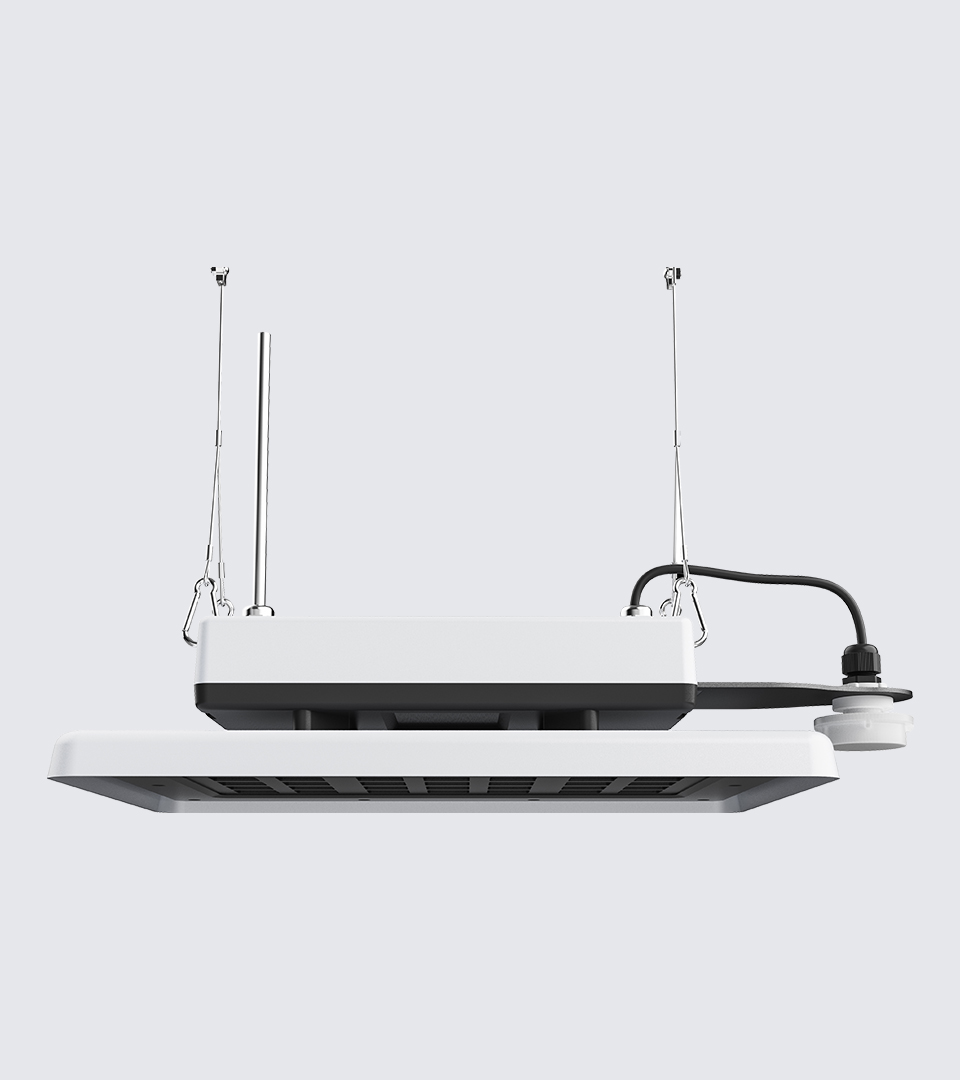
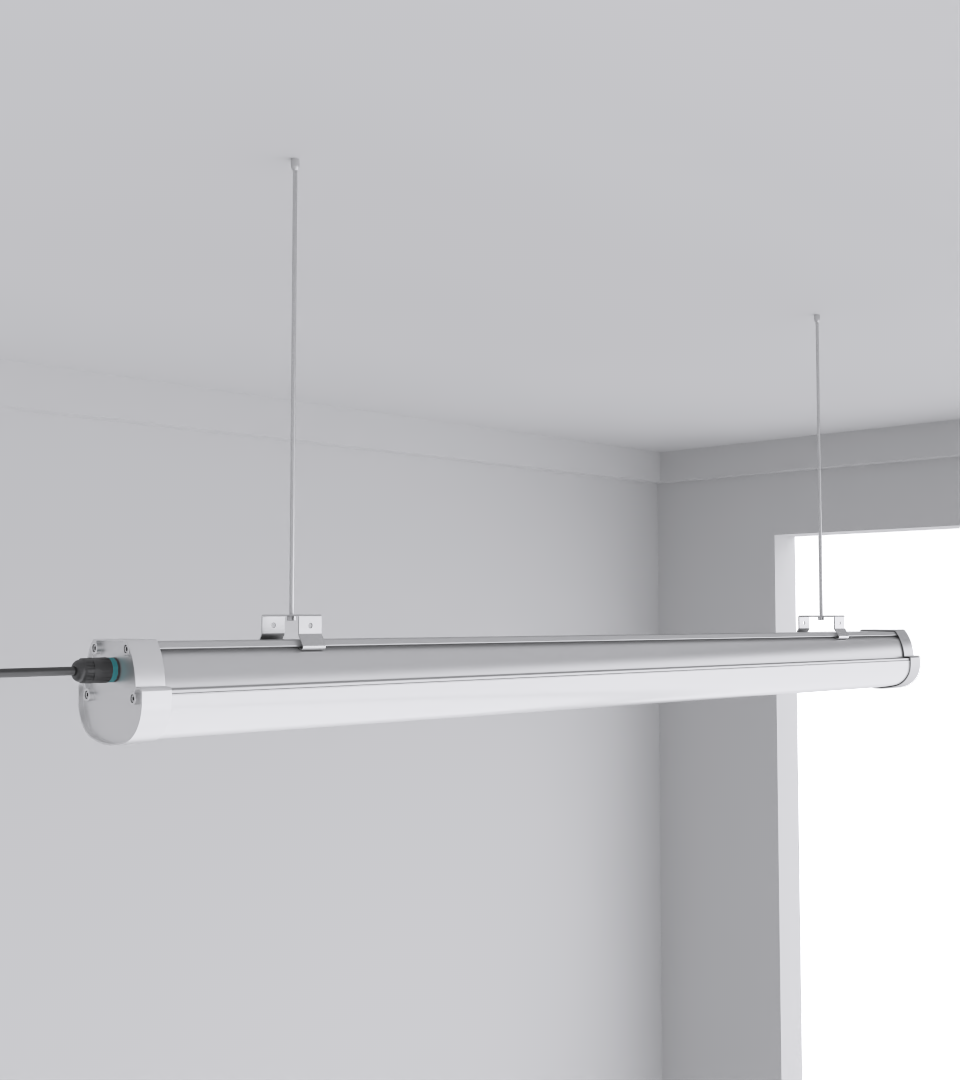
| Lighting | CAE Lighting provides specialized LED products such as Squarebeam Elite and Quattro Triproof Batten for efficiency and safety in mission-critical spaces. |
| KPIs | Metrics like PUE, WUE, and availability benchmarks are used to validate performance and compliance. |
1. Defining Critical Infrastructure in Data Centers
Data centers are more than just racks of servers — their critical infrastructure forms the invisible backbone that ensures uptime, reliability, and operational safety. At its core, this infrastructure includes:
- Power systems: Utility intake, generators, UPS, and distribution lines feeding racks.
- Cooling systems: CRAC/CRAH, containment, and increasingly liquid-based solutions.
- Networking: Carrier connections, fabric designs, and MMR diversity.
- Fire/life safety: Detection, suppression, and compliance with NFPA 75.
- Physical & OT security: From perimeter defenses to Building Management Systems (BMS).
Without these layers functioning together, IT loads would fail, even with perfectly configured servers. Uptime Institute Tiers and TIA-942-C provide the frameworks that most operators rely on to design and audit these systems.
2. Redundancy Models: N, N+1, 2N, and 2N+1
One of the first design questions is redundancy. In real-world projects, the choice comes down to balancing budget with downtime risk:
| Model | Description | Use Case |
| N | Just enough capacity, no backup. | Low-cost facilities, tolerant of outages. |
| N+1 | One backup unit for each system. | Enterprise environments with moderate SLA. |
| 2N | Complete duplicate systems. | Tier IV colocation and hyperscale data centers. |
| 2N+1 | Dual redundancy plus an extra unit. | Mission-critical workloads like trading platforms. |
Many operators underestimate how redundancy interacts with maintenance planning. For example, a 2N+1 UPS configuration allows a full module replacement without dropping any load — a lesson learned during a retrofit project in Johor where downtime tolerance was zero.

3. Power Path Design: From Grid to Rack
Power distribution is the lifeblood of critical infrastructure. A failure in any stage — utility intake, switchgear, UPS, PDU, or branch — cascades quickly. Best practice layers include:
- UPS Topologies: Double-conversion systems dominate, but lithium-ion and flywheel UPS are gaining traction.
- Generators: With 2025 lead times stretching past 80 weeks, operators secure framework purchase orders in advance.
- Arc-flash mitigation: Zone-selective interlocking reduces incident energy, protecting staff during switching.
One overlooked aspect is harmonics. In one project, poor filtering caused transformer overheating that nearly shut down an entire data hall. K-rated transformers or active filters solve this long-term.
4. Cooling and Thermal Management
Cooling is shifting fast in the AI era. Traditional CRAC/CRAH setups are supplemented by advanced containment and liquid solutions. ASHRAE’s Thermal Guidelines define safe envelopes:
- Recommended: 18–27°C at 40–60% RH.
- Allowable: 15–32°C at 20–80% RH.
For racks exceeding 30 kW, rear-door heat exchangers or direct-to-chip liquid cooling become essential. In Malaysia, we retrofitted immersion cooling for a blockchain facility that halved fan energy and stabilized PUE below 1.3.
5. Network Fabric and Security
Network availability is just as critical as power. Designs typically use leaf-spine architectures with diverse meet-me rooms (MMRs). Resiliency comes from multiple carriers and path diversity.
On the security side, IEC-62443 principles are applied to OT environments, segmenting BMS, DCIM, and SCADA networks. I once encountered a breach attempt where HVAC controllers were the entry point — a reminder that OT firewalls are as important as perimeter biometrics.

6. Fire and Life Safety
Fire suppression strategies are mandated under NFPA 75. Key design choices include:
- Aspirating smoke detection for early warning.
- Pre-action sprinklers in white space to avoid accidental discharge.
- Clean agents like FM-200 or Novec 1230 in mission-critical rooms.
Operators must also conduct room integrity tests to ensure suppression gases hold long enough to extinguish fires. In one audit, we found that leaky cable penetrations invalidated an entire suppression system.
7. Monitoring, Metrics, and Compliance
Operational teams rely on BMS, DCIM, and EMS systems. Integration reduces alarm fatigue and provides real-time KPI dashboards. Key metrics include:
- PUE (Power Usage Effectiveness): Ratio of total facility energy to IT load, benchmarked by The Green Grid.
- WUE (Water Usage Effectiveness): Water consumption normalized to IT load.
- Availability (%): Targeted per SLA and Tier classification.
CAE Lighting contributes by providing data center LED lighting that integrates with monitoring for energy reporting, tying into sustainability metrics.
8. Practical Lessons and Future Outlook
The most important lesson from two decades in this industry: critical infrastructure is not static. Grid constraints, AI-driven loads, and supply-chain risks reshape the equation constantly. Best practices include:
- Secure long-lead equipment like generators early.
- Adopt liquid cooling in sites with >30 kW/rack density.
- Audit physical and OT security annually.
- Document compliance with best practices and Tier targets.
CAE Lighting’s portfolio — including the Squarebeam Elite, Quattro Triproof Batten, and SeamLine Batten — supports operators who need reliable, efficient lighting in these evolving environments.
Frequently Asked Questions (FAQ)
- What is considered critical infrastructure in a data center?
Power, cooling, network, fire/life safety, and security systems that protect IT loads. - Which standards define data center infrastructure?
Uptime Institute Tiers and TIA-942-C provide the most widely recognized frameworks. - When should a facility adopt liquid cooling?
Typically when rack density exceeds 30 kW or hot spots cannot be controlled by air-based cooling. - What lighting is best for data centers?
Industrial-grade LED luminaires like Squarebeam Elite and Quattro Triproof Batten are optimal due to efficiency and low maintenance. - How is compliance verified?
Through commissioning, integrated systems testing, and audits aligned to standards such as TIA-942-C and ASHRAE 90.4.