Data Center Network Automation: Integrating Intelligent Lighting, Compliance, and Energy Efficiency
–
Key Takeaways
| Feature or Topic | Summary |
|---|---|
| Integration Benefits | Energy savings, streamlined operations, enhanced monitoring, and predictive maintenance. |
| Key Protocols | BACnet, Modbus, SNMP ensure interoperability. |
| Implementation Strategies | Assess existing infrastructure, select compatible systems, phased deployment recommended. |
| Operational Advantages | Reduced downtime, improved safety, occupant comfort, and significant sustainability contributions. |
Understanding Intelligent Lighting Controls
Intelligent lighting controls in data centers include motion sensors, circadian lighting, and network-connected dimming systems. These tools ensure lighting is responsive to occupancy and operational schedules, saving energy while maintaining compliance with emergency egress codes.

Overview of DCIM Software
Data Center Infrastructure Management (DCIM) platforms oversee cooling, power, and now intelligent lighting. Linking lighting systems into DCIM enables unified reporting, giving operators visibility into both IT and facility metrics under one pane of glass.
The Need for Integration
Lighting automation, when integrated with network automation, creates a holistic approach to energy efficiency. Instead of siloed systems, both network switches and luminaires feed into the same dashboards, ensuring compliance logs and performance monitoring are consistent.
Technical Aspects of Integration
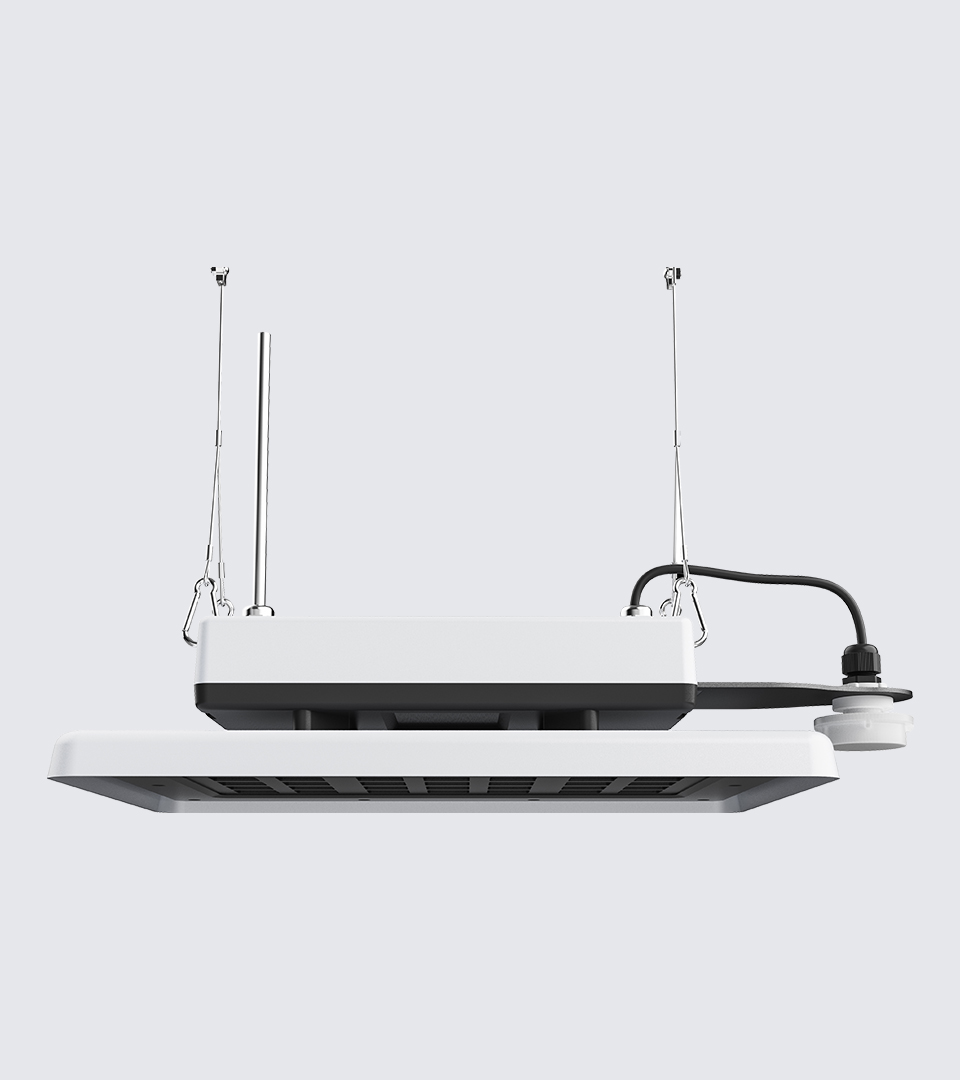
Protocols such as BACnet, Modbus, and SNMP make lighting automation interoperable with IT systems. CAE products like the Budget High Bay Light integrate with motion sensors and monitoring software, providing data streams usable in compliance audits.
Implementation Strategies
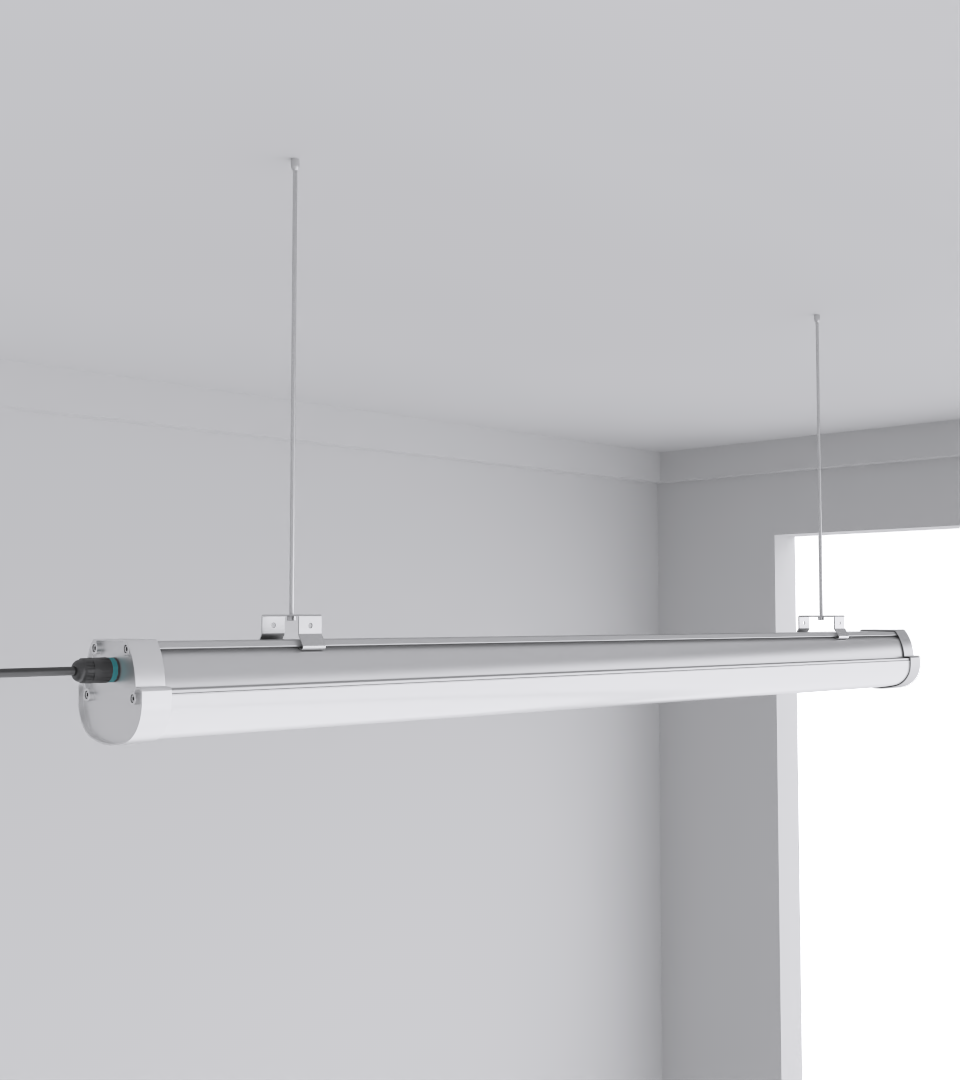
Begin integration with low-risk areas like aisle lighting schedules. Phased rollouts allow testing of APIs and sensor feedback loops before scaling across an entire data hall. In practice, CAE’s SeamLine Batten has been deployed in phased upgrades across supermarket and data center projects in Southeast Asia.
Energy Efficiency and Sustainability
Lighting accounts for measurable energy consumption in data centers. Automating these systems reduces idle loads, contributing to Power Usage Effectiveness (PUE) goals. For example, the Squarebeam Elite operates efficiently in high-heat aisles while minimizing wasted power.
Operational Benefits
Integrating lighting with network automation delivers several advantages:
- Reduced downtime from predictive alerts
- Improved worker safety with automated emergency lighting checks
- Audit-ready compliance logs for ISO and OSHA
Challenges and Solutions
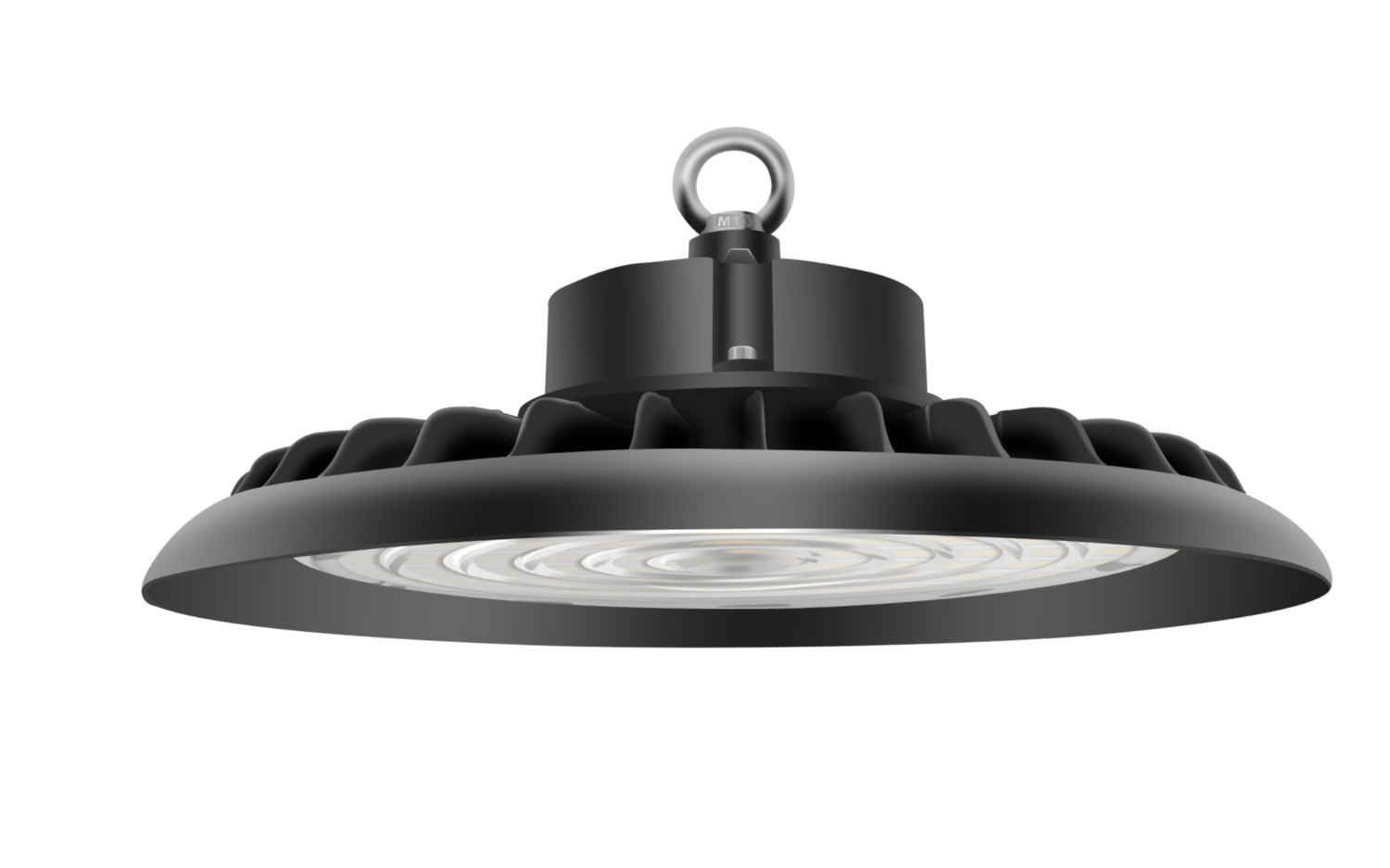
Common challenges include legacy infrastructure and protocol mismatches. Solutions range from middleware integration to hardware refreshes. In one project, CAE’s Budget High Bay fixtures were retrofitted with smart sensors to avoid full replacements while still integrating with DCIM dashboards.
Future Trends
Data center automation is moving toward self-healing systems. Lighting will contribute by adjusting output dynamically to workload and occupancy, logged automatically for compliance. Smart fixtures like CAE’s SeamLine Batten and Squarebeam Elite will remain central to this evolution.
Frequently Asked Questions (FAQ)
Q1: Why is lighting automation important in data centers?
It reduces energy consumption, improves safety, and simplifies compliance reporting.
Q2: What protocols support integration?
BACnet, Modbus, and SNMP ensure interoperability between devices.
Q3: How does integration contribute to sustainability?
Automated controls reduce unnecessary lighting use, cutting emissions and supporting ISO 14001 goals.
Q4: Can legacy systems be integrated?
Yes, often with middleware solutions or gradual upgrades to compatible hardware.