Data Center Cloud Infrastructure: The Complete Technical Guide to Lighting, Energy Efficiency, and Reliability
- Data center cloud infrastructure in data centers: what it means on the floor
- Power, cooling, and lighting alignment for AI-dense cloud infrastructure in data centers
- Rack-aisle lighting design for hybrid cloud: spacing, lux, and glare controls
- Controls and sensors: making cloud facilities responsive without surprise darkness
- Emergency and egress: cloud uptime depends on what people can actually see
- Specs and compliance mapping: TIA-942 areas, QA certifications, and practical documentation
- Cost, energy, and ROI: lighting as a controllable lever in cloud builds
- Deployment playbook: from pilot to standard across multiple data centers
Key Takeaways
| Question | Short Answer | Where to Read More |
|---|---|---|
| What does “data center cloud infrastructure in data centers” actually cover? | Physical layers (power, cooling, lighting), fabric networking, orchestration, and uptime controls. | Data center lighting guide |
| Why talk about lighting in cloud infrastructure? | It affects visibility, safety, maintenance speed, and thermal management. | SquareBeam Elite |
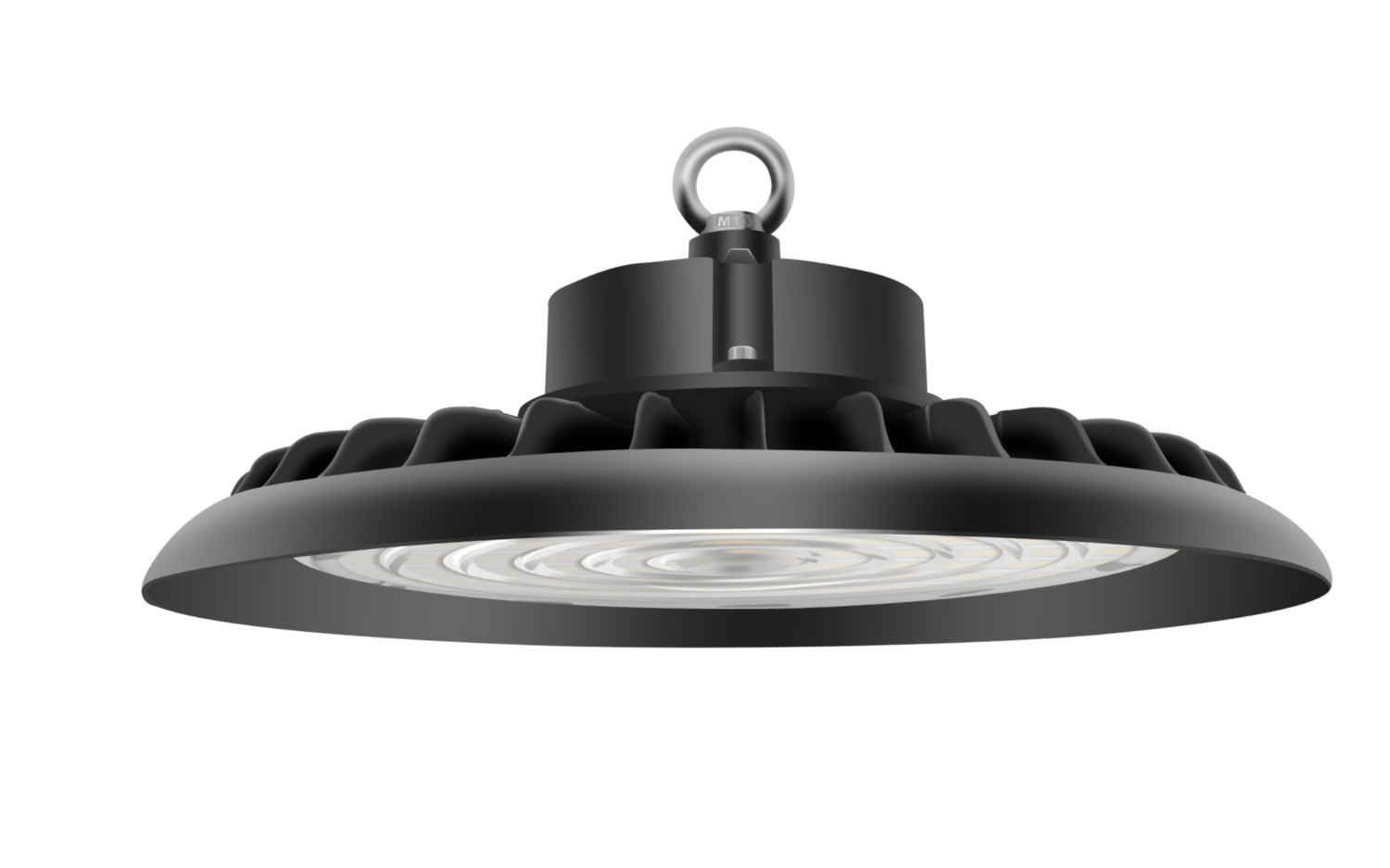
| What fixtures suit data halls vs. corridors vs. loading bays? | High uniformity linear for halls; triproof for corridors; high bays for docks. | Quattro Triproof Batten • Budget High Bay Light |
| How do controls fit with cloud ops? | Sensors tie into BMS/EMS; reduce idle load and guide egress during incidents. | Emergency lighting in data centers |
| What compliance should I map? | TIA-942, ISO 9001/14001/45001, OSHA/local equivalents. | Ultimate best-practice guide |
| Who is CAE Lighting? | Industrial LED manufacturer based in Guangdong with Malaysia presence. | CAE Lighting • Contact the team |
1) Data center cloud infrastructure in data centers: what it means on the floor
Cloud workloads don’t float. They sit in racks, fed by power, cooled by air or liquid, and supported by sight-line clear, low-glare light so technicians can work fast and safe. In practice, data center cloud infrastructure spans: spine-leaf networks; storage fabrics (NVMe-oF); orchestration (Kubernetes, Terraform); facility systems (UPS, cooling, lighting); and safety (egress, emergency). For day-to-day reliability, lighting is usually ignored until a hot aisle incident or a midnight swap proves how visibility controls downtime.
2) Power, cooling, and lighting alignment for AI-dense cloud infrastructure in data centers
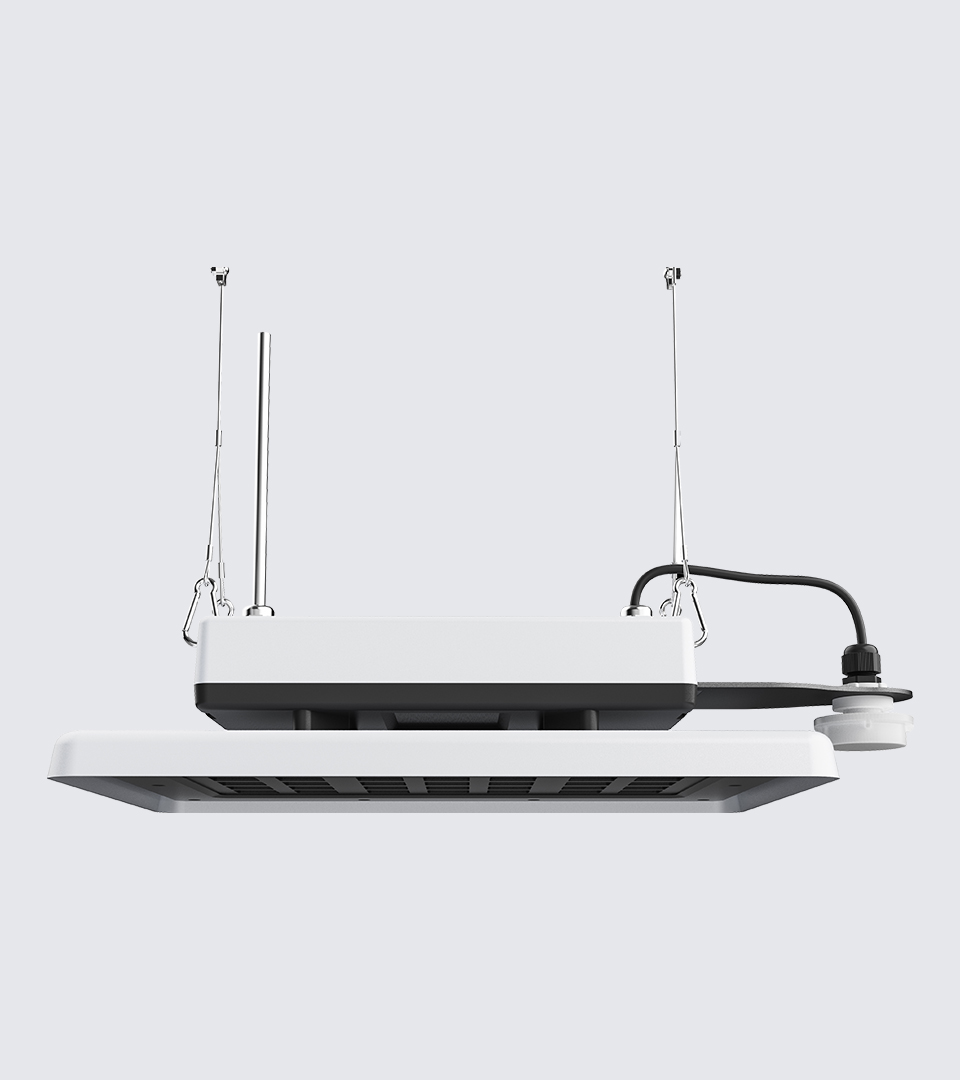
AI racks pull 30–60kW each, demanding hot/cold aisle discipline and liquid cooling. Power and cooling always get designed in. Lighting should too. Why? Because glare in mirrored cold-aisle doors, blocked fixtures above liquid manifolds, and heat load from legacy lamps all clash with cooling efficiency. LED linear battens reduce stray heat and deliver uniform vertical illuminance along rack faces. Integration with power monitoring means no “forgotten” zones left burning when idle.

3) Rack-aisle lighting design for hybrid cloud: spacing, lux, and glare controls
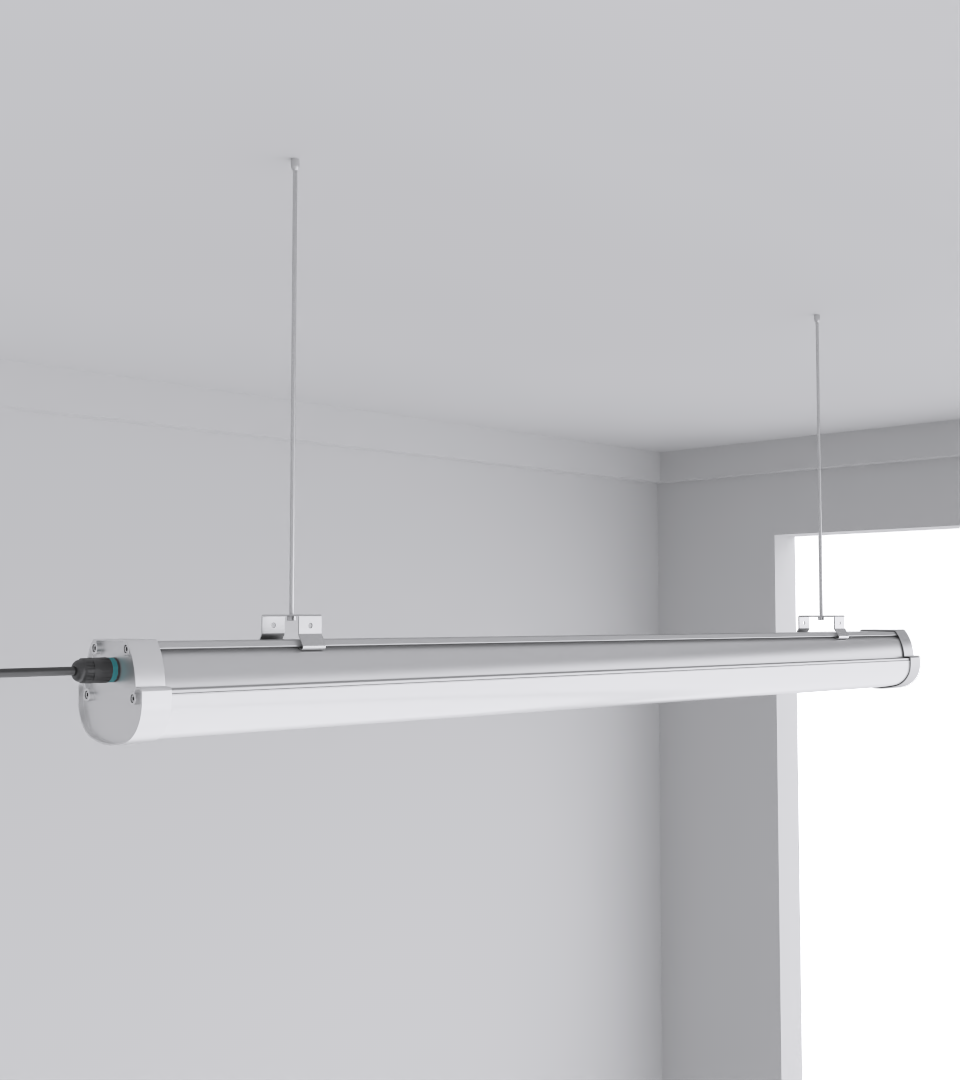
Standards (like EN 12464 or local OSHA) specify 300–500 lux for technical rooms. In data halls, 500 lux at floor is less relevant than 300+ lux vertical on rack fronts. Uniformity matters: U0.6 or higher avoids technician eye strain. Anti-glare diffusers and lens optics stop hot spots on server doors. Spacing? Linear luminaires every 2–2.5m along aisles, offset to avoid fan trays. Hybrid cloud edge rooms with lower ceiling heights need triproof IP65 fixtures, sealed against dust and drips.
4) Controls and sensors: making cloud facilities responsive without surprise darkness
Unlike an office, a data hall can’t go dark if motion sensors “think” it’s empty during a maintenance window. That means smarter controls: dual-tech occupancy sensors, manual override, and tie-ins with the BMS (building management system). Tunable brightness lets you dim to 20% idle, jump to 100% on entry. Integration with access control means badge-swipe events trigger full illumination, eliminating “surprise darkness.” Predictive control algorithms tie lighting into cooling demand for whole-system optimization.
5) Emergency and egress: cloud uptime depends on what people can actually see
Power-off is rare, but fire or flood can kill UPS and genset output. Emergency lighting is what keeps staff moving safely out — and in many regulations, is mandatory in mission-critical facilities. Self-test LED battens with inbuilt battery packs provide 90–180 minutes of light. Directional egress indicators must stay clear of cable trays and visible from every 30m. In high smoke-risk areas, consider low-mounted guiding luminaires at 1m height. Uptime is not just server survival — it’s personnel safety.
6) Specs and compliance mapping: TIA-942 areas, QA certifications, and practical documentation
Lighting specs for data centers map to TIA-942 zones: white space, gray space, support, and security. Each has lux and uniformity demands. QA and compliance add another layer: ISO 9001 for quality, ISO 14001 for environment, ISO 45001 for safety. OSHA (US) and equivalents (EU Directives, Singapore SS standards) define minimum lux for egress and technical areas. Documenting fixture layout, emergency coverage, and sensor override strategy is now a required deliverable in Tier III–IV builds.

7) Cost, energy, and ROI: lighting as a controllable lever in cloud builds
Lighting is typically <2% of IT load, but it’s 100% controllable, unlike compute. Swapping legacy fluorescents for LED battens cuts 60–70% power. Adding controls saves another 20–30%. Lifetime ROI comes from maintenance — L80/B10 at 100,000 hours means no relamping for 10+ years. In hyperscale TCO models, that reduces truck rolls, lift rentals, and downtime windows. Lighting is not the biggest opex lever, but it is the easiest quick win in efficiency reports.
8) Deployment playbook: from pilot to standard across multiple data centers
Start with a pilot aisle retrofit in an existing data hall. Measure lux, uniformity, sensor response, and technician feedback. Document results, then scale design templates across facilities. Work with OEM partners (like CAE Lighting) who can certify consistency across geographies. Bundle lighting into standard rack/power/cooling reference architectures. That way, cloud infrastructure means not just the logical plane of VM orchestration but the physical environment where uptime is visible — literally.
Frequently Asked Questions (FAQs)
What is data center cloud infrastructure in data centers?
It refers to the physical and logical systems that enable cloud workloads: racks, servers, networking, storage, and critical facility systems like lighting and cooling. While the term often gets abstracted into “the cloud,” on the ground it’s a set of engineered systems with strict uptime requirements.
Why is lighting considered part of cloud infrastructure?
Without reliable visibility, technicians cannot maintain or repair racks efficiently. Poor lighting adds downtime risk, slows incident response, and can even compromise safety during emergencies. In cloud-scale builds, high-performance LED lighting ensures uniform illumination, low glare, and compliance with international standards.
What are the main lighting standards for data centers?
Common references include EN 12464, OSHA lighting requirements, and TIA-942 guidelines. These specify lux levels, uniformity ratios, emergency coverage, and glare control for technical spaces.
How can lighting reduce operational costs in cloud facilities?
LED retrofits and sensor-based controls can cut energy use by 60–80%. More importantly, long-life luminaires reduce maintenance cycles, avoiding truck rolls, lifts, and downtime windows. This adds up to a significant operational efficiency gain, especially across multiple global sites.
What role does emergency lighting play in uptime?
Emergency and egress lighting ensures safe evacuation during a power-off event or fire. It’s not optional — regulators require it. In cloud infrastructure, it’s a critical layer of operational safety, just like UPS systems and redundant networking.