
CommScope DCIM Explained: iTRACS & imVision for Real-Time Data Center Infrastructure Management
- CommScope DCIM Overview
- iTRACS + imVision Working Together
- iTRACS Architecture and Capabilities
- imVision AIM: Physical Layer Truth
- Power-Chain Modeling & Energy Insights
- Integrations and Open Exchange Framework
- CommScope vs Other DCIM Platforms
- Rollout Tips and Common Snags
- Frequently Asked Questions
Key Takeaways
| Feature or Topic | Summary |
|---|---|
| Integration Benefits | Energy savings, streamlined operations, enhanced monitoring, and predictive maintenance. |
| Key Protocols | BACnet, Modbus, SNMP ensure interoperability. |
| Implementation Strategies | Assess existing infrastructure, select compatible systems, phased deployment recommended. |
| Operational Advantages | Reduced downtime, improved safety, occupant comfort, and significant sustainability contributions. |
1) What “CommScope DCIM” actually covers: iTRACS + imVision working together
“CommScope DCIM” usually means iTRACS for DCIM plus imVision for automated infrastructure management (AIM). iTRACS maps assets, space, power, and connectivity; imVision watches the physical layer in real time and logs MACs without sticky-note procedures. In practice, the pair closes the gap between what exists (floor/rack models, power paths) and what is cabled (who is plugged to what, on which port). The result is fewer blind spots during audits and faster mean time to truth when something behaves odd.
From the ops side, iTRACS gives a visual model down to ports and breakers. Power-chain tracing is straightforward: start at a server NIC or PSU, walk up through the PDU, UPS, and mains, and test redundancy paths before a maintenance window. When we first modeled a 2N pod, the tool highlighted two PDUs that were actually fed from the same breaker—caught it before migration day, which saved a headache.

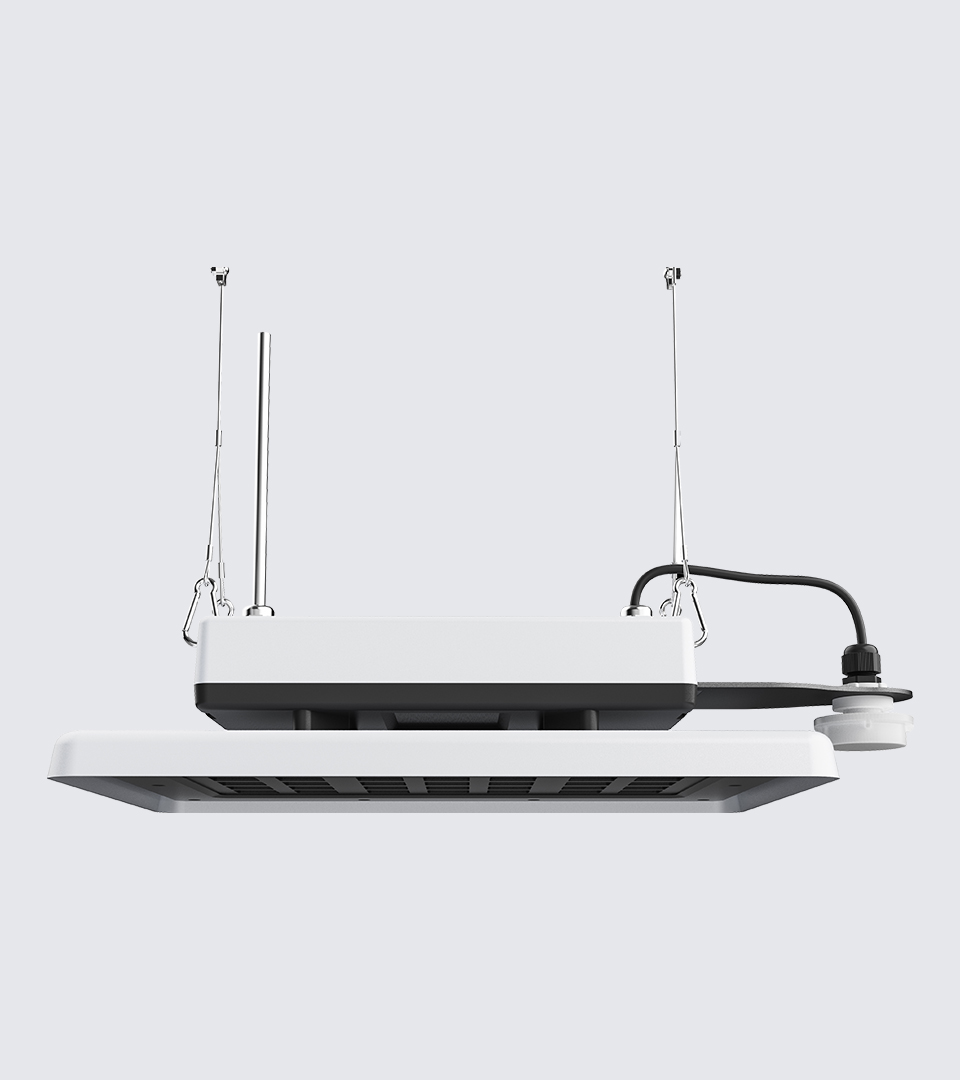
For cross-reading on facility layers that DCIM touches (illumination, safety egress, task lighting at work zones), see data center lighting best practices and emergency lighting in 2025.
2) iTRACS architecture and capabilities you actually use day-to-day
iTRACS positions itself as a digital twin of the data center: racks, devices, ports, circuits, and rooms represented in 3D, with live associations to telemetry. That model powers quick questions operations teams ask every week—“What’s on A feed here?” or “Where do I have 10 kW and 12 RU free adjacent to fabric links?” The 3D viewer helps new staff get spatial context without a guided tour.
Under the hood sits the DCIM Open Exchange Framework, essentially the roadway for ingesting and sharing data with BMS, ITSM, CMDBs, virtualization stacks, and sensor networks. We’ve pushed change tickets from ServiceNow and pulled back port assignments the same hour—less swivel-chair, fewer duplicates. If you’ve lived in spreadsheet hell, this feels like cheating (the good kind).
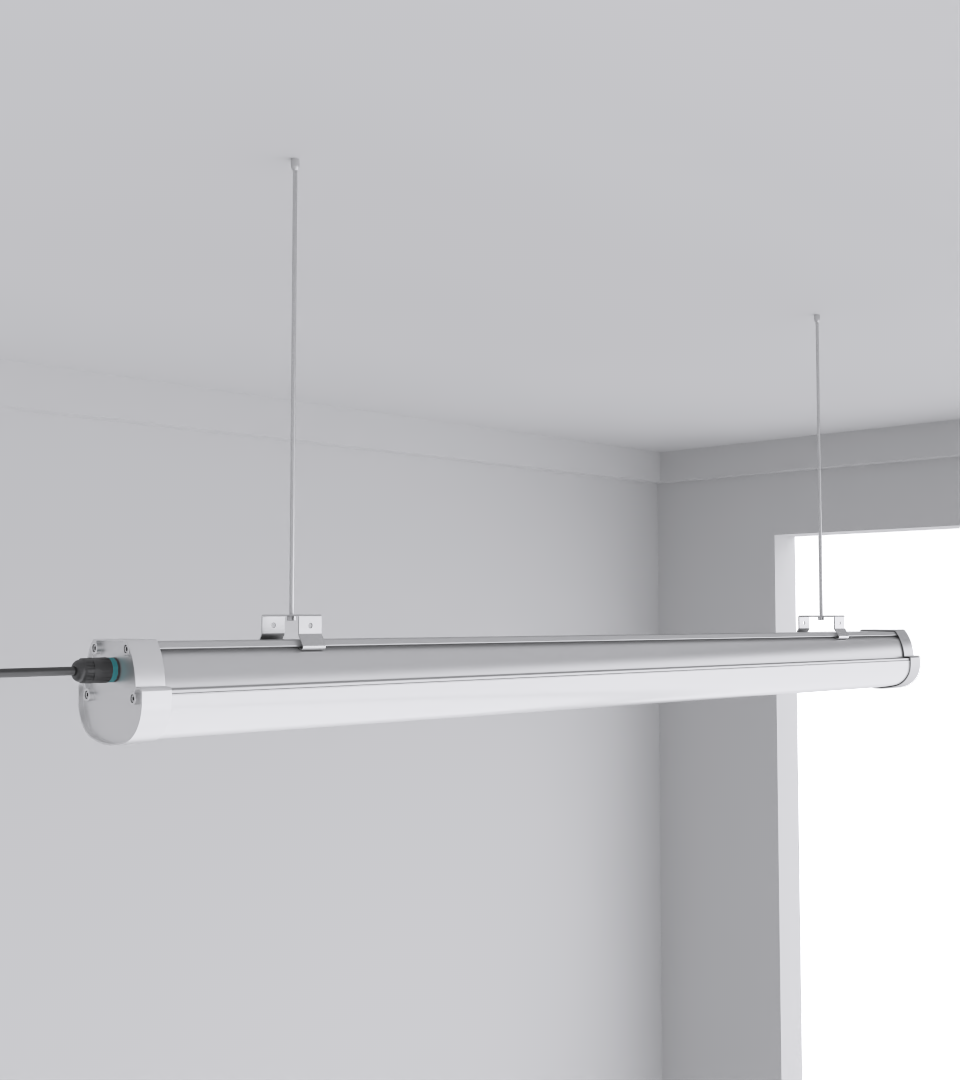
If you’re updating white-space layouts or adding work-zone luminaires, Quattro Triproof Batten and Squarebeam Elite pages include dimensions that make capacity maps honest.
3) imVision AIM: physical-layer truth without clipboards
imVision replaces paper patch logs with controller-driven port state awareness. It documents who is plugged where, tracks MACs in real time, and renders a live map of the copper and fiber plant. The payoff is clean handoffs between network and facilities teams: no mystery jumpers, no third-shift surprises. If you run high-density MPO shelves, the imVision stack scales to demanding strand counts without turning your rack face into a puzzle.
In one roll-out, we paired imVision with an ops bot that executed MACs in off-hours; the bot queried the AIM map to locate panels and confirm port states before it moved a single strand. Change records wrote themselves. Human error dropped, weekend pizza orders also dropped (mixed feelings on that).
For adjacent facility work packages—task lighting at patch fields, signage over interconnect rows—bookmark lighting as an operational control surface.
4) Power-chain modeling, capacity planning, and energy signals in iTRACS
Capacity work is where iTRACS earns its keep. The system models device→PDU→RPP/UPS→mains paths, shows actual and nameplate draw, and predicts what happens under failover. You can trace from a PSU back up the chain and visualize the impact if UPS-B is drained or a breaker is near trip. Before one power event, the model flagged a strand of cabinets whose “A” and “B” looked redundant but converged at a common upstream feed—classic paper-design trap. We fixed it a week before cutover.
Energy telemetry strengthens the model. CommScope has long shown pairings with Intel DCM for granular power readings; when you add that, capacity heatmaps stop guessing and start reflecting real behavior during workload swings. For teams chasing PUE improvements and stranded capacity, this pairing shortens the feedback loop.
| Layer | Examples | Why it’s tracked |
|---|---|---|
| Device PSU | Dual PSUs, rated/actual draw | Failover math |
| Rack PDU | Metered outlets, phases | Hotspots & trips |
| UPS/RPP | A/B feeds, runtime | Maintenance planning |
| Mains | Utility/genset | Risk concentration |
5) Integrations and the Open Exchange Framework (APIs that ops actually use)
iTRACS’ Open Exchange Framework and modern API approach let you plug into BMS, ITSM, CMDB, virtualization, RFID, and environmental sensors. We’ve seen live links to VMware inventories, ServiceNow tasks, RF Code tags, and building controls without bespoke one-off glue. That keeps the source of truth in one place and reduces “which sheet is current?” debates.
AIM (imVision) complements this by pushing connectivity state into the same ecosystem—useful when you’re decommissioning, validating hand-backs, or proving capacity to a regulator. CommScope’s docs call out high-density fiber shelves and fast MAC documentation; that aligns with our experience in carrier pods and cross-connect alleys with lots of churn.
6) Where CommScope DCIM fits vs. other platforms (honest, quick contrasts)
Every stack has a shape. Sunbird is praised for UI speed; Nlyte offers deep capacity workflows; Schneider leans facility-heavy. CommScope’s angle is connectivity + visualization with the iTRACS/imVision duo. Teams that live in cabling and want clear power paths tend to appreciate that slant. For greenfield builds with heavy facilities scope, you may still keep a BMS-centric view; iTRACS’ framework bridges that with minimal drama.

| Need | CommScope iTRACS | imVision AIM | Note |
|---|---|---|---|
| Asset/space mapping | Strong | — | 3D + digital twin |
| Port-to-port truth | — | Strong | Real-time MAC tracking |
| Power-chain modeling | Strong | — | Trace & what-if views |
| Open integrations | Strong | Medium | Open Exchange + APIs |
7) Rollout tips, common snags, and how we course-correct fast
Start with a narrow but high-value slice: one pod or one row. Build the model, validate power paths, then cut MACs under imVision supervision. Keep an “exceptions” notebook—devices that don’t report, odd PDUs, racks with mystery fillers. That list becomes your sprint backlog. The only times we stumbled were when we tried to boil the ocean or when naming standards slipped. Set naming rules, or your search pane becomes a puzzle with 19 ways to say “leaf switch.”
Train people in short loops. Ten-minute drills: “Find a port, validate redundancy, snapshot the path.” Celebrate the first spreadsheet you delete. Tie iTRACS alerts to your ITSM so work orders open with context. On physical changes, require an imVision check—no patch moves without a green state. That rule alone eliminated most phantom outages for us.
When facilities and network teams share a floor, align lighting layouts with work areas: patch fields, breaker panels, labeling benches. Uniform light cuts rework. If you need fixture references, see SeamLine Batten and Squarebeam Elite.
8) FAQs — CommScope DCIM in Data Centers
Q1: Is iTRACS still an active product?
Yes. CommScope continues to publish iTRACS materials and blogs (e.g., a 2025 post on efficiency), plus product pages and brochures.
Q2: What’s the difference between iTRACS and imVision?
iTRACS is DCIM (assets/space/power/3D), while imVision is AIM for physical-layer state (ports, MAC tracking, fiber/copper mapping). They’re complementary and often deployed together.
Q3: Can it integrate with our BMS/ITSM/CMDB?
Yes, via the Open Exchange Framework and APIs. There’s history of integrations with ServiceNow, VMware, RF Code, and others.
Q4: Do we get energy insights?
With power telemetry (e.g., Intel DCM), iTRACS supports energy optimization and more accurate capacity views.
Q5: How does this help audits?
The 3D model + port truth means faster audits, cleaner reports, and fewer spreadsheets to reconcile. imVision auto-documents changes as they happen.
Q6: Where do I learn more or plan the facility side (lighting, task zones)?
Start with data center lighting best practices, SeamLine Batten, and Quattro Triproof Batten. For project scoping, use contact CAE Lighting.
