Data Centre Infrastructure & Operations (I&O) 2025: Standards, Compliance, and High-Efficiency Systems
- Defining Data Centre Infrastructure & Operations (I&O)
- Standards That Shape Infrastructure Today
- Energy Efficiency & KPI Reporting (PUE, WUE, ERF, REF)
- Cooling, Thermal Management & the Role of Lighting
- Operational Playbooks: MOP, SOP, EOP
- Reliability Engineering: Failure Modes & Lighting Risks
- Sustainability Roadmap & Energy Reuse
- Ordering, Samples & Rapid Deployment
- Frequently Asked Questions (FAQ)
Key Takeaways
| Question | Short Answer |
|---|---|
| What defines infrastructure & operations (I&O) in data centers? | Integration of power, cooling, IT, and facility processes into a single operational framework. |
| Why is lighting part of I&O? | Proper LED systems reduce energy use, improve cooling balance, and ensure safety for 24/7 staff. |
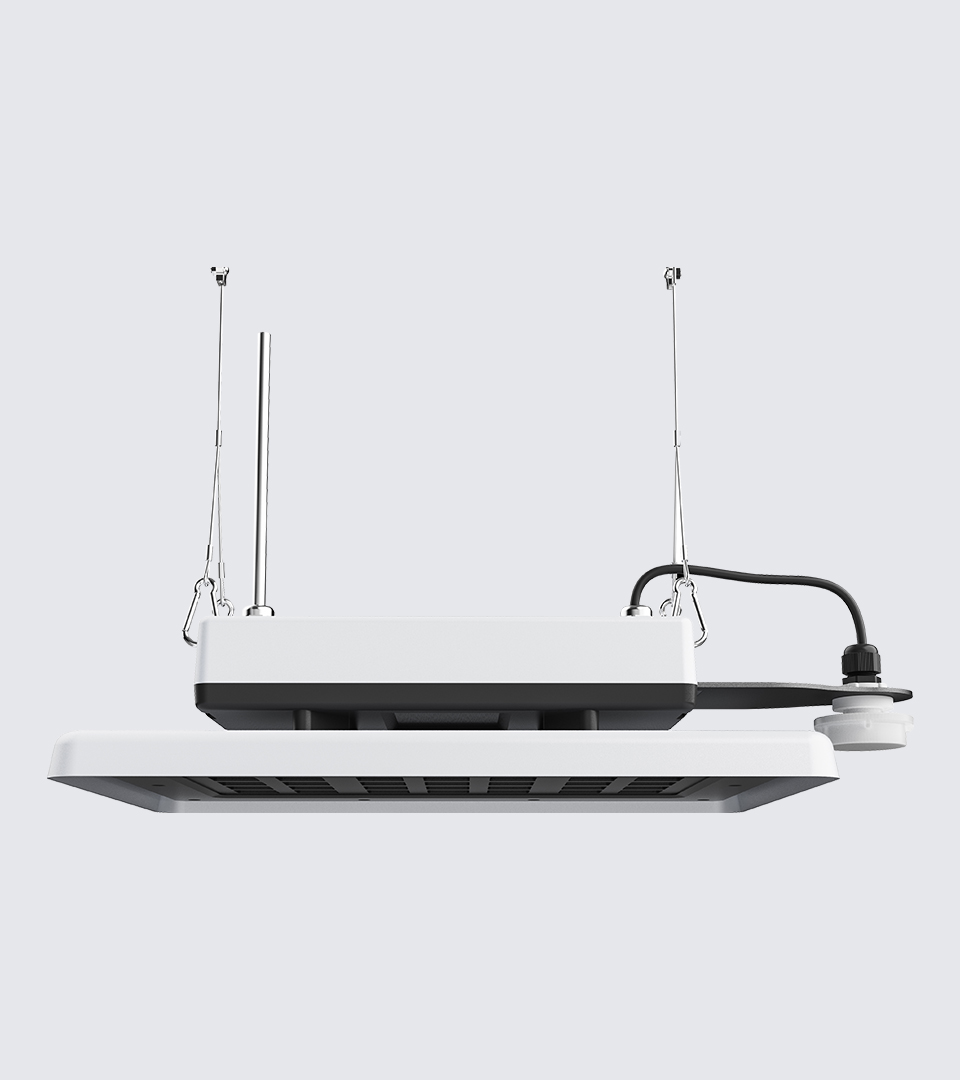
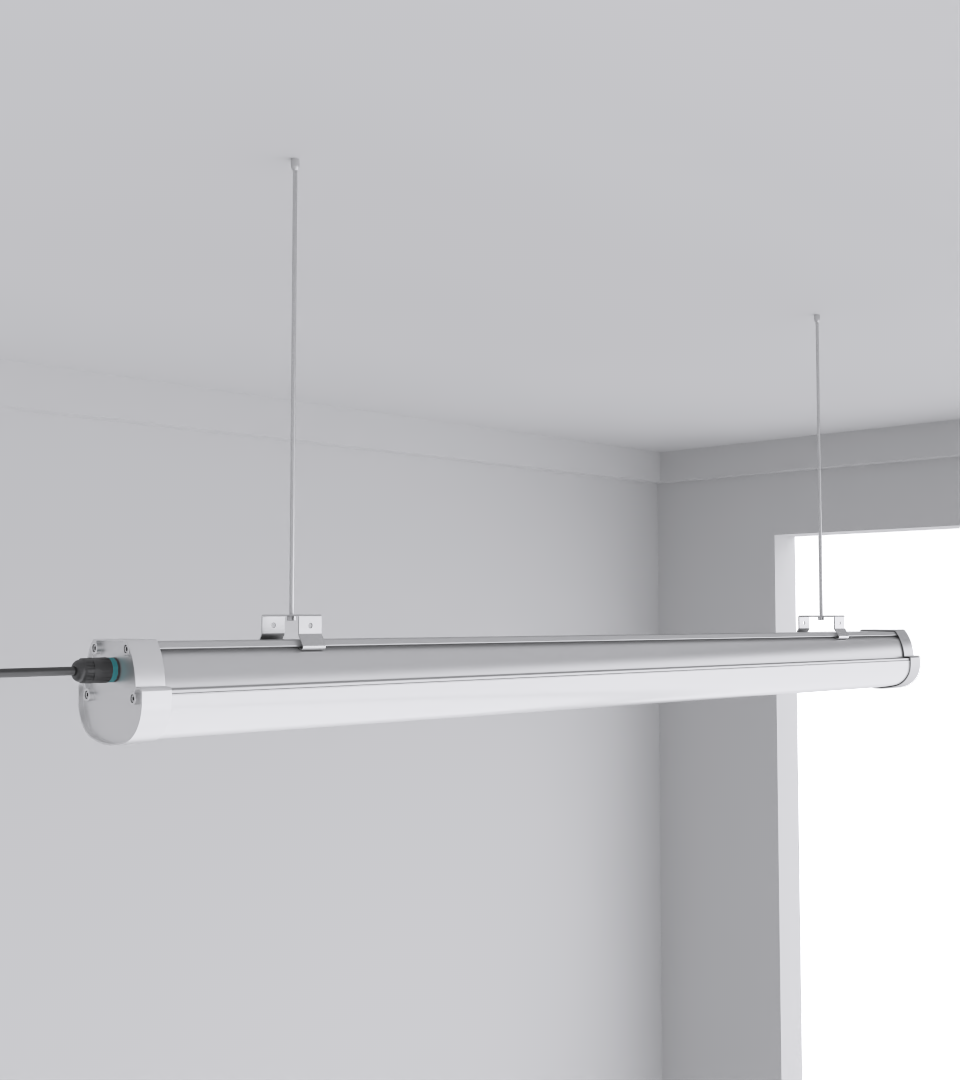
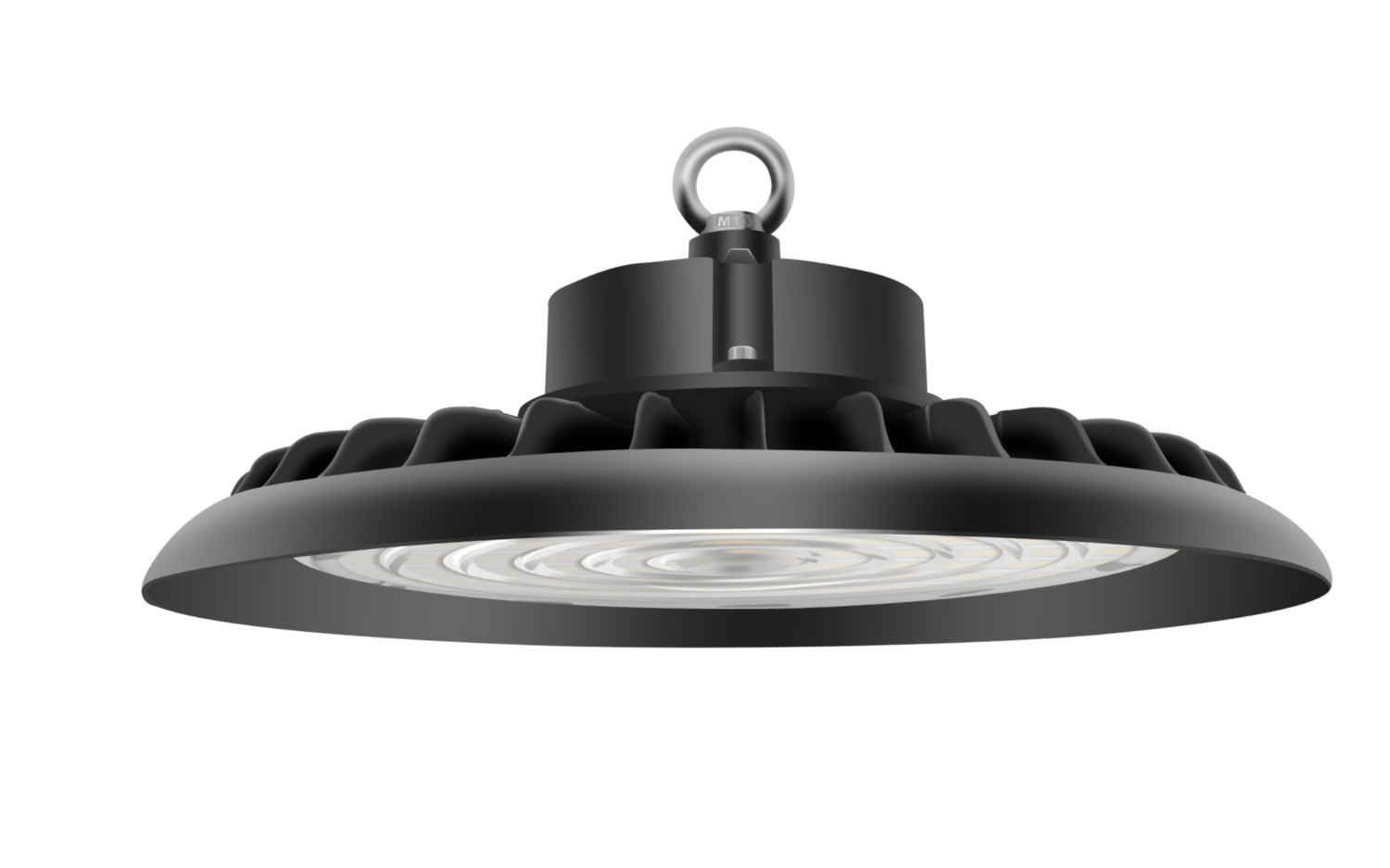
| Which CAE Lighting products are best for data centers? | Squarebeam Elite, SeamLine Batten, Quattro Triproof Batten |
| How do regulations shape I&O today? | Standards such as ISO/IEC 22237, ANSI/TIA-942-C, and EU EED reporting require KPIs (PUE, WUE, ERF, REF). |
| What role does energy efficiency play? | Data centers consume ~4–7% of national electricity in many markets; optimized LED lighting and cooling reduce PUE. |
| What are best practices for lighting I&O? | High-efficiency fixtures, motion sensors, emergency lighting compliance, and re-commissioning every 2–3 years. |
1. Defining Data Centre Infrastructure & Operations (I&O)
Data centre I&O is the combined framework of power, cooling, IT, and facility processes that ensure 24/7 uptime. For operators, it means everything from UPS redundancy and liquid cooling loops to lighting systems that support both safety and efficiency.
Unlike IT-only operations, full I&O looks at the building fabric itself: cable routing, thermal zoning, and yes, the lighting that allows technicians to work at 3am without glare fatigue.
2. Standards That Shape Infrastructure Today
Two frameworks dominate design and operation:
- ISO/IEC 22237 — global classification for availability and safety.
- ANSI/TIA-942-C — telecom infrastructure, cabling, and power redundancy layouts.
Lighting ties into both, particularly under TIA’s UGR (Unified Glare Rating) references for operator health.

3. Energy Efficiency & KPI Reporting (PUE, WUE, ERF, REF)
Data centres above 1 MW IT load in the EU must now disclose efficiency KPIs under the EED 2024/1791 Directive. Key ratios include:
- PUE (Power Usage Effectiveness) — global average ~1.56
- WUE (Water Usage Effectiveness)
- ERF/REF (Energy Reuse Factor, Renewable Energy Factor)
Lighting is a small but directly reportable component. Every watt matters.
4. Cooling, Thermal Management & the Role of Lighting
Lighting adds to the heat load. A poorly chosen system can add unnecessary watts per square metre that cooling must offset.
- Choose low-watt-per-lumen LEDs (CAE fixtures operate below 120 lm/W).
- Use motion sensors in corridors and underfloor spaces.
- Verify UGR <19 in hot aisle corridors to avoid technician eye strain.
5. Operational Playbooks: MOP, SOP, EOP
Infrastructure means little without repeatable processes. Data centres typically structure operations into:
- MOP (Method of Procedure): step-by-step for tasks like switching UPS to bypass.
- SOP (Standard Operating Procedure): daily run checks, thermal scans, lighting inspections.
- EOP (Emergency Operating Procedure): fire, flood, blackout — including emergency lighting response.
CAE’s fixtures support this by including long-life drivers (50,000h+) and optional emergency backup packs, aligning lighting with EOP drills.
6. Reliability Engineering: Failure Modes & Lighting Risks
Operators analyze FMEA (Failure Modes and Effects Analysis) across systems. Lighting failure is often overlooked, yet:
- A failed fixture in hot aisles can delay critical interventions.
- Poor ingress protection in humid environments leads to early failures.
- Non-compliant emergency exit lighting can cause audit penalties.
CAE Lighting addresses this with rigorous IP testing and ISO-certified QC processes.
7. Sustainability Roadmap & Energy Reuse
Future-ready operations combine:
- Containment + efficient lighting for reduced overhead.
- Smart sensors to adapt lux levels in low-traffic areas.
- Energy reuse — heat from IT equipment exported for district heating, supported by efficient infrastructure lighting.
CAE works closely with contractors to model how LED retrofits affect PUE and WUE at the facility level.
8. Ordering, Samples & Rapid Deployment
One overlooked part of I&O is time-to-install. Lighting retrofits often stall projects due to lead times.
- Sample dispatch within 24 hours for trial projects in Southeast Asia.
- Modular designs like the SeamLine Batten that snap-fit for corridor runs.
- Project support via contact page.

Frequently Asked Questions (FAQ)
Q1. Why is lighting considered part of infrastructure in data centres?
Because it impacts safety, energy efficiency, and even cooling load balance.
Q2. Which CAE products are best suited for white space areas?
Squarebeam Elite for racks/corridors, SeamLine Batten for continuous runs.
Q3. What’s the lifespan of CAE’s fixtures in 24/7 environments?
Typically 50,000–60,000 hours, equal to ~7 years in round-the-clock operation.
Q4. How do CAE’s products help with regulatory compliance?
By meeting ISO quality standards and integrating emergency lighting packs aligned with NFPA/ISO 30061 requirements.
Q5. Can CAE provide custom lighting for unusual layouts?
Yes, custom luminaires are developed for non-standard rack aisles, containment pods, and staging areas.