
Comprehensive Guide to Data Center Power Infrastructure: UPS, Battery Systems, and Compliance Standards
–
- Introduction to Power Equipment
- UPS Systems and Battery Choices
- Power Distribution: PDUs, RPPs, Busways
- Static Transfer Switches and Generators
- Managing Arc Flash, Harmonics, and Protection
- Global Standards and Compliance
- Future Trends: AI, Edge, and Green Energy
- Conclusion and Practical Insights
- Frequently Asked Questions (FAQ)
Key Takeaways
| Feature or Topic | Summary |
|---|---|
| Critical Systems | UPS, PDUs, STS, generators, and busways form the backbone of uptime in data centers. |
| Battery Choices | Lithium-ion batteries increasingly replace VRLA for longer life, efficiency, and reduced maintenance. |
| Key Risks | Arc flash, harmonic distortion, and poor breaker coordination remain leading vulnerabilities. |
| Compliance Standards | TIA-942, EN 50600, ASHRAE 90.4, and IEEE 519 guide global best practices. |
1. Introduction to Power Equipment
Reliable power is the backbone of every data center. Uptime is directly tied to how effectively the electrical infrastructure is built and maintained. From UPS systems that bridge outages, to PDUs that feed servers, each piece of equipment forms part of a chain that can only be as strong as its weakest link. Downtime costs often exceed $9,000 per minute in critical facilities, so redundancy is not a luxury but a requirement.
2. UPS Systems and Battery Choices
UPS systems keep IT loads stable during grid instability. The two primary battery chemistries—VRLA and Lithium-ion—are no longer equal contenders. VRLA remains cheaper upfront, but lithium-ion offers longer life, smaller footprint, and reduced cooling requirements. Engineers planning hyperscale facilities often factor in lithium-ion’s 10–15 year life span to reduce replacement cycles.

3. Power Distribution: PDUs, RPPs, Busways
After the UPS, power flows through PDUs, branch circuits, and busways. Intelligent PDUs now allow per-outlet monitoring, reducing stranded capacity. Remote Power Panels (RPPs) simplify distribution in large halls, while busways allow flexible overhead layouts compared to legacy underfloor cabling. In facilities with rapid AI expansion, this flexibility becomes critical for scaling.
4. Static Transfer Switches and Generators
Static Transfer Switches (STS) transfer loads between two independent sources in milliseconds, preventing downtime if one fails. Data centers also rely on generators—diesel, gas, or rotary diesel-UPS hybrids—for extended outages. Sizing is critical: too small, and loads trip; too large, and efficiency plummets at partial loads.
5. Managing Arc Flash, Harmonics, and Protection
Hazards like arc flash and harmonic distortion can cripple operations. IEEE 1584 guidelines help calculate incident energy for PPE requirements, while IEEE 519 sets harmonic distortion limits. Surge Protective Devices (SPDs) per UL 1449 must be deployed at service entrances and branch panels. Selective coordination of breakers per NEC ensures that a single fault doesn’t black out entire sections.

6. Global Standards and Compliance
Compliance frameworks guide safe and efficient design. TIA-942-C defines tier-based redundancy, EN 50600 offers holistic EU requirements, and ASHRAE 90.4 specifies power usage effectiveness thresholds. Data centers pursuing international clients often certify under multiple standards to demonstrate cross-border reliability.
7. Future Trends: AI, Edge, and Green Energy
AI clusters demand higher density power. Edge facilities adopt modular microgrids with fuel cells or lithium-ion UPS pods. Renewable integration is growing: solar rooftops, battery energy storage, and even nuclear-backed capacity for hyperscalers. Case studies from 2024–2025 show a decisive move toward hybrid systems combining grid, renewable, and on-site backup.
8. Conclusion and Practical Insights
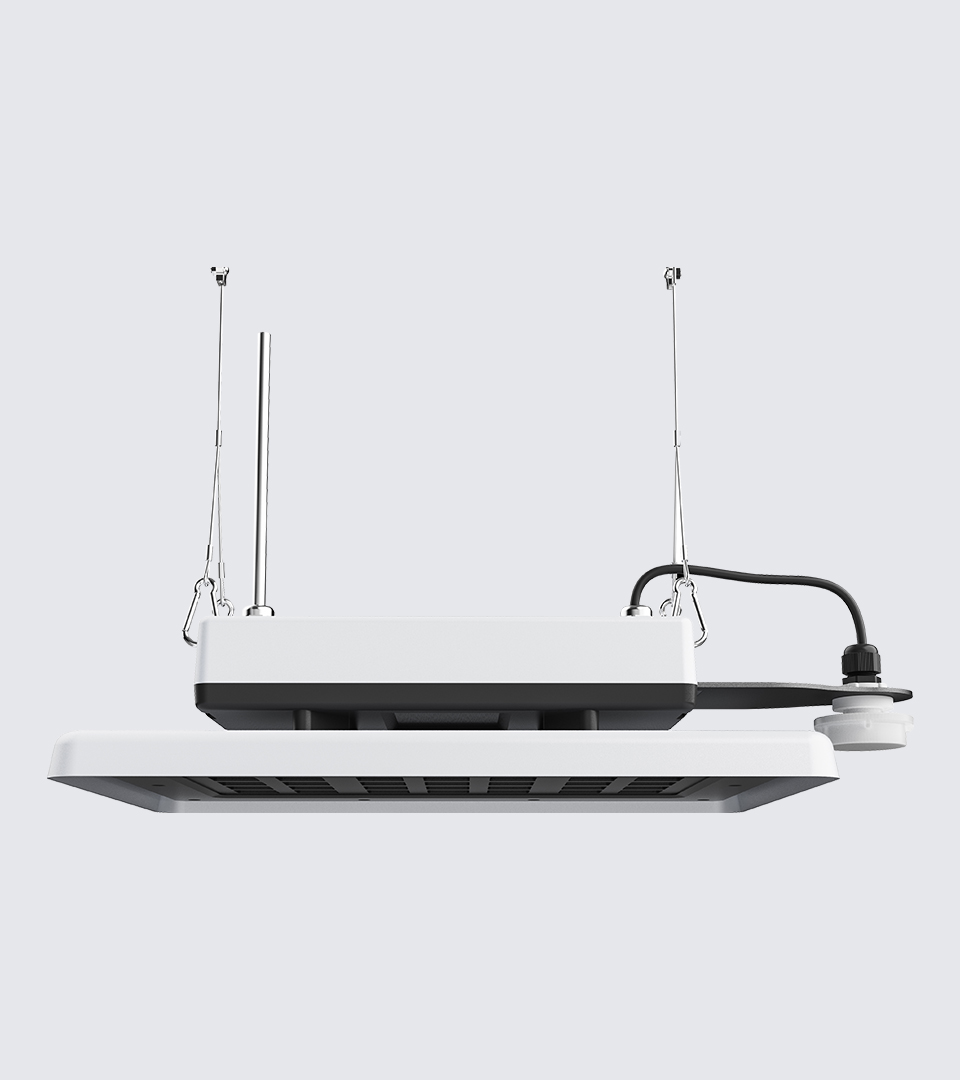
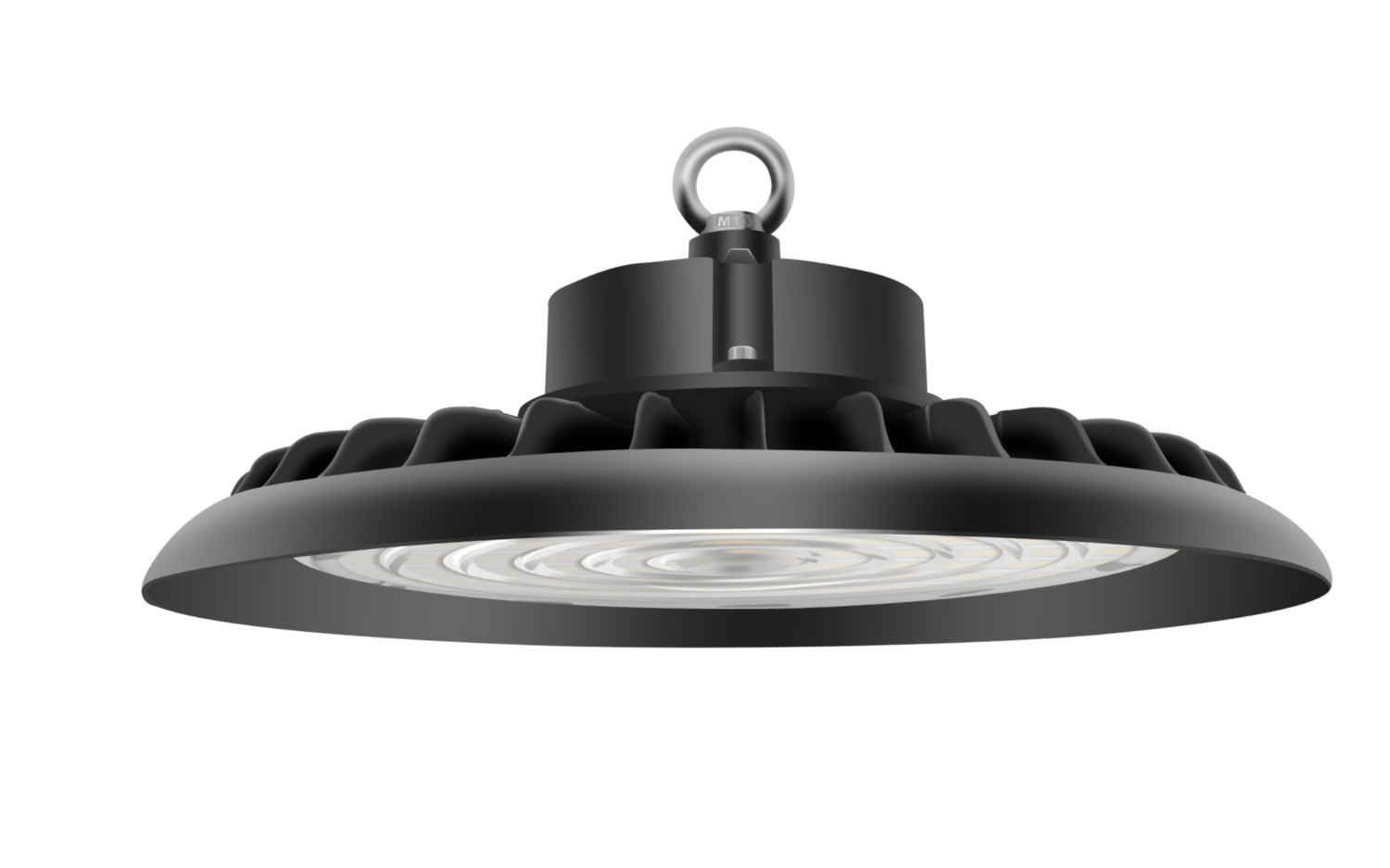
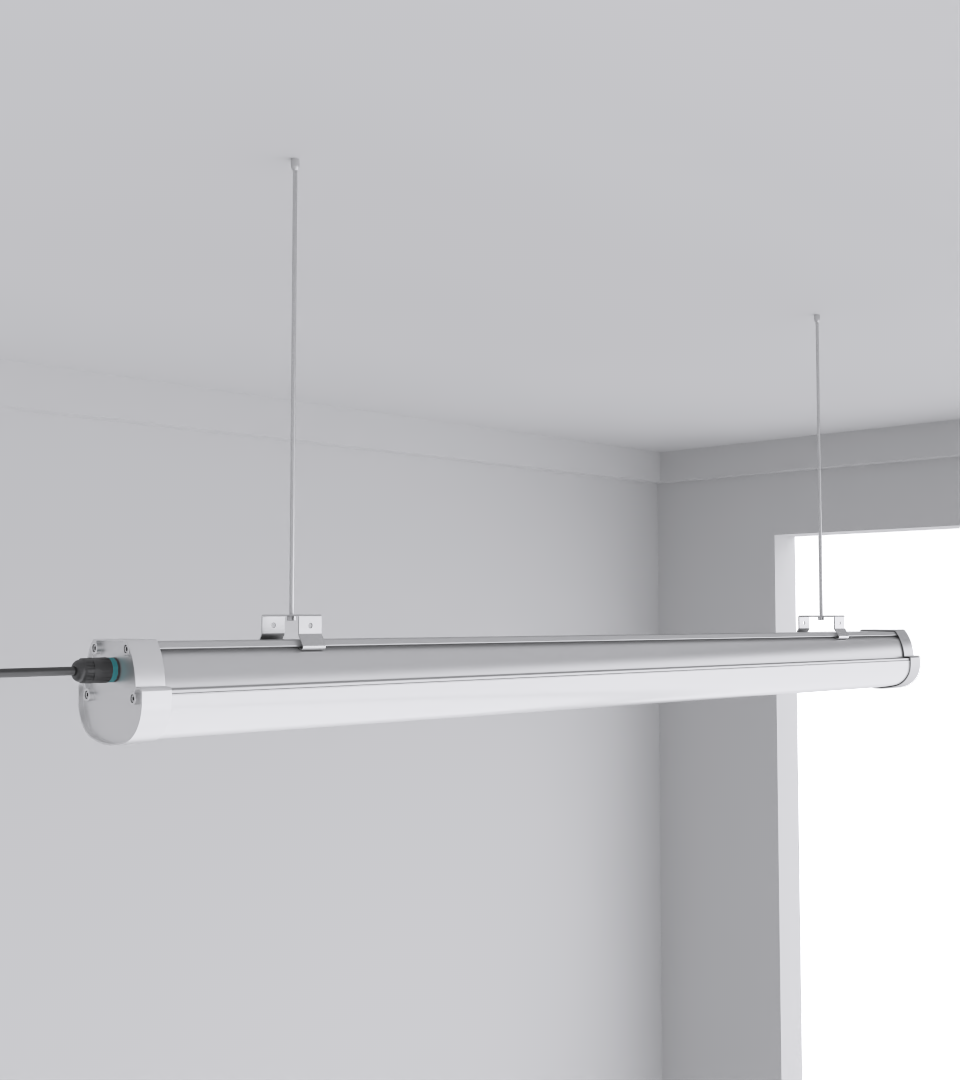
Building resilient power systems requires more than redundancy—it requires understanding hidden risks, adopting efficient distribution, and aligning with global standards. Data center operators should weigh lithium-ion adoption, selective breaker coordination, and flexible busways as default best practices. Lighting, often overlooked, must align with safety and efficiency—solutions like the Squarebeam Elite and SeamLine Batten support both operational clarity and energy savings.
Frequently Asked Questions (FAQ)
What is the most critical power equipment in a data center?
The UPS is often considered the most critical, as it bridges the gap between grid loss and generator startup, protecting IT loads.
Why are lithium-ion batteries preferred over VRLA?
Lithium-ion lasts longer, needs less cooling, and reduces maintenance cycles, making it cost-effective over a 10–15 year lifespan.
How do data centers mitigate arc flash risks?
By following IEEE 1584, implementing selective breaker coordination, and training staff with proper PPE.
What standards govern data center power systems?
TIA-942-C, EN 50600, ASHRAE 90.4, and IEEE 3006 are among the key international references.
Are renewables becoming standard in data center power design?
Yes, especially for hyperscale operators who integrate on-site solar, fuel cells, or nuclear-backed contracts to reduce carbon footprint.