Comprehensive Data Center Support: Monitoring, DCIM, and Energy-Efficient Infrastructure
–
- Defining Data Center Support
- Core Services Within Data Center Support
- In-House vs Colocation vs MSP Models
- SLAs, Runbooks, and Risk Reduction
- Monitoring Stacks and DCIM Integration
- Energy Efficiency and AI-Era Loads
- Security, Compliance, and Safety
- Building a Future-Ready Support Architecture
- Frequently Asked Questions (FAQ)
Key Takeaways
| Question | Quick Answer |
|---|---|
| What is data center support? | Services that ensure uptime, efficiency, safety, and monitoring of facilities and IT operations. |
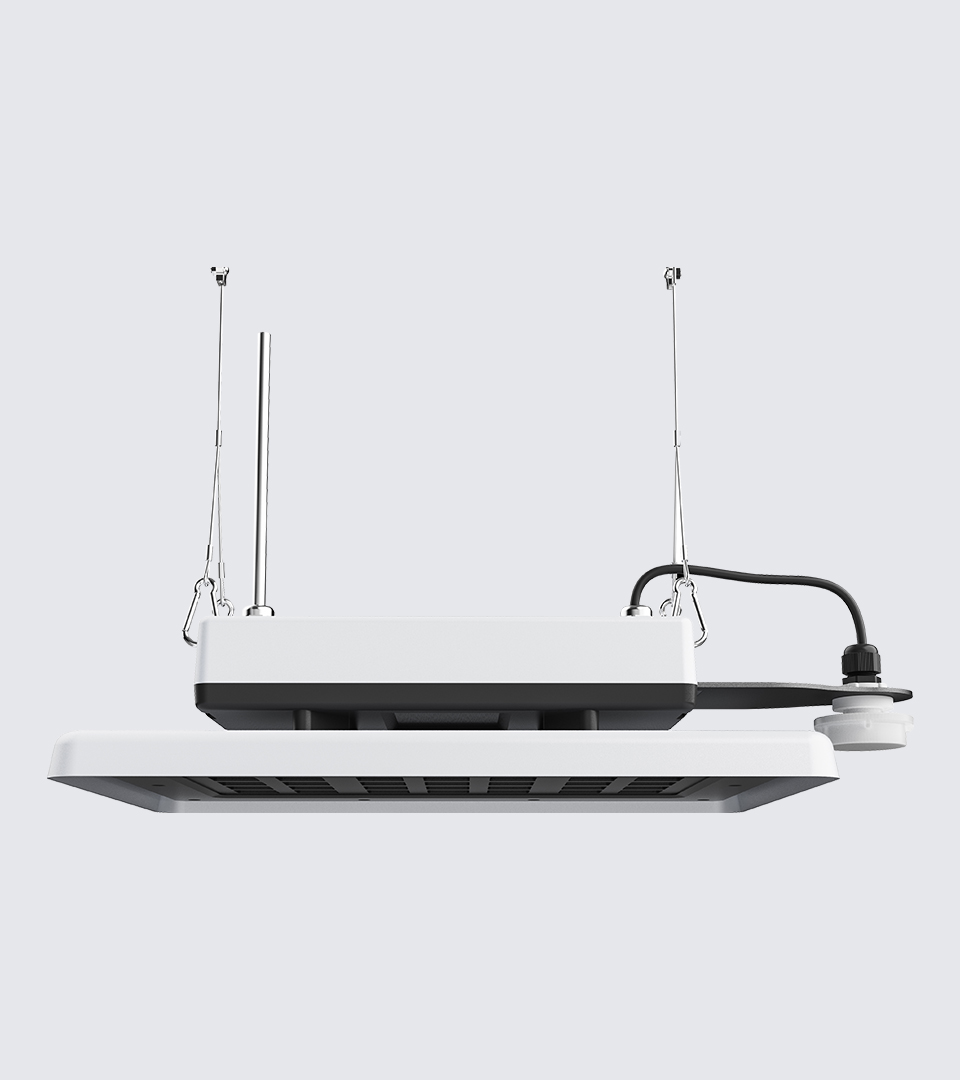
| Why does lighting matter? | LEDs like Squarebeam Elite reduce energy load, improve visibility, and support compliance. |
| Who provides support? | In-house staff, colocation providers, or third-party managed service partners. |
| What tools are critical? | DCIM, ITSM, smart LED lighting, remote-hands, and robust SLAs with runbooks. |
Supporting a data center requires more than racks, power, and cooling—it’s an ecosystem of services, monitoring, and infrastructure choices. CAE Lighting, headquartered in Guangdong with operations across Asia, brings lighting expertise into this ecosystem by supplying industrial LED solutions tailored for modern data centers.
1. Defining Data Center Support
At its core, data center support includes facility maintenance, IT service coverage, monitoring, and rapid-response operations. It extends from power systems and cooling to the lighting fixtures above racks that influence both energy consumption and staff efficiency.
2. Core Services Within Data Center Support
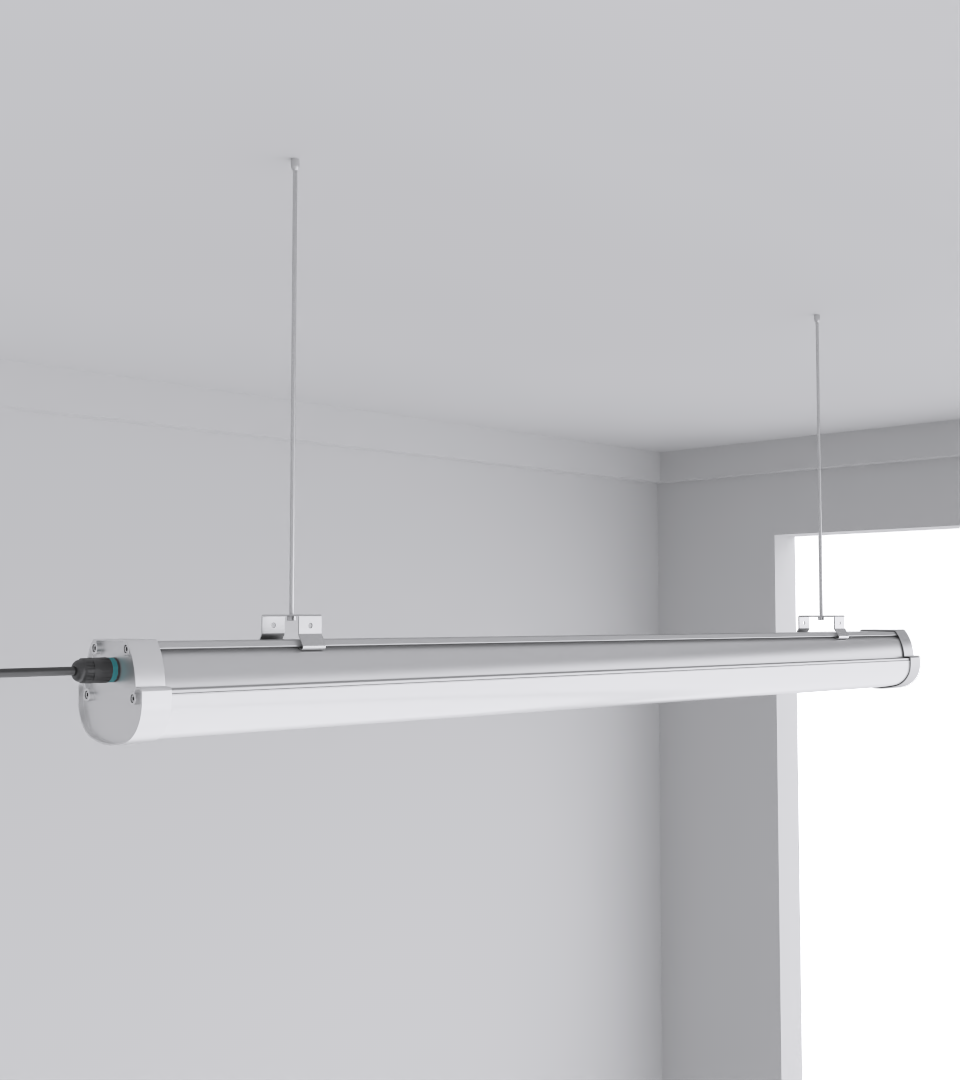
A complete service catalog often includes remote hands, monitoring, IMACD (install/move/add/change/decommission), audits, and compliance. Lighting, often overlooked, is part of this ecosystem, and durable fixtures like the Quattro Triproof Batten serve reliably in harsh environments.
3. In-House vs Colocation vs MSP Models
Deciding between in-house, colocation, or managed service providers depends on scale, cost, and operational goals. Many operators prefer hybrid models. Lighting upgrades such as the SeamLine Batten are commonly deployed in colo setups for better efficiency.

4. SLAs, Runbooks, and Risk Reduction
SLAs define uptime expectations and escalation paths. Runbooks reduce downtime with pre-approved actions. In one real-world case, poor lighting IP rating delayed recovery during an outage, underscoring why support must include infrastructure choices.

5. Monitoring Stacks and DCIM Integration
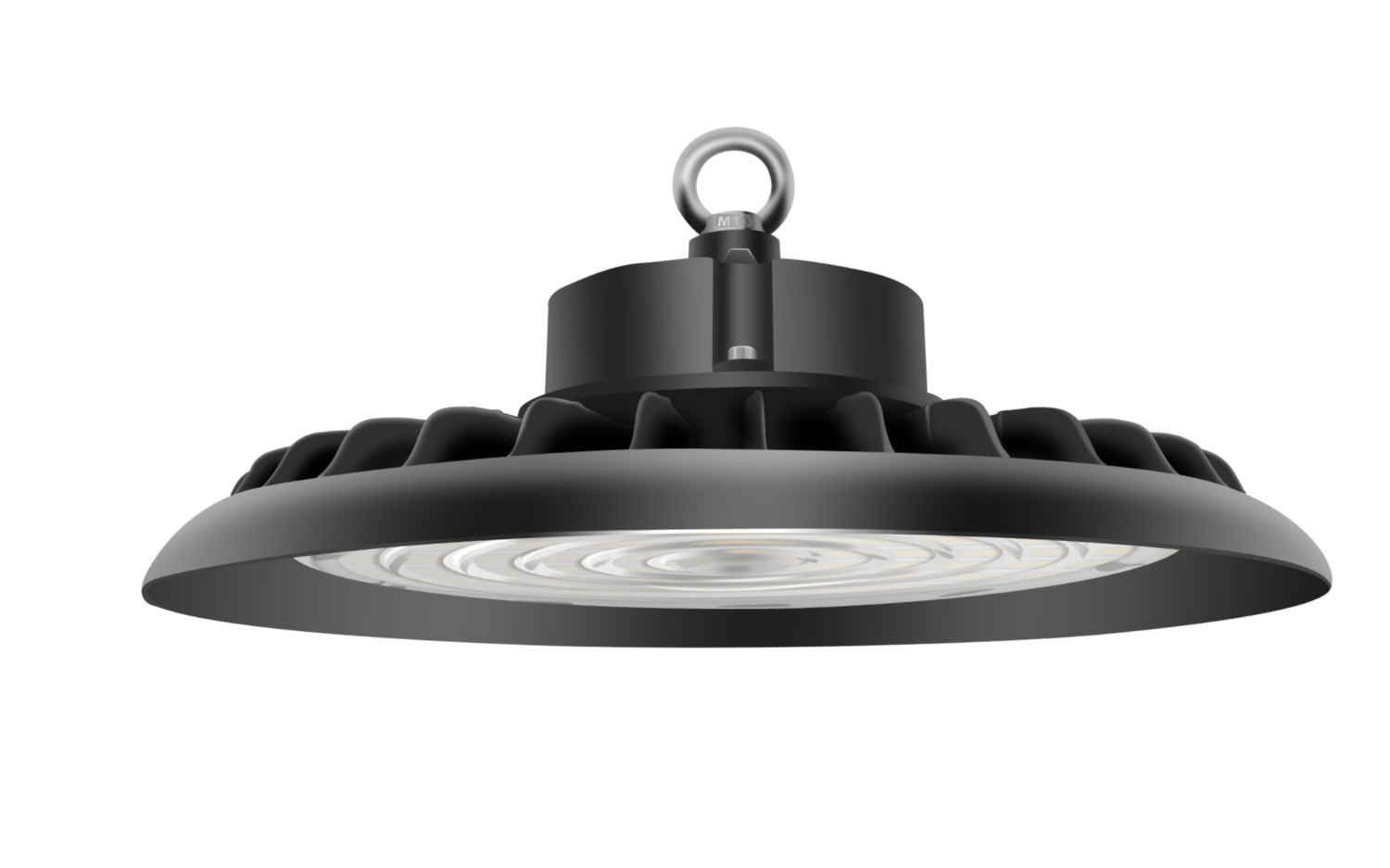
Support depends on unified monitoring of power, cooling, IT, and lighting. Budget High Bay Lights integrate with DCIM systems to provide sensor-driven energy insights.
6. Energy Efficiency and AI-Era Loads
AI workloads increase density, cooling, and power needs. Lighting upgrades reduce unnecessary thermal loads. Squarebeam Elite fixtures help manage these challenges while keeping PUE ratios under control.
7. Security, Compliance, and Safety
Support operations must meet ISO 9001, ISO 14001, and ISO 45001 standards. Lighting data is increasingly used as part of compliance evidence, proving operational consistency during audits.
8. Building a Future-Ready Support Architecture
A robust plan combines staffing, DCIM integration, and LED upgrades. A 90-day rollout often begins with auditing power and cooling, replacing fixtures with SeamLine Battens, and aligning SLAs with infrastructure.
Frequently Asked Questions (FAQ)
What is included in data center support?
Facility maintenance, IT monitoring, incident response, lighting, power, and cooling.
Why is lighting important in support?
Efficient LEDs lower energy costs, reduce heat load, and ensure safety compliance.
Can lighting impact PUE?
Yes, high-efficiency fixtures improve Power Usage Effectiveness by lowering cooling demand.
Who manages lighting upgrades in a colo setup?
Providers handle shared spaces, while tenants co-fund or request upgrades for private areas.