
Data Centre Migration Strategy 2025: Technical Frameworks, Risk Mitigation, and Best Practices
–
Key Takeaways
| Question | Quick Answer |
|---|---|
| What is data centre migration? | Moving IT assets, apps, and workloads from one facility (or environment) to another — physical, hybrid, or cloud. |
| Why migrate in 2025? | Lower costs, better scalability, compliance, disaster recovery, energy efficiency. |
| Main risks? | Downtime, data loss, compliance failures, budget overruns. |
| Migration methods? | Lift-and-shift, re-platforming, refactoring, hybrid. |
| How to mitigate risk? | Detailed inventory, phased execution, fallback plans, compliance testing. |
| Migration length? | 6–24 months depending on scope, complexity, and migration type. |
| Helpful tools? | AWS Migration Journey, Device42, Google Cloud frameworks. |
| Post-migration tasks? | Validation, optimization, monitoring, decommissioning of legacy systems. |
1. What Data Centre Migration Really Means
A data centre migration involves relocating IT workloads, applications, and infrastructure from one environment to another. This can mean moving from on-premises to a co-location site, consolidating multiple facilities into one, or shifting workloads into the cloud.
The strategy must address both technical dependencies (networks, storage, compute layers) and business priorities (uptime, cost control, compliance).
2. Why Organizations Are Migrating in 2025
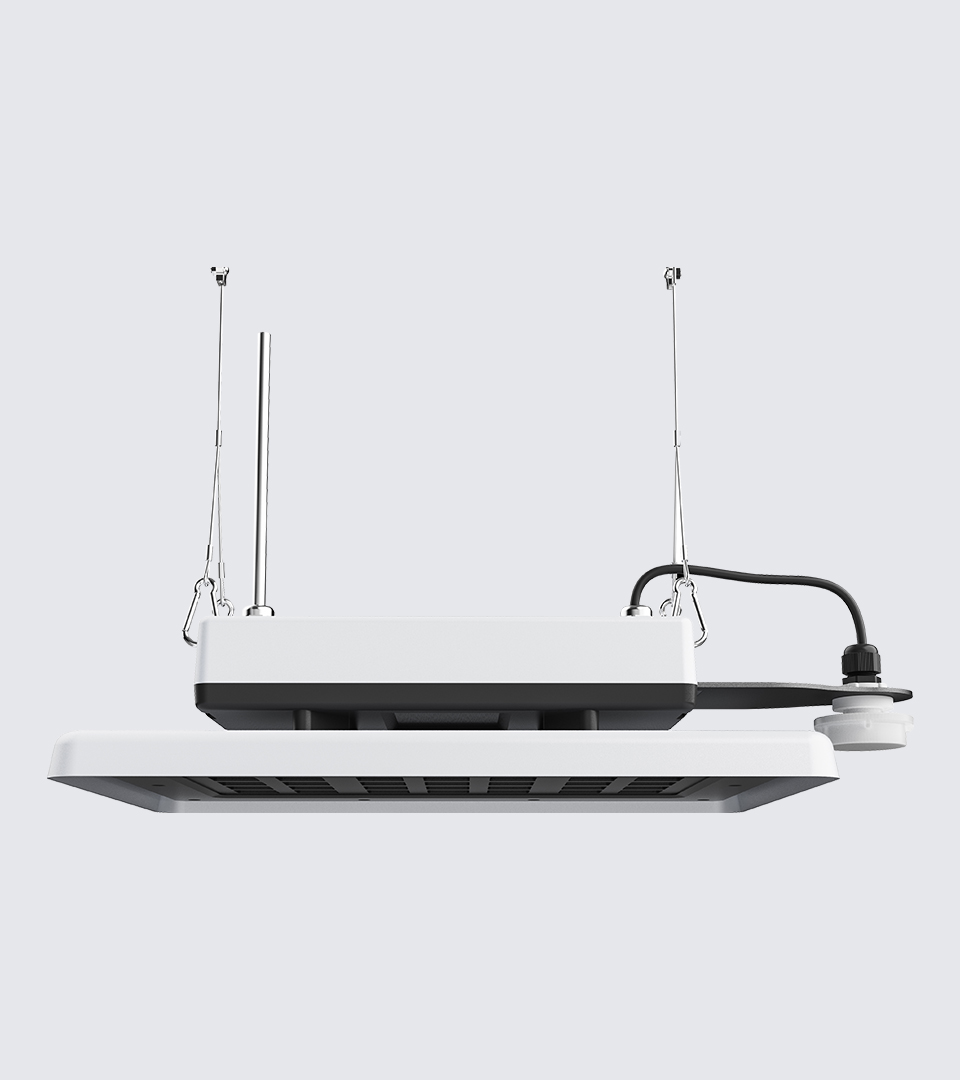
- Energy efficiency: LED and cooling upgrades reduce costs.
- Scalability: Cloud/on-prem hybrids allow flexible growth.
- Compliance: Meeting stricter data protection rules (e.g., GDPR, HIPAA).
- Disaster Recovery: Relocation strengthens redundancy.
3. Risks and Pitfalls in Migration
- Unplanned downtime — missed dependencies or poorly tested cutovers.
- Data integrity loss — corruption during transfer or sync.
- Compliance failure — gaps in physical or logical security.
- Cost creep — underestimated hours, tools, or vendor fees.
Expert note: I’ve personally seen downtime windows balloon from 6 hours to 3 days because of overlooked storage dependencies. Always map interdependencies early.
4. Defining Migration Goals and Scope
- Reduce operating costs by X%
- Consolidate three sites into one
- Improve redundancy to Tier III/IV standards
- Migrate workloads to cloud for faster scalability

5. Choosing a Migration Methodology
- Lift-and-Shift — direct move, minimal change
- Re-platform — modify apps to fit new environment
- Refactor — re-architect workloads for cloud efficiency
- Hybrid — combination of on-prem and cloud
Tip from the field: Lift-and-shift looks easy but often transfers legacy inefficiencies. If you’re already paying the cost of a move, assess whether refactoring yields long-term value.

6. Tools and Frameworks for Execution
- AWS Migration Journey — phased cloud adoption framework
- Google Cloud Migration — workload portability
- Device42 — asset dependency mapping
- In-house playbooks — custom runbooks for legacy hardware
7. Validation, Testing, and Optimization
- Functional testing — apps and workloads behave as expected
- Performance benchmarks — latency, throughput, redundancy
- Compliance checks — ISO, SOC 2, GDPR, HIPAA
Then comes optimization: fine-tune routing, balance workloads, adjust environmental controls (cooling, lighting, humidity).
8. Post-Migration ROI and Continuous Improvement
- Cost savings (energy, staffing, cooling)
- Improved uptime (from 99.9% to 99.99%+)
- Energy use reduction (smart lighting & cooling)
- Compliance posture (audit-ready at all times)
FAQs: Data Centre Migration Strategy
Q1. How long should a full migration take?
Between 6 and 24 months, depending on scale and complexity.
Q2. What’s the cheapest migration method?
Lift-and-shift is cheapest upfront, but can cost more long-term.
Q3. How do I prevent downtime?
Run phased migrations, maintain backups, and plan fallback options.
Q4. Should I migrate everything at once?
No — pilot migration on a small set first, then scale.
Q5. How does lighting fit into migration?
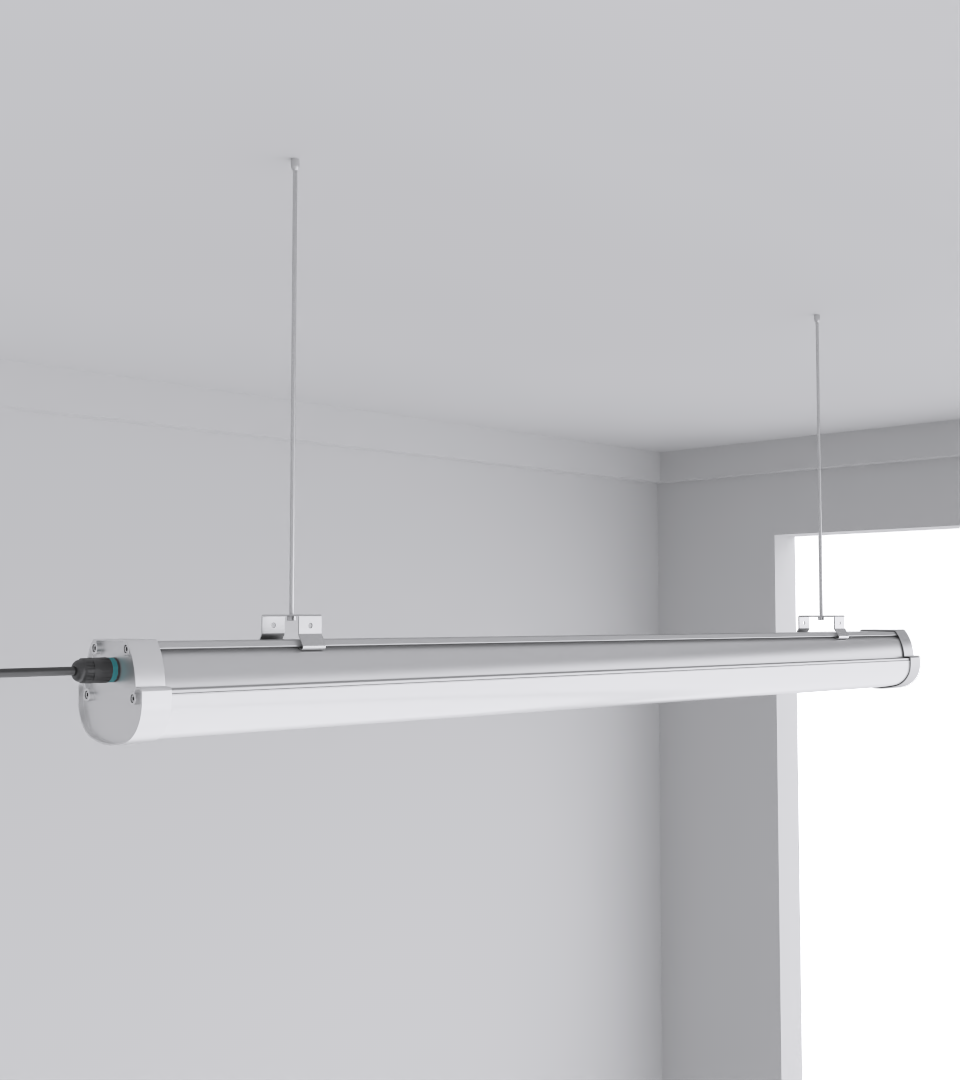
Lighting upgrades (e.g., Quattro Triproof Batten) cut heat loads and energy costs, making new facilities more efficient.