
Data Center and Network Operations: Best Practices for Reliability, Efficiency, and DCIM Integration
- Data center and network operations in Data Centers
- Physical layer operations: power, cooling, and lighting that won’t fight you
- Network operations inside the box: topologies, change, and no-surprise cabling
- DCIM and observability: get topology, power, thermal, and light into one story
- Reliability playbook: redundancy, change windows, and the weird little checks
- Energy & thermal control: light without heat, airflow without chaos
- Deployment roadmap: a pilot that isn’t theater, KPIs that actually bite
- Procurement, documentation, and life-cycle: make replacements boring and fast
- Field notes and odd truths: what experience keeps quietly repeating
- Frequently Asked Questions (FAQ)
Key Takeaways
| Feature or Topic | Summary |
|---|---|
| Operations Stack | Facilities, network, and DCIM unified under one model reduce incident times significantly. |
| Lighting as Critical Infra | Photometrics, glare control, and emergency egress lighting are as important as power paths. |
| DCIM Role | Acts as the source of truth integrating topology, assets, power, and lighting. |
| KPI Tracking | Focus on MTTI, lux uniformity, PUE, SLA breaches, and dark-spot incidents. |
Data center and network operations in Data Centers
Operations looks tidy on a whiteboard and a bit feral at 03:17 when alarms layer over each other. The practical frame I use: physical plant, IT & network, and observability/DCIM share a single, boring data model—locations, assets, circuits, dependencies. If that model drifts, incident time doubles. In one retrofit we shaved 18 minutes off average triage simply by reconciling PDU outlet names with switch uplink labels—nothing fancy, just alignment. Start with a site taxonomy (room→row→rack→U) then map every feed, port, and fixture to it.

A note on daily rhythm: change freezes during batch windows make sense, but don’t starve routine tasks. We run “fast maintenance” slots—15-minute microwindows—for low-risk swaps (SFPs, sensor swaps, driver modules). It keeps backlog from snowballing. For reference material and product specs that sit well in this framework, keep a central hub like CAE Lighting bookmarked with internal tags (site, zone, aisle) so ops can find what they need without spelunking.
Physical layer operations: power, cooling, and lighting that won’t fight you
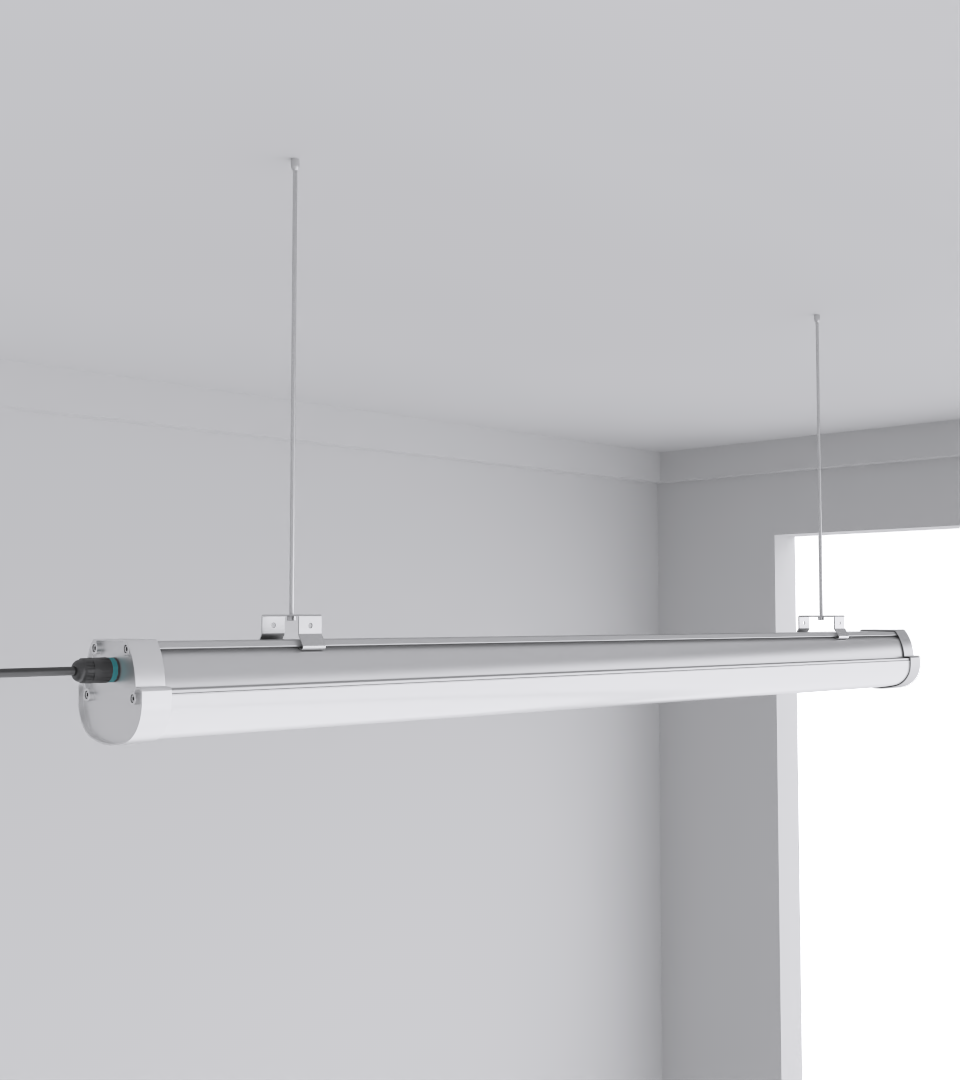
Power gets attention, lighting often doesn’t, and that’s how twisted ankles happen behind row ends. Treat lighting like any other risk control: specify lux levels by task (corridors, CRAC service bays, MPO panels), UGR targets, CRI where color identification matters, and emergency egress paths. In a Johor site we reduced “dark-spot incidents” 40% by re-spacing triproof battens and tuning beam spread—no extra watt budget. Quattro Triproof Batten holds up well in humid service corridors; gasketed, easy to wipe, drivers accessible.
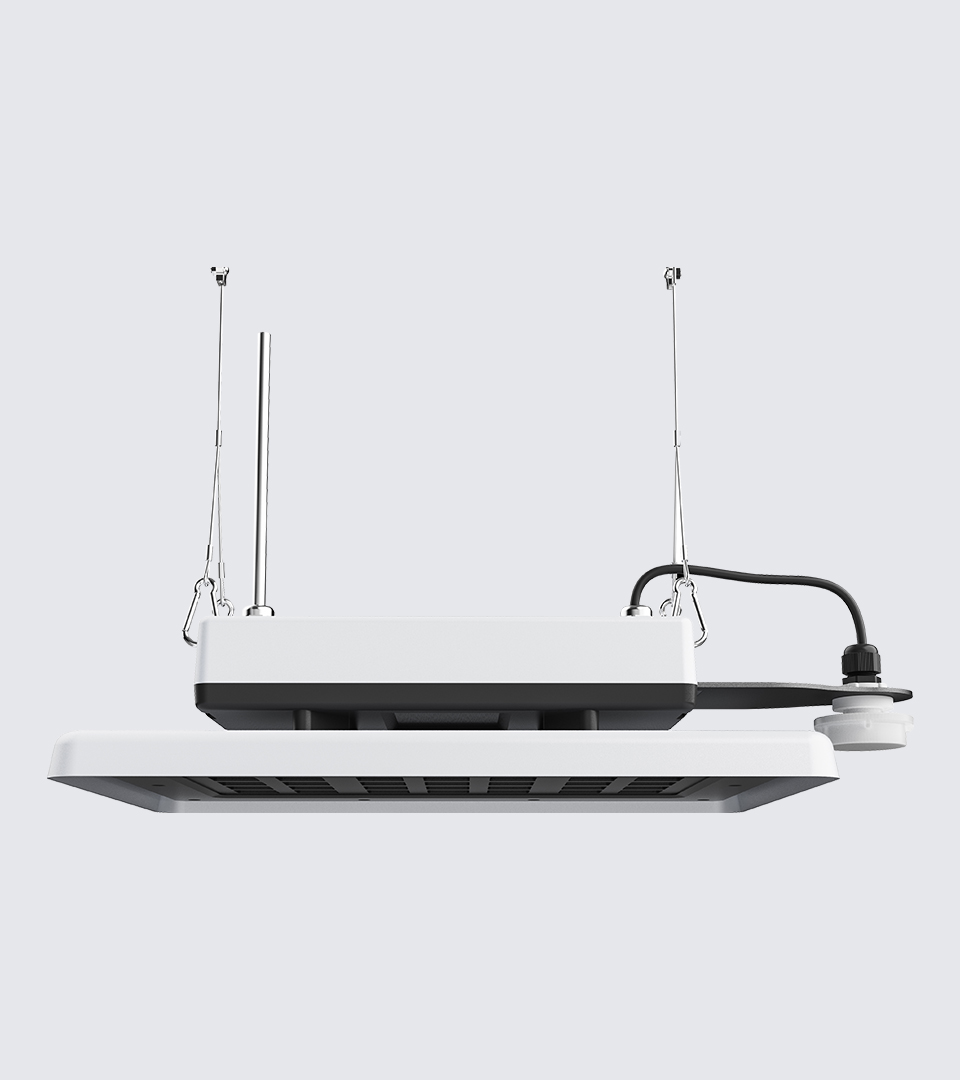
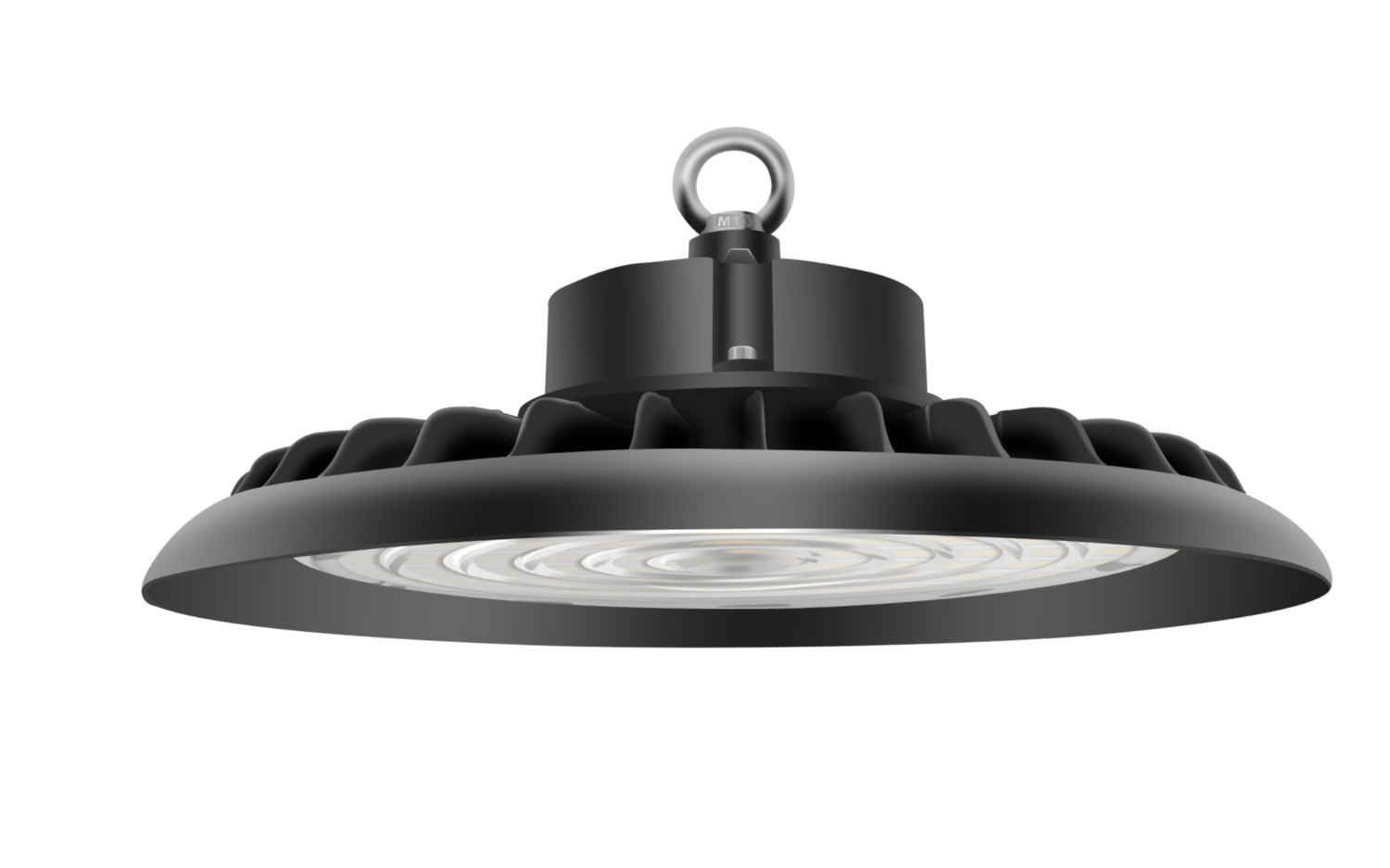
High-mount aisles want tighter distributions to keep glare off labeling. SquareBeam Elite high-bay is useful above 10–14 m with linear optics; we’ve used it to keep uniformity while avoiding lens hotspots over switch rows. For cost-constrained spaces, Budget High Bay Light is fine if you lock install height and don’t chase miracles. Maintenance note: stock 10% spare drivers on-site; it saves you from 2-week dim corners that quietly break safety culture.
Reliability playbook: redundancy, change windows, and the weird little checks
Run pre-change triage: power path verified (A/B feeds hot), optics clean (dust can fake a dark-spot report), and uplink counters stable. We track “panel-open minutes” as a metric—too many and you’re accumulating risk debt. Emergency: map egress fixtures on separate circuits and test monthly with a stopwatch, not vibes. The data center emergency lighting guide has a practical cadence we’ve mirrored on sites that pass audits without drama.
Do the silly checks: spare SFPs labelled by wavelength, driver SKUs boxed by aisle, torque settings for busway taps printed and zip-tied to the tap itself. Once, a mislabeled 1310 nm SFP caused an hour of head-scratching in a dim aisle; better lighting wouldn’t fix it, but finding the right spare fast did.
Energy & thermal control: light without heat, airflow without chaos
Lighting’s heat is small compared to servers, but mis-placed fixtures can mess with containment. Keep fittings outside the hot aisle roof where possible; if they must cross, use slim profiles and verify no lens overhang disrupts curtain seals. We’ve used SquareBeam Elite above tall cold aisles to keep uniform lux without spilling into hot paths. Track ΔT at aisle entries; a bump after relight usually means beam spill or a gap in baffles.
Use sensors that your BMS trusts. Motion profiles can drop corridor light during low occupancy, but don’t starve cameras or safety checks—set a floor. For planning, Thailand’s data center investment note gives regional context if you’re building in ASEAN; supply chain timing impacts fixture choice more than folks expect.
Deployment roadmap: a pilot that isn’t theater, KPIs that actually bite
Do one pilot row end-to-end: power, cooling sensors, network intents, and lighting. Freeze naming and runbooks there first. We learned the hard way that rolling lighting before DCIM schema finalization just means you’ll re-enter asset data twice. Capture baseline metrics a week prior, then re-measure after.
| KPI | Baseline | Target | Owner |
|---|---|---|---|
| Mean Time to Isolate (MTTI) | 28 min | <15 min | NOC lead |
| Aisle uniformity (Umin/Uavg) | 0.64 | ≥0.75 | Facilities |
| Ticket SLA breach rate | 7.3% | <3% | Ops mgr |
| PUE (night) | 1.49 | ≤1.42 | Energy |
| Dark-spot incidents | 5/mo | 0 | HSE |
Lock procurement early with driver interchangeability and spares. If you need model specifics during planning, the SquareBeam Elite page and Quattro Triproof Batten page keep specs handy.
Procurement, documentation, and life-cycle: make replacements boring and fast
Bake the following into contracts: photometric report submittals (IES), maintenance clearance dimensions, emergency egress mapping, driver SKU families, and an on-site spares list. Put PDF links and asset IDs into DCIM at handover; operations shouldn’t hunt. For linear aisles, SeamLine Batten makes quick swaps less of a circus; clips are kinder than screws at height.
Documentation trick: QR decals on fixture rows jump to the exact internal wiki section with lux map, breaker ID, and driver SKU. It’s a small hack, saves minutes. For a one-page index of models you’ll likely mix, keep CAE products in the ops toolbar. Need samples or a quick quote path? Route requests via contact CAE Lighting so logistics doesn’t guess who’s on the hook.
Field notes and odd truths: what experience keeps quietly repeating
- If the floor tape is peeling near row ends, the lux is usually low there—measure, don’t shrug.
- Labels matter more than IQ on long nights; keep them large, high-contrast, and lit.
- Don’t let motion sensors kill light while someone’s racking a chassis; set hold times more generous in service bays.
- Aisle cameras love even lighting; avoid glittery hotspots that fool exposure.
- Train cross-skill: the network tech that understands egress patterns will place crash carts where safety agrees.
I keep a silly rule: “no mysteries by sunrise.” If a fault needed a workaround at night, we still write the root cause by noon with photos and port counters. It keeps drift small and trust high. For deeper reading on layout choices and lighting strategy, this full guide stays practical rather than fluffy.
FAQ
What’s the simplest way to link lighting with incidents?
Tag tickets with location + lux band and correlate “dark-spot” tags with safety events. It’s cheap and shows trends fast.
Do motion sensors really save anything in data centers?
Yes, in corridors and storage bays. Keep a minimum level for cameras and egress visibility; don’t go pitch black.
How do I pick between SquareBeam and a budget high bay?
Mounting height, glare limits, and uniformity targets decide. SquareBeam Elite for higher mounts and tight beams; Budget High Bay if heights are modest and budgets strict.
What documents should live in DCIM for lighting?
IES files, circuit IDs, driver SKUs, maintenance clearances, emergency egress zoning, and as-built photos.
Where do I start if my site is messy?
Pick one row. Standardize names, relight to spec, reconcile DCIM with LLDP/CDP, and publish the runbook. Then copy-paste that sanity.
Useful links: CAE Lighting home · All products · SquareBeam Elite · Quattro Triproof Batten · SeamLine Batten · Contact CAE Lighting