Data Center in IT Infrastructure: Technical Guide to Power, Cooling, and Lighting Systems in Modern Data Centers
- Understanding the Role of Data Centers in IT Infrastructure
- The Core Components of Data Center Infrastructure
- Lighting Systems Inside Data Centers: Why They Matter
- Data Centers in the Age of AI Workloads
- Energy Efficiency and Compliance in Data Center Infrastructure
- Case Applications: Retail, Warehousing, and Beyond
- Future Outlook: Modular, Green, and Edge Data Centers
- Practical Checklist for Contractors and Facility Managers
- Frequently Asked Questions (FAQ)
Key Takeaways
| Question | Quick Answer |
|---|---|
| What is the role of a data center in IT infrastructure? | Acts as the backbone, hosting computing, storage, power, and cooling systems for enterprise and hyperscale operations. |
| Why are lighting systems critical inside data centers? | They influence safety, cooling efficiency, and compliance, especially in high-density server environments. |
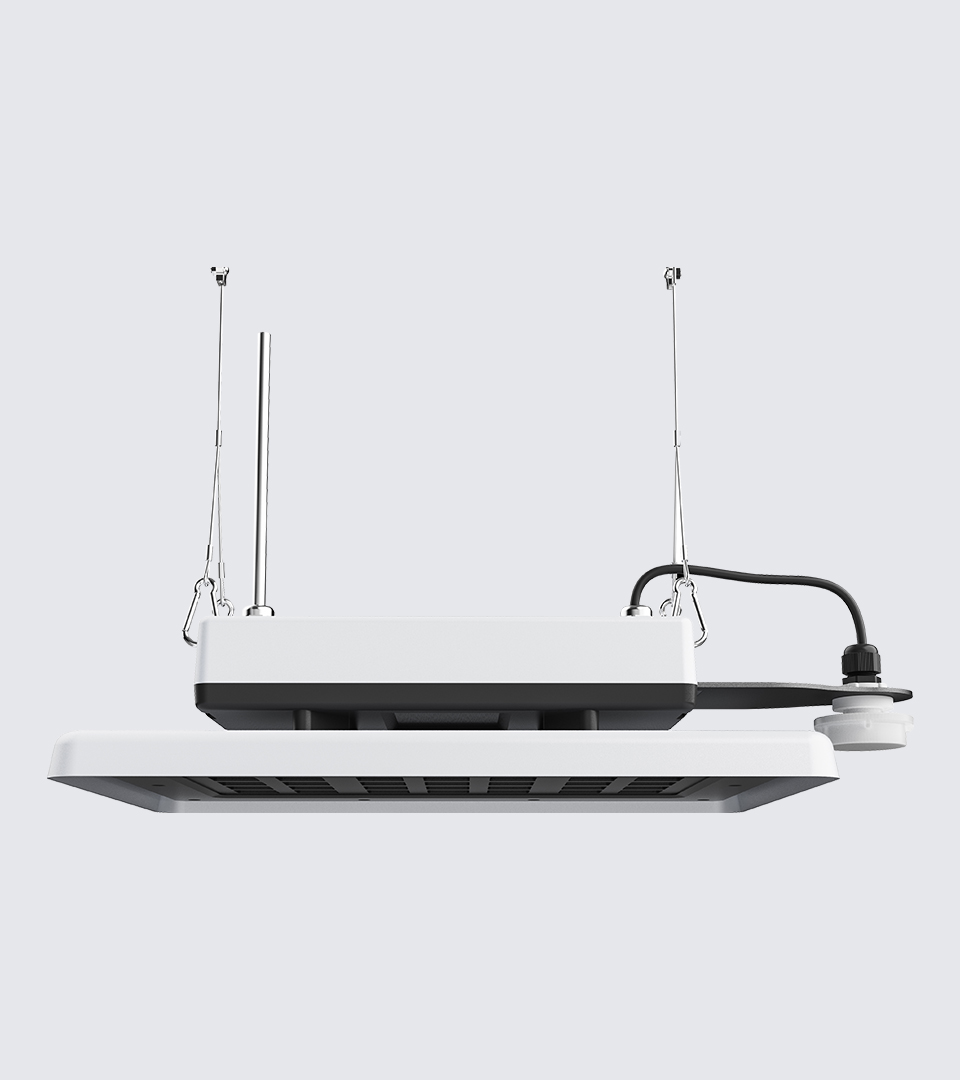
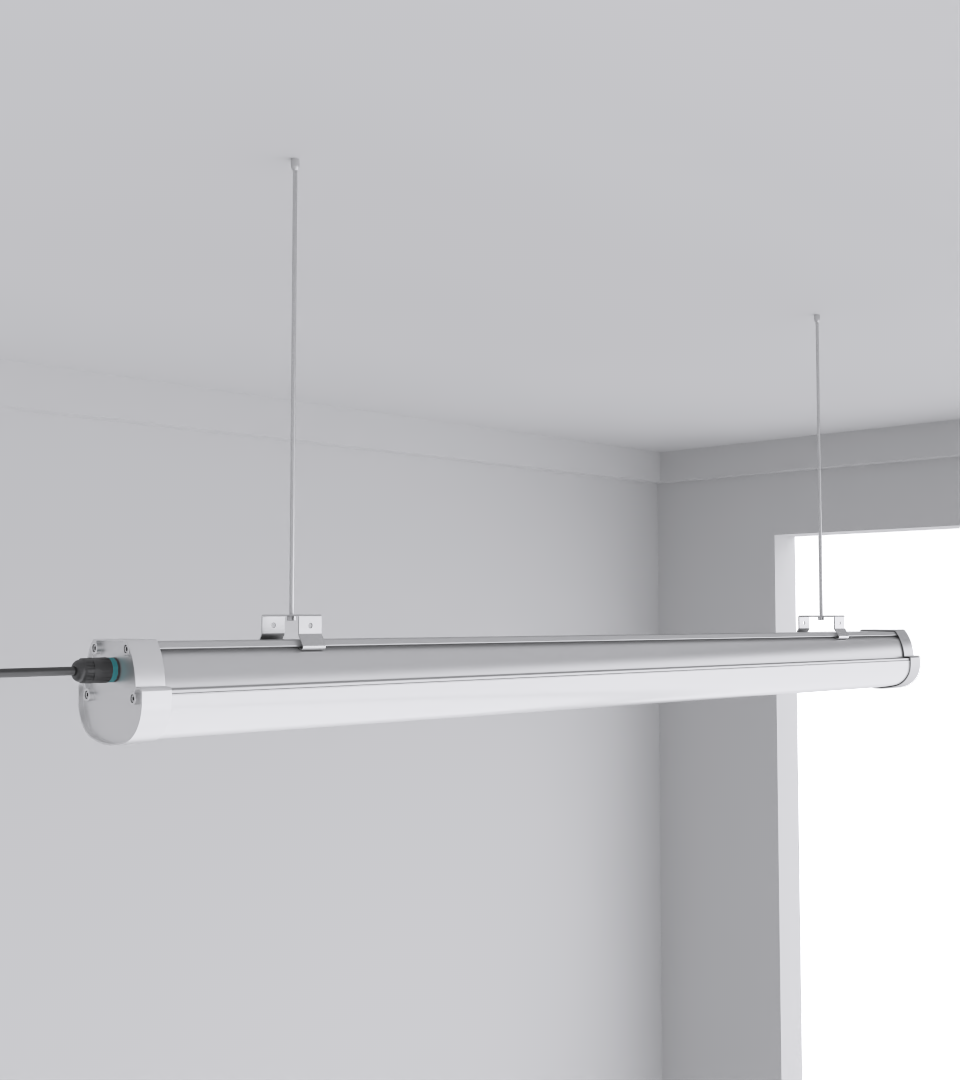
| Which company specializes in industrial LED lighting for data centers? | CAE Lighting, offering products like the SquareBeam Elite and Quattro Triproof Batten. |
| What makes AI-driven data centers unique? | Higher rack densities, liquid cooling adoption, and the need for advanced monitoring (DCIM). |
| What certifications matter in infrastructure lighting? | ISO 9001, ISO 14001, and ISO 45001, ensuring quality, environmental management, and safety. |
| How do operators cut energy costs? | Using efficient fixtures like SeamLine Batten, motion sensors, and design aligned with PUE optimization. |
1. Understanding the Role of Data Centers in IT Infrastructure
Data centers are the physical backbone of IT infrastructure. They host servers, networking hardware, storage devices, and environmental controls. Without them, enterprises and cloud providers could not deliver uptime guarantees.
From an expert’s perspective, the key to evaluating a data center isn’t just server count but resilience. During one retrofit in Malaysia, we saw how a lighting failure in a cold aisle compromised safety. It showed us that small components can disrupt entire operations.
2. The Core Components of Data Center Infrastructure
A complete data center infrastructure covers:
- Power distribution: Redundant feeds, UPS, and backup generators.
- Cooling systems: CRAC units, liquid cooling, or indirect evaporative setups.
- Networking: Fiber, structured cabling, switches, and routers.
- Lighting systems: Fixtures designed to work with high-heat environments.
3. Lighting Systems Inside Data Centers: Why They Matter
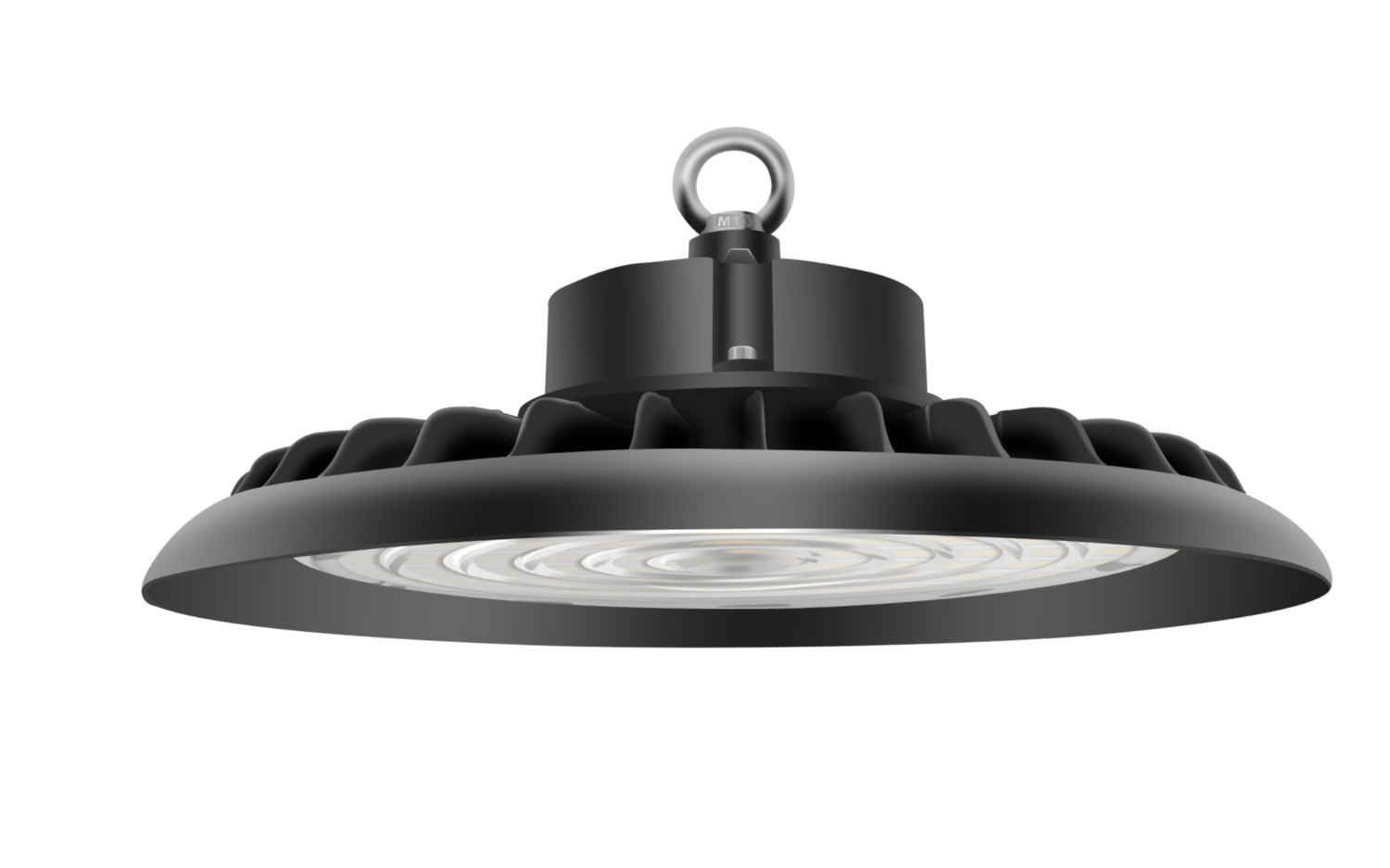
Lighting inside a data center is more than visibility. It affects worker safety, cooling efficiency, and energy costs.

4. Data Centers in the Age of AI Workloads
AI workloads have shifted infrastructure planning. GPUs produce 5–7x the heat of CPUs. This changes everything: rack densities, cooling adoption, and fixture durability.
5. Energy Efficiency and Compliance in Data Center Infrastructure
Energy is the biggest cost driver. Operators evaluate PUE (Power Usage Effectiveness). Lighting impacts PUE directly. Certifications like ISO 9001, ISO 14001, and ISO 45001 matter for compliance.

6. Case Applications: Retail, Warehousing, and Beyond
Though data centers are core, lessons transfer. Retail and warehouse clients also demand efficient, durable lighting.
7. Future Outlook: Modular, Green, and Edge Data Centers
Future growth is defined by modular builds, sustainability, and edge nodes for latency-sensitive workloads. Fixtures like SeamLine allow flexible installation, supporting quick deployments.
8. Practical Checklist for Contractors and Facility Managers
Final expert guidance includes choosing tested products, integrating sensors, aligning with certifications, and tracking PUE after upgrades.
Frequently Asked Questions (FAQ)
Q1. What is the most important component of IT infrastructure inside data centers?
Power reliability is top priority—without stable electricity, servers, cooling, and lighting all fail.
Q2. Why is lighting so emphasized in data centers?
Because it affects worker safety, cooling loads, and regulatory compliance.
Q3. Are LEDs always better than fluorescents in data centers?
Yes. LEDs last longer, emit less heat, and reduce maintenance costs.
Q4. What certifications matter when selecting fixtures?
ISO 9001, ISO 14001, and ISO 45001 are baseline requirements for global projects.
Q5. How fast can lighting upgrades be deployed?
With modular battens like SeamLine, installation can take hours instead of days.