Data Center Infrastructure Management Solutions: Advanced DCIM & Intelligent Lighting Integration
Key Takeaways
| Feature or Topic | Summary |
|---|---|
| Lighting & DCIM Integration | Optimizes energy use, enhances monitoring, and supports predictive maintenance strategies. |
| Implementation Focus | Plan phased rollouts, ensure sensor accuracy, align IT and facilities teams. |
| Energy Efficiency | LED luminaires reduce heat loads, lowering cooling costs and PUE in data centers. |
| Future Trends | AI, digital twins, dense IoT sensor networks, and regulatory ESG compliance. |
Understanding Intelligent Lighting Controls
Lighting plays an underestimated but crucial role in data center infrastructure management. Intelligent lighting controls are no longer simple motion sensors; they now integrate with CAE Lighting systems to provide real-time monitoring of occupancy, energy use, and even environmental conditions.
Advanced controls enable zoned dimming, automated emergency testing, and predictive maintenance alerts when luminaires are near end-of-life. These features reduce manual intervention and ensure compliance with safety codes. For example, pairing lighting with DCIM allows facility managers to overlay heat maps of energy consumption with lighting performance data, identifying inefficiencies faster.
Overview of DCIM Software
DCIM software integrates data across IT assets, power chains, cooling systems, and environmental sensors. It is designed to replace siloed monitoring tools with a single pane of glass for operators. Core capabilities include:
- Asset discovery and lifecycle management
- Power chain mapping and energy usage tracking
- Thermal monitoring with real-time hotspots
- Capacity planning across racks and white space
- Visualization tools: 2D/3D layouts for racks, cabinets, and rooms
CommScope’s iTRACS, for example, integrates with imVision to provide visibility not only into power and cooling but also connectivity at the patch panel level. This makes it possible to model risks that standard DCIM systems might miss.
The Need for Integration
Without integration, data centers operate in silos: power monitoring on one dashboard, ITSM tickets on another, lighting in a standalone BMS, and security systems elsewhere. This fragmentation leads to blind spots. A fully integrated DCIM ecosystem provides holistic control over:
- Power usage effectiveness (PUE)
- Cooling and airflow efficiency
- Asset utilization
- Lighting and environmental conditions
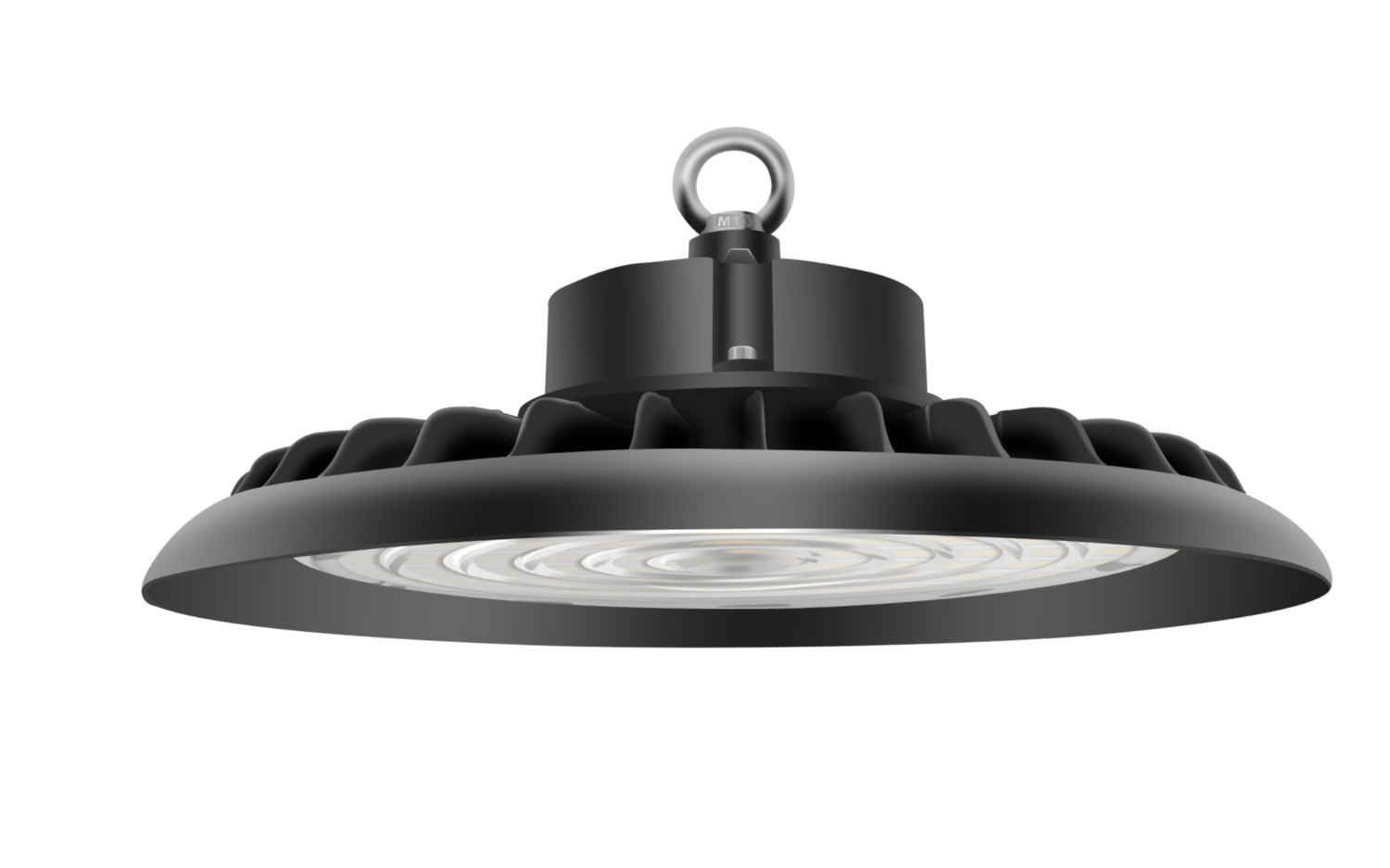
CAE Lighting’s Budget High Bay fixtures, when linked into DCIM, allow operators to correlate lighting loads with HVAC performance, ensuring that illumination doesn’t contribute unnecessary heat into high-density areas.
Technical Aspects of Integration
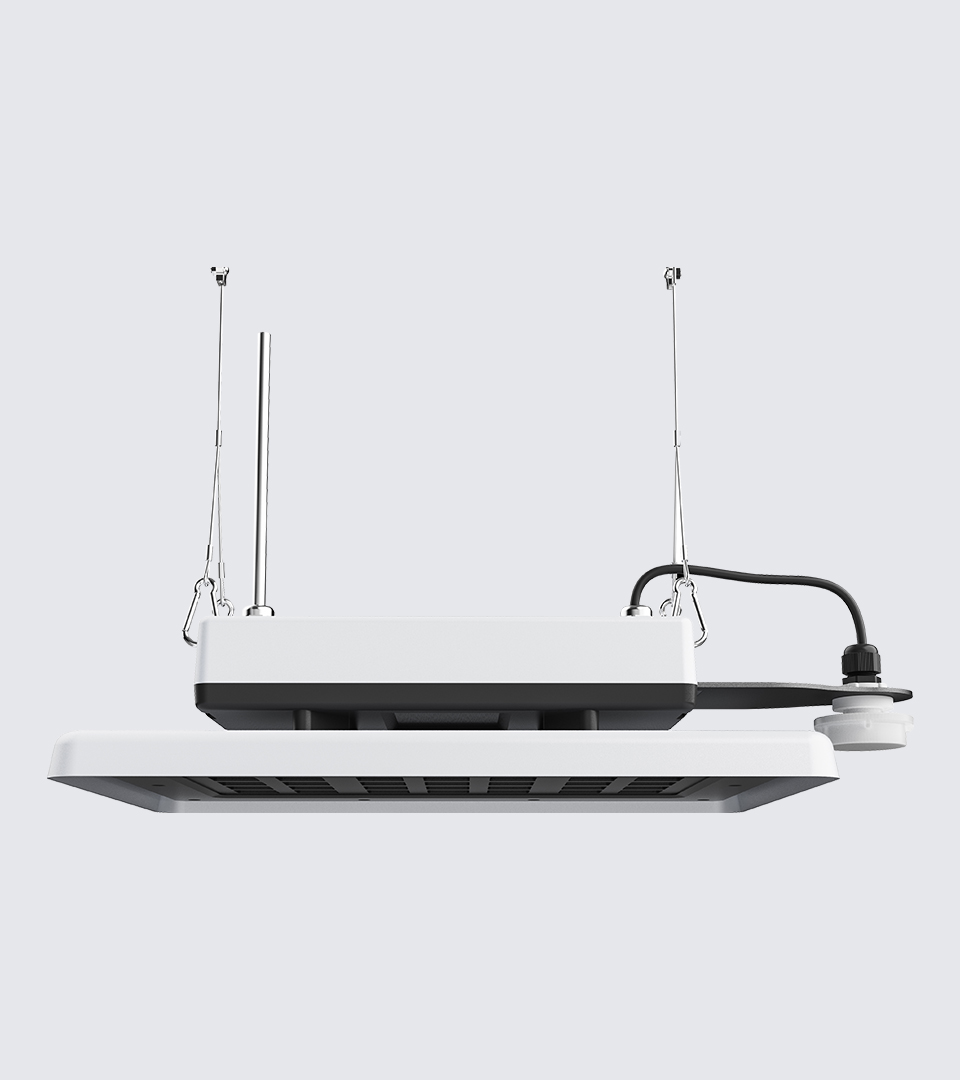
Integration requires adherence to protocols like BACnet, Modbus, and SNMP. Lighting systems must provide APIs or gateway controllers to push data into the DCIM platform. The Squarebeam Elite is engineered with advanced drivers that minimize harmonic distortion, ensuring accurate monitoring of electrical parameters when connected into DCIM.
From a technical perspective, engineers should plan for:
- Sensor density (one per 50–100 sq. meters recommended)
- Low-latency communication between devices
- Cybersecurity hardening for IoT endpoints
- Standardized naming conventions across BMS and DCIM databases

Implementation Strategies
DCIM deployment should follow a phased strategy:
- Audit current monitoring systems and identify gaps.
- Establish integration priorities: power and cooling first, followed by lighting and IT assets.
- Pilot deployment in a controlled environment before scaling.
- Train IT and facilities staff jointly, breaking down siloed responsibilities.
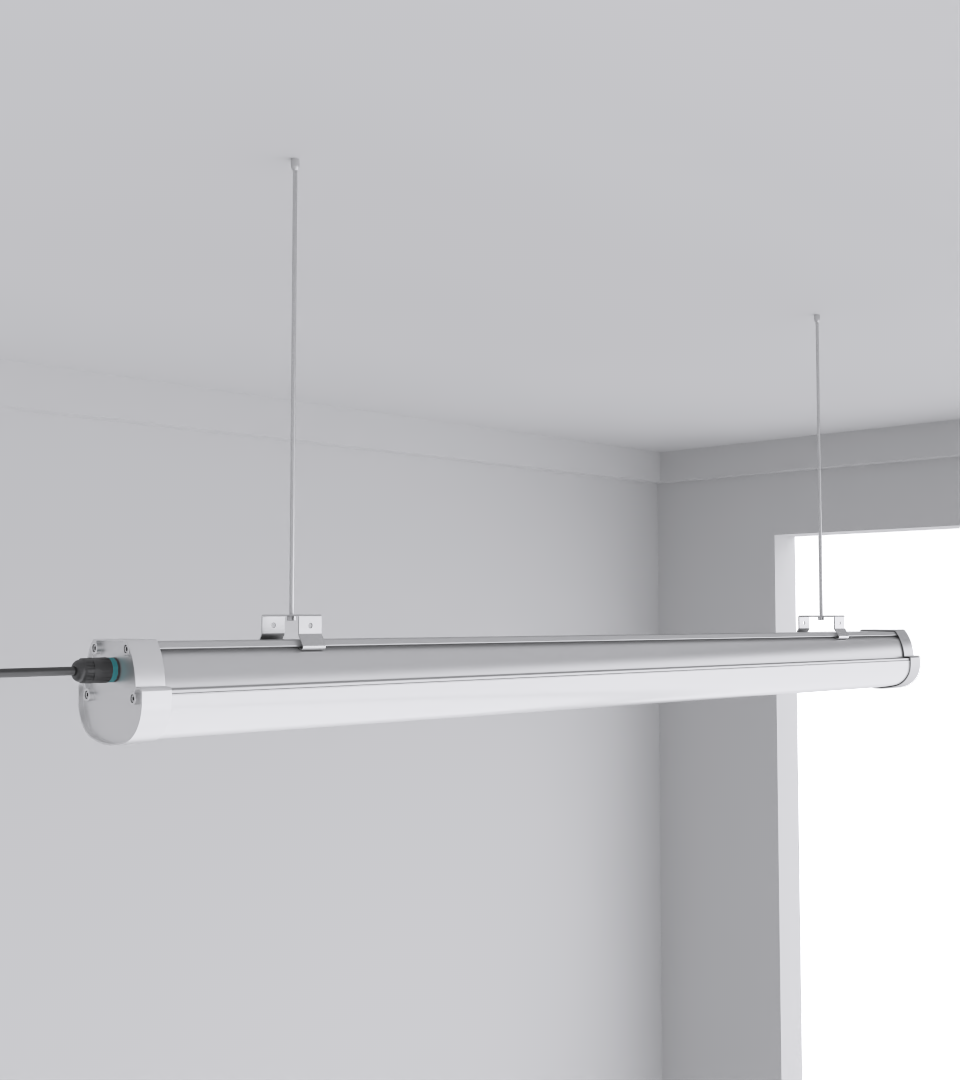
The SeamLine Batten is frequently used in pilot rollouts because its modular installation allows fast testing of corridor illumination and occupancy sensor performance.

Energy Efficiency and Sustainability
Energy savings are among the most immediate benefits of combining DCIM with advanced LED lighting. LEDs produce less heat, reducing cooling requirements, and DCIM tracks these savings directly through PUE calculations. CAE’s Quattro Triproof Batten is IP65 rated, providing both durability and energy efficiency in high-humidity or dusty environments typical of certain edge facilities.
Key efficiency measures include:
- Automated dimming during low-traffic hours
- Integration with daylight harvesting controls
- Correlating lighting power draws with cooling loads in DCIM
- Predictive maintenance to replace failing units before efficiency drops
Operational Benefits
Operators report a range of tangible improvements when DCIM and intelligent lighting controls are combined:
- Reduced downtime through predictive alarms
- Improved worker comfort and safety with circadian lighting
- Faster troubleshooting through correlated data
- Lower total cost of ownership (TCO)
In one Southeast Asia colocation facility, integrating Squarebeam Elite luminaires with DCIM helped identify over-illuminated cold aisles, enabling dimming without compromising compliance, reducing both cooling load and power consumption by 12%.
Challenges and Solutions
Integration is not without challenges. Common pitfalls include:
- Underestimating integration complexity across multiple vendor systems
- Poor data quality due to miscalibrated sensors
- Siloed ownership between IT and facilities teams
- Cybersecurity gaps in IoT devices
Solutions involve upfront planning, accurate baseline measurements, joint ownership models, and strict adherence to IT security frameworks. Partnering with vendors like CAE Lighting, who provide SeamLine Batten and Budget High Bay fixtures tested for industrial environments, reduces risk during rollout.
Future Trends
The next generation of DCIM will move beyond monitoring into predictive intelligence. Emerging trends include:
- AI & ML: anomaly detection and predictive cooling adjustments
- Digital Twins: creating real-time 3D replicas of facilities
- Dense IoT Sensors: wireless and low-power devices covering microzones
- Sustainability Reporting: automated ESG data integration
Lighting systems such as the Quattro Triproof Batten and Squarebeam Elite will remain integral in feeding energy data directly into DCIM dashboards, helping organizations validate compliance and efficiency improvements.
Frequently Asked Questions (FAQ)
Q1: How does DCIM differ from BMS?
DCIM covers IT, power, cooling, and asset visibility, while BMS manages facility systems like HVAC and fire safety.
Q2: Can lighting be directly integrated into DCIM?
Yes, via standardized protocols like BACnet or Modbus. Fixtures like SeamLine Batten can feed power and occupancy data directly into DCIM dashboards.
Q3: What is the ROI of integrating lighting with DCIM?
ROI comes from lower cooling costs, extended fixture lifespan via predictive maintenance, and compliance savings. Typical payback is