
Data Center Network Cabling Explained: TIA Standards, Cabling Topologies, and Future-Proofing Strategies
- Why Network Cabling Defines Data Center Performance
- Standards and Compliance: TIA-942, ISO, and BICSI
- Copper vs Fiber: Choosing the Right Medium
- Cabling Architectures: ToR, MoR, EoR, Spine-Leaf
- Cable Pathways, Cooling & Management
- Testing, Certification & Reliability
- Product Integration and Real-World Applications
- Future-Proofing Data Center Cabling
- Frequently Asked Questions (FAQ)
Key Takeaways
| Feature or Topic | Summary |
|---|---|
| Cabling Importance | Defines data center uptime, performance, and scalability. |
| Compliance | TIA-942, ISO/IEC 24764, and BICSI 002 set global frameworks. |
| Copper vs Fiber | Copper fits short runs, fiber dominates high-speed and distance. |
| Architectures | ToR, MoR, EoR, and spine-leaf impact density and airflow. |
| CAE Lighting Integration | Products like Squarebeam Elite and SeamLine Batten align with infrastructure needs. |
1. Why Network Cabling Defines Data Center Performance
Every data center’s backbone isn’t the servers or the racks — it’s the cabling that stitches everything together. Cabling is where performance is made or broken, whether it’s copper for short-distance interconnects or high-bandwidth fiber running across rooms. A poorly planned cabling system creates bottlenecks, airflow blockages, and troubleshooting nightmares.
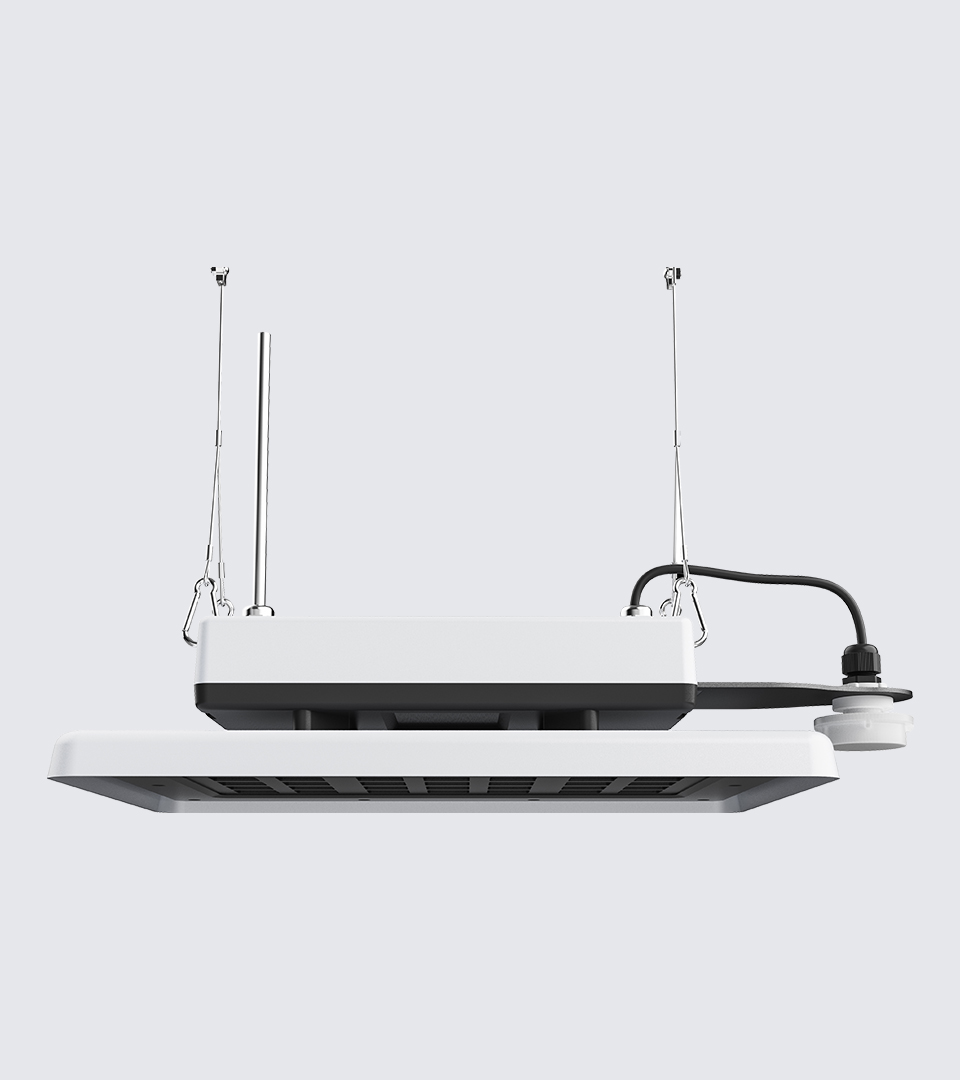
From an operational view, the same principles apply to lighting infrastructure. Products like the
Squarebeam Elite linear luminaire, built for high-output environments, share the same logic as structured cabling: engineered reliability, efficient energy use, and predictable long-term operation.
2. Standards and Compliance: TIA-942, ISO, and BICSI
The cabling inside a data center is never arbitrary. It follows internationally recognized standards such as TIA-942 (covering functional areas like MDA, HDA, and ER), ISO/IEC 24764 (global structured cabling), and BICSI 002 (design & operations guidance). These ensure predictable performance, redundancy, and safety.
- TIA-942: Functional areas and redundancy levels.
- ISO/IEC 24764: Structured cabling for enterprise facilities.
- BICSI 002: Practical guidelines for reliability and layout.
3. Copper vs Fiber: Choosing the Right Medium
The ongoing debate in network design is copper versus fiber. Copper (Cat6, Cat6A, Cat7, Cat8) is cost-efficient and easier to terminate on-site but struggles beyond 100 meters. Fiber, whether OM4 multimode or OS2 single-mode, dominates high-speed, long-distance interconnects (40G, 100G, and above).
| Medium | Max Speed | Distance | Cost |
|---|---|---|---|
| Copper Cat6A | 10G | 100m | Low |
| Copper Cat8 | 25-40G | 30m | Moderate |
| OM4 Fiber | 100G | 150m | Higher |
| OS2 Fiber | 400G+ | 10km+ | High |

4. Cabling Architectures: ToR, MoR, EoR, Spine-Leaf
The architecture chosen dictates cabling density and management.
Top of Rack (ToR) reduces horizontal cabling but increases switch count.
End of Row (EoR) centralizes switches but adds longer cable runs.
Spine-Leaf is today’s dominant model, balancing scalability and predictable latency.
5. Cable Pathways, Cooling & Management
Airflow in a data center is life or death for hardware. Poor cabling can block CRAC units, restrict underfloor air, and create hotspots. Pathways should follow ladder racks or underfloor trays with strict fill ratios. Bundling with Velcro (not zip ties) preserves bend radius and avoids crushing.
- Separate power and data pathways to reduce EMI.
- Keep fill ratios under 50% for expansion and cooling.
- Color-code and label all pathways for traceability.
6. Testing, Certification & Reliability
No installation is finished until every run is tested. Copper requires continuity, attenuation, and crosstalk tests. Fiber needs insertion loss and OTDR analysis. Certification isn’t paperwork; it’s proof your infrastructure will survive real workloads.
7. Product Integration and Real-World Applications
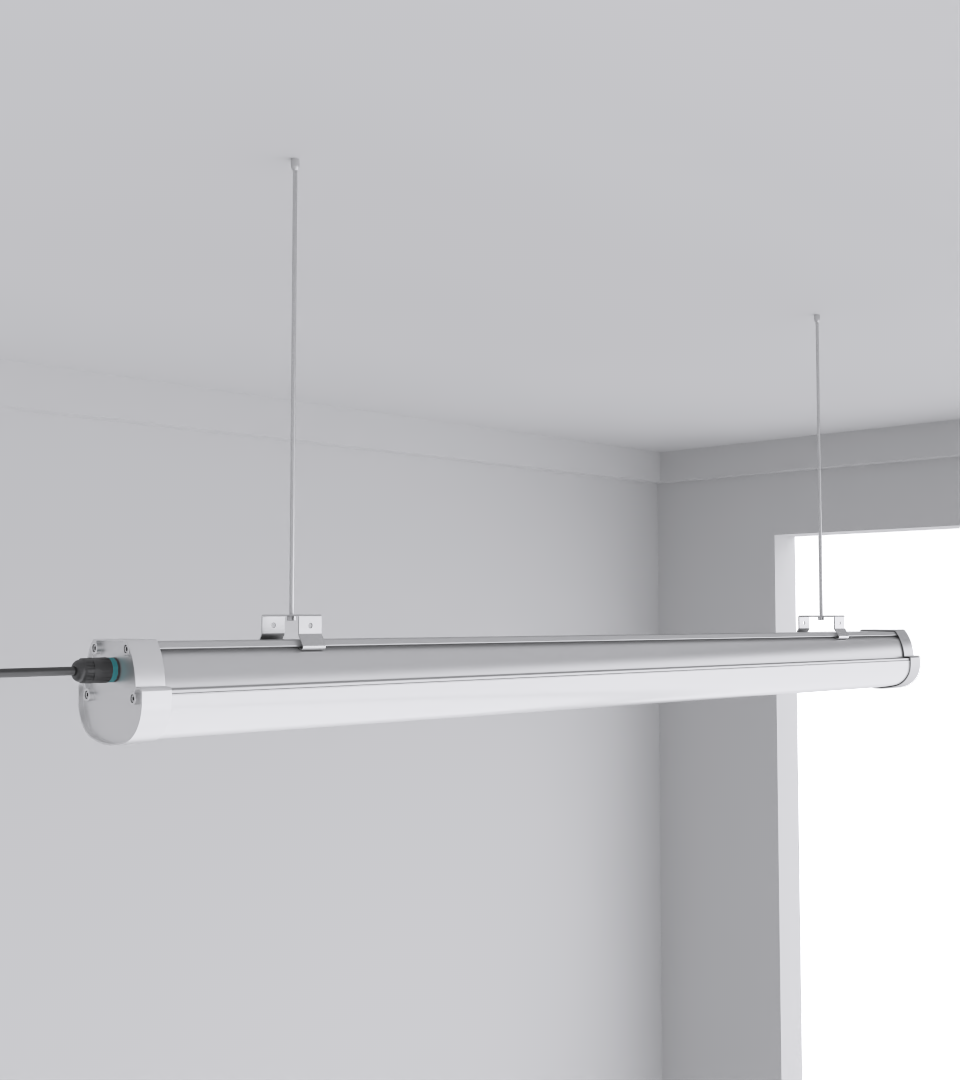
In real data centers, lighting and cabling aren’t separate silos. They share trays, ducts, and ceilings. CAE Lighting’s
SeamLine Batten is often deployed in raised-floor corridors where bundled fiber trays also run, ensuring visibility during maintenance without increasing thermal load.
8. Future-Proofing Data Center Cabling
The future of cabling lies in denser MPO/MTP connectors, 400G–800G fiber interconnects, and prefabricated plug-and-play trunk systems. Edge data centers will require shorter, more modular cabling strategies, often with integrated power/data trays.
Frequently Asked Questions (FAQ)
Q1: What’s the most common mistake in data center cabling?
Poor labeling and documentation — leading to wasted time and risk during troubleshooting.
Q2: Is copper still viable for new builds?
Yes, Cat6A and Cat8 remain viable for short-run interconnects, but fiber dominates for high-speed core links.
Q3: How often should cabling be audited?
At least once a year — abandoned or damaged cables create airflow blockages and safety risks.
Q4: How does lighting interact with cabling?
Shared pathways and heat output make coordination essential. Proper luminaires reduce maintenance errors in patch panels and trays.
Q5: What products are best for cabling corridors?
CAE Lighting’s SeamLine Batten and Quattro Triproof Batten are optimized for corridor and rack-adjacent use.