
Data Center Network Limitations Explained: Performance, Scalability, and Design Best Practices
–
- What a Data Center Network Really Is
- Architectures and Topologies
- Bandwidth, Latency, and Throughput Limits
- Power and Cooling Constraints
- Redundancy and Fault Tolerance
- Standards, Metrics, and Compliance
- Emerging Technologies for Network Constraints
- Planning, ROI, and Future Outlook
- Frequently Asked Questions (FAQ)
Key Takeaways
| Question | Quick Answer |
|---|---|
| What is a data center network? | A structured system of switches, routers, servers, and interconnects handling traffic inside and outside the facility. |
| What are the limits? | Bandwidth bottlenecks, latency, scalability, power, cooling, physical space, and cost. |
| How do designs overcome limits? | Using spine-leaf topologies, redundancy strategies (N+1, 2N), high-speed optics, and efficient cabling. |
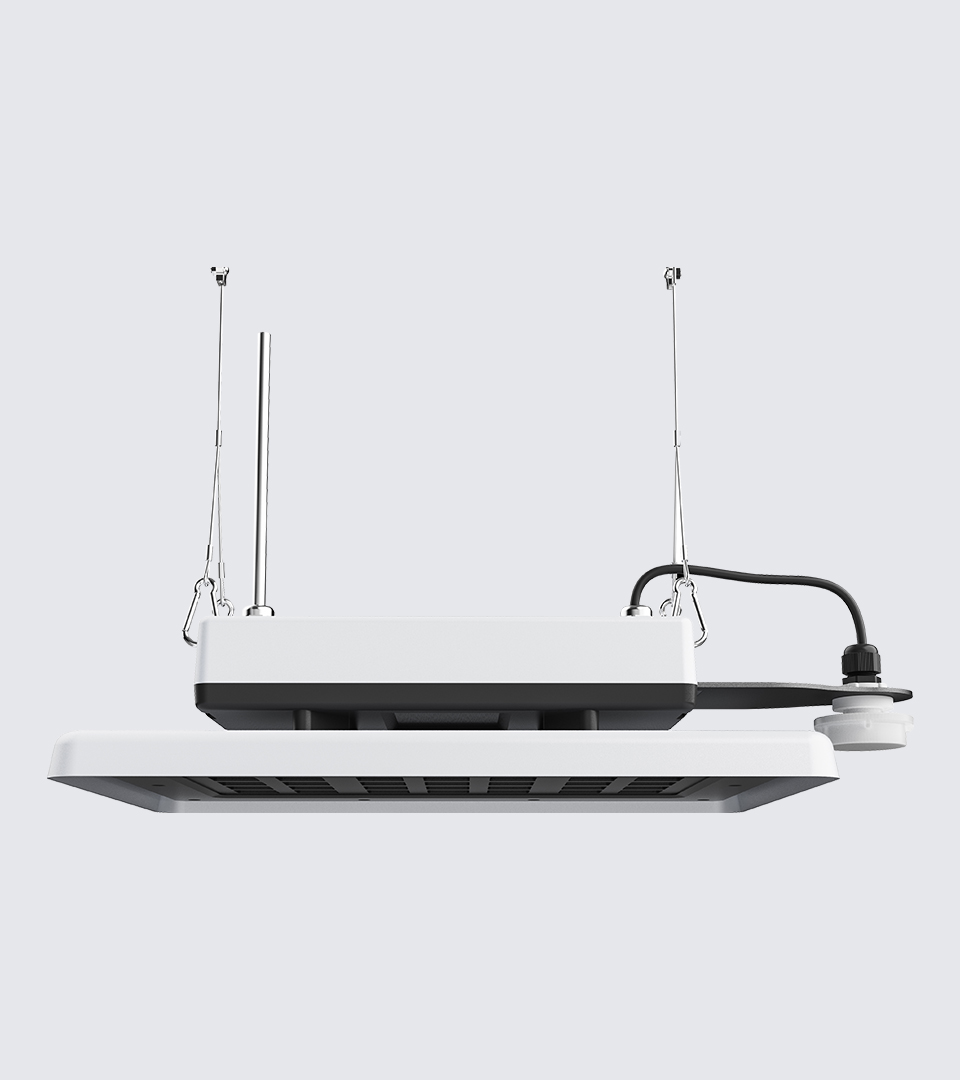
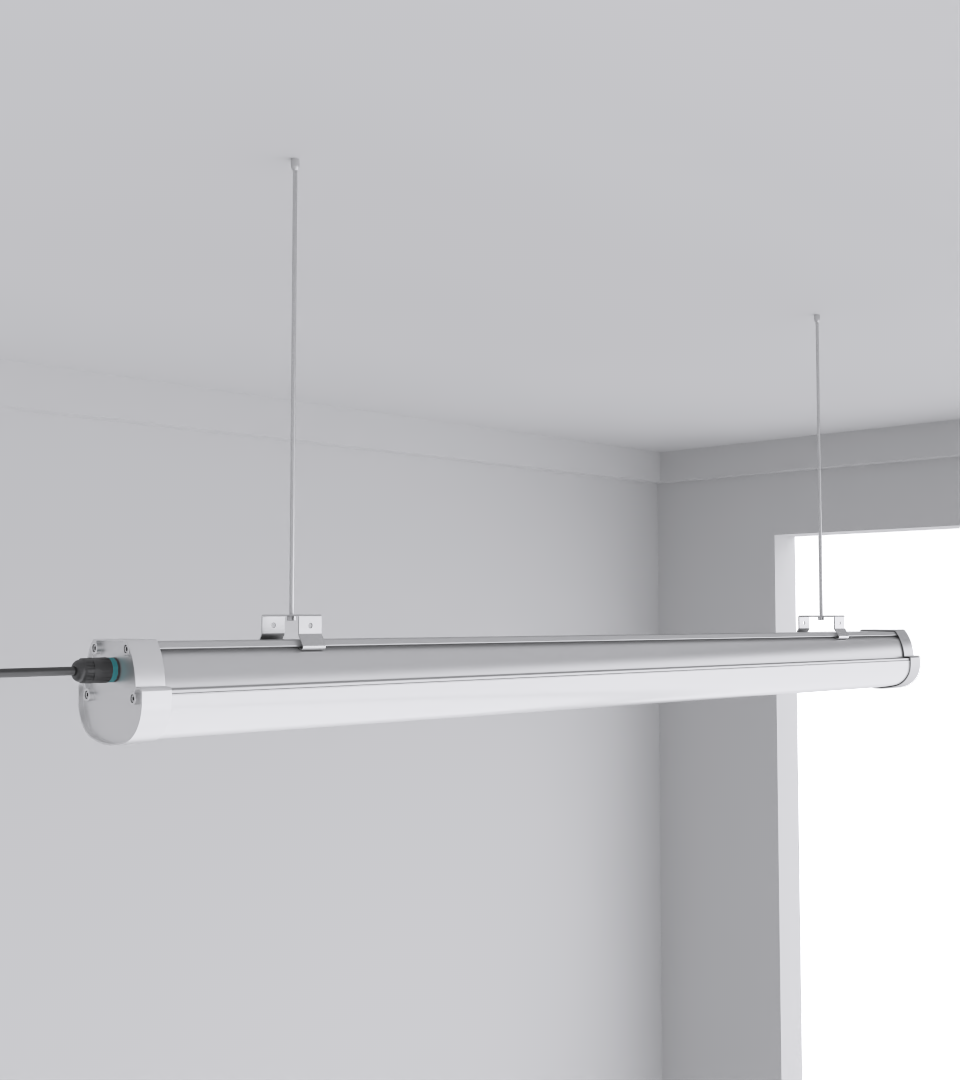
| Which products are relevant? | Industrial LED fixtures like SquareBeam Elite and Quattro Triproof Batten that address energy and cooling impacts. |
| What standards apply? | Uptime Institute tiers, TIA-942, ISO certifications, and power usage metrics like PUE. |
| Who needs to know this? | Data center architects, facility managers, IT operations teams, and contractors planning infrastructure upgrades. |
1. What a Data Center Network Really Is
A data center network is more than just cabling and switches. It’s the bloodstream of the facility, where traffic flows east-west (between servers) and north-south (to outside systems). At its simplest, it links servers, storage, and compute. But scale adds pressure: thousands of racks, millions of sessions, and constant uptime demands.
2. Architectures and Topologies
Data center networks use different topologies:
- Spine-leaf: predictable latency, scalable.
- Fat-tree/Clos: balanced traffic but cabling-heavy.
- Legacy 3-tier: more bottlenecks, less efficient.

3. Bandwidth, Latency, and Throughput Limits
Why do networks feel “limited”? Because oversubscription ratios are often pushed too far. Latency sources include:
- Serialization delay at NICs
- Switch hops
- Distance across fiber links
4. Power and Cooling Constraints
Networking gear consumes power and generates heat. In one project, switches accounted for 12% of total rack load. Cooling wasn’t sized for this. Solutions include:
- Cold aisle containment
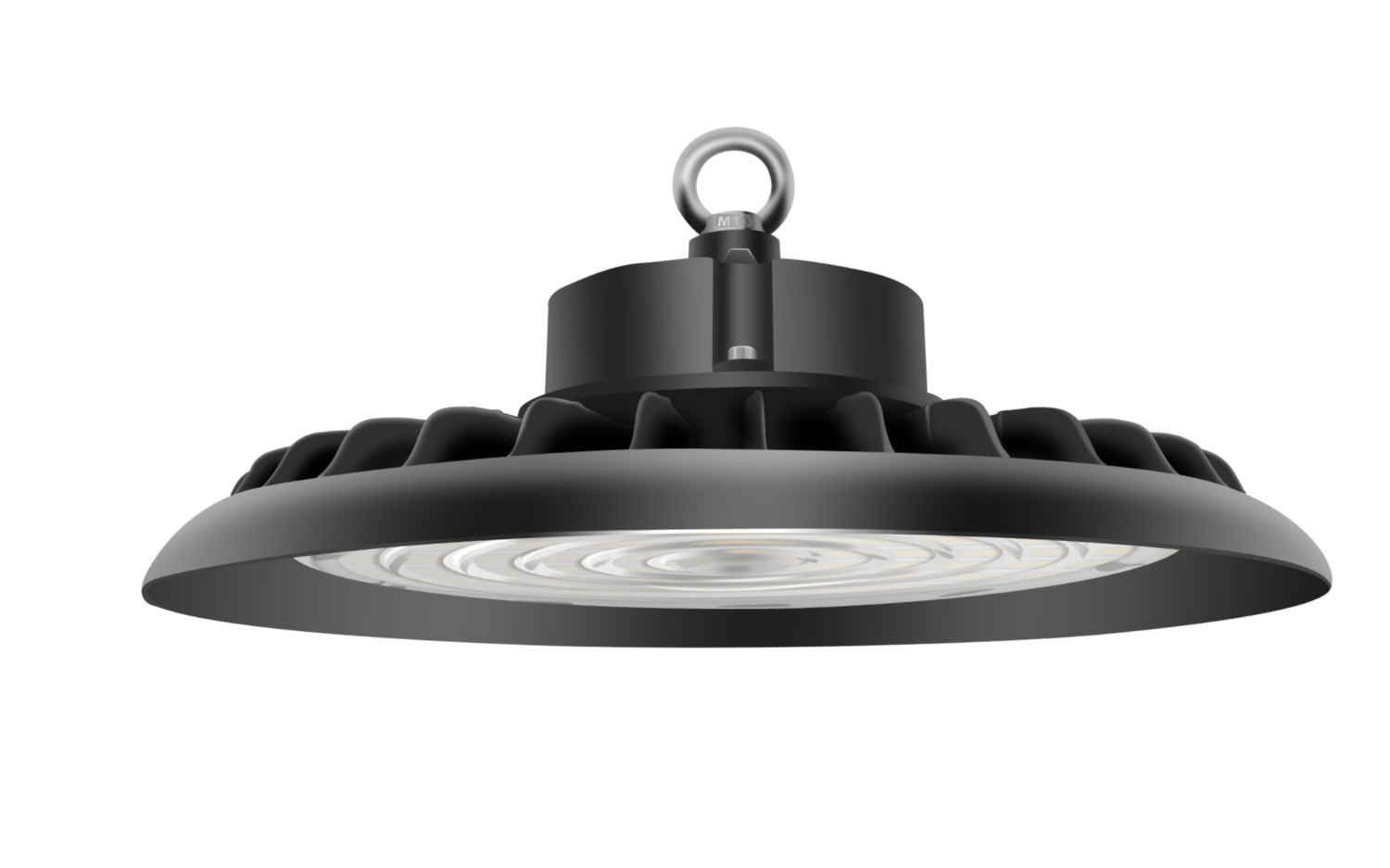
- Energy-efficient LED fixtures
- Better airflow and cable tray management
5. Redundancy and Fault Tolerance
Uptime Institute Tiers define redundancy levels:
- Tier I: single path, no redundancy
- Tier III: N+1 redundancy
- Tier IV: 2N+1, fully fault tolerant

6. Standards, Metrics, and Compliance
Important benchmarks include:
- Latency: sub-1 ms for east-west traffic
- PUE (Power Usage Effectiveness)
- TIA-942 cabling standards
- ISO certifications for quality and safety
7. Emerging Technologies for Network Constraints
New technologies help reduce constraints:
- SDN for traffic engineering
- 400G/800G optical interconnects
- Photonic switching
8. Planning, ROI, and Future Outlook
Checklist for constrained network planning:
- Define workload growth for 3–5 years
- Map redundancy model
- Size cooling and power for network gear
- Integrate energy-efficient lighting
Frequently Asked Questions (FAQ)
Q1: What does “network limited” mean in a data center?
It refers to performance or design constraints — bandwidth, latency, cooling, space, or cost — that cap what the network can handle.
Q2: How do you reduce latency in a data center network?
Use spine-leaf topologies, minimize switch hops, and deploy high-speed optics.
Q3: What role does lighting play in network limits?
Efficient fixtures reduce heat load, easing cooling pressure that also affects networking gear.
Q4: Which standards matter for data center networks?
Uptime Institute Tiers, TIA-942 cabling, ISO certifications, and metrics like latency and PUE.
Q5: What’s the most common mistake in constrained designs?
Ignoring future east-west traffic growth. Networks often fail not from lack of bandwidth, but from poor scalability planning.