

Data Center Infrastructure Monitoring (DCIM): Technical Guide to Metrics, Lighting Loads, and Smart Integration
–
- What DCIM Monitoring Really Means in Practice
- Core Metrics and Why Lighting Matters
- Monitoring Architecture and Smart Sensor Integration
- Implementation: From Baseline to Integration
- Operational Challenges and Pitfalls
- ROI, Energy Savings, and Quantitative Benefits
- Future of Monitoring: AI, Digital Twins, and ESG
- Checklist and Final Recommendations
- Frequently Asked Questions (FAQ)
Key Takeaways
| Question | Short Answer |
|---|---|
| What is Data Center Infrastructure Monitoring (DCIM)? | It’s the monitoring and management of physical systems like power, cooling, and lighting inside data centers. |
| Why does lighting matter for DCIM? | Lighting directly affects PUE, heat loads, and energy reporting — all critical metrics in DCIM dashboards. |
| Which CAE Lighting products support DCIM monitoring? | Squarebeam Elite, Quattro Triproof Batten, SeamLine Batten, and Budget High Bay Light. |
| How do LEDs integrate into monitoring platforms? | Through smart sensors, dimming modules, and energy logging systems that feed data into DCIM dashboards. |
| What outcomes can operators expect? | Energy savings of 20–40%, improved compliance reporting, reduced downtime, and optimized thermal management. |
1. What DCIM Monitoring Really Means in Practice
Data center infrastructure monitoring (DCIM monitoring) isn’t just about keeping an eye on servers — it’s about measuring and controlling every supporting system: power distribution, cooling, environmental conditions, and yes, lighting loads.
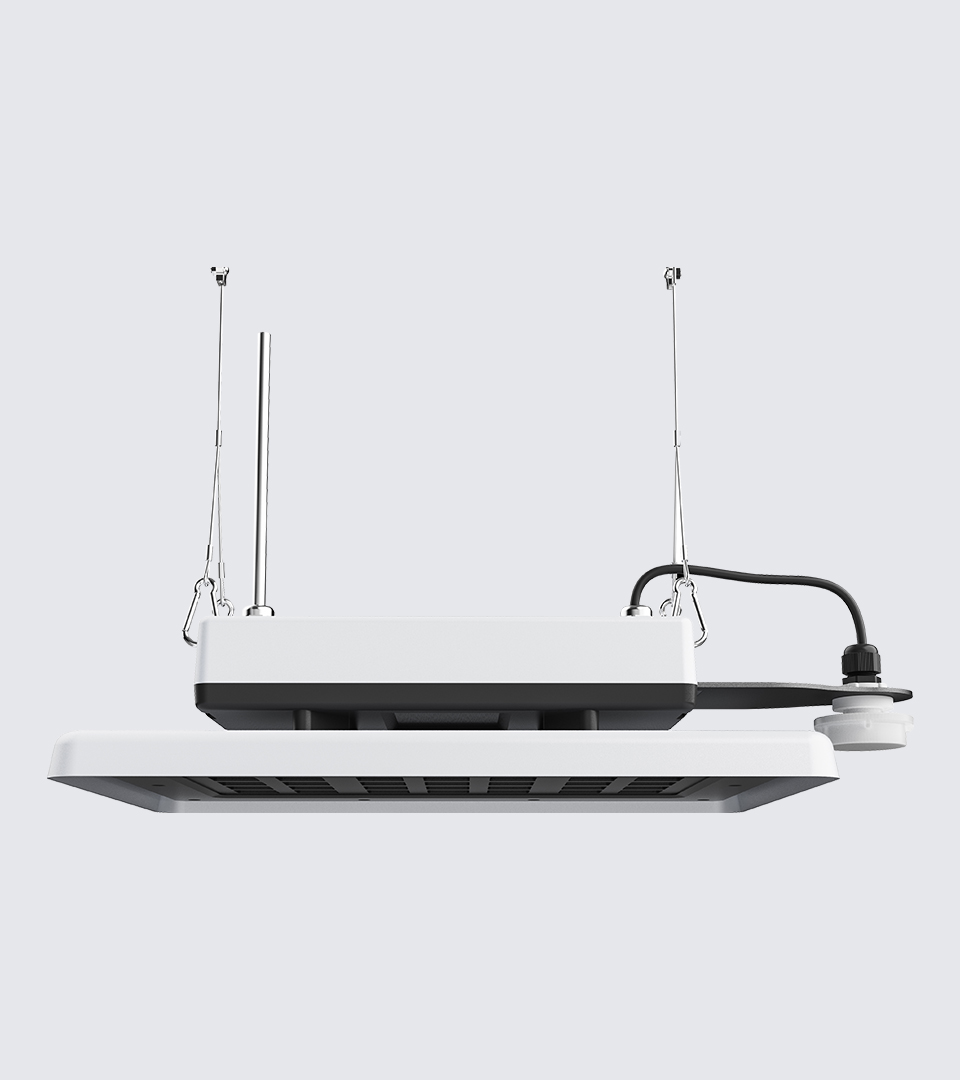
A facility’s lighting can account for 5–12% of its non-IT energy use, and poor control can distort key metrics like PUE. That’s why CAE Lighting integrates products such as the Squarebeam Elite into data center corridors and logistics halls. With high-efficiency optics and sensor modules, their energy usage can be logged directly into DCIM dashboards.
2. Core Metrics and Why Lighting Matters
Monitoring in data centers revolves around key KPIs:
- Power Usage Effectiveness (PUE)
- Data Center Infrastructure Efficiency (DCIE)
- Cooling load balance and airflow
- Redundancy / uptime percentages
- Energy cost per MW
Lighting integrates into these metrics by lowering the baseline facility load, meaning the IT load becomes a larger share of total consumption — improving PUE.
The SeamLine Batten, especially in its motion-sensor version, is a practical tool here. It runs at 10% background brightness in idle corridors, instantly jumping to 100% when technicians enter.

3. Monitoring Architecture and Smart Sensor Integration
A modern monitoring system involves:
- Sensors: temperature, humidity, airflow, vibration, occupancy
- Protocols: SNMP, Modbus, BACnet, or REST APIs for integration
- Dashboards: 3D maps, rack-level visualizations, alarm systems
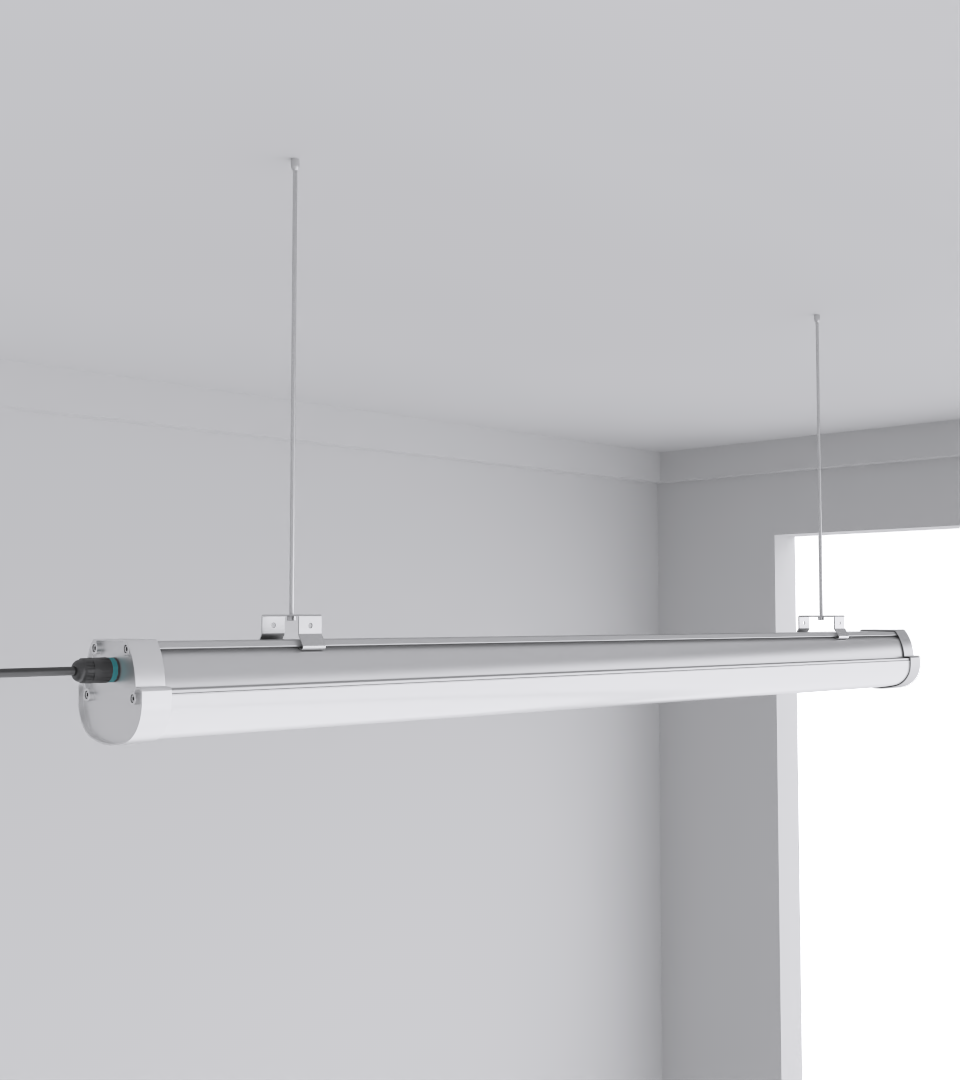
Lighting enters this architecture through smart fixtures with embedded sensors. For example, the Quattro Triproof Batten is IP65-rated, making it suitable for high-humidity service corridors.
4. Implementation: From Baseline to Integration
Implementing infrastructure monitoring requires a roadmap:
- Baseline audit — measure existing lighting, cooling, and power loads
- Sensor deployment — occupancy and energy logging modules
- Fixture replacement — phasing out legacy units for monitored CAE products
- Calibration — aligning DCIM dashboards with real-time lighting draw
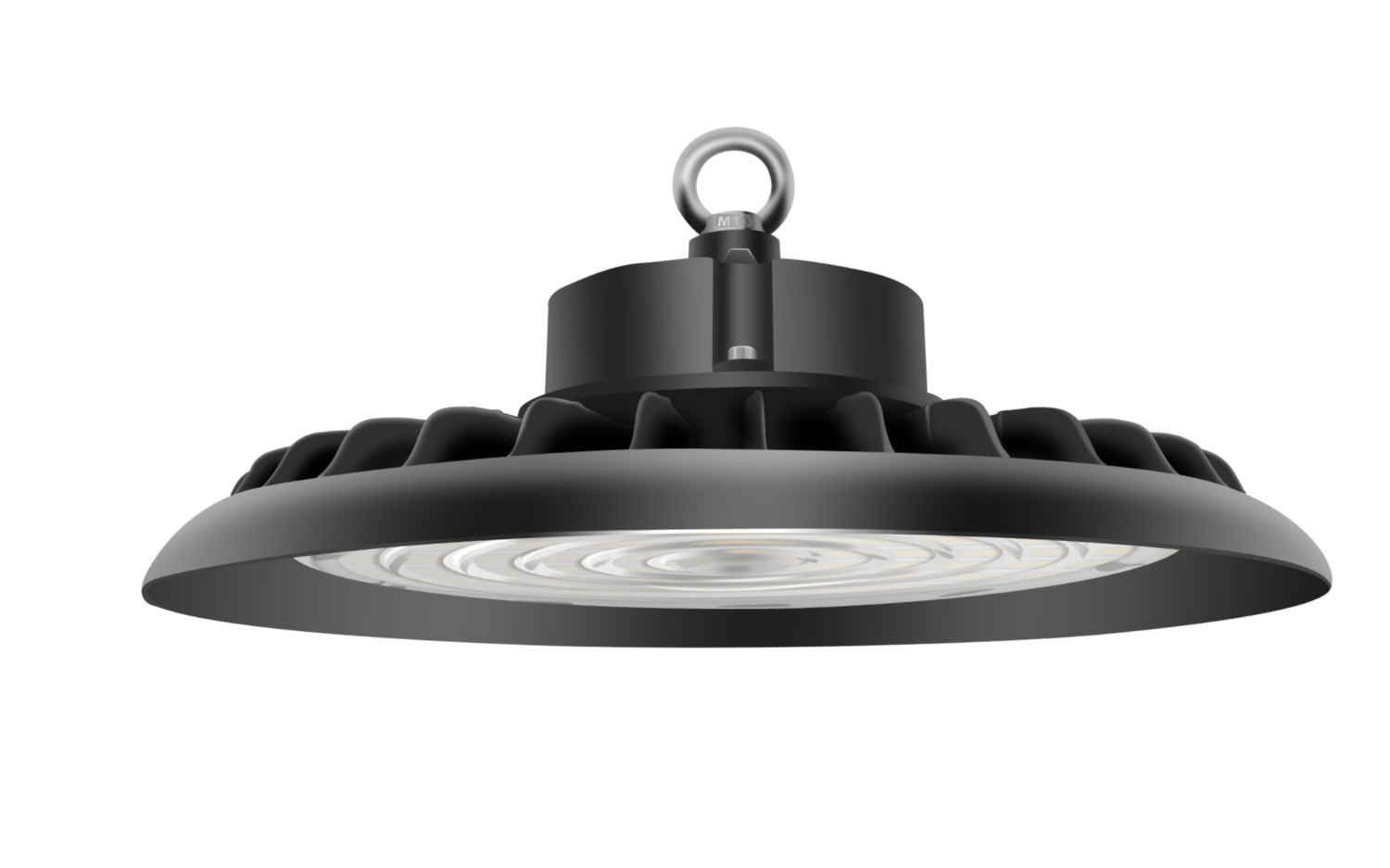
Running Budget High Bay Lights at different dimming levels and validating each power reading against the DCIM log ensures accurate monitoring.
5. Operational Challenges and Pitfalls
Monitoring isn’t automatic success. Common mistakes include:
- Under-sensing
- Over-complex dashboards
- Ignoring environmental drift
- Legacy integration gaps
CAE Lighting products reduce these risks. The Squarebeam Elite operates at 150–160 lm/W, meaning less heat per lumen compared to older solutions.
6. ROI, Energy Savings, and Quantitative Benefits
Benefits include:
- Energy reduction: Motion-sensor SeamLine Battens cut idle corridor lighting loads by up to 35%
- Cooling savings: High-efficiency LEDs like Quattro reduce heat load
- Improved PUE scores by 0.05–0.1
- Extended equipment life due to reduced heat
7. Future of Monitoring: AI, Digital Twins, and ESG
The next stage of infrastructure monitoring is predictive analytics. By integrating LEDs with IoT modules, operators can forecast:
- Driver failure timelines
- Lighting’s impact on rack-level thermal maps
- Compliance gaps before audits
8. Checklist and Final Recommendations
- Replace legacy fixtures with CAE Lighting products
- Deploy occupancy and energy sensors
- Validate loads against DCIM dashboards
- Use trend data for ESG reporting
- Review quarterly and calibrate sensors
Frequently Asked Questions (FAQ)
Q1: Is DCIM just software, or does it include hardware like lighting?
DCIM includes both — dashboards rely on data from physical systems, including lighting fixtures.
Q2: Can lighting really impact PUE that much?
Yes. Inefficient lighting can swing PUE by 0.1 or more.
Q3: Why use CAE products instead of generic LEDs?
Because products like the Squarebeam Elite and SeamLine Batten integrate easily into monitored environments, with proven efficiency.
Q4: How many sensors are needed per aisle?
Typically one occupancy sensor per 10–15 meters of corridor.
Q5: What’s the ROI timeframe?
Most projects see payback within 18–30 months.
