Key Takeaways
| Feature or Topic |
Summary |
| Energy Savings |
LED lighting can reduce energy consumption by up to 70% in data centers. |
| ROI on LED Conversions |
LED conversions offer payback periods as short as 1–2 years. |
| PUE Impact |
LED lighting significantly improves Power Usage Effectiveness (PUE) ratios. |
| Financial Incentives |
Rebates and incentives can help offset the initial costs of LED upgrades. |
Introduction
Energy consumption is one of the largest expenses for data centers, often contributing to up to 40% of their total operating costs. The importance of reducing energy use is not just about cutting costs; it’s also about minimizing environmental impact. Lighting alone accounts for a significant chunk of these energy demands, but with the advent of energy-efficient solutions like LED lighting, data centers can see substantial reductions in their energy bills.
Role of Lighting in Energy Consumption
Lighting is often an overlooked aspect when discussing energy consumption in data centers. However, the reality is that traditional lighting systems—such as fluorescent and incandescent lamps—consume a great deal of electricity and produce excess heat. This not only wastes energy but also adds to the cooling load, increasing operational costs. LED lighting, however, offers a much more efficient solution with its low power usage and minimal heat generation, resulting in lower cooling demands and, consequently, reduced energy expenses.
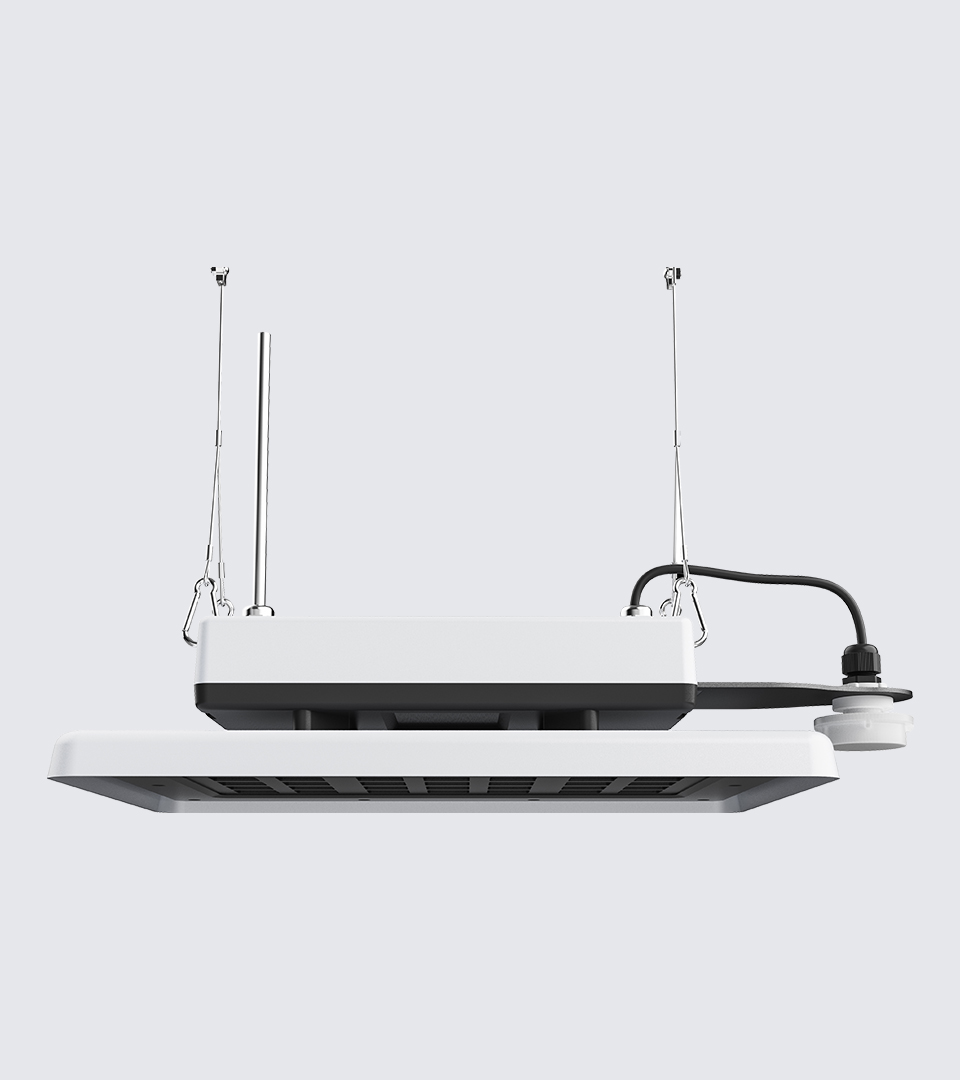
Learn more about CAE Lighting’s Squarebeam Elite
Understanding LED Technology
What Are LEDs?
LEDs (Light Emitting Diodes) are semiconductors that emit light when current flows through them. Unlike traditional bulbs, LEDs do not use filaments or gas to produce light, making them much more efficient. The evolution of LED technology has brought about a significant reduction in energy consumption and a drastic improvement in their lifespan.
Advantages of LEDs Over Traditional Lighting
When compared to traditional lighting technologies, LEDs are far superior in various aspects:
- Energy Efficiency: LEDs use up to 75% less energy than incandescent lighting.
- Longevity: LEDs last up to 50,000 hours, significantly reducing the need for replacements.
- Reduced Heat Emission: LEDs produce far less heat, which helps maintain a more stable temperature in the data center, reducing the load on HVAC systems.
Energy Savings Potential
Quantifying Energy Savings
LED lighting systems have demonstrated their ability to dramatically reduce energy usage in data centers. Case studies from various large-scale facilities show savings of up to 70% in lighting-related energy consumption after switching to LEDs. This not only contributes to lower energy bills but also helps data centers meet sustainability goals.
A comparison of energy usage before and after LED implementation shows a clear difference:
- Before: Traditional fluorescent lighting consumes around 200W per fixture.
- After: LED lighting consumes only 50W per fixture for the same output.
By converting all lighting fixtures to LED, data centers can reduce their total energy consumption, leading to significant financial savings.
Impact on Power Usage Effectiveness (PUE)
Power Usage Effectiveness (PUE) is a key metric used to measure the energy efficiency of a data center. It compares the total amount of energy used by the data center to the energy used by its IT equipment. Lower PUE values are indicative of better efficiency.
Switching to LED lighting can directly improve PUE by reducing the amount of power needed for lighting and cooling. For example, an LED retrofit in a data center could reduce the cooling load due to lower heat emissions, thus improving the overall PUE ratio.
Financial Considerations
Initial Investment vs. Long-Term Savings
Although the upfront costs of LED lighting can be higher than traditional lighting systems, the long-term savings far outweigh these initial expenditures. On average, data centers can recoup the costs of LED conversions within 1-2 years, thanks to the lower energy bills and reduced maintenance requirements.
In addition to energy savings, LED systems tend to require less frequent replacement, leading to further savings on labor and replacement parts.
Explore CAE Lighting’s products for data centers
Return on Investment (ROI) Analysis
Calculating ROI is critical when deciding whether to convert to LED lighting. For most data centers, LED conversions result in significant savings, offering payback periods of just 1-2 years. Factors influencing ROI include the size of the facility, hours of operation, and current energy prices.
Financial incentives, such as rebates from energy providers or government programs, can further reduce initial costs, making the investment more accessible.
Implementation Strategies
Planning the LED Conversion
The first step in implementing an LED conversion is to assess the current lighting infrastructure. This involves identifying the lighting types in use, their energy consumption, and areas with high lighting usage. Once this is determined, a detailed plan can be made to replace inefficient lighting fixtures with energy-efficient LEDs.
Selecting Appropriate LED Fixtures
Choosing the right LED fixtures is crucial to ensuring optimal energy savings and performance. For data centers, the following factors should be considered:
- Brightness: Ensure that the LEDs provide adequate illumination without being overpowered.
- Color Temperature: A cool color temperature (5000K) is often preferred for task-oriented environments.
- Beam Angle: LED lights with adjustable beam angles can direct light to where it is needed most, improving efficiency.
Installation and Integration
Installation can be done in phases to minimize downtime and disruption. In some cases, existing electrical systems may need to be adapted to accommodate new LED fixtures. Integration with building management systems is also recommended for monitoring and controlling lighting based on occupancy or time of day.
Advanced Lighting Control Systems
Programmable Lighting Solutions
Programmable lighting systems allow data centers to automate their lighting, reducing energy consumption further. By scheduling lighting to turn off when areas are not in use, or adjusting brightness based on occupancy, facilities can ensure they are not wasting energy.
Smart Lighting Networks
Smart lighting networks integrate sensors and IoT technology, allowing for real-time monitoring and adjustments based on usage patterns. These systems help optimize energy efficiency by making precise adjustments and providing valuable data on energy usage and lighting performance.
Synergies with Other Energy-Efficient Technologies
HVAC System Optimization
LED lighting can have a direct impact on HVAC efficiency. Since LEDs emit less heat compared to traditional lighting systems, the cooling systems can work more efficiently, reducing the overall energy consumption of the data center.
Renewable Energy Integration
LED lighting is also compatible with renewable energy systems, such as solar or wind power. By pairing LED lighting with solar panels, data centers can reduce their reliance on grid electricity and improve their sustainability efforts.
Smart Building Technologies
Integrated systems that combine lighting, HVAC, and other energy management tools can maximize energy savings in data centers. These smart systems optimize the performance of all connected components, ensuring the most efficient use of resources.
Overcoming Challenges
Addressing Common Barriers
Some common barriers to LED conversion include high upfront costs and the complexity of retrofitting older infrastructure. However, these challenges can be mitigated through phased installations and by taking advantage of available financial incentives.
Strategies for Mitigation
To minimize the financial burden, data centers can implement LED lighting upgrades in stages, focusing on areas with the highest energy consumption first. Additionally, seeking external funding, such as energy-saving grants or loans, can help offset initial costs.
Case Studies
Large-Scale Implementations
Several large data centers have successfully implemented LED lighting conversions, seeing reductions in energy consumption and improved PUE ratios. One notable example is a data center in the UK that reduced its lighting energy consumption by 60% after converting to LED lighting.
Small to Medium Enterprises
Even small and medium-sized data centers can benefit from LED lighting. A medium-sized facility in the US reported a 40% reduction in energy consumption within the first year of switching to LED lighting.
Future Trends in Data Center Lighting
Advancements in LED Technology
New LED technologies are emerging that offer even greater energy savings, such as tunable LEDs and lights with built-in sensors. These innovations will further reduce energy costs and improve the efficiency of data centers.
Regulatory Developments
As global regulations tighten around energy efficiency, data centers will be required to meet stricter standards. LED lighting conversions will help facilities stay compliant with new regulations.
Conclusion
The conversion to LED lighting in data centers presents significant energy savings, improved efficiency, and a faster return on investment. By making the switch, data centers not only reduce operational costs but also contribute to sustainability efforts. The upfront investment is quickly recouped, making LED lighting an increasingly viable solution for data centers looking to optimize their energy usage.
Call to Action: If you’re managing a data center, assess your current lighting system today and explore the benefits of upgrading to LEDs.
For further details, visit CAE Lighting’s website or check out their Squarebeam Elite LED lights.
Frequently Asked Questions (FAQ)
How much energy can I save by switching to LED lighting in my data center?
LED lighting can reduce energy consumption by up to 70%, depending on the size of the facility and the current lighting system.
What is the ROI for LED lighting conversions in data centers?
On average, the payback period for LED conversions is 1-2 years, thanks to reduced energy bills and maintenance costs.
Are there any financial incentives for upgrading to LED lighting?
Yes, many governments and energy providers offer rebates and incentives for businesses that upgrade to energy-efficient lighting solutions.
Can LED lighting integrate with other energy-efficient technologies in my data center?
Yes, LED lighting works well with HVAC systems, renewable energy sources, and smart building technologies, further enhancing energy efficiency.