Adaptive AI Lighting for Data Centers: Intelligent Controls, Real-Time Efficiency, and Scalable ROI
- Why Adaptive Lighting Is Becoming Essential in Data Centers
- Understanding Adaptive Lighting Systems in the Data Center Context
- Technical Deep Dive: How AI Powers Real-Time Light Control
- Benefits for Energy, Maintenance, and Human Performance
- Integration with Infrastructure: DCIM, HVAC, Emergency Systems
- Retrofit Strategies vs. New Build Deployments
- Calculating ROI: Cost, Time, and Operational Savings
- FAQ: Adaptive AI Lighting in Data Centers
Key Takeaways
| Feature or Topic | Summary |
|---|---|
| Integration Benefits | Energy savings, streamlined operations, enhanced monitoring, and predictive maintenance. |
| Key Protocols | BACnet, Modbus, SNMP ensure interoperability. |
| Implementation Strategies | Assess existing infrastructure, select compatible systems, phased deployment recommended. |
| Operational Advantages | Reduced downtime, improved safety, occupant comfort, and significant sustainability contributions. |
1. Why Adaptive Lighting Is Becoming Essential in Data Centers
Data centers don’t sleep, and neither should their lighting systems — but that doesn’t mean lights need to be on at full power 24/7. Adaptive lighting systems with AI offer a smarter path: they shift light levels dynamically based on real conditions inside the facility.
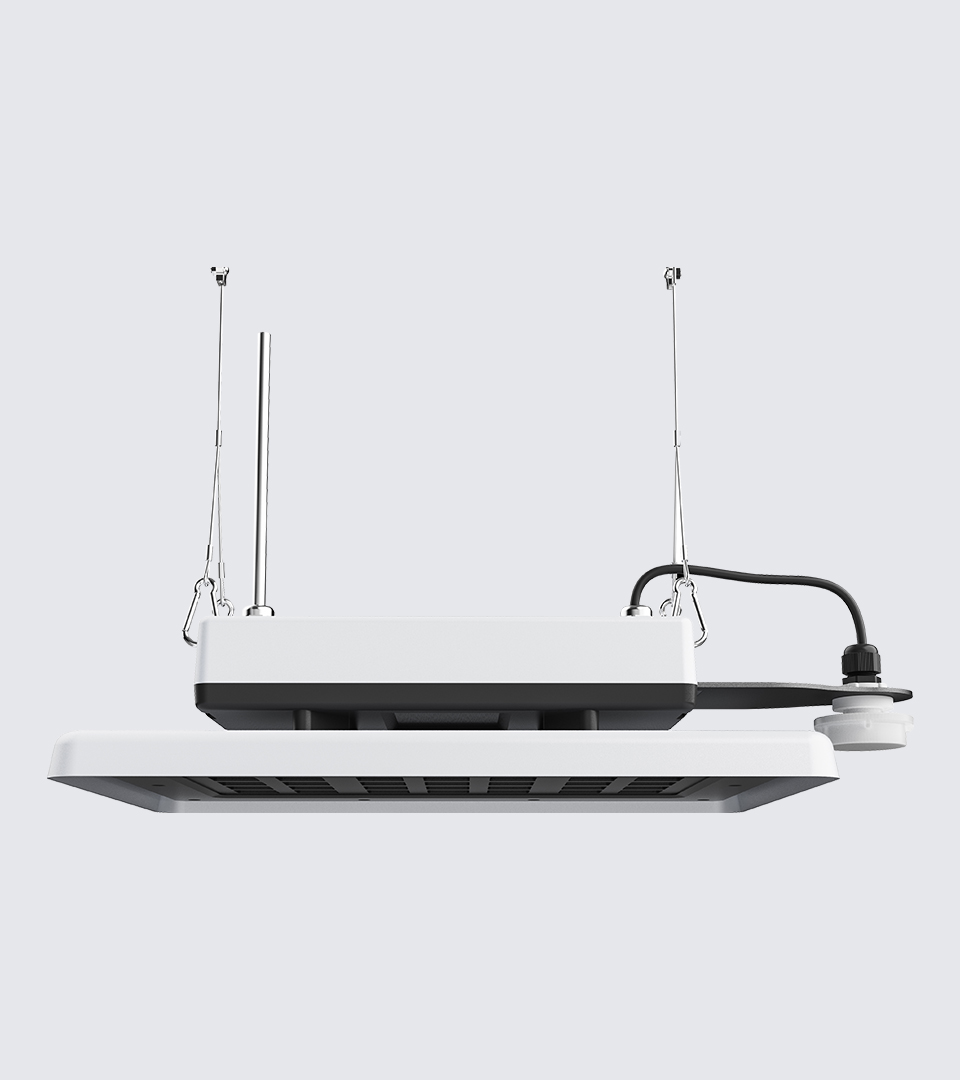
- Adaptive lighting uses sensors, machine learning, and LED tech to optimize illumination.
- Reduces energy waste by matching light output to real-time activity.
- Enhances worker safety through consistent and context-sensitive visibility.
Facilities that have implemented adaptive systems report up to 60% energy savings versus legacy static systems.
2. Understanding Adaptive Lighting Systems in the Data Center Context
Not all smart lighting is created equal. In a data center, the stakes are high — cooling loads, uptime, and compliance all tie into how lighting behaves.
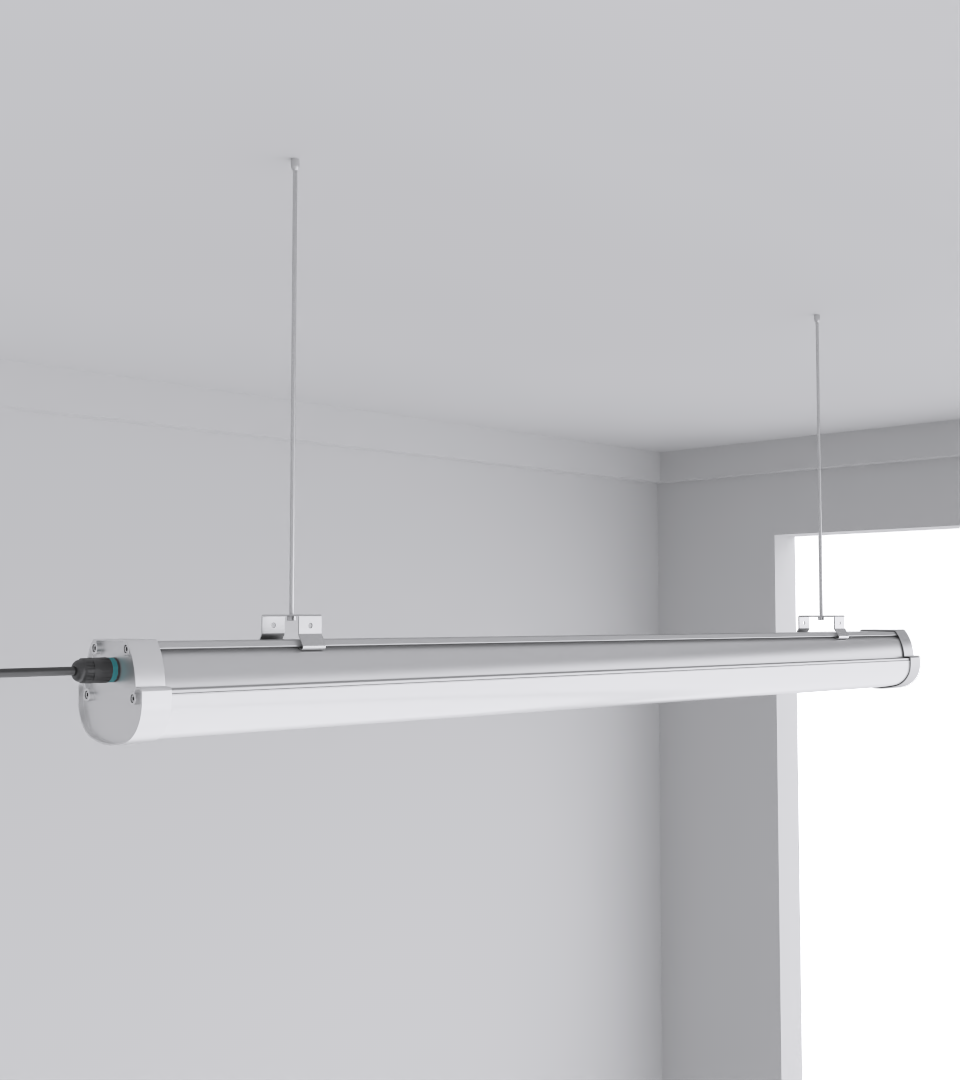
- AI Controllers – make decisions based on sensor input.
- Occupancy Sensors – detect motion, presence.
- Ambient Sensors – assess natural light, temperature.
- LED Fixtures – efficient, cool-running, long lifespan.
3. Technical Deep Dive: How AI Powers Real-Time Light Control
Machine learning isn’t just buzz — it’s central to the performance of adaptive systems. Here’s how it operates in real installations:
- Fuzzy Logic Algorithms: handle variable sensor inputs and make smooth transitions in lighting levels.
- Q-learning Models: adjust based on feedback over time, learning optimal lighting states for different room scenarios.
- Digital Twins: simulate the data center environment in real time, helping to preemptively adjust lighting behavior before actual conditions change.

4. Benefits for Energy, Maintenance, and Human Performance
- Energy Reduction: Intelligent dimming during inactive periods cuts energy draw without compromising safety.
- Reduced Maintenance: Predictive algorithms alert teams before fixture failure.
- Human-Centric Lighting: AI systems adjust based on shift schedules to support alertness and minimize fatigue.
5. Integration with Infrastructure: DCIM, HVAC, Emergency Systems
- DCIM Integration: Share sensor data with central dashboards.
- HVAC Collaboration: Lighting and cooling needs often correlate — AI can help optimize both.
- Emergency Lighting Sync: Override protocols ensure compliance during power or safety incidents.
6. Retrofit Strategies vs. New Build Deployments
- Wireless Sensor Modules: Avoids complex rewiring.
- Zoned Phases: Upgrade in segments during off-peak times.
- Quick-Mount Luminaires: Like the Squarebeam Elite, which uses snap-in brackets.
For new builds, full AI integration is simpler and should be planned at design stage — DCIM interoperability, light zoning, and sensor pathways can be embedded from the start.
7. Calculating ROI: Cost, Time, and Operational Savings
| Metric | Traditional LED | Adaptive AI LED |
|---|---|---|
| Energy Cost Savings | 40–50% | 60–75% |
| Maintenance Downtime | Medium | Low (predictive) |
| ROI Payback Period | 3–5 years | 1.5–2.5 years |
8. FAQ: Adaptive AI Lighting in Data Centers
What is adaptive lighting?
Lighting that automatically adjusts brightness and behavior based on real-time input from sensors.
How does AI improve lighting?
It learns from activity patterns to make smarter decisions, improving both efficiency and comfort.
Can I retrofit an existing data center?
Yes — wireless sensors and modular fixtures make phased retrofits feasible with no downtime.
Is it worth it financially?
Yes — most installations recoup costs in under three years.
What about emergencies or safety?
Adaptive systems override into fixed protocols during emergencies to comply with safety regulations.
For product inquiries or technical support, visit CAE Lighting’s contact page.