
Advanced Lighting Systems in Data Centers: DCIM Integration for Real-Time Control
Key Takeaways
| Feature or Topic | Summary |
|---|---|
| Integration Benefits | Energy savings, streamlined operations, enhanced monitoring, and predictive maintenance. |
| Key Protocols | BACnet, Modbus, SNMP ensure interoperability. |
| Implementation Strategies | Assess existing infrastructure, select compatible systems, phased deployment recommended. |
| Operational Advantages | Reduced downtime, improved safety, occupant comfort, and significant sustainability contributions. |
Understanding Intelligent Lighting Controls
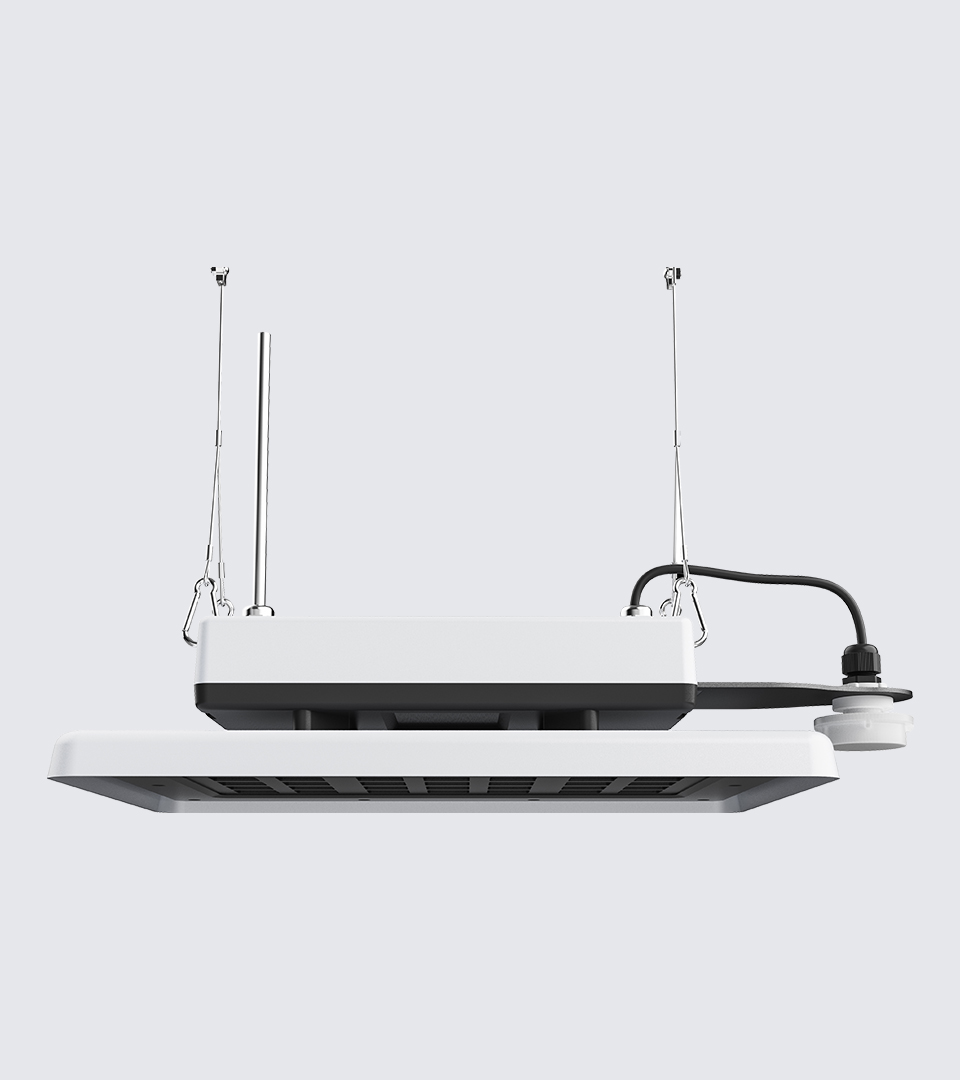
Intelligent lighting controls represent a key advancement in data center energy management. They include occupancy sensors, daylight harvesting, scheduling systems, and advanced DALI/KNX interfaces, all of which allow dynamic adjustment of lighting based on real-time needs. These systems not only optimize illumination but also integrate with broader infrastructure tools for enhanced control and responsiveness.
Overview of DCIM Software
DCIM software provides centralized oversight of data center infrastructure, blending IT asset management, environmental monitoring, and real-time analytics. It replaces fragmented tools and spreadsheets with a unified dashboard for visualizing data, enabling operators to improve operational efficiency, maintain compliance, and anticipate future capacity needs.
The Need for Integration
Modern data centers demand seamless integration of intelligent lighting controls with DCIM platforms to enable predictive lighting maintenance, optimized energy usage, and automated fault alerts. This integration strengthens the feedback loop between lighting, IT systems, and environmental monitoring, ensuring precise data collection and faster incident resolution.
Technical Aspects of Integration
Integration depends on open protocols such as BACnet, Modbus, and SNMP. These ensure interoperability between lighting systems and DCIM platforms. Proper integration allows DCIM to access lighting data, trigger events based on sensor inputs, and correlate lighting activity with other infrastructure behaviors.
Implementation Strategies
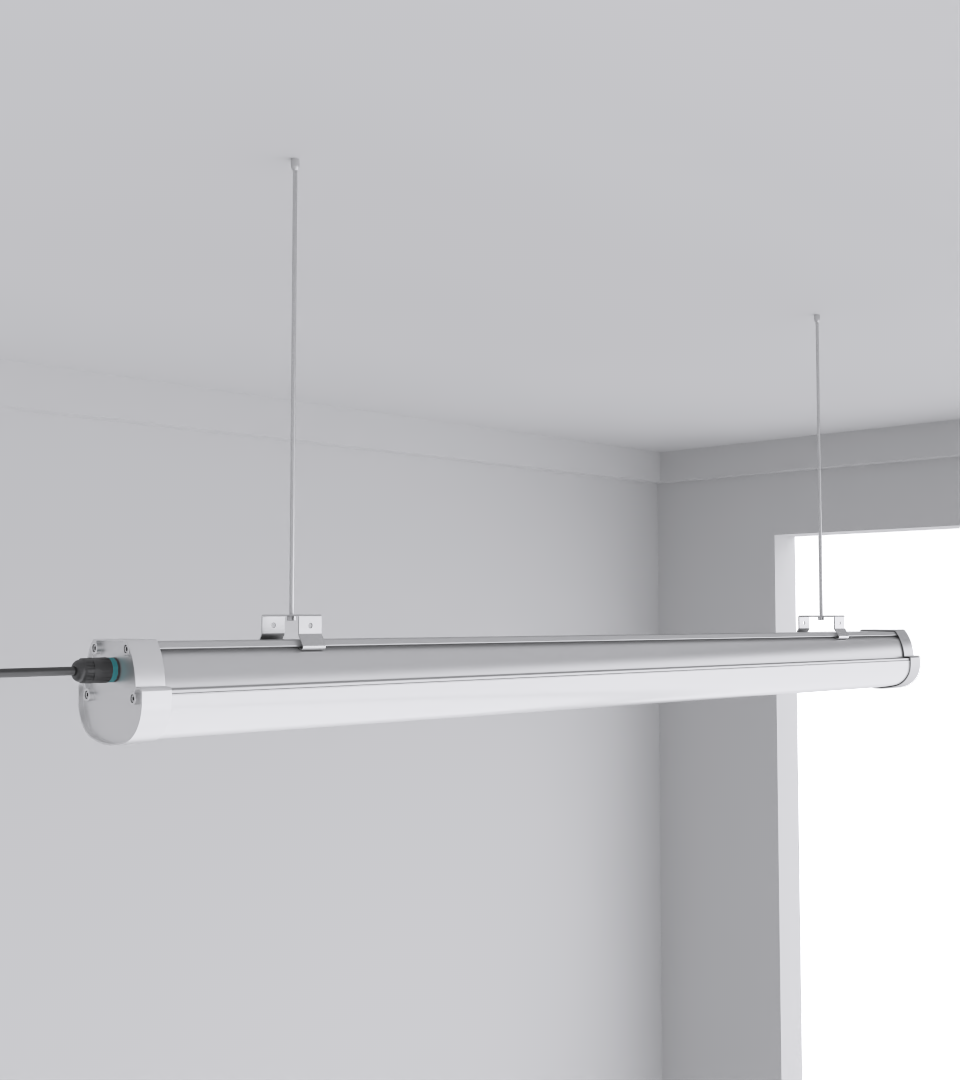
To implement intelligent lighting integration, data center operators must assess current infrastructure, identify systems compatible with open protocols, and plan phased rollouts to minimize disruption. It’s essential to involve both facility and IT teams to ensure that lighting data is fully utilized within the broader DCIM architecture.

Energy Efficiency and Sustainability
Intelligent lighting directly contributes to energy efficiency. Systems equipped with dimming, scheduling, and occupancy sensing reduce power consumption during low-traffic periods. When managed via DCIM, energy profiles can be optimized for PUE (Power Usage Effectiveness), lowering the facility’s carbon footprint and supporting green certifications.
Operational Benefits
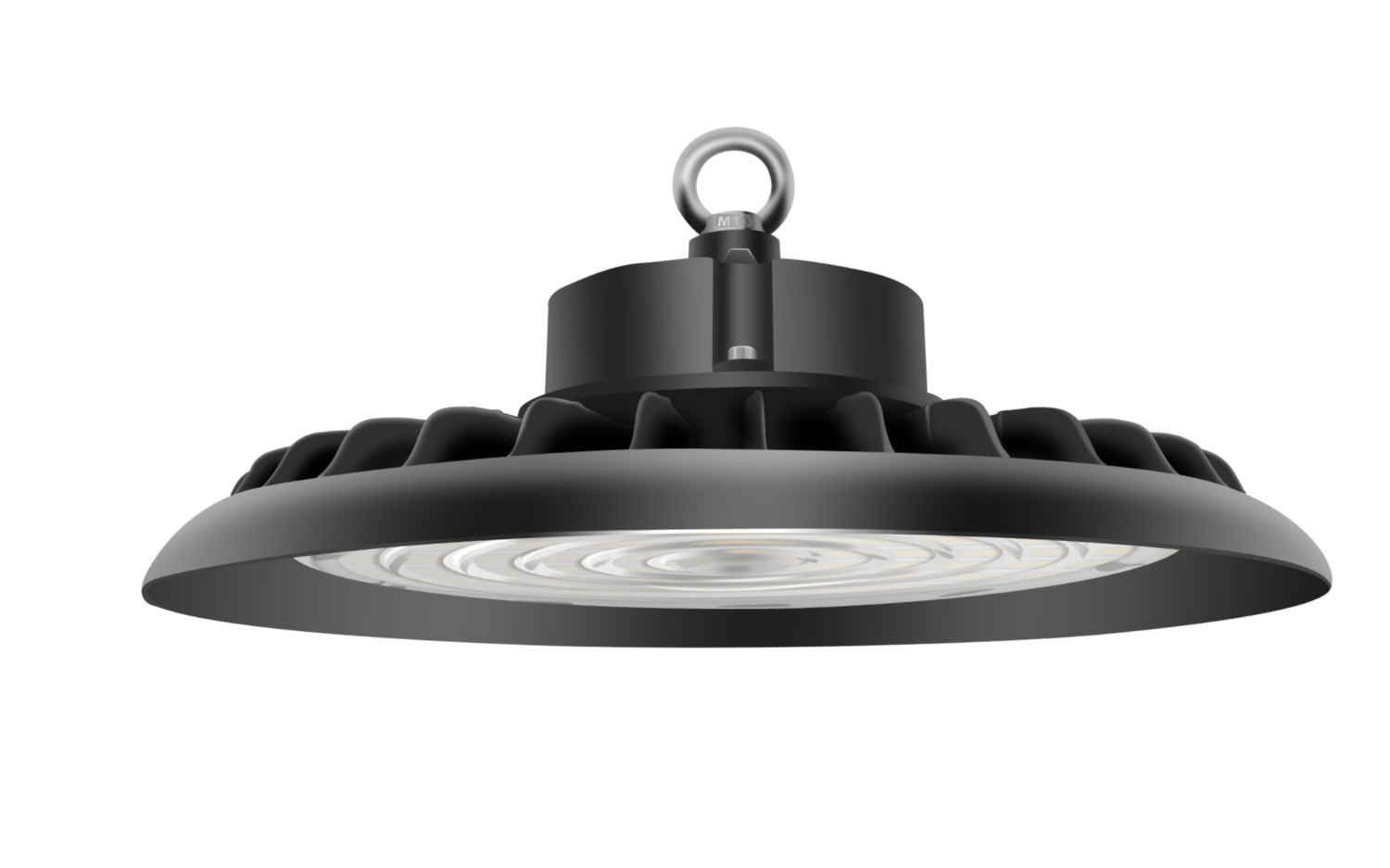
Operationally, intelligent lighting integrated with DCIM improves visibility, safety, and workflow execution. Automated controls reduce human error, while centralized dashboards empower technicians with lighting diagnostics and alert history. Enhanced visibility during maintenance also minimizes downtime and ensures compliance with safety regulations.
Challenges and Solutions
Common challenges include system compatibility, lack of standardization, and insufficient planning. These can be mitigated by selecting lighting systems that support industry-standard protocols, engaging experienced integrators, and ensuring that DCIM platforms have the capability to ingest and process lighting-related data efficiently.
Future Trends
The future of intelligent lighting in data centers will see deeper AI integration, predictive maintenance through machine learning, and tighter alignment with digital twins. As DCIM software evolves, lighting will not only be a utility but a data-rich system contributing to broader operational intelligence and strategic decision-making.

Frequently Asked Questions (FAQ)
Q1: Can intelligent lighting systems be retrofitted in older data centers?
A1: Yes. Many intelligent lighting systems are designed for retrofit applications, supporting standard fixtures and interoperable protocols that work with existing infrastructure.
Q2: What kind of sensors are typically used in intelligent lighting for data centers?
A2: Occupancy sensors, daylight sensors, and temperature-aware lighting sensors are most common. These feed data into DCIM systems for adaptive response.
Q3: Is integration with DCIM software mandatory?
A3: While not mandatory, integration significantly enhances monitoring, control, and reporting, especially for facilities focused on sustainability, cost savings, and automation.