Best Practices for Generator-Integrated Lighting in Mission-Critical Data Center Environments
- Why Generator-Backed Lighting Matters
- What a Generator-Backed Lighting System Includes
- How to Design a System That Doesn’t Fail
- Don’t Ignore the Compliance Codes
- Maintenance Isn’t Optional (Even If Nothing Breaks)
- What’s Next in Emergency Lighting Tech?
- Examples from the Field
- Final Thoughts: What We’ve Learned
- Frequently Asked Questions (FAQ)
Key Takeaways
| Topic | Summary |
|---|---|
| Purpose of Generator-Backed Lighting | Ensures safety, uptime, and compliance in critical data center environments |
| Key Components | ATS, UPS, inverters, emergency luminaires like the Squarebeam Elite |
| Design Strategy | Load mapping, circuit segregation, placement for egress and workspace visibility |
| CAE Lighting’s Role | Supplies durable, efficient LED systems tested for generator sync |
| Maintenance Needs | Includes regular battery testing, inverter checkups, and transfer switch drills |
| Innovations | Integration with IoT, renewable-ready systems, better thermal control |
| Real-World Results | Installed systems in Tier IV sites across Malaysia and Thailand with proven ROI |
1. Why Generator-Backed Lighting Matters
Data centers can’t afford darkness. That’s not a metaphor — it’s a very real liability.
When main power fails, even a 5-second blackout can crash sensitive equipment. But beyond the racks and servers, there’s human movement: technicians, engineers, security. Without clear emergency lighting, even the most redundant UPS system becomes a safety hazard.
We’ve seen setups where emergency lights weren’t tested under load — they flickered when the diesel kicked in. That’s why CAE Lighting developed systems like the Squarebeam Elite to stay stable under voltage variation and load imbalance.
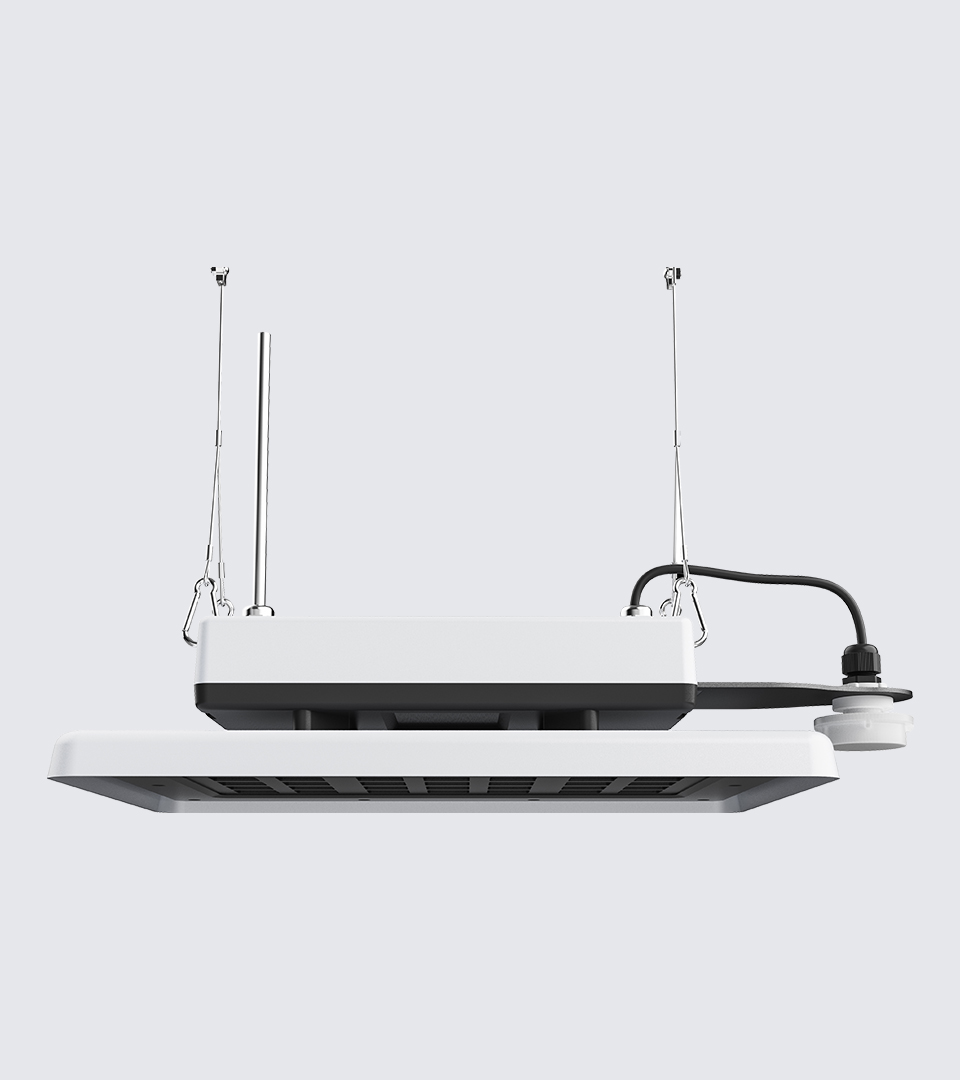
In a Tier III data hall we supported in Kuala Lumpur, the issue wasn’t the generator — it was cheap fittings. They browned out during transfer, even though the power was technically on. Lesson: reliability isn’t just about the gen-set — it’s what you hang off it.
2. What a Generator-Backed Lighting System Includes
Let’s break down what actually makes up a system like this:
- Automatic Transfer Switch (ATS): Swaps power from grid to generator
- UPS (Uninterruptible Power Supply): Fills the 0–10 sec gap between outage and generator start
- Emergency Inverter: Converts stored battery DC into AC to run luminaires
- GTD (Generator Transfer Device): Maintains emergency lighting even if main panel is isolated
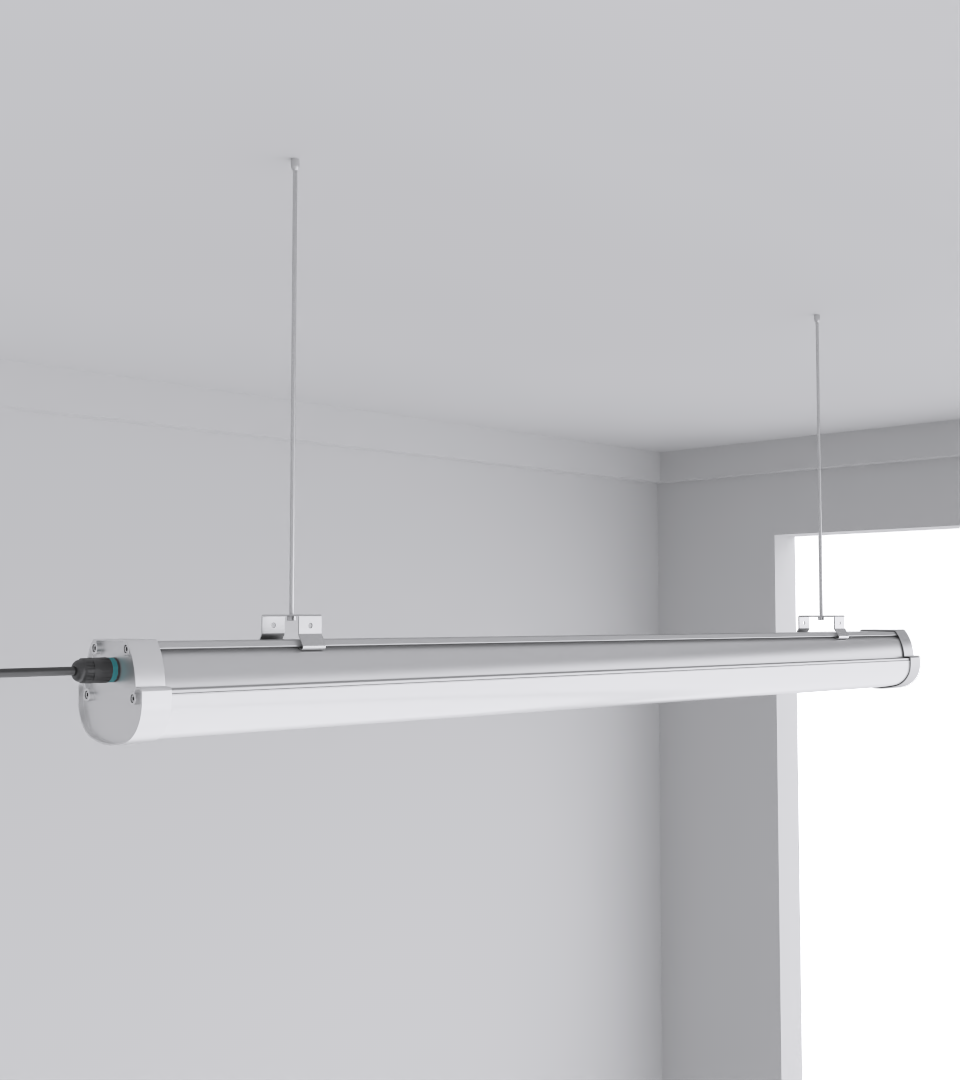
In CAE’s builds, we often use our Quattro Triproof Batten in combination with local inverters. Why? It’s IP66 and can handle high heat near generator rooms. Not every light can.
3. How to Design a System That Doesn’t Fail
Here’s what separates a decent system from one that survives an actual power cut:
🔧 Placement
- Lights must illuminate egress paths, exit signage, server corridors
- Avoid routing circuits across BMS panels without bypass options
🔢 Load Planning
- Essential: Exit, security, emergency response
- Operational: Workbench, hot aisle task lighting
- Non-essential: Accent lighting, corridor fill
🔗 BMS Integration
- Ensure lighting state syncs with:
- Gen-status
- Fire alarms
- Manual override

We recommend the SeamLine Batten where ceiling cavity depth is limited — its magnetic clips save install time too.
4. Don’t Ignore the Compliance Codes
Every major market has a slightly different rulebook. Here are the ones we stick to most:
| Standard | What It Covers |
|---|---|
| NFPA 101 | Minimum illumination levels, battery duration (90 mins) |
| UL 924 | Equipment certification, emergency function |
| IEC 60598-2-22 | Luminaire testing requirements (Asia/EU projects) |
| NEC Article 700 | U.S. projects — critical load wiring requirements |
You can’t bluff these. In a Penang facility audited in 2023, we saw a retrofit fail certification because the emergency lumens didn’t meet corridor lux thresholds. They had to rip out 130 fixtures.
5. Maintenance Isn’t Optional (Even If Nothing Breaks)
You don’t get to skip monthly inverter testing just because the lights look fine.
Maintenance Tasks:
- Battery health check (esp. for nickel-cadmium or lithium packs)
- ATS response timing (under 10 seconds ideally)
- Inverter runtime simulation (full load)
- Lumen degradation measurement (compare to baseline lux readings)
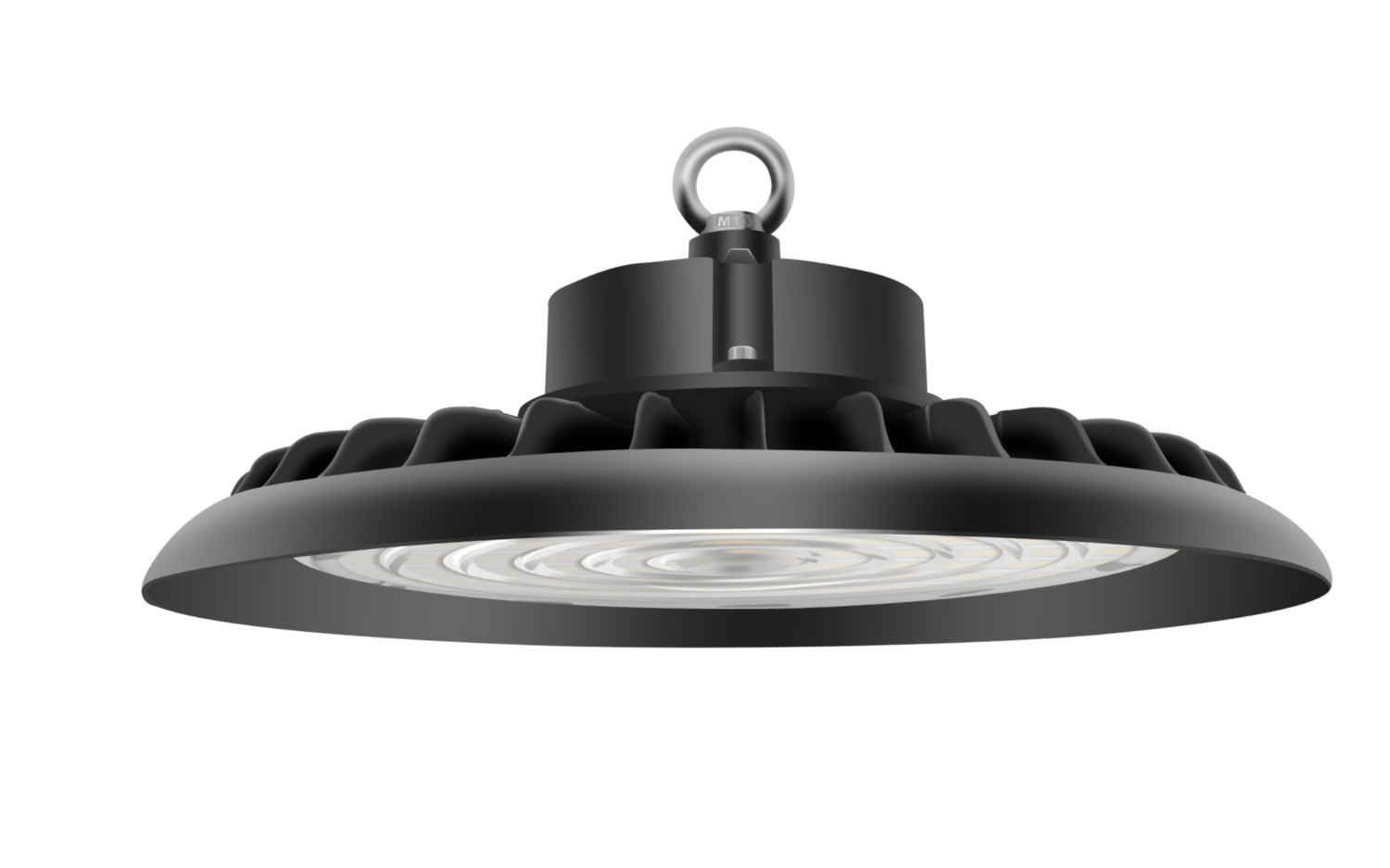
We include QR-coded service tags on our lights. This lets clients scan and log test dates directly. CAE’s Budget High Bay is often used in maintenance bays for this reason — it’s lightweight and accessible.
6. What’s Next in Emergency Lighting Tech?
- IoT Sync: Real-time health reporting of emergency circuits
- Solar-Diesel Hybrids: Rooftop battery backup for lighting only
- Supercapacitors: Replacing batteries for faster recharge, longer life
- Smart Scene Recall: Lighting levels adjust based on fault type

Osram’s Simplitz Batten V3 is one we benchmark often. We’ve reverse-tested its thermal sink capabilities under diesel-only runtime. It held stable where others flickered.
7. Examples from the Field
Case: Thailand Logistics Hub – 2024
- 400 units of Squarebeam Elite installed across server aisles
- Generator-backed system designed with triple redundancy
- Reduced lighting transfer flicker to under 0.4 seconds
Case: Malaysia Tier IV Facility
- ATS failed to engage emergency circuits
- Solution: Isolated critical lighting via dedicated inverter-battery loops
- Quattro Triproof Batten chosen for heat resistance and low glare
8. Final Thoughts: What We’ve Learned
- Emergency lighting doesn’t start with LEDs — it starts with power path design
- Generator-backed setups must be tested under fault, not just simulated
- Lighting spec is safety spec in data centers — don’t treat it like an accessory
Want help speccing a system that’ll hold under real load? Use the CAE contact form to reach us — no PDF spam, just a response.
Frequently Asked Questions (FAQ)
How long should generator-backed emergency lights stay on?
Most codes require at least 90 minutes of operation after primary power failure.
Can I use standard LED lights with a generator system?
Not all. Ensure lights are rated for generator sync — especially for harmonic distortion and voltage dips.
What’s the difference between UPS lighting and generator lighting?
UPS = Instant power bridge (0 sec delay), limited runtime
Generator = Delayed start (~5–10 sec), longer runtime
Should lights be tested under generator power?
Yes — always test under real load conditions. Simulations miss harmonic distortions.