Best Practices from Hyperscale Operators in Data Centers: Proven Tactics for Scalable, Efficient Infrastructure
Key Takeaways
| Category | Best Practice Summary |
|---|---|
| Site Selection | Choose low-latency, energy-accessible, climate-stable locations |
| Modular Design | Use prefabricated modules for fast, scalable deployments |
| Energy Strategy | Integrate renewables and optimize PUE metrics |
| Cooling Technology | Adopt liquid/immersion cooling and economizers |
| Automation | Apply AI for predictive maintenance and resource optimization |
| Security | Use biometrics, surveillance, and layered cybersecurity |
| Connectivity | Ensure high-speed, redundant, low-latency network designs |
| Resilience | Implement backup systems and disaster recovery protocols |
1. Defining the Hyperscale Blueprint: What Sets It Apart
Hyperscale data centers aren’t just larger—they’re strategically different. These aren’t expanded versions of traditional data centers. They’re born from the need to deliver elastic compute, global-scale applications, and near-zero latency experiences.
- Over 5,000 servers
- At least 10,000 square feet of floor space
- Vertical integration of software + hardware + facilities
These setups form the backbone of platforms like AWS, Microsoft Azure, and Google Cloud. But even mid-sized colocation providers and private facilities are now adopting hyperscale methodologies.
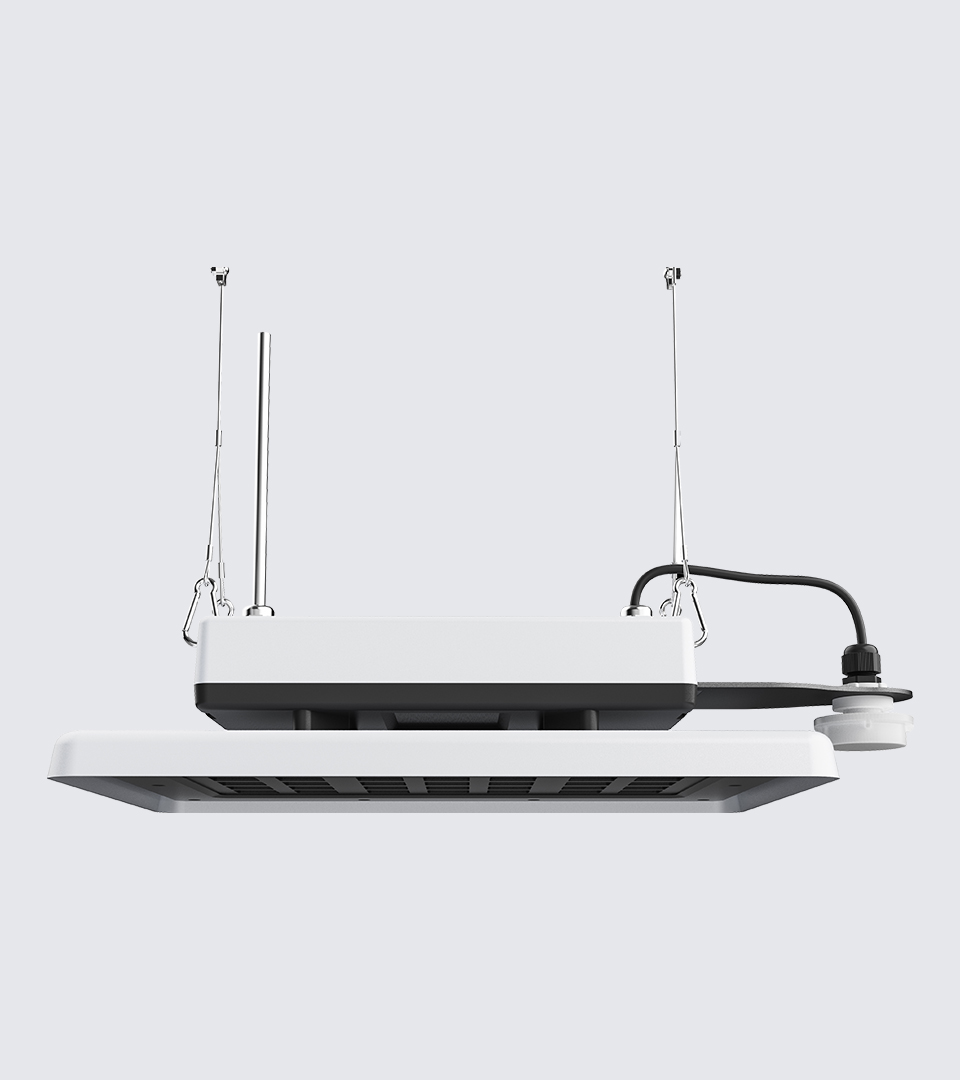
From my experience in specifying lighting layouts for hyperscale racks, spacing efficiency and operational overheads aren’t just architectural concerns—they dictate airflow, cable routes, and even how fixtures like the Squarebeam Elite are installed.
2. Strategic Site Selection: Where You Build Matters
Hyperscale players don’t just pick cheap land. They analyze environmental risk, energy availability, fiber proximity, and latency zones.
- Low seismic activity
- Cool ambient temperatures (for free-air cooling)
- Proximity to renewable energy grids
- Multiple fiber paths and IXPs
A key mistake I’ve seen smaller operators make: ignoring the cost of latency over time. If your site’s too far from the user base or an IXP, you’ll bleed cost per millisecond.
Case study example: In Malaysia, CAE Lighting-supported operators prioritized highland regions with lower humidity and ready solar access, integrating SeamLine Batten fixtures to stabilize indoor conditions.

3. Modular Design and Scalability: Start Small, Scale Fast
Modular design is a core best practice in hyperscale environments. The idea is simple: avoid overbuilding, but enable rapid expansion.
- Containerized data halls
- Hot-swappable power and cooling modules
- Uniform 600mm rack pitch for layout predictability
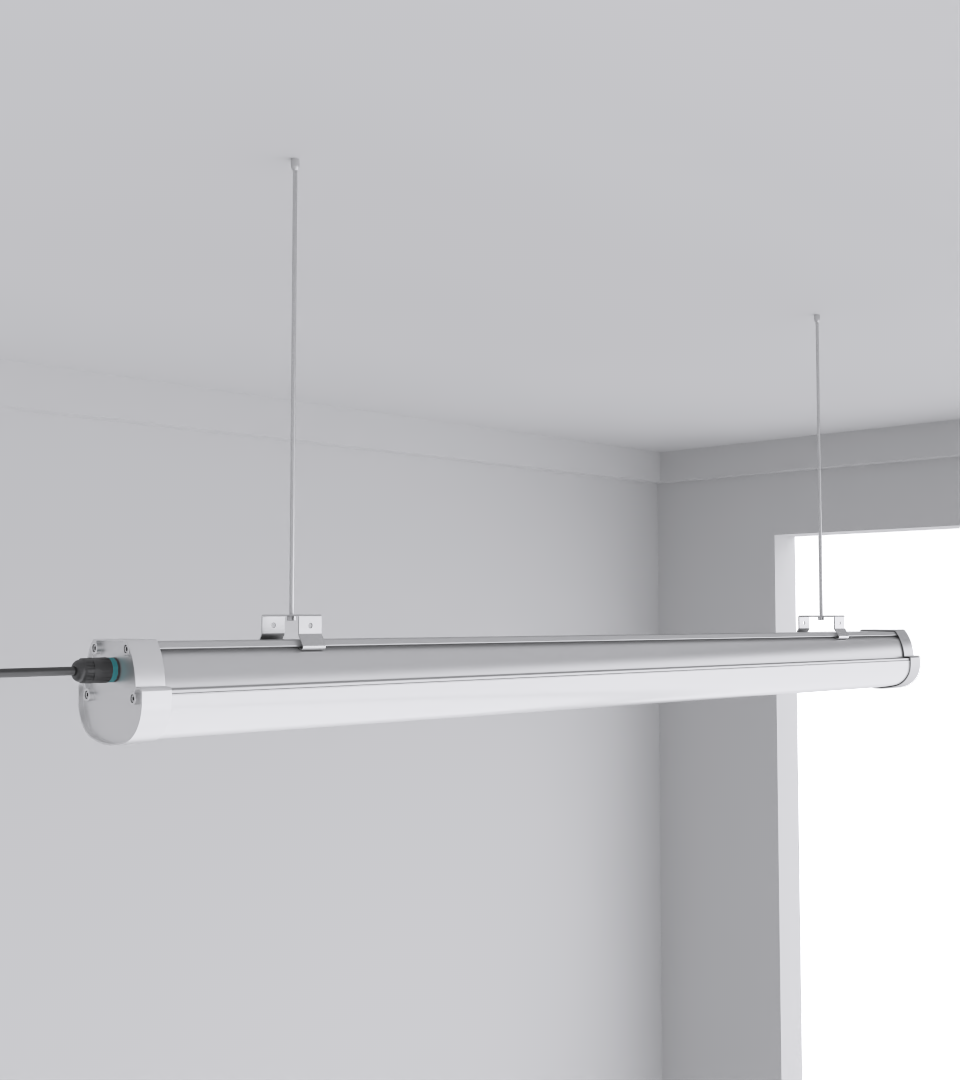
- Pre-configured lighting grid systems (such as the Quattro Triproof Batten)
This isn’t theory—we’ve deployed modular lighting corridors where batten lights clipped into ready raceways with zero rewiring. Every fixture we used supported push-lock or plug-in terminals, including waterproof connectors.
4. Energy Efficiency & Sustainability: No Longer Optional
PUE (Power Usage Effectiveness) isn’t just a number—it’s a KPI hyperscale operators obsess over.
- PUE targets below 1.2
- Solar, wind, and hydro integration
- Battery energy storage systems (BESS)
- Dynamic lighting zones to reduce idle loads
CAE Lighting’s Squarebeam fixtures in recent projects used motion-activated dimming in cold aisles to trim idle lighting by 40%. One global client saved $6,800/month from just lighting optimization.
| Metric | Target |
|---|---|
| PUE | < 1.3 |
| Carbon-free energy use | > 75% |
| Rack Utilization | > 80% |
5. Cooling Innovation: Thermal Load Mastery
Cooling is where hyperscale leadership really shines. Operators don’t rely on basic HVAC anymore—they’re going into submersion and phase-change technologies.
- Rear-door heat exchangers
- Cold plate liquid cooling
- Submersion tanks for ASICs
- AI-driven load balancing to control thermal spikes
Lighting placement plays a hidden but major role in thermal planning. We often specify SeamLine Batten lights with aluminum bodies and vented drivers to prevent heat pooling in enclosed corridors.
6. Automation and AI: No Room for Manual Errors
Hyperscale operators are now full-time software developers. They use AI and automation for everything from airflow control to failure prediction.
- Digital twins to simulate power load behavior
- AI models that predict HDD/SSD failure by telemetry
- Automated server reboots on anomaly detection
Lighting systems are also part of this automation matrix. CAE’s motion-sensing luminaires integrate with Modbus and BACnet, triggering shutdowns when racks are idle, or switching to low-power standby during non-operational hours.
7. Security Infrastructure: Physical and Digital
You don’t scale hyperscale without bulletproof security—both physical and digital.
- Biometric access zones + mantraps
- 24/7 video analytics + motion detection
- Zero Trust networking and tokenized access
Lighting, again, isn’t just ambient—it can support safety protocols. Red-colored warning zones, strobing indicators in breach attempts, and dual-circuit emergency lighting powered by CAE’s Squarebeam Elite series can mitigate downtime and reduce risks.
8. Compliance and Resilience: Staying Audit-Ready
Hyperscale operators don’t just comply—they overcompensate. They’re always audit-ready for:
- ISO/IEC 27001
- SOC 2, PCI-DSS, and HIPAA (depending on tenant)
- Uptime Institute Tier III or IV
The goal is operational resilience. That includes emergency lighting compliance under regulations like NFPA 101 and Title 24, which CAE lighting systems are tested against in regions like the US and APAC.

Frequently Asked Questions (FAQ)
What is a hyperscale data center?
A hyperscale data center is a facility that scales massively in both compute and storage, typically housing thousands of servers and handling global workloads.
How does lighting impact data center efficiency?
Lighting impacts thermal load, energy usage, and operational safety. Smart lighting reduces idle power consumption and helps maintain target PUE levels.
Why are modular designs important for hyperscale builds?
They allow for faster deployment, lower CAPEX, and future expansion without operational downtime.
What is the role of AI in data centers?
AI enables predictive maintenance, thermal load balancing, workload optimization, and real-time fault mitigation.
Which CAE products are used in hyperscale environments?
Squarebeam Elite,
SeamLine Batten,
Quattro Triproof Batten