
Cloud Data Centres: 2025 Technical Guide to Infrastructure, AI-Optimised Design, and Energy-Efficient Lighting
–
- Understanding the Role of Cloud Data Centres
- Core Infrastructure and How Lighting Integrates
- Region Selection, Latency, and Physical Siting
- AI Workloads and Data Centre Design Impacts
- Power and Cooling Strategies with Lighting Considerations
- Security, Compliance, and Lighting Protocols
- Sustainability and Energy Efficiency in Lighting
- Procurement and Implementation Best Practices
- Frequently Asked Questions (FAQ)
Key Takeaways
| Feature or Topic | Summary |
|---|---|
| Integration Benefits | Energy savings, streamlined operations, enhanced monitoring, and predictive maintenance. |
| Key Protocols | BACnet, Modbus, SNMP ensure interoperability. |
| Implementation Strategies | Assess existing infrastructure, select compatible systems, phased deployment recommended. |
| Operational Advantages | Reduced downtime, improved safety, occupant comfort, and significant sustainability contributions. |
1. Understanding the Role of Cloud Data Centres
Cloud data centres are large-scale facilities where computing, storage, and networking resources are provided over the internet by major providers such as AWS, Azure, and Google Cloud. These facilities host virtualised environments where physical infrastructure is abstracted, allowing clients to focus on workload deployment rather than hardware management.
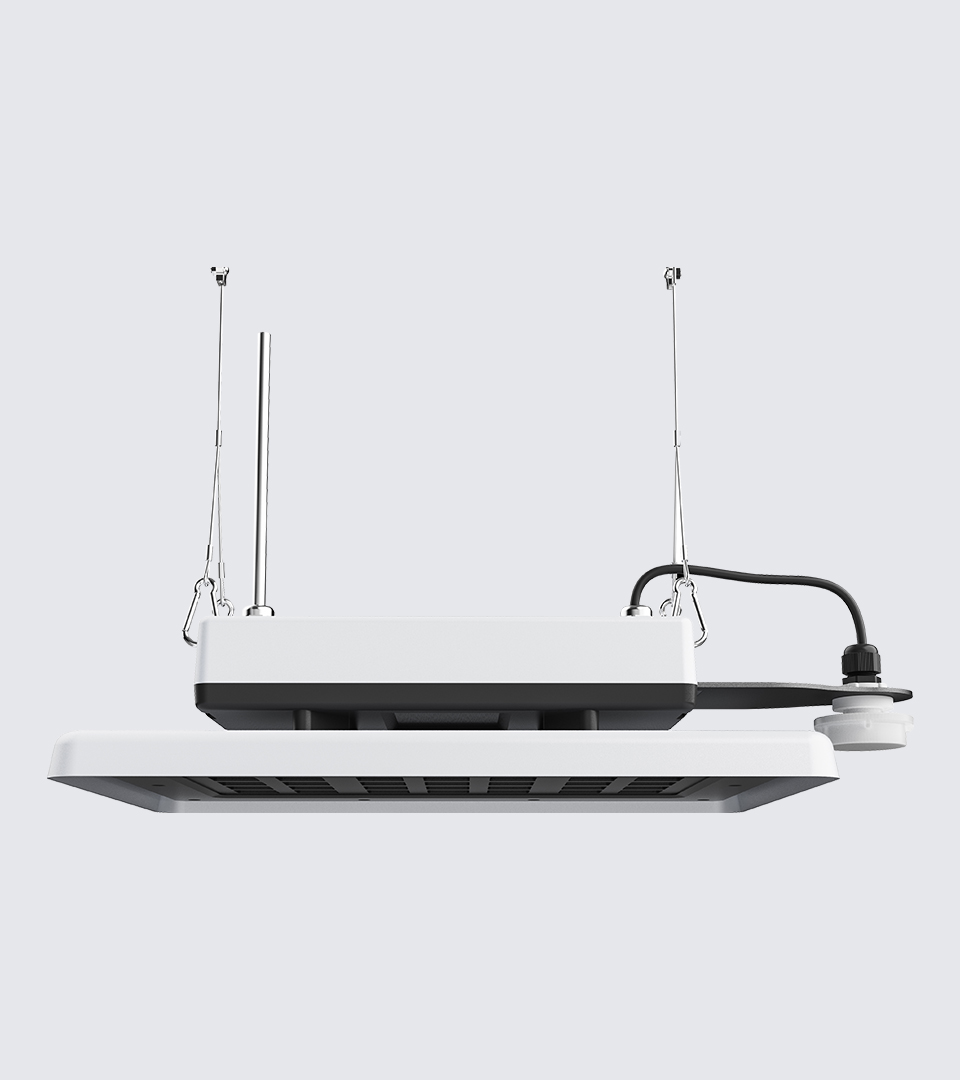
From a design standpoint, the building must accommodate high-density racks, redundant power, and sophisticated cooling systems. Lighting, while often overlooked, plays a role in operational safety, maintenance visibility, and energy performance. Products like Squarebeam Elite are engineered for such high-demand spaces, offering glare control and consistent illumination.
2. Core Infrastructure and How Lighting Integrates
At the core of a cloud data centre are racks, networking equipment, power distribution units, and cooling systems. Lighting integration must account for:
- Even distribution across aisles to prevent shadowing in maintenance zones.
- Emergency lighting pathways for compliance with safety codes.
- Low-heat emission to reduce HVAC load.
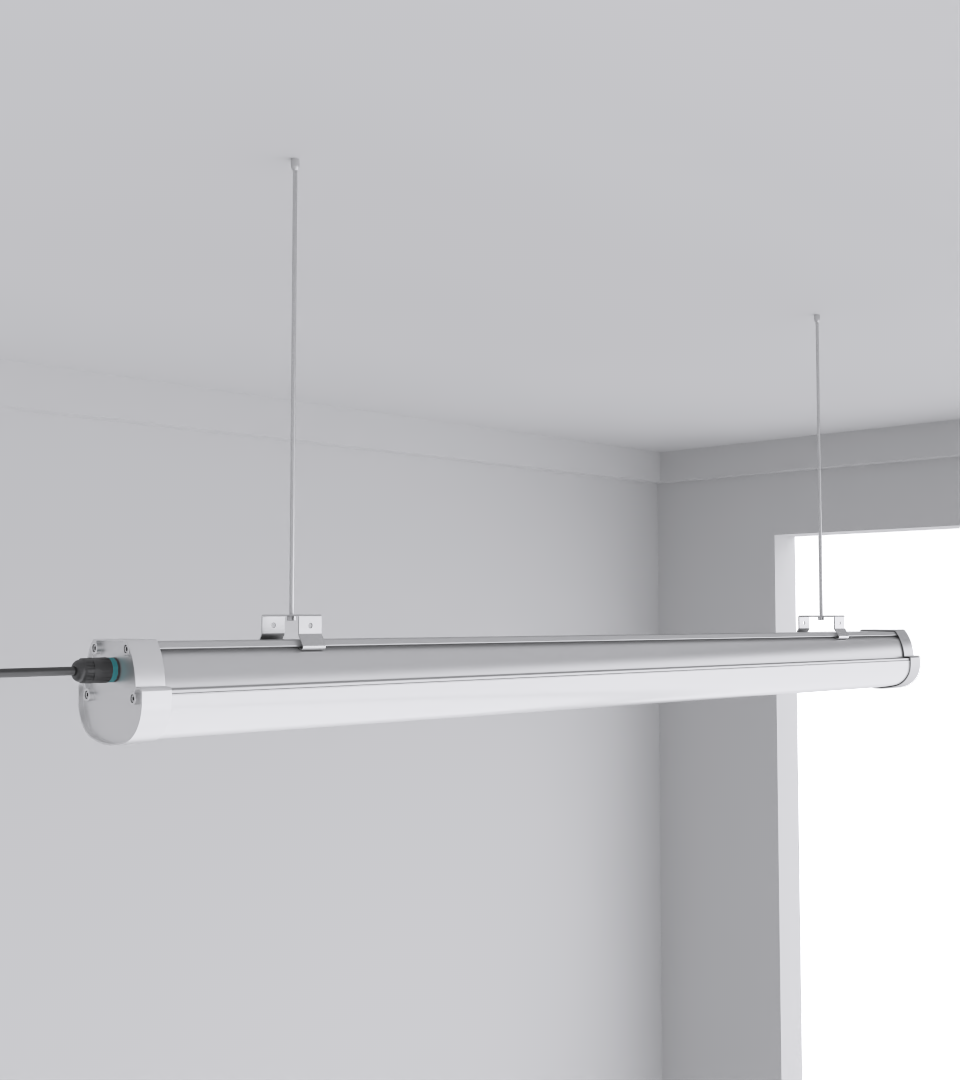
Industrial luminaires like the Quattro Triproof Batten are IP65-rated, offering water and dust resistance for reliability in technical corridors.
3. Region Selection, Latency, and Physical Siting
Choosing a cloud data centre location involves balancing latency, compliance requirements, and resilience. Top hyperscale locations include Northern Virginia, Dublin, and Greater Beijing, each selected for proximity to major user bases and network interconnects.
In lighting design for different regions, voltage standards, seismic resistance, and local safety codes must be considered. This affects product choice and mounting systems. For example, suspended installations using SeamLine Batten allow easy maintenance in seismic-prone regions.

4. AI Workloads and Data Centre Design Impacts
AI and machine learning workloads demand higher rack densities, with GPUs and TPUs generating more heat per square metre than traditional CPU racks. This leads to an increased need for liquid cooling, higher airflow management, and power redundancy.
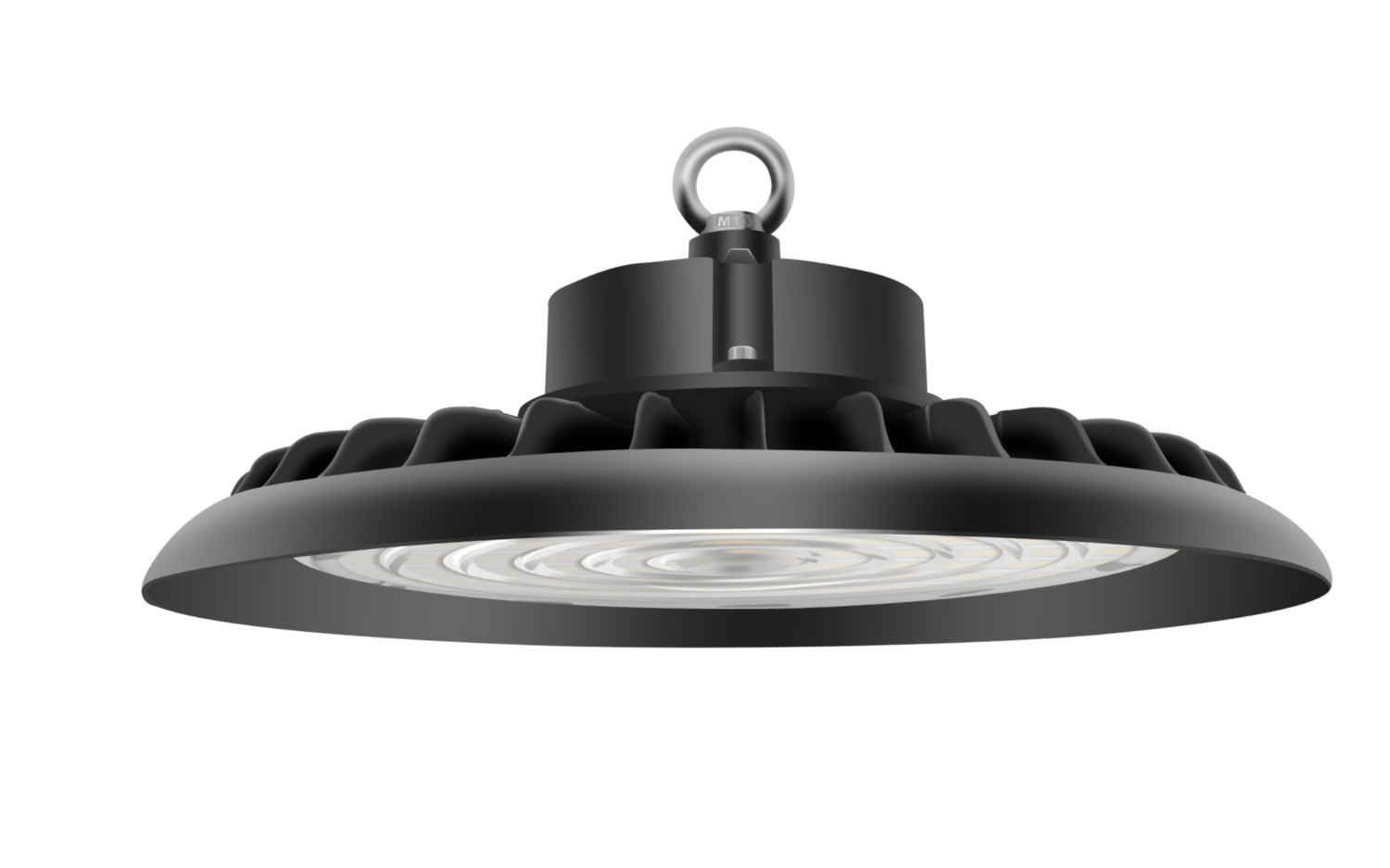
Lighting must withstand elevated ambient temperatures without lumen depreciation. Fixtures such as Budget High Bay Light offer thermal efficiency, ensuring operational reliability in AI-optimised server rooms.
5. Power and Cooling Strategies with Lighting Considerations
Modern cloud facilities operate with advanced power and cooling configurations, such as rear-door heat exchangers and liquid immersion cooling. Lighting systems should be designed to:
- Minimise heat load contributions.
- Integrate with smart building controls for demand-based dimming.
- Comply with emergency power protocols.
CAE Lighting solutions like SeamLine Batten integrate seamlessly into such control systems for optimised energy use.
6. Security, Compliance, and Lighting Protocols
Physical security in cloud data centres includes restricted access, biometric verification, and monitored perimeters. Lighting plays a role in deterrence and compliance by ensuring all access points are well-illuminated and covered by surveillance cameras without glare interference.
Emergency lighting, such as motion-activated LED battens, ensures safe evacuation during power interruptions, aligning with ISO 45001 safety requirements.
7. Sustainability and Energy Efficiency in Lighting
Cloud providers increasingly commit to sustainability metrics like PUE (Power Usage Effectiveness) and WUE (Water Usage Effectiveness). Lighting upgrades contribute by reducing non-IT electrical loads. High-efficiency luminaires with long service lifetimes lower both energy use and maintenance costs.
CAE Lighting’s adherence to ISO 14001 ensures products meet environmental management standards, supporting the sustainability targets of modern data centres.
8. Procurement and Implementation Best Practices
When planning lighting for cloud data centres, procurement teams should:
- Match fixture specifications to operational temperature ranges.
- Ensure IP and IK ratings meet the environmental exposure.
- Verify integration capabilities with building management systems.
- Request photometric files for accurate light modelling.
CAE Lighting supports rapid sample delivery, ensuring project timelines are met even for urgent retrofits.
Frequently Asked Questions
What is the main difference between a cloud data centre and a traditional one?
Cloud data centres are operated by service providers and host shared virtualised resources, while traditional centres are owned and managed by the organisation using them.
Why is lighting important in cloud data centres?
It affects safety, maintenance efficiency, compliance, and even cooling performance by influencing heat loads.
What lighting products are recommended for data centres?
Fixtures such as Squarebeam Elite and Quattro Triproof Batten offer durability, efficiency, and compliance with industry safety standards.
Can lighting systems be integrated with smart controls?
Yes, modern luminaires can connect to building management systems for automated dimming, scheduling, and emergency protocols.