
Comprehensive Life Cycle Assessment of Data Center Lighting: A Technical Guide to Sustainable Solutions
- Introduction
- Understanding Life Cycle Assessment (LCA)
- Lighting Technologies in Data Centers
- Life Cycle Assessment Methodology for Lighting Systems
- Case Studies and Comparative Analyses
- Factors Influencing Lighting System Sustainability
- Strategies for Sustainable Lighting in Data Centers
- Integrating Lighting LCA into Data Center Sustainability Strategies
- Challenges and Limitations
- Future Trends in Data Center Lighting Sustainability
- Conclusion
- Frequently Asked Questions (FAQ)
Key Takeaways
| Feature or Topic | Summary |
|---|---|
| Integration Benefits | Energy savings, streamlined operations, enhanced monitoring, and predictive maintenance. |
| Key Protocols | BACnet, Modbus, SNMP ensure interoperability. |
| Implementation Strategies | Assess existing infrastructure, select compatible systems, phased deployment recommended. |
| Operational Advantages | Reduced downtime, improved safety, occupant comfort, and significant sustainability contributions. |
1. Introduction
Data centers are notorious for their high energy consumption. A significant portion of this energy goes into lighting systems, which are often overlooked in sustainability assessments. Optimizing lighting choices not only contributes to energy efficiency but also aligns with growing environmental standards in the tech industry. This article delves into the life cycle assessment (LCA) of lighting options for data centers, offering actionable insights for making informed, sustainable choices.
2. Understanding Life Cycle Assessment (LCA)
Life Cycle Assessment is a method for assessing the environmental impacts of a product or system over its entire lifecycle—from raw material extraction to manufacturing, use, and eventual disposal. In the context of data center lighting, LCA helps identify opportunities for reducing carbon footprints and improving energy efficiency.
3. Lighting Technologies in Data Centers
Lighting systems in data centers must meet high standards for both energy efficiency and safety. Here’s a comparison of different lighting technologies:
- Incandescent Lamps: High energy use, short lifespan.
- Fluorescent Lamps: Better than incandescent, but still inefficient compared to newer technologies.
- LED Systems: Leading the charge in energy efficiency, lifespan, and lower environmental impact.
Why LEDs Excel:
- Energy Efficiency: Use less energy for the same light output.
- Longer Lifespan: Reducing the need for frequent replacements.
- Sustainability: Less waste and fewer emissions.
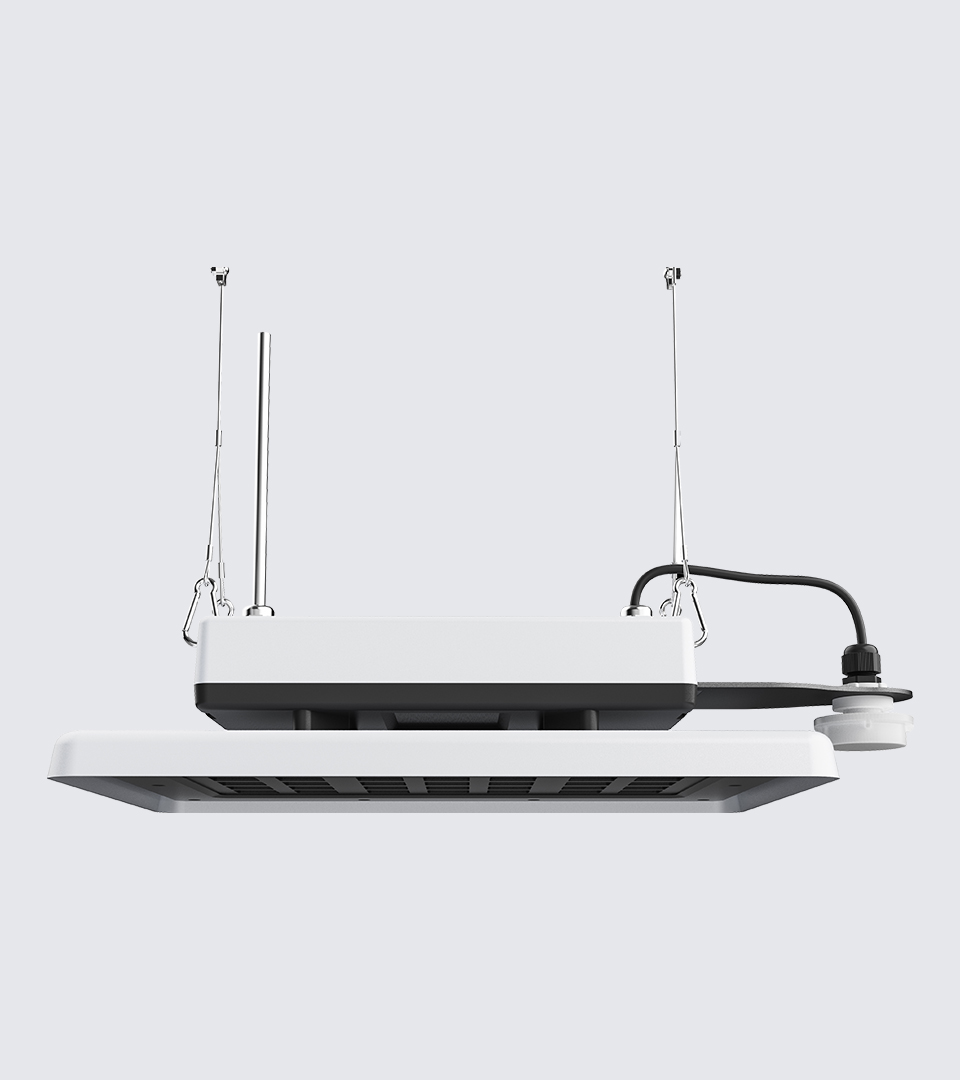
LEDs like the SquareBeam Elite are specifically engineered to reduce heat, contributing to better cooling efficiency in high-temperature environments.
See more about SquareBeam Elite LED
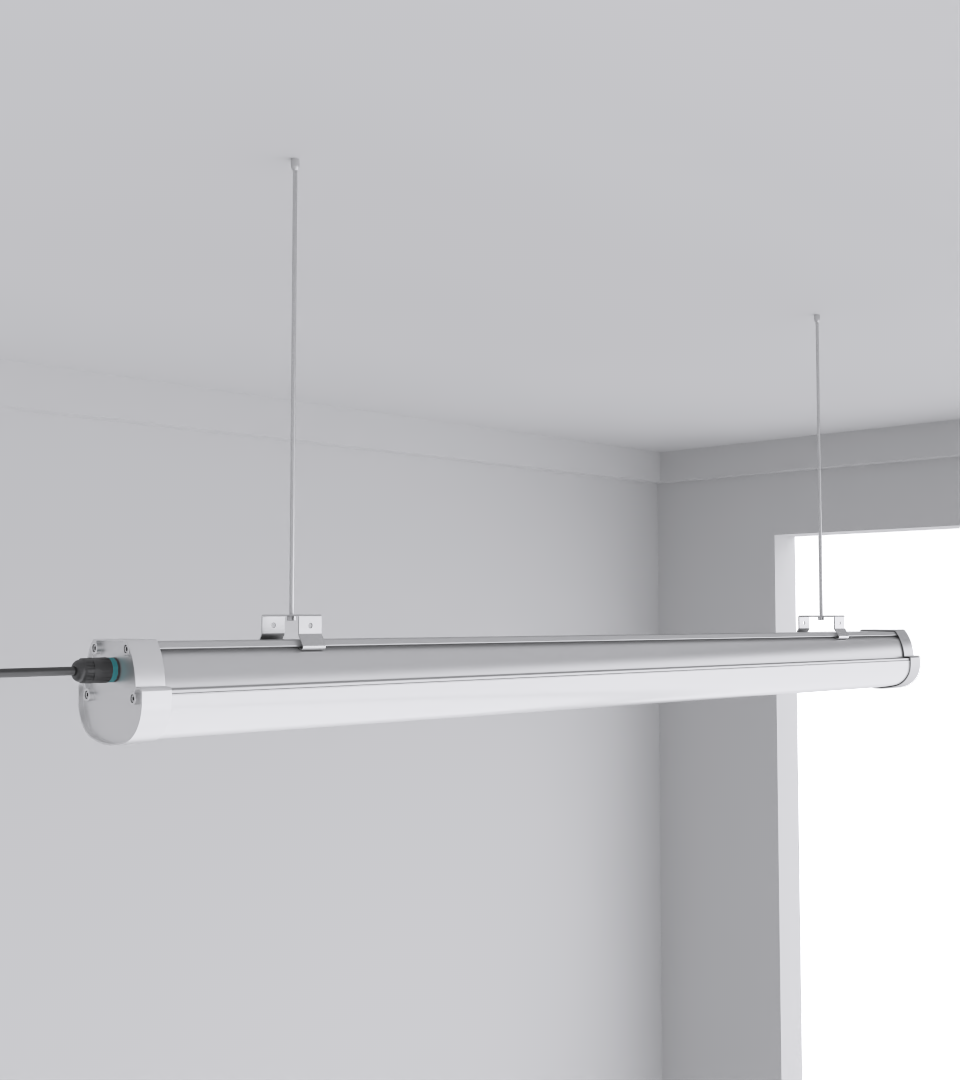
Explore the Quattro Triproof Batten
4. Life Cycle Assessment Methodology for Lighting Systems
LCA for lighting systems in data centers is carried out across five major phases:
- Functional Unit: Defined in terms of maintained lumen hours.
- System Boundaries: Includes all life cycle stages.
- Data Collection & Inventory: Analysis of energy use, materials, and emissions.
- Impact Assessment: Quantifying environmental impacts, including greenhouse gas emissions and resource depletion.
- Interpretation: Reviewing data to inform decision-making.
By utilizing the Light Loss Factor (LLF), which measures efficiency losses over time, facilities can further optimize their lighting choices.
5. Case Studies and Comparative Analyses
Case Study 1: LED vs CFL in a Hypothetical Data Center
- LED: 40% energy savings over CFL.
- CFL: Shorter lifespan and higher maintenance costs.
Case Study 2: Impact of Lighting Upgrades on Sustainability
- Upgrade to LED: 20% reduction in overall data center energy consumption.
- Long-Term Impact: Reduced cooling costs and maintenance savings.
These cases highlight the long-term benefits of transitioning to LED systems in terms of both costs and carbon footprint reduction.
Learn more about SeamLine Batten
6. Factors Influencing Lighting System Sustainability
Several factors contribute to the sustainability of lighting systems in data centers:
- Light Loss Factor (LLF): A key parameter that measures how much light output diminishes over time.
- Electricity Mix: The type of electricity powering the data center affects the overall sustainability.
- Maintenance: Proper maintenance extends the life of lighting systems, reducing waste.
- End-of-Life Management: Proper recycling and disposal of lighting components ensure minimal environmental impact.
Sustainable practices also involve choosing materials that are easily recyclable and minimizing e-waste.
7. Strategies for Sustainable Lighting in Data Centers
Selection Criteria:
- Energy-efficient technologies like LED.
- Durability to minimize replacement frequency.
- Low maintenance requirements.
Design Considerations:
- Consider lighting zones to reduce unnecessary lighting in non-operational areas.
- Integrate motion sensors for energy savings.
Operational Practices:
- Ensure that lighting is only in use when necessary and avoid over-lighting.
End-of-Life Planning:
- Recycle materials and components wherever possible.
- Choose products that can be easily disassembled for recycling.
8. Integrating Lighting LCA into Data Center Sustainability Strategies
Integrating LCA into broader data center sustainability strategies ensures that lighting decisions align with environmental goals. By considering the total life cycle of lighting systems, data center operators can:
- Meet regulatory standards for energy efficiency.
- Contribute to corporate sustainability objectives.
- Ensure continuous improvement through regular evaluations.
The SquareBeam Elite and SeamLine Batten are just two examples of how sustainable lighting can improve both operational efficiency and environmental impact.
Read more on sustainability efforts by CAE Lighting
9. Challenges and Limitations
While LCA offers valuable insights, several challenges remain:
- Data Availability: Incomplete or unreliable data can hinder comprehensive LCA evaluations.
- Standardization: The lack of standardized LCA methodologies makes cross-comparison difficult.
- Technological Variability: Rapid advancements in lighting technologies mean that LCA results can quickly become outdated.
Despite these challenges, integrating LCA into data center lighting decisions remains an important step toward improving energy efficiency and reducing carbon emissions.
10. Future Trends in Data Center Lighting Sustainability
As lighting technologies continue to evolve, new innovations promise further gains in sustainability:
- Smart Lighting: IoT-enabled lighting systems that adapt to real-time data and occupancy.
- Wireless Control Systems: Enabling dynamic adjustments for optimal energy use.
- Policy Developments: Stricter regulations will likely push for more sustainable lighting solutions.
By staying ahead of these trends, data centers can continually improve their sustainability profiles.
11. Conclusion
In conclusion, choosing the right lighting system in data centers is a crucial part of reducing environmental impact. By conducting thorough Life Cycle Assessments (LCA), data center operators can make informed decisions that lead to substantial energy savings, lower carbon emissions, and a smaller environmental footprint.
Encouraging the adoption of LED lighting systems and incorporating best practices for sustainability is a critical step in the future-proofing of data centers.
Frequently Asked Questions (FAQ)
1. What is a Life Cycle Assessment (LCA)?
LCA is a method for evaluating the environmental impact of a product or system from production to disposal.
2. Why should data centers focus on lighting sustainability?
Lighting is a major energy consumer in data centers. Sustainable lighting systems lead to lower energy bills and reduced environmental impact.
3. Which lighting technology is the most sustainable for data centers?
LED lighting is the most energy-efficient and sustainable option for data centers.
4. How can I reduce my data center’s lighting-related carbon footprint?
Switching to LED systems, ensuring proper maintenance, and optimizing energy use can significantly reduce carbon emissions.