create a headline to lean more toward technical, attention-grabbing, or search-focused
- What Precision Lighting Actually Solves
- How Task and Uniform Lighting Complement Each Other
- Meeting Standards: TIA‑942, ASHRAE 90.1, and More
- Fixture Types: What Actually Works in the Rack Zone
- Light Placement Strategy: Beam Direction, Glare, Uniformity
- ROI: Cutting Costs Without Cutting Visibility
- Controls That Actually Matter in Task Zones
- Emergency and Compliance Lighting — Don’t Skip This
- Frequently Asked Questions (FAQ)
Key Takeaways
| Feature or Topic | Summary |
|---|---|
| Why it matters | Enhances precision work, safety, and energy efficiency in critical zones |
| Key lighting standards | TIA‑942, ASHRAE 90.1, NFPA 70, ISO/IEC 30134 |
| Best lighting types | LED battens, asymmetric strip lights, motion-controlled luminaires |
| Recommended levels | 500 lux horizontal, 200 lux vertical, CRI > 80, CCT ~4000–5000K |
| Technologies to consider | Motion sensors, PoE lighting, circadian sync, layered lighting protocols |
| Common mistakes | Over-illumination, poor mounting, low uniformity, glare, uncontrolled heat |
| CAE Lighting’s role | Custom LED solutions with high thermal control and smart integration |
What Precision Lighting Actually Solves
Data centers aren’t lit like office spaces or warehouses because they serve a very specific function: uptime, clarity, and cooling all matter more than mood or aesthetics. Task lighting here isn’t about ambiance — it’s about operational accuracy.
- Technicians work in tight racks with poor visibility
- High-voltage panels require detailed inspection
- Missed cable connections or breaker mislabels can mean hours of downtime
One common issue I’ve seen is overgeneralized lighting — spaces bathed in light but blind to the actual work zone. Task-oriented systems fix that by:
- Delivering targeted light where work happens (not just walkways)
- Reducing shadows and misreads
- Cutting energy waste from always-on uniform grids
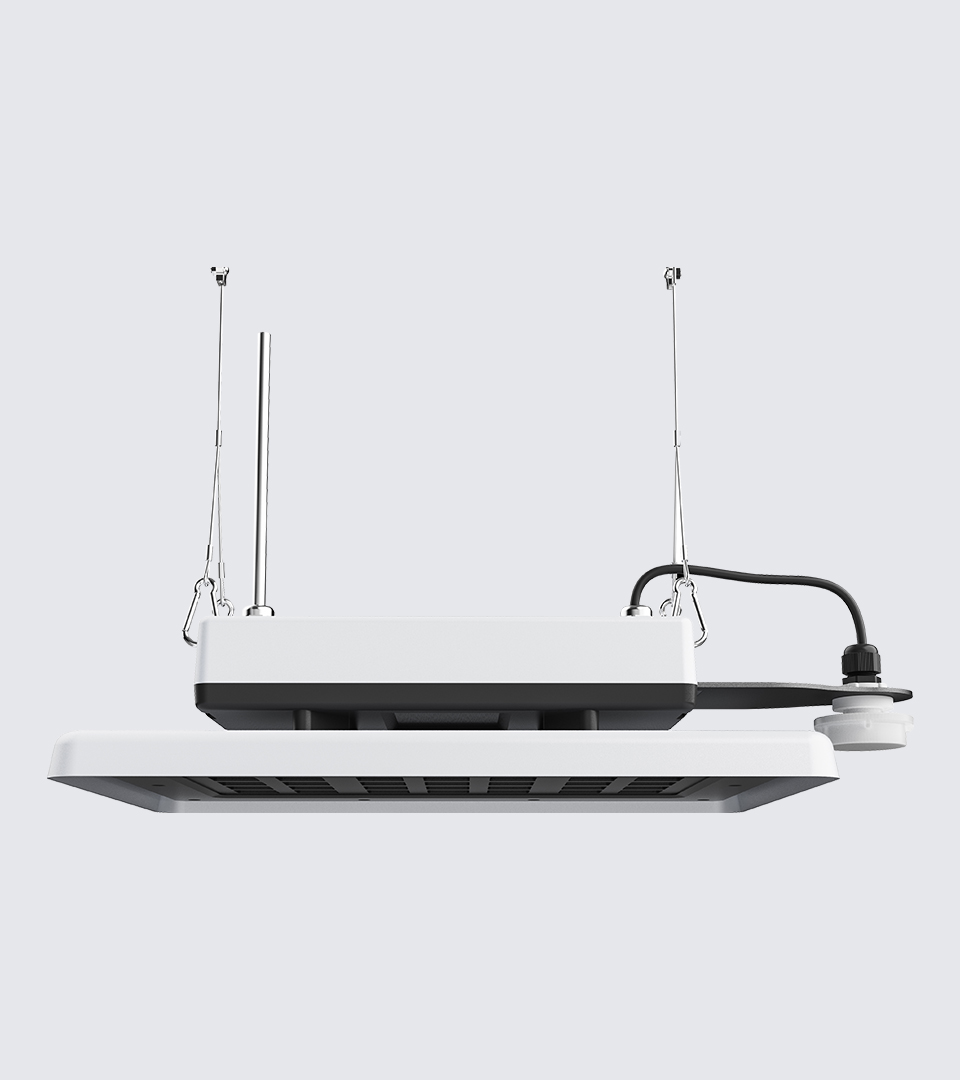
CAE Lighting’s Squarebeam Elite is purpose-built for these exact scenarios — engineered to reduce glare, manage heat buildup, and deliver light precisely to the rack aisle.
How Task and Uniform Lighting Complement Each Other
Uniform lighting gives you baseline visibility — safe navigation, general awareness. Task lighting does the heavy lifting when your eyes (and tools) need clarity.
| Feature | Uniform Lighting | Task Lighting |
|---|---|---|
| Purpose | Overall visibility | Precision work at defined zones |
| Mount Height | High (3.5m–5m+) | Mid-low (1.8m–2.5m) |
| Control | Often static | Sensor-driven or user-controlled |
| CRI/Focus | Moderate | High CRI, low-glare lensing |
| Example Product | SeamLine Batten | Squarebeam Elite |

Meeting Standards: TIA‑942, ASHRAE 90.1, and More
Lighting in a data center isn’t just practical — it’s regulated. Task zones in particular must meet more stringent illuminance and contrast requirements.
Key standards:
- TIA‑942: Recommends 500 lux for task zones, with backup systems
- ASHRAE 90.1: Dictates Lighting Power Densities (LPDs) and encourages use of LED + control systems
- NFPA 70 & 110: Emergency backup and inverter lighting systems must function under outage
- ISO/IEC 30134: Offers insight into overall energy performance (PUE linkage)
Failure to meet these often means failing inspections — or worse, operational inefficiencies that go unnoticed until they’re expensive.
Fixture Types: What Actually Works in the Rack Zone
You need luminaires that mount cleanly, run cool, and don’t obstruct airflow or create maintenance bottlenecks.
Common task lighting formats:
- Asymmetric LED strip lights — side-mounted with beam control
- Triproof battens — IP-rated, sealed for dust and moisture
- Compact high-bays — for larger zones, when mounting height allows
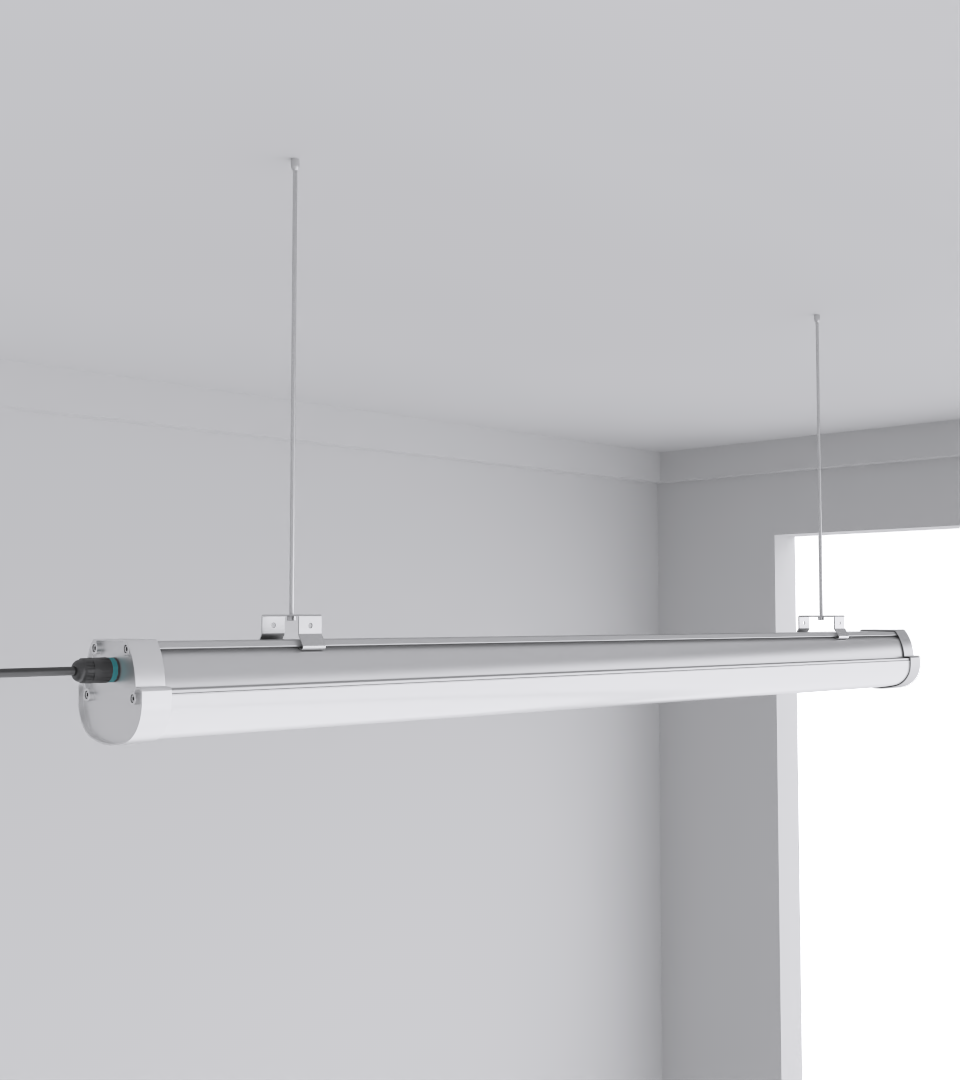
Products like the Quattro Triproof Batten are often used in hot zones or near CRAC units because of their sealed enclosure and thermal tolerance.
Light Placement Strategy: Beam Direction, Glare, Uniformity
What’s just as important as what light you install? Where you put it.
Mistakes I’ve seen (even from seasoned engineers):
- Aiming luminaires straight down in vertical work areas
- Overmounting lights too high for effective lux at rack level
- Ignoring reflective surfaces that throw glare into the eyes
Best Practices:
- Mount between racks, not above
- Use lensing to direct beam at a ~30–45° angle
- Avoid fixture overlaps that cause hot-spots
ROI: Cutting Costs Without Cutting Visibility
Switching from generic ceiling-mounted fluorescents to task-tuned LEDs saves energy — but also reduces rework, mistake costs, and tech fatigue.
Real-World Impact:
- 38% total energy reduction at CAE’s Malaysia site after lighting upgrade
- Fewer technician errors (due to clearer labeling visibility)
- Maintenance crew downtime reduced by 17% through faster diagnostics
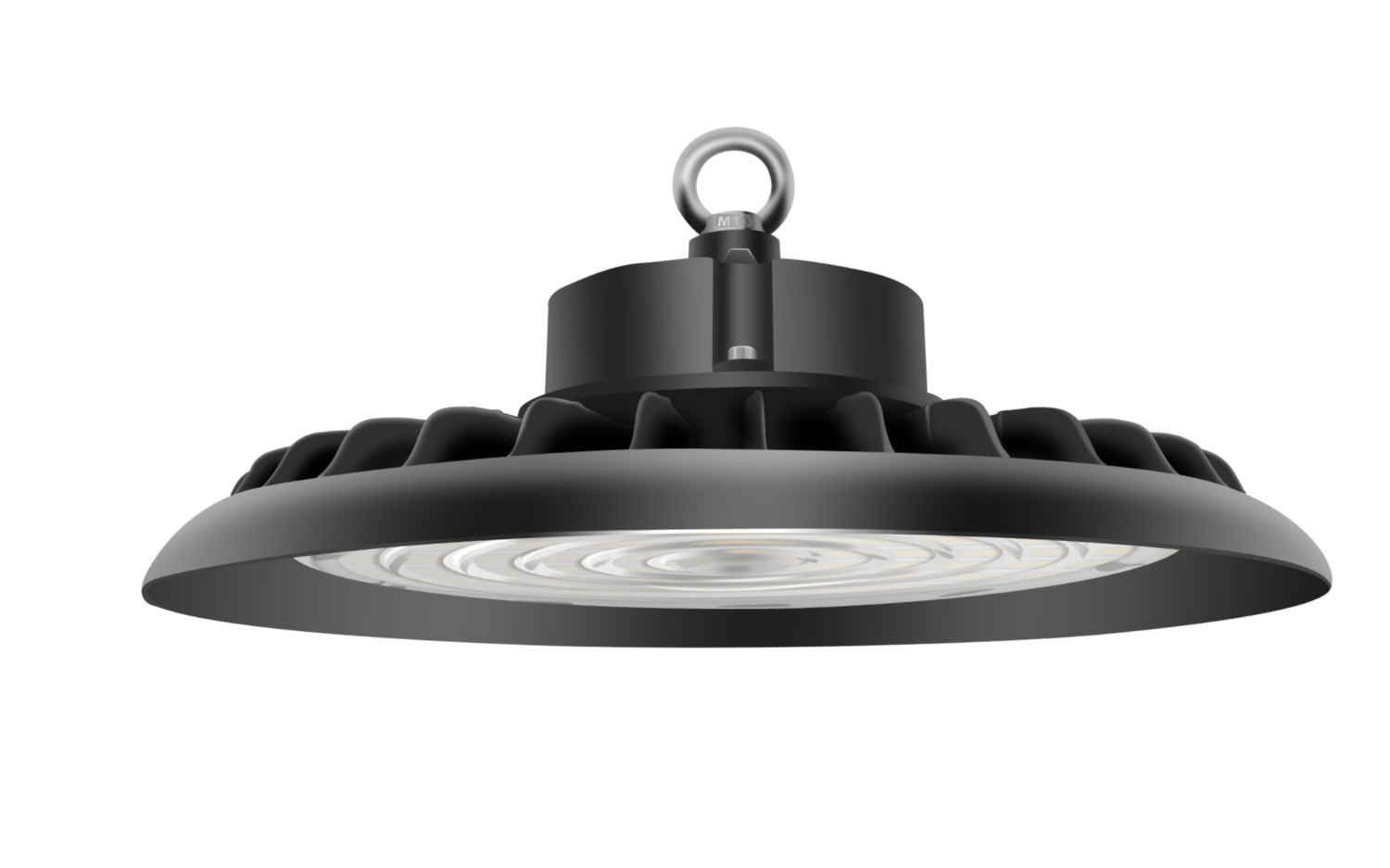
You don’t need a luxury spec to get these benefits. Even CAE’s Budget High Bay gets the job done in shared zones where uniformity is more important than CRI.
Controls That Actually Matter in Task Zones
It’s easy to get carried away with automation. What I always recommend:
- PIR motion sensors at entry points
- Zoned dimming near main racks
- Manual override switches for maintenance events
Smart doesn’t mean complex. Most smart failures I’ve seen come from lack of testing or trying to automate too much.
Emergency and Compliance Lighting — Don’t Skip This
NFPA and TIA standards call for dedicated emergency circuits or inverters powering:
- Exit path lighting
- Rack-row emergency visibility
- Control room backup lights
Task lighting needs to be backed up too. I’ve seen one case where a whole cold aisle was pitch black during an outage — no one had included those fixtures in the emergency loop.
Frequently Asked Questions
Q: Do I always need 500 lux in data center racks?
A: No — 500 lux is the standard for high-detail tasks. In inactive zones, lower levels may be sufficient with motion sensors.
Q: Can task lights be integrated into raised flooring systems?
A: It’s rare, but underfloor lighting is possible in IDF/MDF spaces with transparent tiles or inspection ports.
Q: Does higher CRI matter in a data center?
A: Yes — especially for color-coded cables and labels. CRI > 80 is ideal for avoiding mistakes.
Q: What’s the simplest retrofit strategy?
A: Replace general lights in racks with narrow-beam LED battens and add basic motion control zones.
For more information on custom LED task lighting, explore CAE Lighting’s full product range or contact their team directly.