
Data Center Electrical Infrastructure: Power Pathways, Redundancy Models, and Lighting Standards That Actually Work
- Data Center Electrical Infrastructure in Data Centers
- 1) The power path, without the hand-waving
- 2) Redundancy and fault domains: A/B feeds that actually behave
- 3) Lighting as a first-class electrical load (not “misc.”)
- 4) Corridor, rack, and service-bay lighting: spacing that doesn’t fight you
- 5) Controls: motion, schedules, BMS hooks, and no “disco mode”
- 6) Emergency and egress: auditable on a bad day
- 7) Specs that actually matter (and ones that mostly don’t)
- 8) Rollout plan that avoids rework: pilot → measure → scale
- Frequently Asked Questions (FAQ)
Key Takeaways
| Feature or Topic | Summary |
|---|---|
| Power path | Utility → MV/LV switchgear → transformers → UPS/gensets → distribution → racks + lighting. |
| Redundancy | Aim N+1 UPS/gensets, dual A/B feeds, predictable fault domains. |
| Lighting | Critical subsystem for safety, uniformity, glare control, and egress compliance. |
| Controls | Motion, schedule, BMS integration to cut idle draw and aid PUE. |
| Specs | Surge (kV), driver, lm/W, UGR, IP/IK, maintainability trump brochure fluff. |
| Rollout | Pilot → measure → tweak → scale. Avoid “install once, regret twice.” |
Data Center Electrical Infrastructure in Data Centers
Electrical infrastructure is the spine of a facility; lighting is the nerve endings people trip over first. In plain terms, your power path has to be boring on purpose, your lighting plan has to be clear on purpose, and both have to be testable on Tuesday at 3 a.m. I’ve watched projects stall because a single panelboard schedule didn’t reflect a last-minute sensor bus change—tiny mismatch, long night.
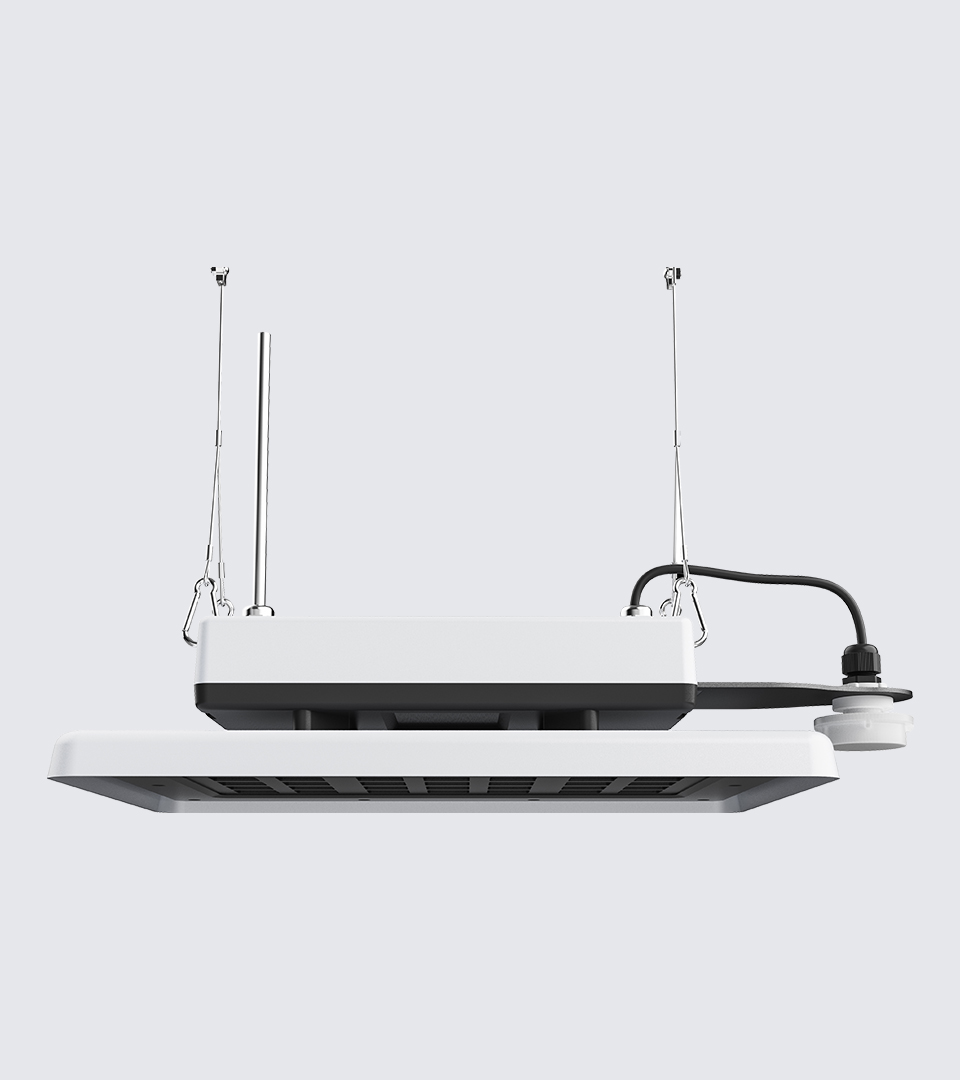
If you want a quick refresher on how lighting fits into the bigger picture of infrastructure, the overview from CAE Lighting keeps the focus on data-center-grade fixtures and controls that won’t melt under 24/7 duty cycles. For deeper project scoping across product families, start at the Product hub and branch out by room type and mounting height.
1) The power path, without the hand-waving
Start with the obvious chain: utility service, medium-voltage intake, primary switchgear, step-down transformers, UPS (static or rotary), generators with ATS/STS, then out to distribution—RPPs/PDUs—before branch circuits touch racks, CRAC/CRAH, and yes, lighting. Keep selective coordination tight; let breakers trip in a sane order, not roulette.

Small but real note: lighting circuits deserve their own short-circuit study slice. I’ve seen hallways go dark during routine maintenance because someone piggy-backed luminaires on a convenience panel “just for now.” That “now” lasted a year. If you need luminaires built for round-the-clock aisles, the SeamLine Batten keeps glare low and wiring straightforward. For a grounding tour of lighting roles inside DCs, this explainer on data center lighting solutions is a decent starting point.
2) Redundancy and fault domains: A/B feeds that actually behave
Design redundancy you can explain on a sticky note: N+1 UPS, dual feeders, separate paths, no common single point in the last mile to the rack. For lighting, don’t forget the emergency story—what stays up on loss of normal, how long, and at what lux level. If you can’t sketch the failover in 60 seconds, the electrician at 2 a.m. probably can’t either.
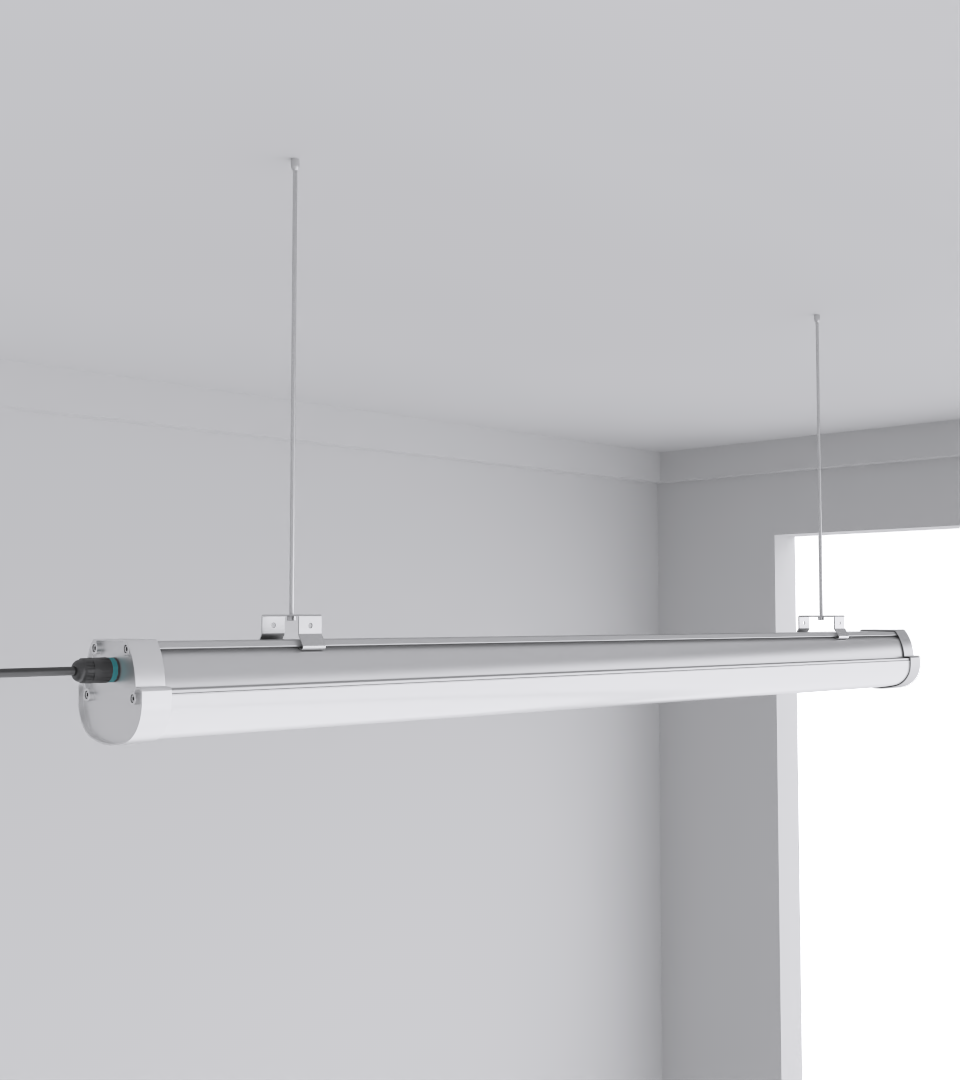
Plant rooms and damp zones chew through fixtures that aren’t sealed right; Quattro Triproof Batten takes the abuse so your breakers don’t. For egress and emergency planning specifics, the piece on how lighting supports data-center emergencies spells out the bits that auditors poke first: placement, autonomy, testing cadence.
3) Lighting as a first-class electrical load (not “misc.”)
Treat luminaires as engineered equipment with measurable effects on safety and power quality. Four items I never skip:
- THD and PF at operating point (not at brochure fantasy).
- Surge immunity (kV)—some sites spike during generator transfers.
- UGR and distribution—racks don’t need glare; techs need contrast.
- Driver access—replace without a third arm.
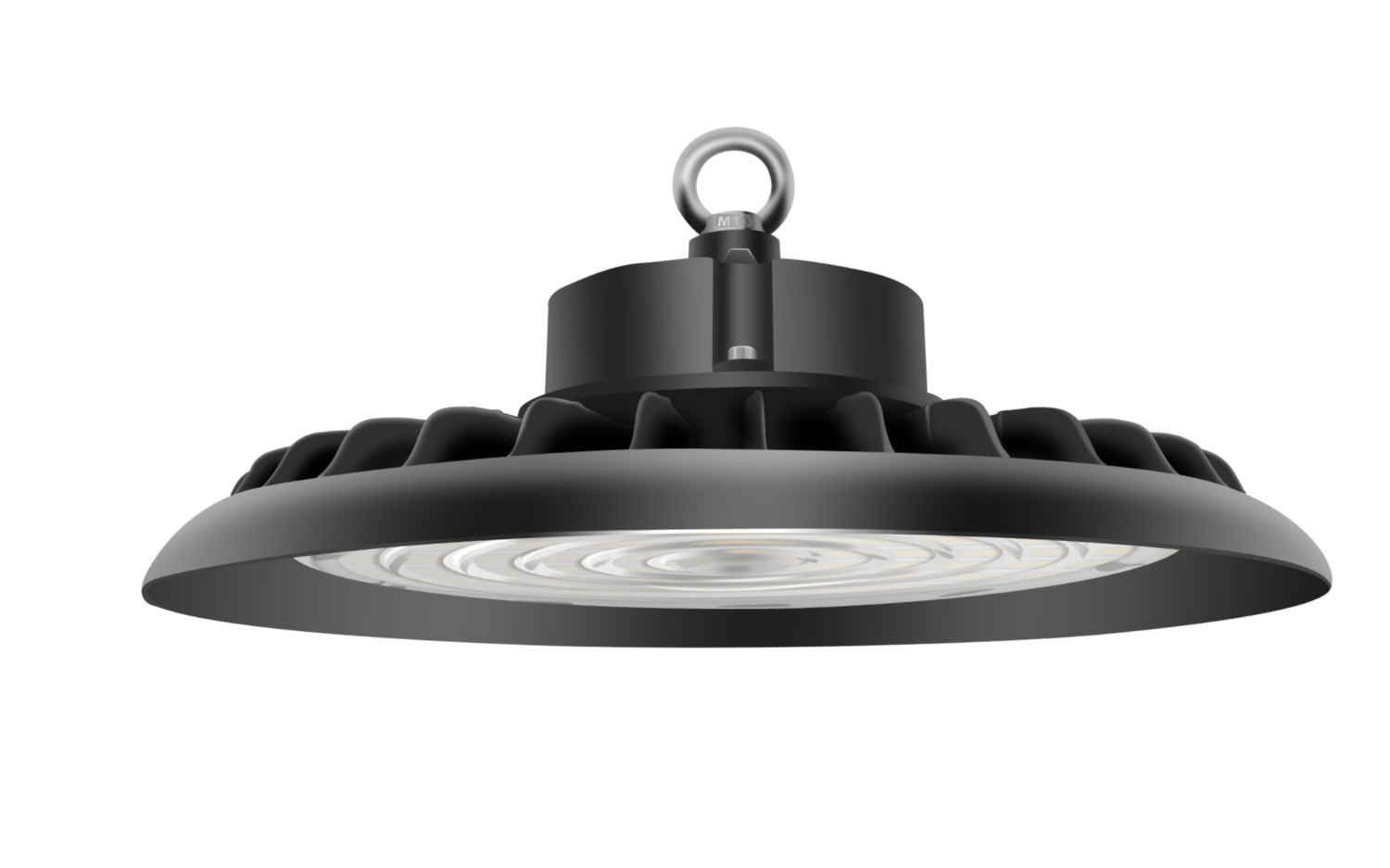
Tall bays and staging areas? The Budget High Bay Light covers height without brute wattage. For big-picture design tips (spacing, uniformity, sensor pairing), the ultimate best-practices guide keeps the jargon under control and the measurements front-and-center.
4) Corridor, rack, and service-bay lighting: spacing that doesn’t fight you
Racks want clean, lateral light with controlled glare; corridors want uniformity so nobody walks into a cable tray; service bays want punch without spill. Here’s a quick comparison we actually use on site:
| Fixture | Typical Wattage | Efficacy (approx) | Use Zone | Notes |
|---|---|---|---|---|
| SquareBeam Elite | 60–150 W | 150–160 lm/W | high bays, logistics, tall corridors | rigid body, consistent optics |
| Quattro Triproof Batten | 20–60 W | 130–150 lm/W | plant rooms, damp/mech areas | IP-rated, easy clean |
| SeamLine Batten | 18–48 W | 130–150 lm/W | rack aisles, tech corridors | low-glare lens, tidy runs |
5) Controls: motion, schedules, BMS hooks, and no “disco mode”
Controls save energy, sure, but the main job is predictability. In server corridors we set occupancy timeouts slightly longer than folks expect; nothing like lights clipping off during a tray pull to get you hate-mail. Link lighting to DCIM/BMS where the site actually uses it; otherwise, keep it local and boring.
We’ve had clean results pairing aisle luminaires with sensors at bay entries—not every pole—so maintenance carts don’t cause a ripple-effect. For the strategic angle, this lighting solutions overview maps control options to room types without turning it into a science project.
6) Emergency and egress: auditable on a bad day
Emergency lighting is seven questions in one: which circuits, which fixtures, autonomy (often 90 min+), test routine, reporting, signage, and who owns the logbook. Keep emergency on dedicated circuits, test monthly (func) and annually (full), and don’t bury test points behind racking where only contortionists can reach.
On retrofit jobs, I’ll often tag one in four luminaires with emergency packs in corridors, then add heads at decision points (exits, turns). Local code will nudge the ratio, but the field logic rarely changes. If you need a straight-talk refresher, skim lighting in data-center emergencies and keep a copy near your maintenance SOPs.
7) Specs that actually matter (and ones that mostly don’t)
Engineers care about things that survive the maintenance window:
- Driver tech (isolated, flicker performance under dim)
- Surge protection (line + differential)
- Thermal path (aluminum body that actually moves heat)
- Serviceability (tooling, connectors, spares)
Stuff that gets over-sold: CRI in server corridors, wild IP ratings in clean office zones, and brochure-grade “smart” claims with no BMS driver files.
If you want to sanity-check product families in one place, hop through SquareBeam Elite high-bay, Quattro Triproof, and SeamLine Batten, then save the Product hub for quick spec comparisons and part numbering.
8) Rollout plan that avoids rework: pilot → measure → scale
I’m a fan of tiny pilots with brutal honesty. Pick two aisles and a service bay. Install three options, log lux maps, wake-time patterns, and technician feedback. Adjust spacing or lens before buying a single pallet. Then scale the winner.

- Define egress levels and emergency autonomy.
- Confirm panel schedules and breaker coordination for lighting.
- Select fixture families per zone (corridor/rack/bay/plant).
- Lock controls strategy per zone (timeouts, overrides, BMS tie-in).
- Run pilot, capture numbers and photos.
- Freeze BOM, issue room-by-room takeoff.
- Schedule night installs to reduce live-site noise.
- Book a 30-day review to catch oddities.
When you’re ready to talk samples or field trials, use Contact CAE Lighting—faster to align stock and lead times before you pull cable.
Frequently Asked Questions (FAQ)
Q1: What redundancy level should I target for lighting circuits in a Tier III-ish site?
Aim for dual supply paths where feasible and clear emergency coverage with battery or central systems. Keep emergency on dedicated circuits with documented test routines.
Q2: Do sensors annoy technicians in server rows?
They can. Set generous timeouts, place sensors at bay entries, and avoid rapid cycling. Pilot and adjust—two nights of logs beat a month of guesses.
Q3: What’s a good target for corridor uniformity?
Try to keep max:min under 3:1 in long aisles; it reads “even” to the eye and photographs clean for audits.
Q4: How aggressive should I be on lm/W?
Push for high efficacy, but not at the cost of glare or driver reliability. Efficacy without maintainability is a boomerang.
Q5: Which fixtures for damp mechanical rooms?
Use sealed triproof units with honest IP and easy-wipe lenses. Quattro Triproof Batten is a straightforward pick.
Q6: Any fast way to avoid scalloping in corridors?
Continuous-run battens with the right lens. SeamLine Batten tends to behave nicely at standard mounting heights.
Q7: High-bay picks for staging areas with 10–14 m ceilings?
Check SquareBeam Elite or Budget High Bay Light depending on photometric needs and install time.
Q8: Where do I find a single place to compare options?
Start at the Product hub, then jump to individual pages for photometry and install notes.