
Data Center Infrastructure Components: Full Technical Breakdown for Compliance, Efficiency, and Scalability
- Introduction and Core Definitions
- Compliance Standards and Global Benchmarks
- Facility Structure and Physical Layout
- Power Infrastructure Systems
- Cooling and Environmental Control
- Networking and Security Systems
- Monitoring, Fire Protection, and Safety
- Sustainability, Scalability, and Future-Readiness
- Frequently Asked Questions (FAQ)
Key Takeaways
| Feature or Topic | Summary |
|---|---|
| Integration Benefits | Energy savings, streamlined operations, enhanced monitoring, and predictive maintenance. |
| Key Protocols | BACnet, Modbus, SNMP ensure interoperability. |
| Implementation Strategies | Assess existing infrastructure, select compatible systems, phased deployment recommended. |
| Operational Advantages | Reduced downtime, improved safety, occupant comfort, and significant sustainability contributions. |
1. Introduction and Core Definitions
Data center infrastructure components form the physical and logical backbone of every facility. Their configuration impacts uptime, scalability, and operating costs. In simple terms, the “infrastructure” is the environment in which servers, storage, and networking operate. It’s divided into IT infrastructure (compute, storage, network) and facility infrastructure (power, cooling, physical security).
Core, support, and auxiliary systems each play a distinct role:
- Core – Power feeds, UPS systems, cooling units, structured cabling.
- Support – Fire protection, physical access control, monitoring systems.
- Auxiliary – Office spaces, staging areas, and environmental controls.
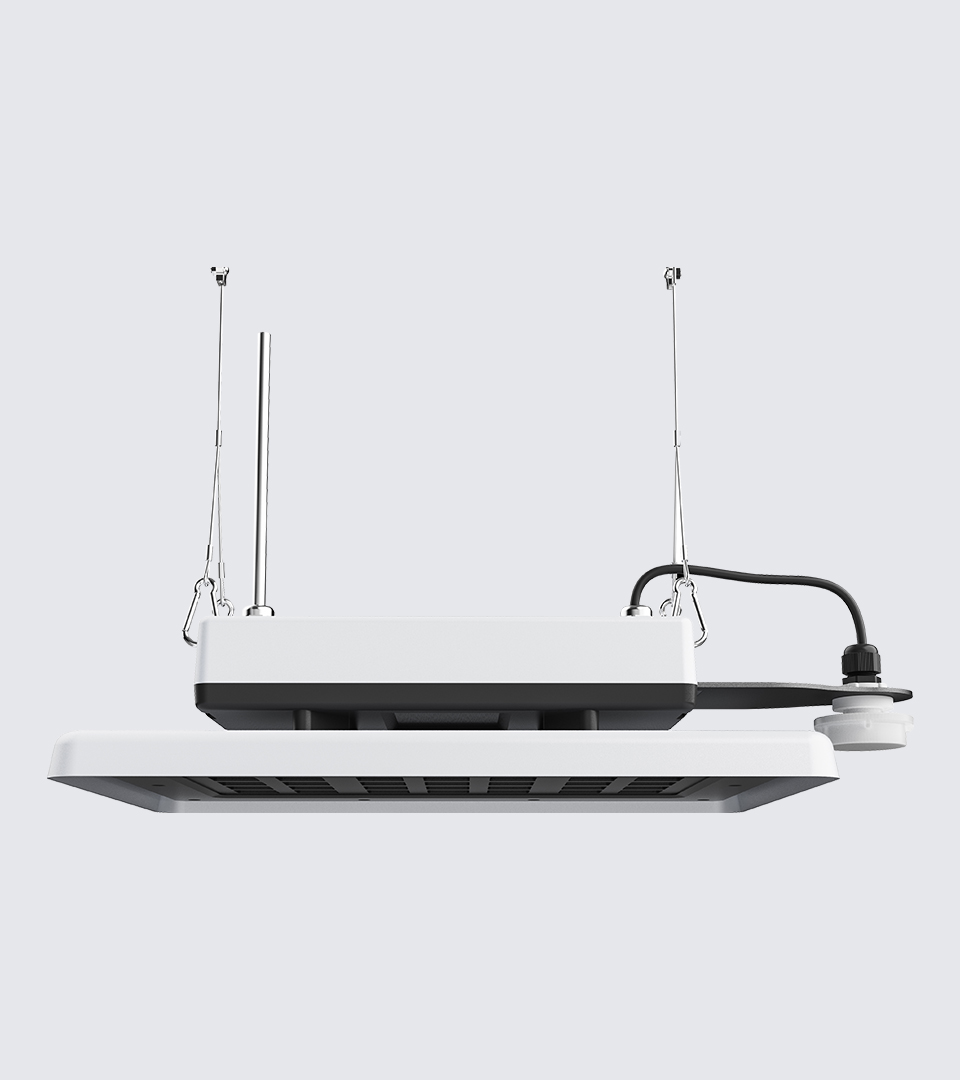
From an installation perspective, the lighting in these environments is just as critical. For example, Squarebeam Elite fixtures from CAE Lighting are designed for high-performance, low-glare illumination in server rooms, supporting operational safety without affecting thermal conditions.
2. Compliance Standards and Global Benchmarks
Every critical component must align with recognised data center standards. The most referenced frameworks include:
- TIA-942 – Telecommunications infrastructure and facility rating system.
- ISO/IEC 22237 – Covers site construction, security, energy efficiency, and operations.
- EN 50600 – European equivalent with sustainability requirements.
- ASHRAE Thermal Guidelines – Defines allowable environmental ranges for IT equipment.
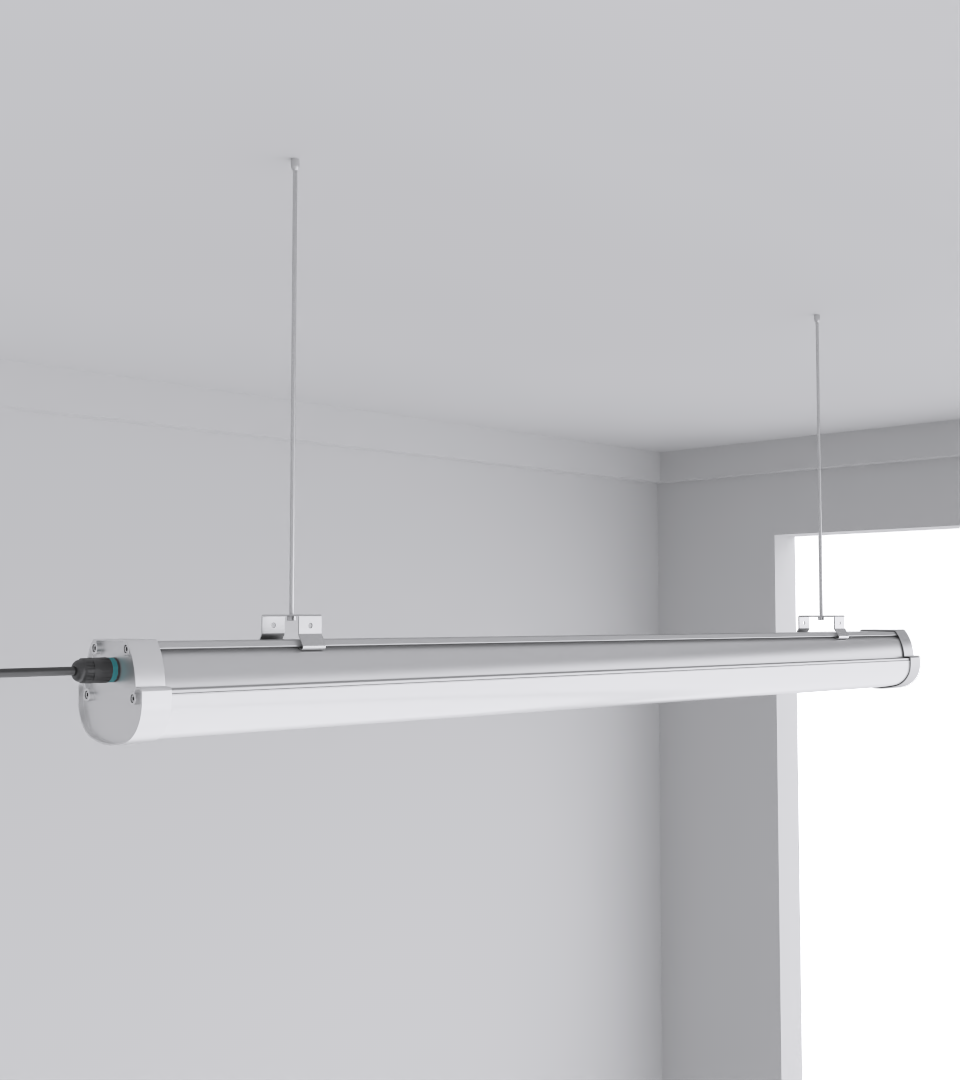
For electrical contractors, understanding how these documents map to procurement is vital. For example, choosing luminaires like the Quattro Triproof Batten ensures IP66-rated dust and water protection in compliance with environmental requirements.
3. Facility Structure and Physical Layout
The facility shell protects against environmental hazards and provides the structural capacity to host high-density racks. Raised floors support airflow distribution, and containment systems help maintain hot/cold separation. Cable pathways, whether overhead or underfloor, must be planned for future expansion and ease of maintenance.
- Building Shell – Seismic reinforcement and weatherproofing.
- Rack Layout – Supports optimal airflow and service access.
- Cable Trunking – Keeps fiber and copper organised, avoiding interference.
Lighting in these zones benefits from continuous linear fixtures like SeamLine Batten, offering uniform coverage along aisles.

4. Power Infrastructure Systems
Stable, redundant power is the first line of defence against downtime. Core elements include:
- Utility Feeds – Multiple substations or feeders for redundancy.
- UPS Systems – Double-conversion, rotary, or lithium-ion configurations sized to load.
- Generators – Runtime aligned with tier requirements; fuel storage compliant with local codes.
- PDUs/rPDUs – Intelligent monitoring for load balancing and fault detection.
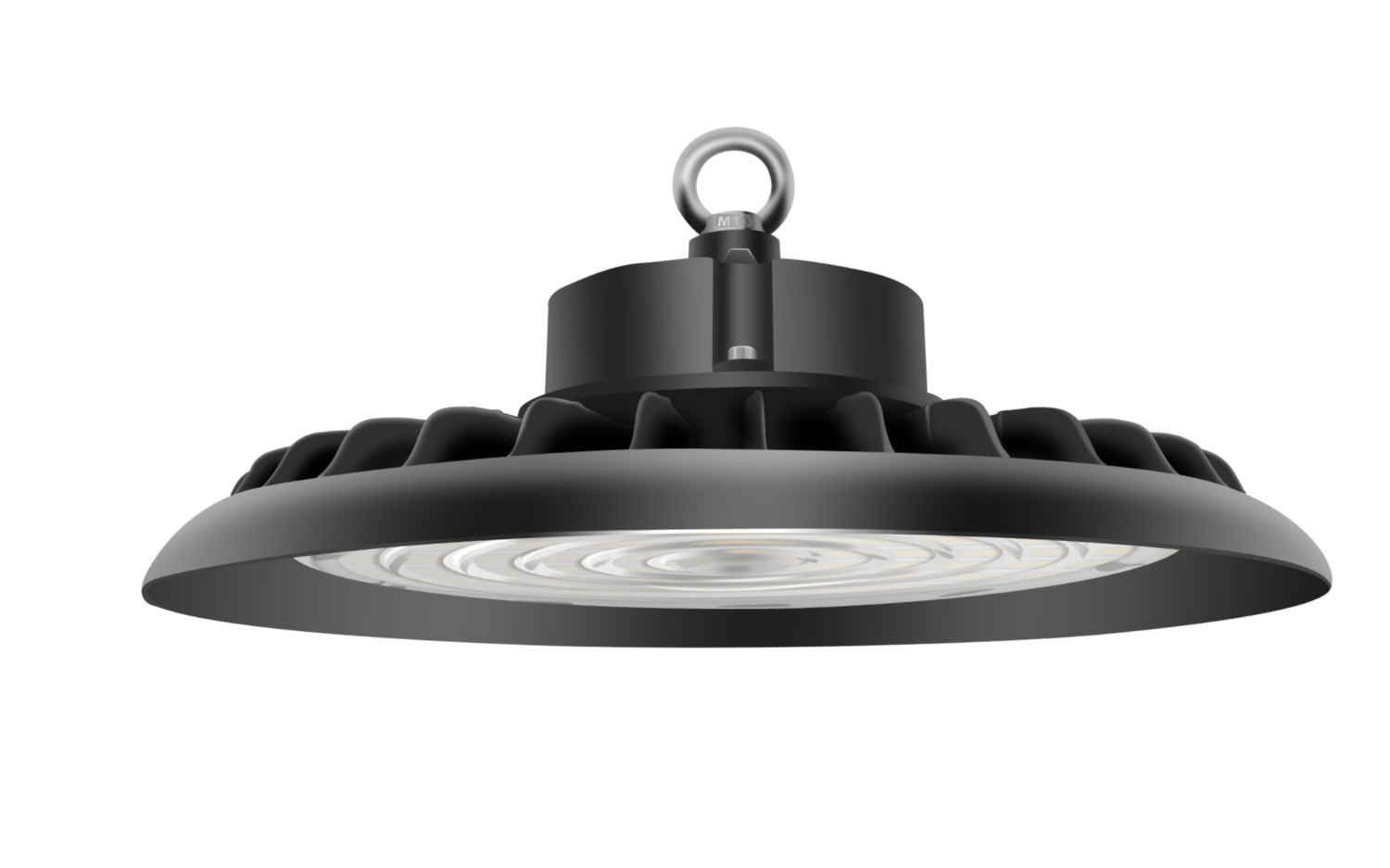
In support areas such as generator rooms or electrical switchgear spaces, robust high bay lighting like the Budget High Bay Light improves safety during maintenance.
5. Cooling and Environmental Control
Cooling systems maintain thermal stability, extending hardware life and reducing energy waste. Typical solutions include:
- CRAC/CRAH Units – Precision systems to control temperature and humidity.
- Liquid Cooling – Direct-to-chip or immersion for high-density racks.
- Airflow Management – Containment systems to eliminate bypass air.
- Filtration – Removes particulates and maintains clean airflow.
Lighting in these technical areas must handle temperature swings without lumen depreciation, making industrial-grade LED battens essential.
6. Networking and Security Systems
The network layer interconnects all operational systems. This includes structured cabling, core switches, firewalls, and intrusion detection systems. Physical security measures such as biometrics, mantraps, and CCTV protect against unauthorised access.
Lighting near access points should integrate with motion sensors for security and energy efficiency, similar to CAE’s motion-sensor-enabled fixtures.
7. Monitoring, Fire Protection, and Safety
DCIM platforms track capacity, assets, and environmental conditions in real time. Safety systems include:
- Fire Detection – VESDA, smoke, and heat detectors.
- Fire Suppression – Inert gas, water mist, and clean agent systems.
- Emergency Lighting – Compliant with NFPA 101 and OSHA for evacuation routes.
For emergency lighting, fixtures should offer battery backup and high IP ratings to withstand adverse events.
8. Sustainability, Scalability, and Future-Readiness
Energy efficiency metrics like PUE, WUE, and CUE guide operational improvements. Renewable integration (solar, wind, microgrids) reduces carbon footprint, while heat reuse systems feed waste energy into district heating.
Scalable designs using modular construction allow phased expansion. For AI-ready workloads, liquid cooling and >100 kW rack capacities are becoming standard. Edge facilities, meanwhile, adapt these principles to smaller, distributed deployments.
Frequently Asked Questions
- What are the most critical infrastructure components in a data center? Power systems, cooling, networking, security, and monitoring form the operational core.
- How does lighting affect data center performance? Quality lighting improves safety, reduces errors during maintenance, and can integrate with energy-saving controls.
- Which standards should data center components comply with? TIA-942, ISO/IEC 22237, EN 50600, and ASHRAE thermal guidelines are most relevant.
- What’s the role of modular design? It supports scalability, allowing infrastructure to grow alongside demand without full facility rebuilds.