
Data Center Infrastructure Cost Analysis 2025: Breakdown of CapEx, OpEx, and Efficiency Factors
–
- Introduction: Why Cost Modeling Matters
- Breaking Down the Major Cost Components
- Regional Benchmarks and Hotspots
- AI and High-Density Compute: The New Cost Driver
- Standards, Compliance, and Tiering Costs
- Strategies for Cost Optimization
- ROI Models and Long-Term Outlook
- Conclusion: Aligning Budgets with Future Demands
- Frequently Asked Questions (FAQ)
Key Takeaways
| Aspect | Key Insights |
|---|---|
| Average Build Cost | $7–12 million per MW for hyperscale facilities |
| Major Cost Drivers | Power, cooling, real estate, IT hardware, lighting & security |
| AI Impact | High-density racks (up to 250 kW) drive higher capex & opex |
| Regional Benchmarks | N. Virginia (low), Singapore (high), Mumbai rising fast |
| Lighting Role | Efficient LED solutions reduce opex |
| Compliance Costs | Tier III/IV + TIA-942-C certifications significantly increase budget |
| Cost-Saving Strategies | Modular design, DCIM, energy-efficient LEDs, virtualization |
| ROI Period | Typically 7–12 years, depending on scale and efficiency measures |
1. Introduction: Why Cost Modeling Matters
Every discussion about data center infrastructure cost in data centers starts with one unavoidable fact — building or expanding a facility is expensive and complicated. Global spending crossed $270 billion in 2024, and projections suggest it will surpass $550 billion by 2032. But raw numbers only tell part of the story.
From my own field experience working on lighting for hyperscale sites in Malaysia, one miscalculated budget line — like underestimating energy consumption by 5% — can snowball into millions in annual losses.
2. Breaking Down the Major Cost Components
Infrastructure costs are layered. Contractors and operators must factor in both CapEx and OpEx.
- Land & Construction
- Power Infrastructure
- Cooling
- Lighting & Security
- IT Hardware
- Management Systems
- Regulatory Compliance
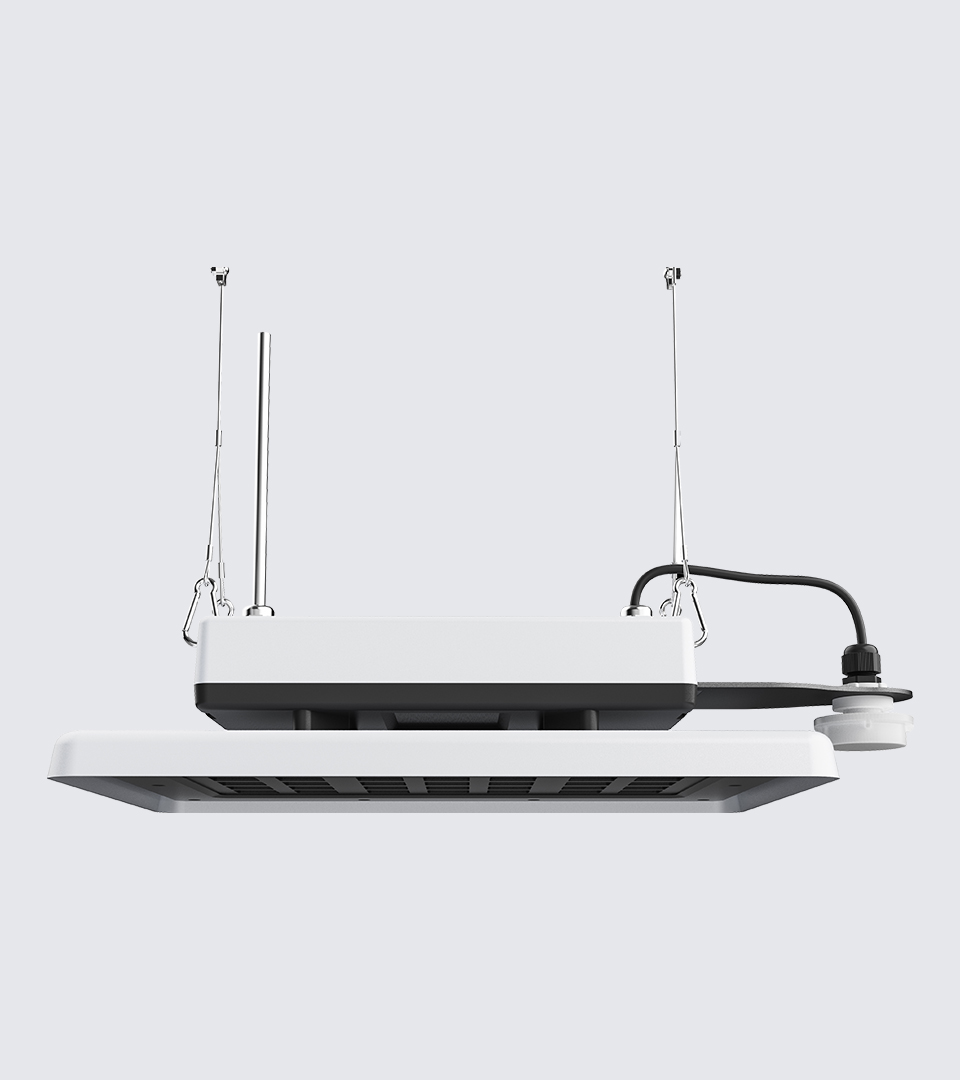
One lesson I’ve seen firsthand: lighting accounts for 5–7% of energy use in facilities. Using efficient systems reduces both upfront fixture costs and long-term power bills.
3. Regional Benchmarks and Hotspots
Costs are highly regional. A megawatt of data center capacity might cost:
- Northern Virginia: $7–8M
- Singapore: $12M+
- Mumbai: Ranked 6th globally in under-construction capacity
In Malaysia, I’ve personally seen budgets swing by 30% due to grid stability issues — operators must spend more on backup systems.

4. AI and High-Density Compute: The New Cost Driver
Artificial Intelligence workloads are reshaping cost structures. Traditional racks ran at 10–20 kW, but AI racks now hit 80–250 kW. That means more power draw per square meter, cooling systems that cost double, and increased lighting heat load sensitivity, making efficient LEDs essential.
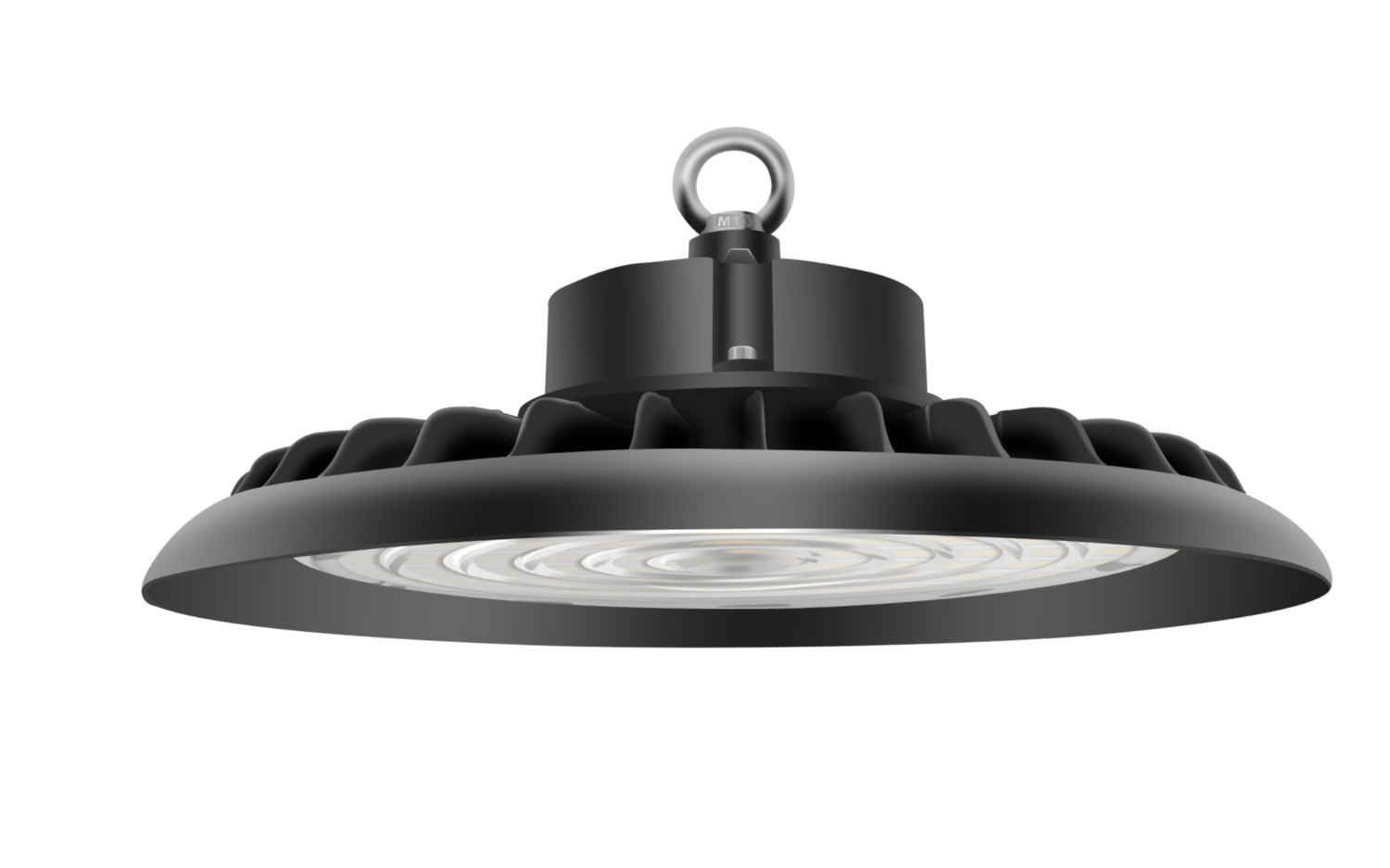
I once reviewed a site in Johor where inefficient lighting contributed to a 4% increase in cooling load. Switching to modern high bays reduced unnecessary heat and lowered operating costs significantly.
5. Standards, Compliance, and Tiering Costs
Compliance isn’t optional — it’s built into the budget. Standards like TIA-942-C and Uptime Institute Tiers shape cost allocations. Tier III requires redundant paths, while Tier IV doubles redundancy, pushing costs up by 20–30%.
I’ve seen clients struggle when they attempted Tier IV builds without factoring lighting redundancy. Dual emergency systems became an unexpected $200K expense.

6. Strategies for Cost Optimization
- DCIM Tools
- Virtualization
- Modular Builds
- Lighting Efficiency
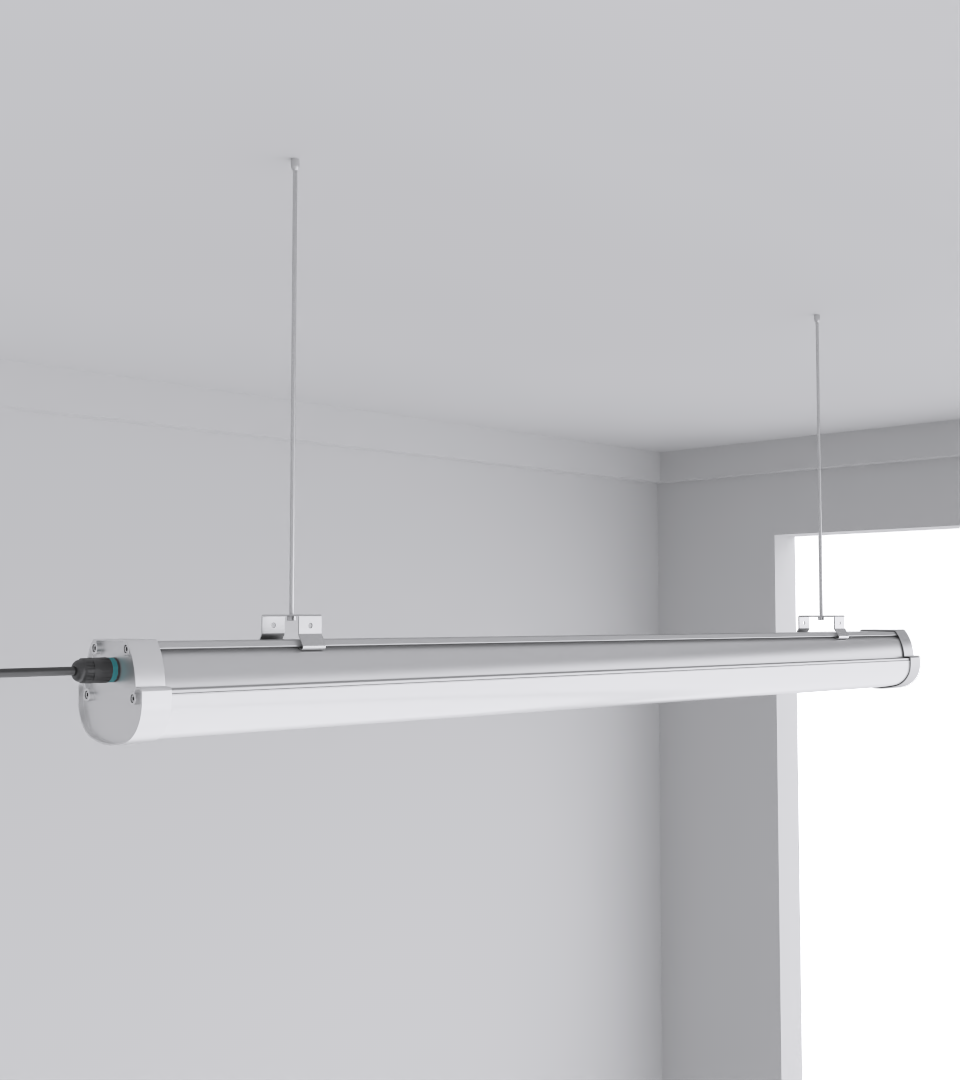
In one DHL warehouse retrofit, installing modular battens cut both installation time and contractor labor fees by 15%.
7. ROI Models and Long-Term Outlook
Investors and operators look at ROI windows. For mid-sized facilities:
- Payback Period: 7–12 years
- Primary ROI Levers: Energy efficiency, occupancy rates, modular flexibility
Every watt saved in lighting is a watt saved in cooling. Over 10 years, that compounds into real ROI.
8. Conclusion: Aligning Budgets with Future Demands
Data center infrastructure costs are escalating under the weight of AI adoption, sustainability regulations, and regional constraints. The smartest players balance efficient builds, compliance, and cost-saving technologies like advanced LEDs.
Frequently Asked Questions (FAQ)
Q1. What is the average cost of building a 1 MW data center?
Typically between $7–12 million, depending on region and tier level.
Q2. How much do cooling systems add to costs?
Cooling can account for 30–40% of total infrastructure costs.
Q3. Can lighting really impact overall costs?
Yes. Inefficient lighting adds to both power bills and cooling loads. High-efficiency LEDs reduce costs over time.
Q4. How do compliance standards affect budget?
Meeting Tier III/IV or TIA-942-C requirements can increase infrastructure costs by 20–30%.
Q5. What’s the role of modular data centers in cost reduction?
Modular builds can cut initial capex by 20–25% and reduce build times by months.