
Data Center Layout Optimization: How to Achieve Uniform Cooling, Power, and Cable Coverage
- What Is Uniform Coverage and Why It Matters?
- Airflow, Cabling, and Power — The Balance Triangle
- Layout Types That Actually Work
- Cabling Can Ruin Everything
- Tools That Help You Simulate
- Monitoring Uniformity Once Live
- Redundancy and Balance — Power Doesn’t Just Mean UPS
- Step-by-Step Guide to Uniform Layout
- Frequently Asked Questions (FAQ)
Key Takeaways
| Feature or Topic | Summary |
|---|---|
| Uniform Layout | Prevents hot spots, ensures airflow, balances cabling and power zones |
| Cooling Efficiency | Raised floors and plenum depth affect airflow and static pressure |
| Power Distribution | Equal load sharing across PDUs and racks avoids downtime |
| Cabling vs Airflow | Poor routing blocks air, good planning improves cooling and serviceability |
| Tools & Monitoring | CFD, thermal scans, DCIM help monitor and simulate layout coverage |
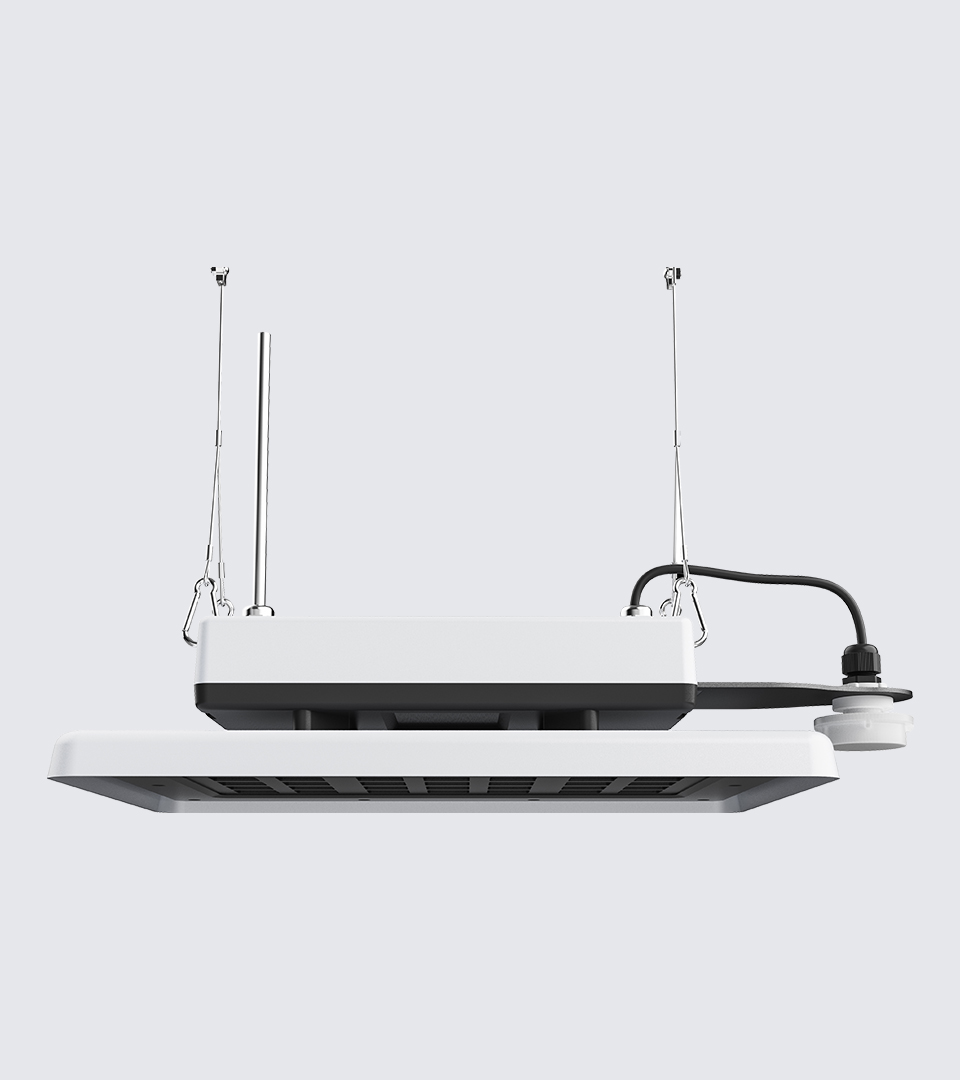
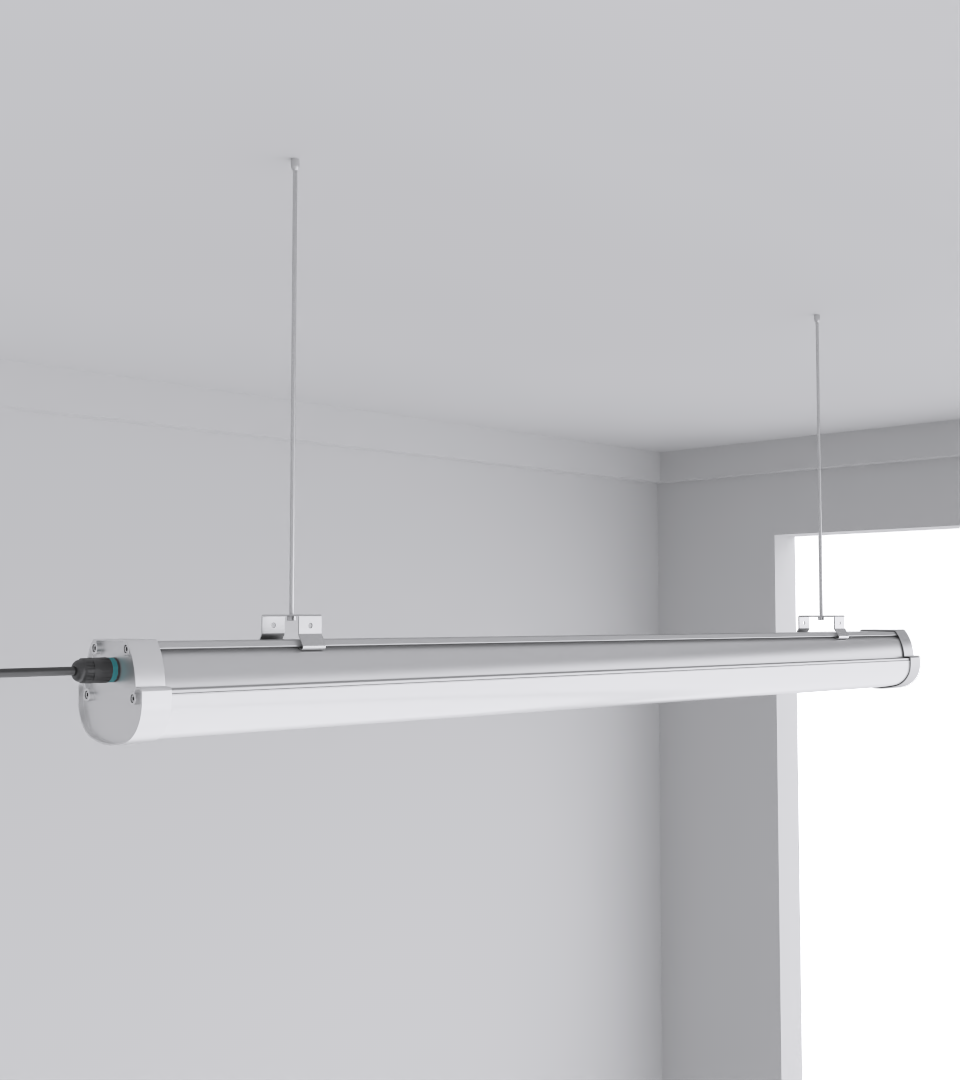
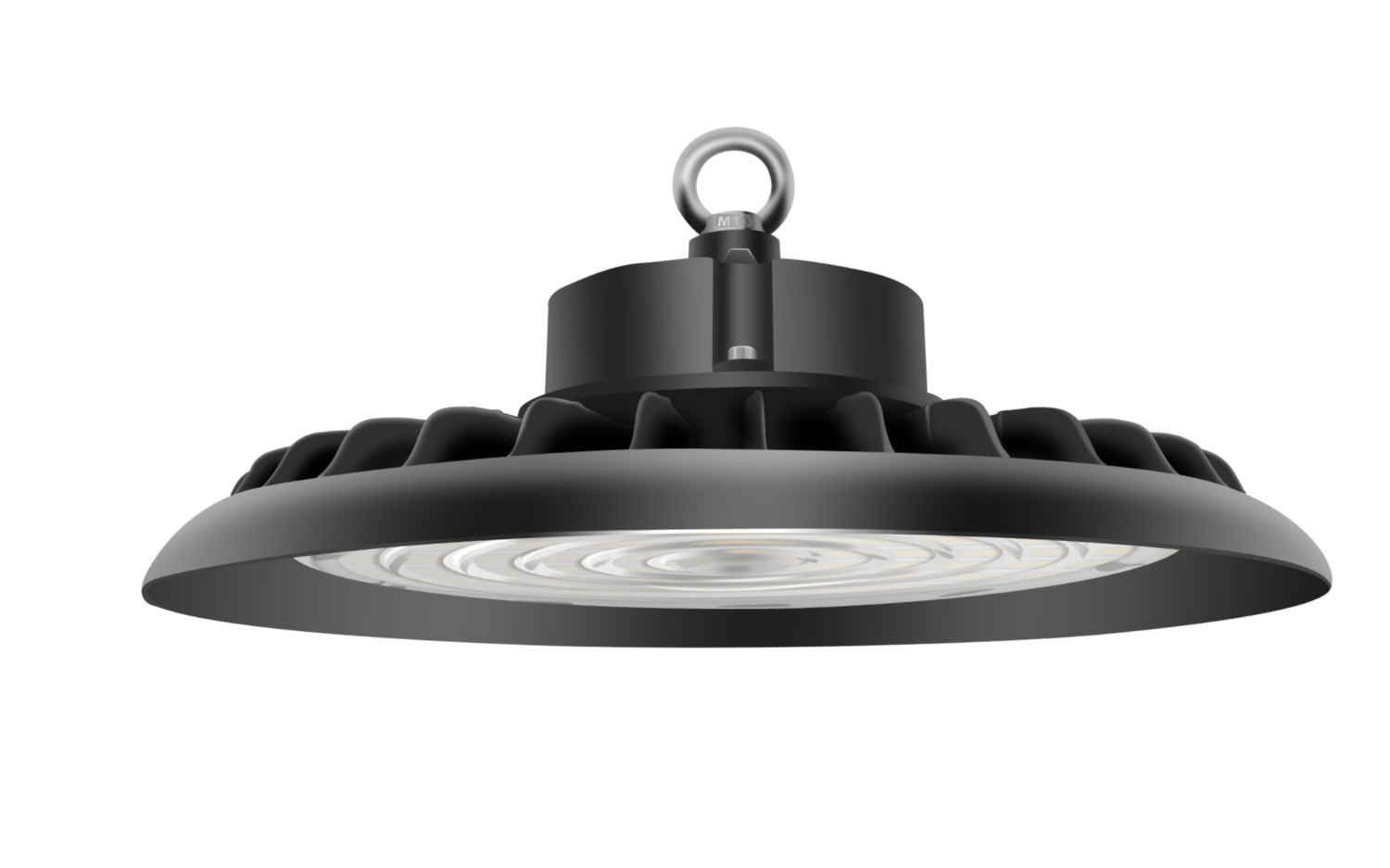
| CAE Lighting Products | SeamLine Batten, Squarebeam Elite, Quattro Triproof Batten for aisle visibility and heat-resilient coverage |
What Is Uniform Coverage and Why It Matters?
Let’s not pretend every rack in your data center is getting the same love. Some breathe easy, others sweat like a server in July.
Uniform coverage means:
- Equal cooling to all racks (no hot/cold zones)
- Balanced power loads
- Cabling that doesn’t choke airflow
- Logical placement that aids maintenance
This isn’t just about being neat. It’s about preventing:
- Random thermal shutdowns
- PUE spikes
- Nightmare cable tracing
- Redundant PDUs overloading in one zone
Airflow, Cabling, and Power — The Balance Triangle
Walk into most server rooms and you’ll find a problem hiding beneath floor tiles or behind racks.
- Hot spots due to uneven CRAC placement
- Cable blockage strangling cold aisle return
- Power imbalance making some PDUs scream
Fix it with:
- CRAC/CRAH spacing plans
- Raised plenum depth optimization
- Airflow-respecting cable trays
- Balanced power zone mapping
Layout Types That Actually Work
Real-world setups vary, but you’ll usually see:
- Row-based designs — flexible, scalable, but risk uneven cooling
- Pod-based — strong containment potential
- Island configurations — open format, works for modular zones
Tip from the field: Rear-facing racks trap heat. Orientation affects everything.
Cabling Can Ruin Everything
When ignored, cables:
- Block air return paths
- Collect dust and trap heat
- Turn into tracing nightmares
- Pose fire hazards
Solution: top-of-rack switching, structured trays, lifecycle labeling

Tools That Help You Simulate
- Use CFD tools before buying racks
- Simulate containment and pressure mapping
- Digital twins mirror real behavior under load
Monitoring Uniformity Once Live
- Thermal cameras = visual verification
- DCIM systems = live feedback
- Temp probes = top/bottom check
- Humidity and power meters = fail-safe alerts
Redundancy and Balance — Power Doesn’t Just Mean UPS
Ensure:
- PDUs split evenly
- Redundancy built into zones
- Load balancing on all feeds
Step-by-Step Guide to Uniform Layout
- Map racks and CRAC positions
- Sketch airflow and cable paths
- Plan PDU load zones
- Simulate before buying
- Build and monitor
- Adjust layout and remeasure
Frequently Asked Questions (FAQ)
What is uniform coverage?
Even airflow, power, and cable availability for every rack.
Why is cooling balance important?
Avoids hotspots and keeps uptime stable.
How can cabling ruin airflow?
By blocking vents, creating heat pockets, and increasing pressure.
Which lighting helps with uniformity?
Squarebeam Elite,
SeamLine Batten, and
Quattro Triproof Batten all support even, thermal-safe lighting coverage.