Data Center Lighting Design: Compliance, Efficiency, and Fixture Selection Guide
–
Key Takeaways
| Feature or Topic | Summary |
|---|---|
| Integration Benefits | Energy savings, streamlined operations, enhanced monitoring, and predictive maintenance. |
| Key Protocols | BACnet, Modbus, SNMP ensure interoperability. |
| Implementation Strategies | Assess existing infrastructure, select compatible systems, phased deployment recommended. |
| Operational Advantages | Reduced downtime, improved safety, occupant comfort, and significant sustainability contributions. |
Why Lighting Matters in Data Centers
Data center lighting isn’t just about visibility—it’s a key element of operational safety, energy management, and compliance. Inside mission-critical environments, lighting must:
- Ensure visual clarity during maintenance
- Support 24/7 operations with minimal energy use
- Avoid contributing to heat load
- Comply with codes like ANSI/TIA-942 and OSHA 1910 Subpart G
The ideal system balances uniform illuminance, low glare, and control integration—a goal that’s only achievable with purpose-built LED infrastructure.
Engineering Requirements
Lighting Zones
Lighting in data centers typically follows zone-based segmentation:
- Server Halls: Require linear high-efficiency LED battens with controlled beam angles.
- Corridors: Use continuous-row lighting like the Squarebeam Elite for evenly distributed brightness.
- Maintenance & Loading Bays: Require robust fixtures like Budget High Bay Light.
Fixture Types for Server Halls
1. Linear Battens with Sensor Support
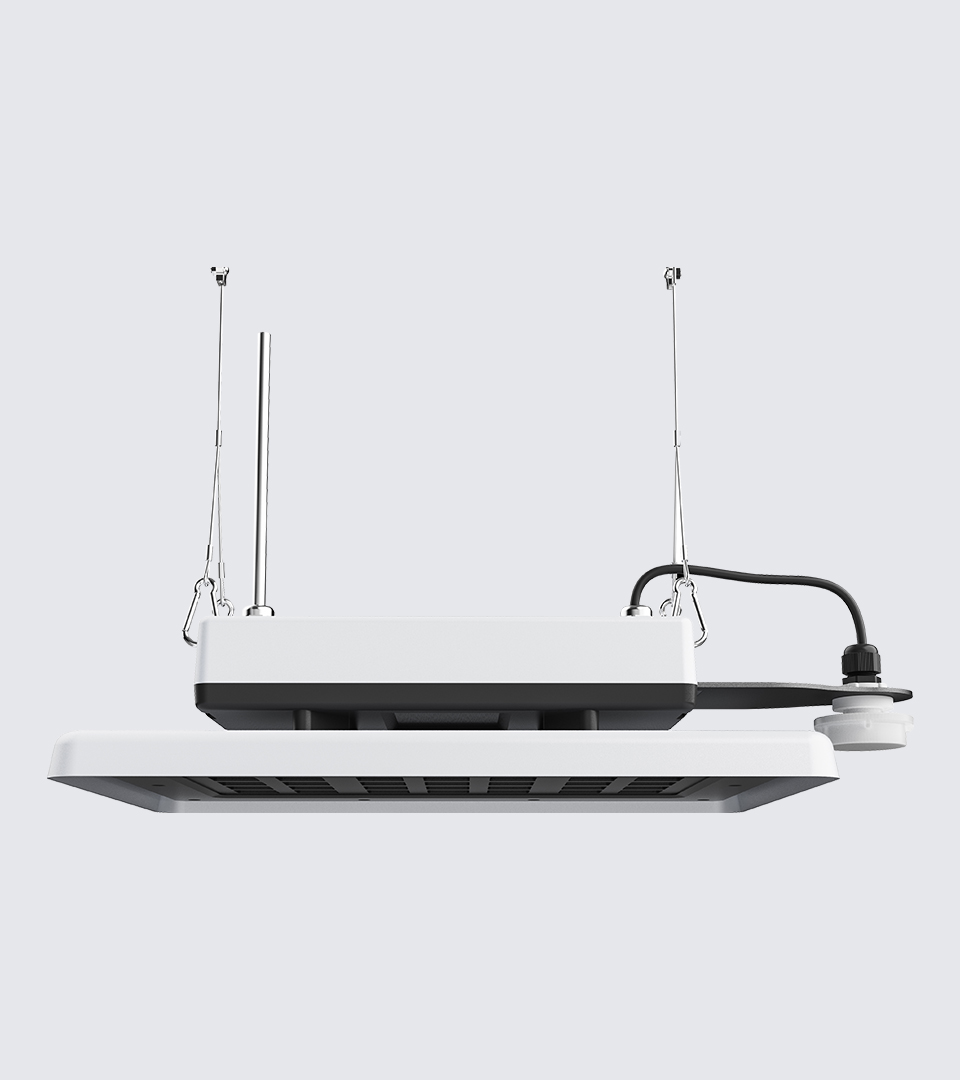
Fixtures such as the SeamLine Batten and Simplitz Batten V3 from Osram are engineered for uniform aisle lighting and offer tool-free installation. They’re also compatible with occupancy sensors to support automation.
2. IP65-Rated for Harsh Zones
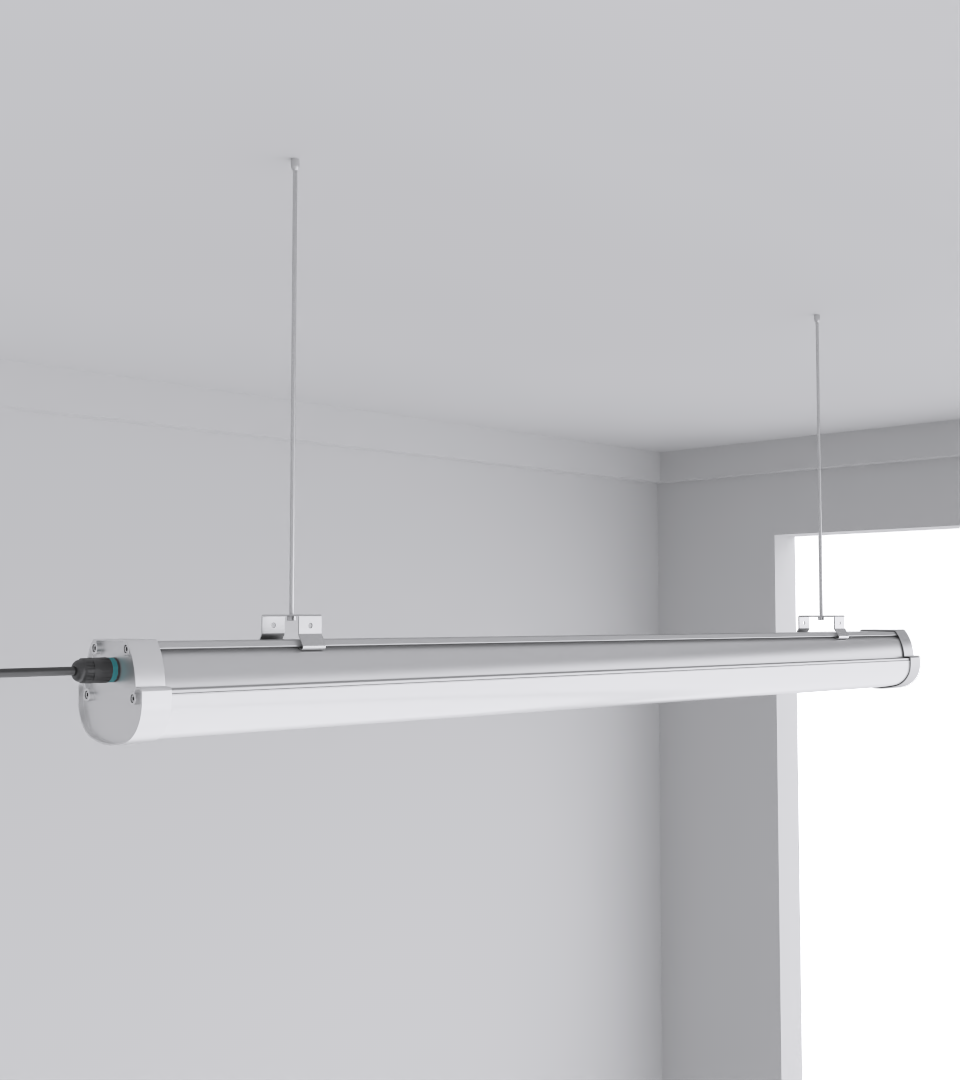
For spaces exposed to dust or airflow control issues, the Quattro Triproof Batten offers durable protection.
3. High-Bay Luminaires
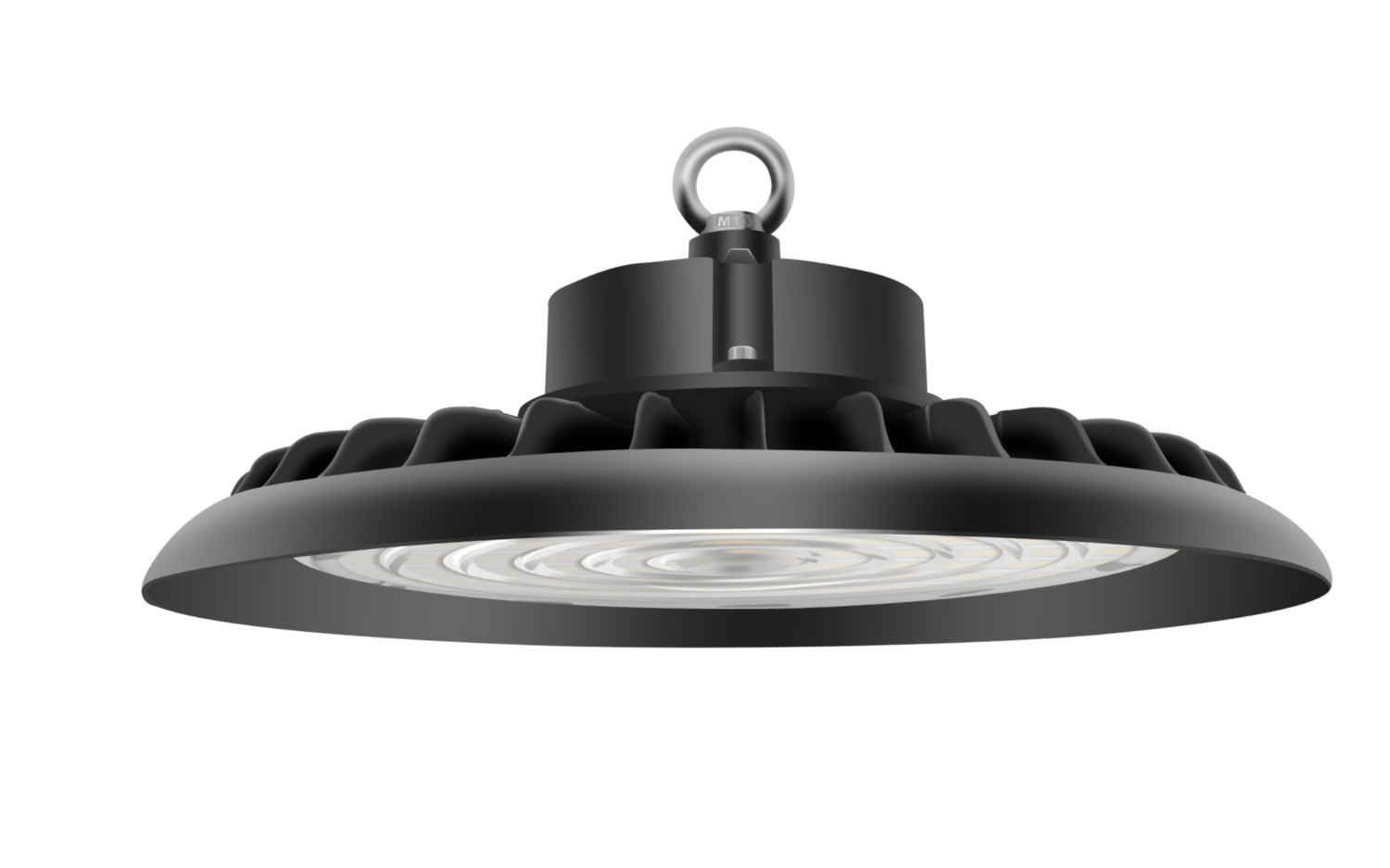
Ceiling-mounted high bays like Budget High Bay Light are ideal for equipment bays and storage mezzanines requiring >300 lux levels.
Lighting and Energy Efficiency
LED-based data center lighting drastically reduces power draw versus legacy fluorescent tubes. Additional savings come from:
- Motion sensor triggers (esp. in cold aisle zones)
- Daylight harvesting for areas with skylights
- 0-10V or DALI dimming interfaces for BMS integration
Many facilities use power metering dashboards to monitor real-time energy metrics—making it easier to validate compliance with standards like ASHRAE 90.4 and IECC.
Safety and Regulations
Data center lighting systems must comply with:
- NFPA 70 (NEC) and 101 for emergency egress
- UL 924-listed emergency drivers
- ANSI/TIA-942-C lux level recommendations:
- 500 lux for work zones
- 200 lux for general areas
- 100 lux minimum for emergency paths
Occupancy sensors must reset after power outages and resume default states under automatic failover.
Emerging Trends in Data Center Lighting
- Smart Fixtures: Wi-Fi and ZigBee modules enable remote diagnostics and firmware upgrades.
- Modular Lighting Grids: Flexible busbars allow rapid relocation without rewiring.
- Heat Mapping Integration: Combining luminaires with thermal sensors optimizes both cooling and maintenance access.
Future-proof facilities will rely heavily on AI-controlled lighting, predictive maintenance data, and standardized retrofit kits.
FAQs
Q1: What color temperature is optimal for data centers?
Neutral white (4000K–5000K) is ideal to reduce eye strain while maintaining alertness during service work.
Q2: Can LED fixtures be retrofitted in raised floor areas?
Yes, linear battens like the Squarebeam Elite and Quattro Triproof Batten are designed for both ceiling mounting and raised floor retrofits.
Q3: How often should emergency lights be tested?
Monthly function checks and annual 90-minute full discharge tests per NFPA 101 and OSHA guidelines are standard.