
Data Center Lighting Design: Optimizing LED Systems for Colocation and Hybrid Cloud Facilities
- Introduction to Data Center Lighting
- Importance of Lighting in Colocation Data Centers
- Key Requirements in Colocation Data Center Lighting
- Recommended LED Lighting Products for Data Centers
- Design Principles for Colocation Facilities
- Ensuring Compliance and Security
- Scalability for Enterprise Customers
- Future Trends in Data Center Lighting
- FAQ
Key Takeaways
| Feature or Topic | Summary |
|---|---|
| Energy Efficiency | LED lighting reduces energy costs and improves sustainability in colocation environments. |
| Redundancy & Reliability | Lighting must operate during power failures to support safety and uptime. |
| Product Recommendations | Use Squarebeam Elite, Quattro Triproof Batten, Budget High Bay for optimal coverage. |
| Hybrid Cloud Support | Lighting supports both on-prem and hybrid cloud-based colocation setups. |
Introduction to Data Center Lighting
Data center lighting plays a critical role in the reliability, safety, and maintenance of colocation data centers, hybrid cloud-based colocation facilities, and edge hosting environments. In highly sensitive IT infrastructures where server hosting, redundant network connections, and 24/7 access are essential, the quality and planning of lighting systems must align with stringent technical and compliance requirements.
Importance of Lighting in Colocation Data Centers
A colocation data center provides a shared facility for enterprise customers to house their hardware, relying on the facility for power, cooling, managed security services, and environmental conditions.
- Operational Efficiency: Clear visibility for on-site technicians performing rack-level tasks.
- Compliance Requirements: Adhering to OSHA and ANSI illumination standards.
- Security Integration: Supporting camera systems and visual inspections within data center facilities.
Key Requirements in Colocation Data Center Lighting
- Low Power Consumption – reduces energy footprint and supports compliance mandates.
- High Lumen Output – ensures 300–500 lux in all server rooms.
- Low Heat Emissions – critical in climate-controlled environments.
- Smart Sensor Integration – enables automation and energy savings.
- Long Lifespan – minimizes maintenance for international businesses and remote locations.
Recommended LED Lighting Products for Data Centers
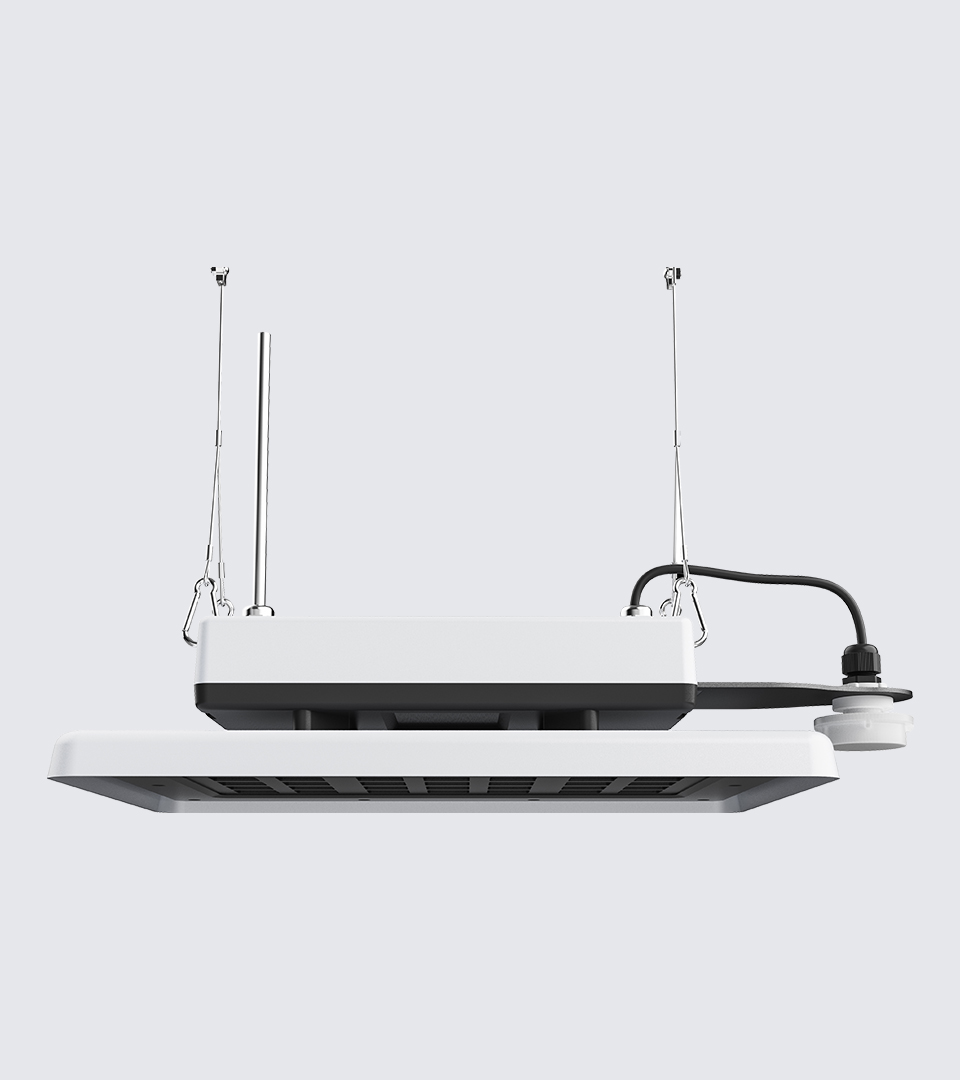
Perfect for high-density data halls. Offers superior glare control and efficient drivers ideal for colocation market growth.
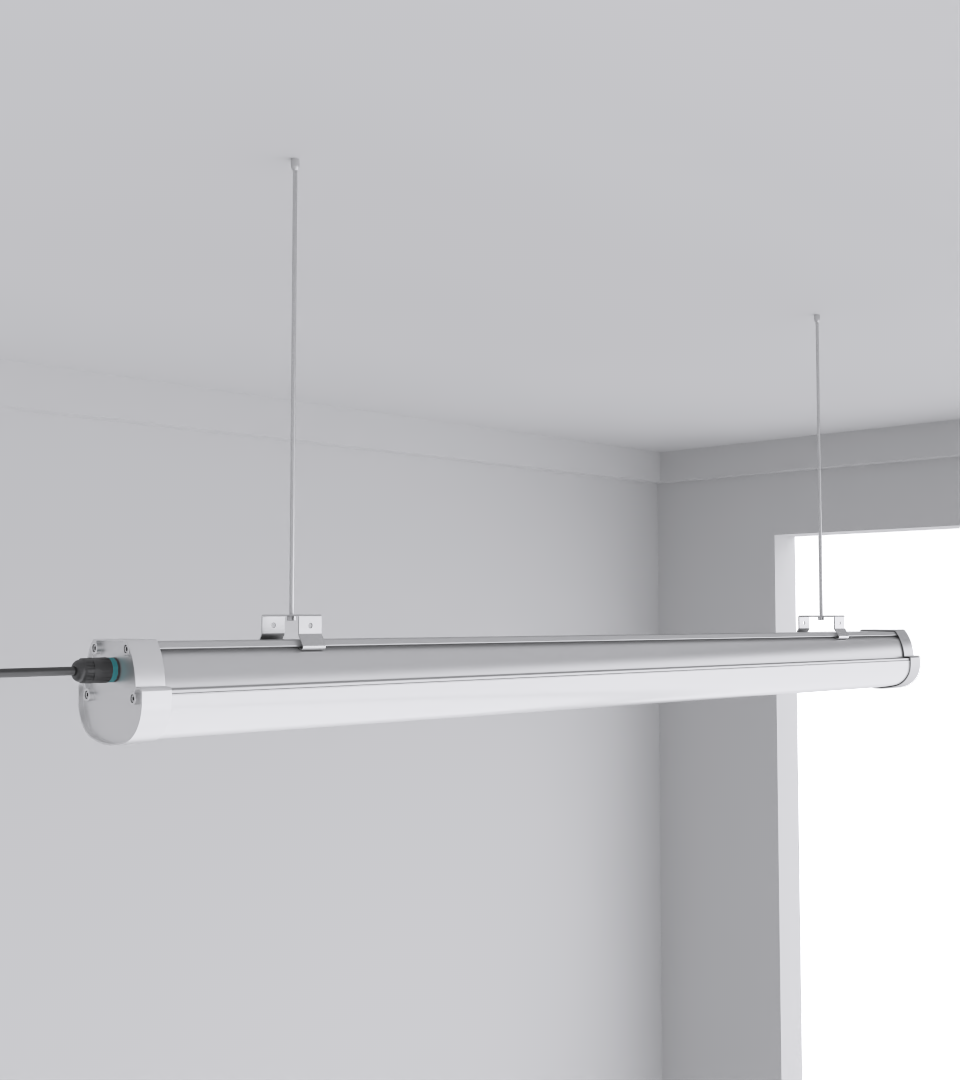
Designed for moisture-resistant zones and hybrid cloud-based colocation facilities needing climate management.
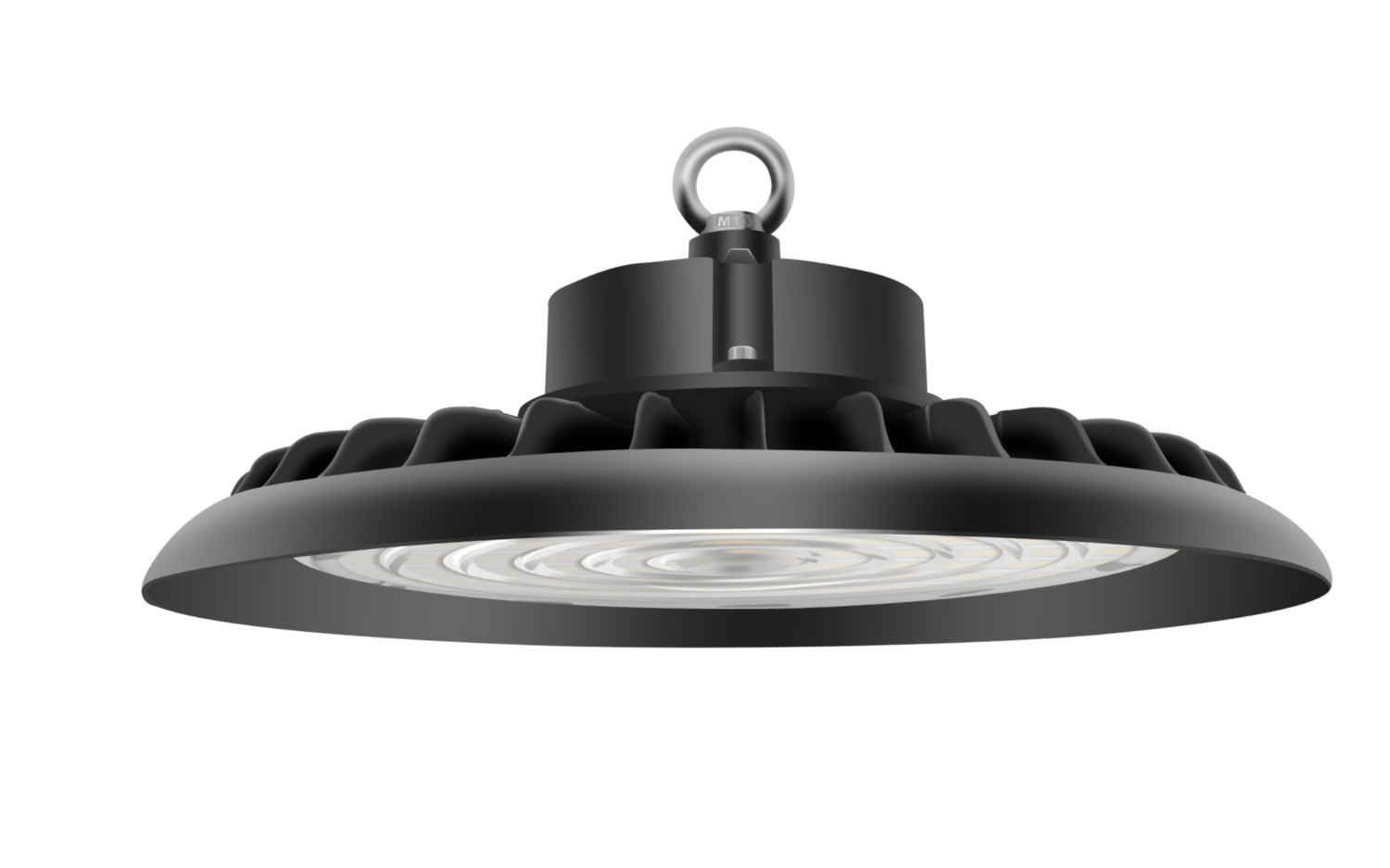
Best for high-ceiling hosting facilities, ideal for backup systems and redundant power zones.
Design Principles for Colocation Facilities
- Rack orientation aligned with aisle containment
- Zoning per enterprise customer requirements
- Emergency lighting integrated into failover networks
Ensuring Compliance and Security
Lighting systems must align with:
- Compliance Requirements – OSHA, NFPA, ISO/IEC standards
- Managed Security Services – integration with surveillance and access control
- Redundant Network Connections – lighting remains operational during failover
Scalability for Enterprise Customers
Lighting systems must scale for:
- Growing cage space
- Hybrid infrastructure demands
- Energy-efficient redundancy for growing international businesses
Future Trends in Data Center Lighting
- AI-powered predictive lighting controls
- Integration with cloud infrastructure services
- Lighting certified under sustainable green building mandates
FAQ
Why is LED lighting critical for colocation data centers?
LEDs offer low heat output, high energy savings, and long lifespan — essential for uptime, redundancy, and sustainability.
What’s the best fixture layout for hybrid cloud setups?
A combination of SeamLine Batten, Quattro Triproof Batten, and Budget High Bay supports diverse environments.
How does lighting enhance managed security services?
Through integration with surveillance systems and maintaining visual coverage during power events using redundant power.