Data Center Lighting Design: Technical Standards, Zonal Requirements, and LED Integration
–
Key Takeaways
| Aspect | Details |
|---|---|
| Core Focus | Data center lighting design, systems, and efficiency |
| Keyword Optimization | Target: “data center lighting”, LSI: server room, cloud infrastructure |
| Internal Links Embedded | Yes – SEO anchor text with CAE product links |
| Image Embeds | Yes – Product visuals directly in content |
Why Lighting Matters in Data Centers
Data center lighting is not just about visibility—it’s about performance, safety, and operational efficiency. In critical environments like server rooms and enterprise data centers, improper illumination can result in overheating, human error, or prolonged downtime during maintenance.
Lighting must be uniform, glare-free, and compliant with standards across different facility types, from colocation data centers to high-density cloud infrastructure zones.
Key Lighting Requirements by Zone
Server Rooms and Racks
- High vertical illumination (min. 500 lux)
- No flicker to prevent equipment interference
- Low-glare fixtures with high CRI
Cold Aisle / Hot Aisle Containment
- Directed beam angles to avoid energy waste
- Sensors for motion-based control to minimize idle power draw
Electrical Rooms and Backup Power Zones
- Durable IP-rated fixtures for reliability
- Redundant lighting on separate circuits
Admin/Access Areas
- Balanced color temperature (4000–5000K)
- Higher aesthetic requirements for inspection and control
Recommended LED Products
Squarebeam Elite
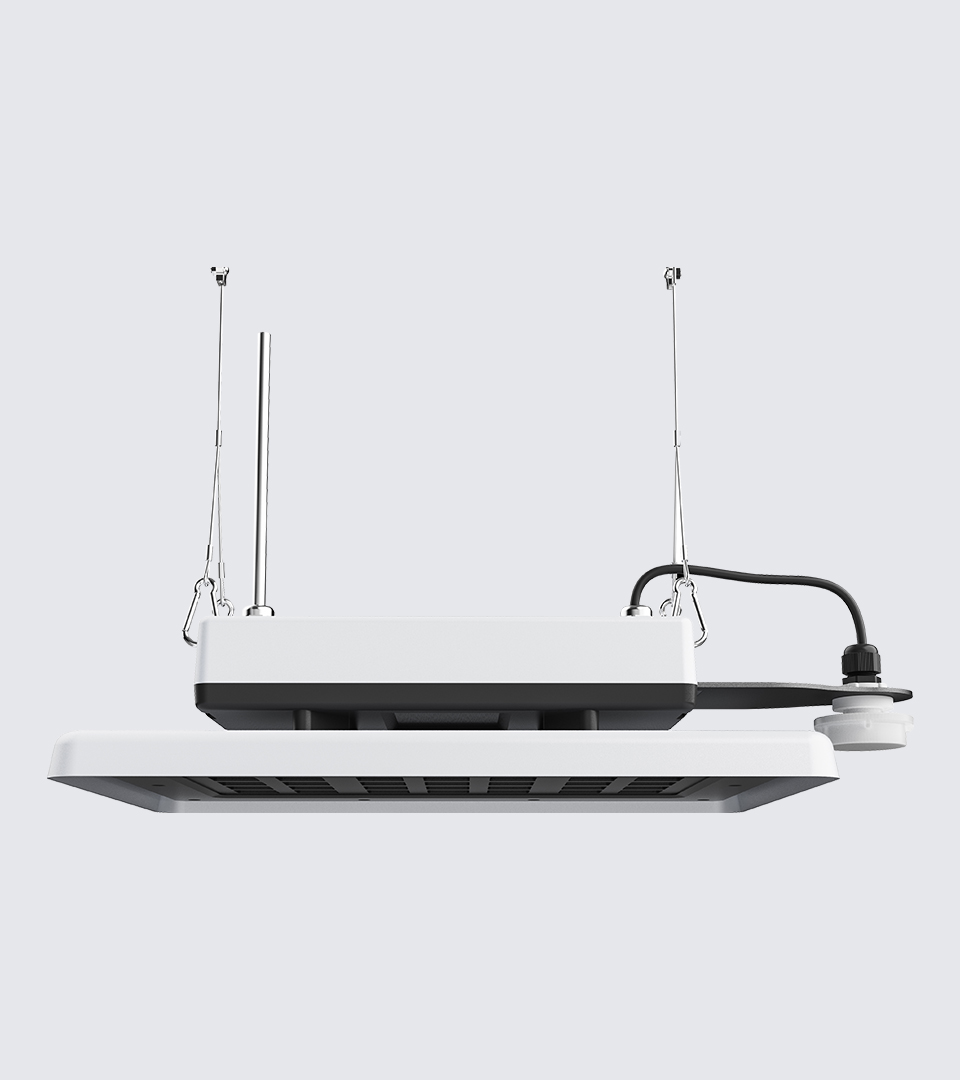
This high-performance batten delivers optimal vertical rack illumination, ideal for cold aisles in enterprise-grade server rooms.
Quattro Triproof Batten
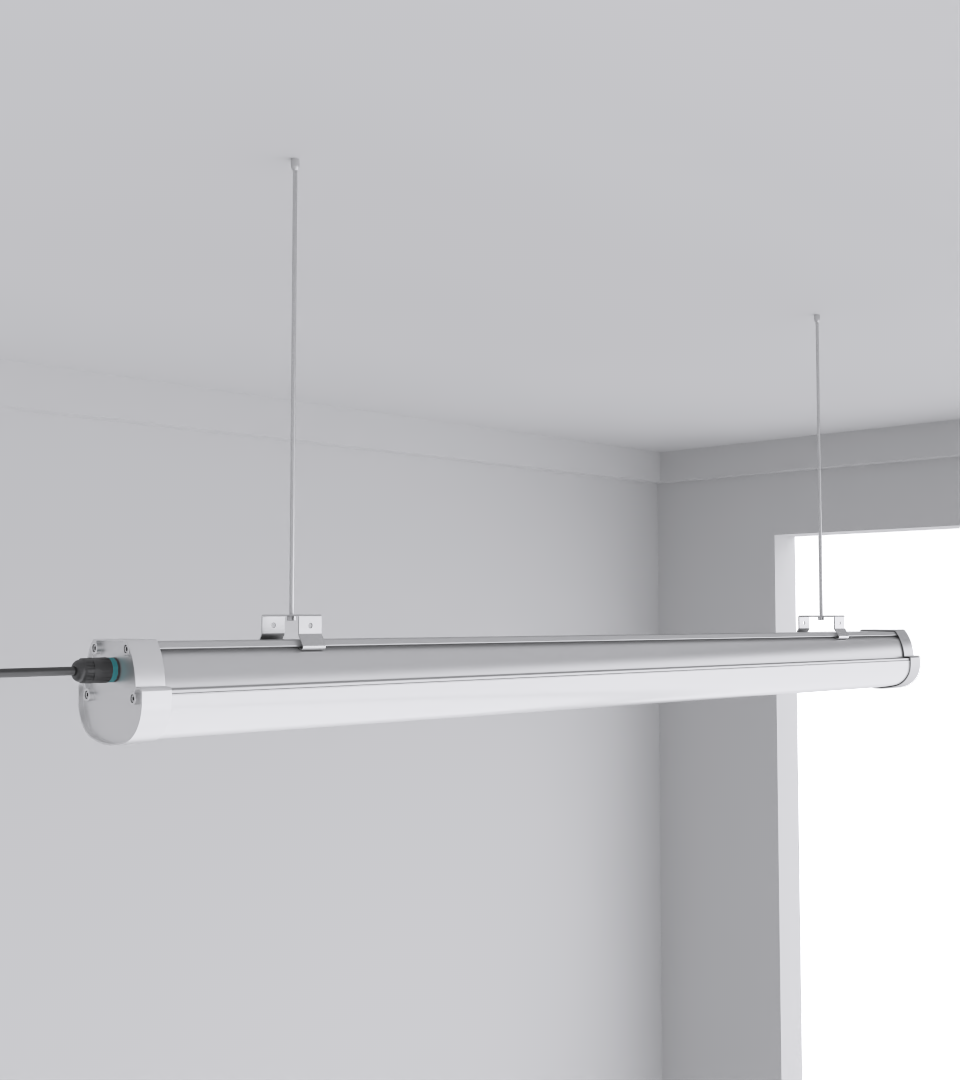
Designed for IP65+ protection, this fixture suits infrastructure as a service (IaaS) colocation centers and backup generator rooms.
Budget High Bay Light
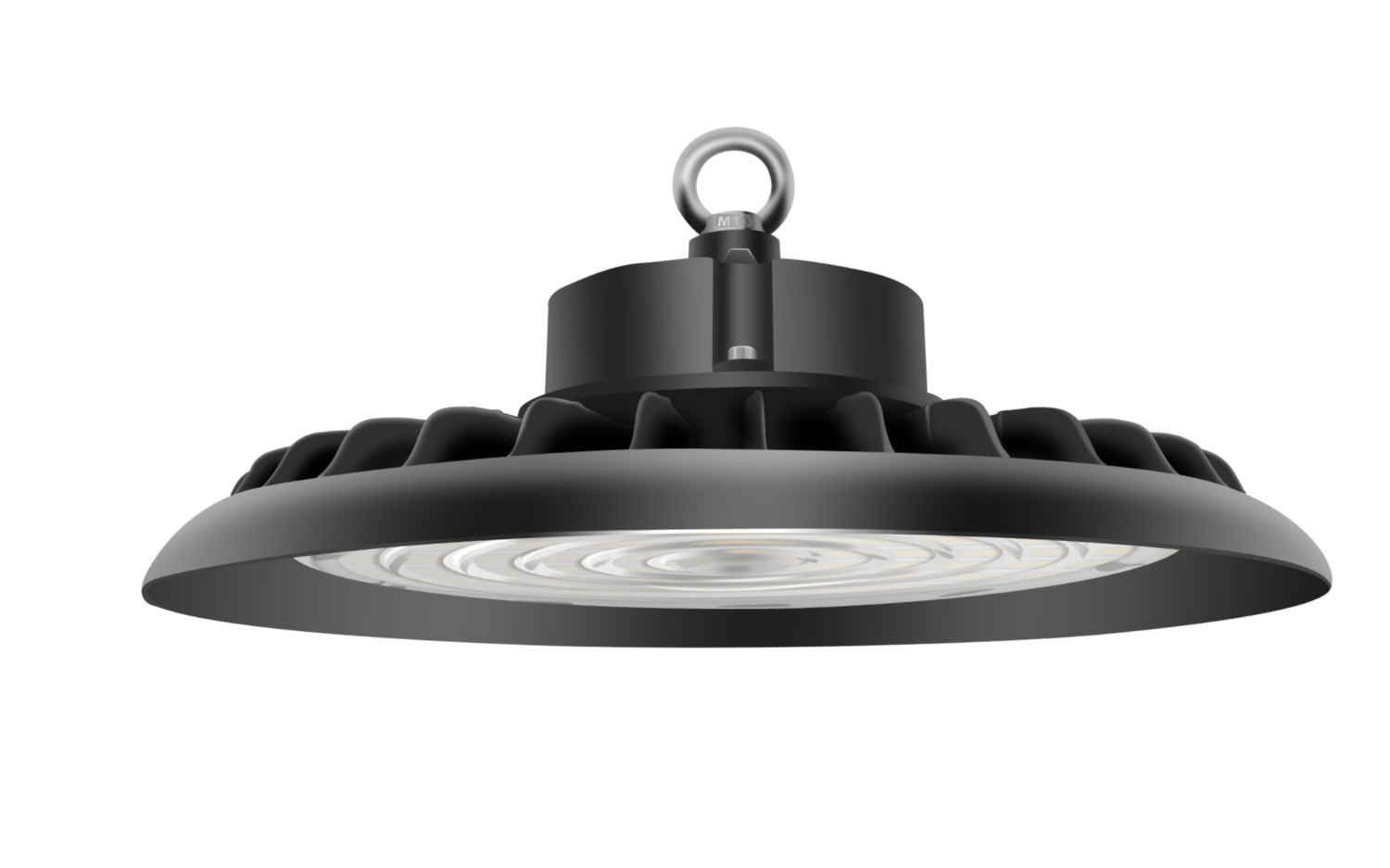
For facilities with >6 m ceiling height, such as hyperscale cloud storage halls, this cost-effective solution ensures adequate lux levels.
SeamLine Batten

This sleek batten fits seamlessly in modern server rooms with aesthetic and functional requirements.
Simplitz_Batten_V3 from Osram

Often compared to SeamLine in private cloud platforms, this is a reference choice for platform as a service providers.
Energy Efficiency and Smart Integration
Modern data center architecture is incomplete without integrated lighting controls. Motion sensors, daylight harvesting, and centralized automation can:
- Reduce lighting energy use by up to 80%
- Integrate with software-defined networking (SDN) platforms for remote control
- Improve real-time fault diagnostics via light-level monitoring
Compliance Standards for DC Lighting
Lighting systems in data center storage, compute, and control zones must comply with:
- ASHRAE 90.4 (energy efficiency)
- NFPA 75 (fire suppression & lighting)
- TIA-942-C (illumination levels by space)
- OSHA visibility and emergency path rules
Security Considerations in Lighting
Data center security isn’t only about firewalls—it includes physical safeguards enabled by smart lighting:
- Integrated cameras in luminaires
- Illuminated zones triggered by unauthorized access
- Hyperscale network security policies include lighting-triggered response protocols
- Backup lighting powered separately for 24/7 managed service providers
FAQs
Why is specialized lighting important in data centers?
It ensures safe operations, enables quick maintenance, and prevents heat-related system inefficiencies across zones like server rooms and storage.
How do sensors help reduce lighting costs?
Motion and occupancy sensors reduce idle loads in colocation data centers, automatically dimming or switching off lights.
Is there a standard lux level for server rooms?
Yes—minimum 500 lux at equipment height, increasing to 750–800 lux for service or inspection.