Data Center Lighting Optimization: Energy-Efficient Strategies for Global Hyperscale and Colocation Facilities
Key Takeaways
| Feature or Topic | Summary |
|---|---|
| Integration Benefits | Energy savings, streamlined operations, enhanced monitoring, and predictive maintenance. |
| Key Protocols | BACnet, Modbus, SNMP ensure interoperability. |
| Implementation Strategies | Assess existing infrastructure, select compatible systems, phased deployment recommended. |
| Operational Advantages | Reduced downtime, improved safety, occupant comfort, and significant sustainability contributions. |
Introduction
As global data center investments continue to surge, infrastructure design is evolving to accommodate increasing demands in power capacity, resilience, and operational efficiency. One area often underestimated in terms of long-term impact is data center lighting—an essential component tied directly to energy savings, safety compliance, and maintenance overhead.
Informed by the structure of the top 250 data center companies as classified by market presence, including cloud service providers, retail colocation firms, and wholesale data center operators, this article expands on the role of lighting in supporting these facilities. From cloud regions to availability zones, intelligent lighting not only complements technical excellence but also reinforces sustainability and uptime.
The Role of Lighting in Global Data Center Companies
The largest data center companies, such as AWS, Microsoft Azure, and Google Cloud, manage thousands of megawatts across hundreds of sites. These environments require data center lighting that is:
- Uniform and flicker-free
- Compatible with hot/cold aisle layouts
- Integrated into building management systems (BMS)
- Low in heat emission to avoid impacting HVAC loads
Operators like CloudHQ and Vantage Data Centers, with deployments across multiple continents, often implement scalable lighting schemes tailored to availability zones and local code compliance—such as UL 924 or EN 1838 for emergency backup systems.
Lighting Requirements Across Cloud Regions
Each cloud region—comprising clusters of data centers in specific geographies—has unique requirements in terms of voltage, frequency, and environmental standards. For example:
- Americas may require IP66-rated enclosures to resist dust and moisture.
- Asia-Pacific cloud zones need luminaires with higher ambient temperature thresholds.
- Europe’s cloud territories are shifting toward ENEC-certified, DALI-controllable lighting.
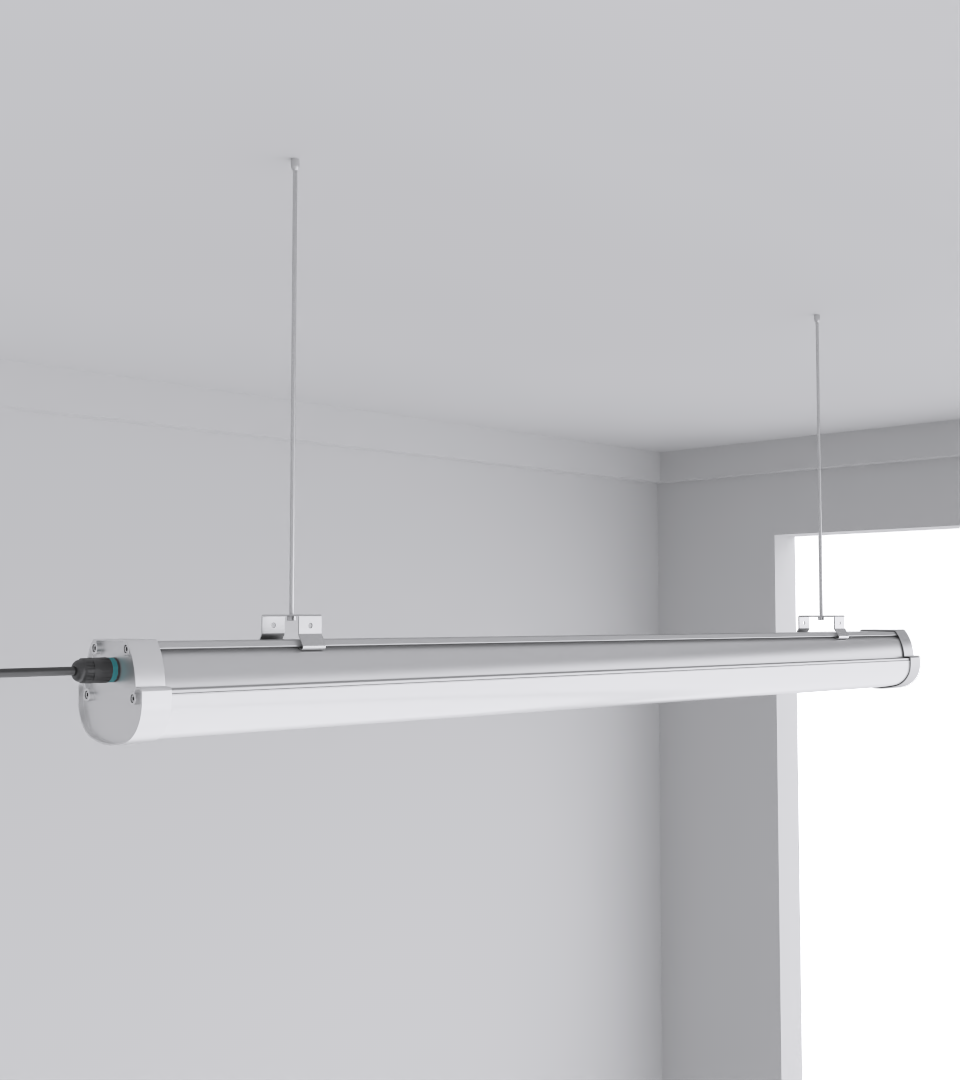
For such global variability, modular, versatile fixtures are preferred. The Quattro Triproof Batten stands out as a top choice due to its durability and IP65 protection.
Designing for Availability Zones and Colocation Facilities
Retail colocation firms and carrier-neutral data centers often house multiple tenants, each requiring custom lighting zones and operational flexibility. These lighting systems must address:
- Sensor-controlled occupancy management
- Zoned dimming for security perimeters and mantraps
- Quick-connect modularity for tenant fit-outs
A product such as the SeamLine Batten is particularly well-suited here—its seamless design aids in glare control, while its ease of installation reduces tenant downtime.

Recommended LED Solutions
-
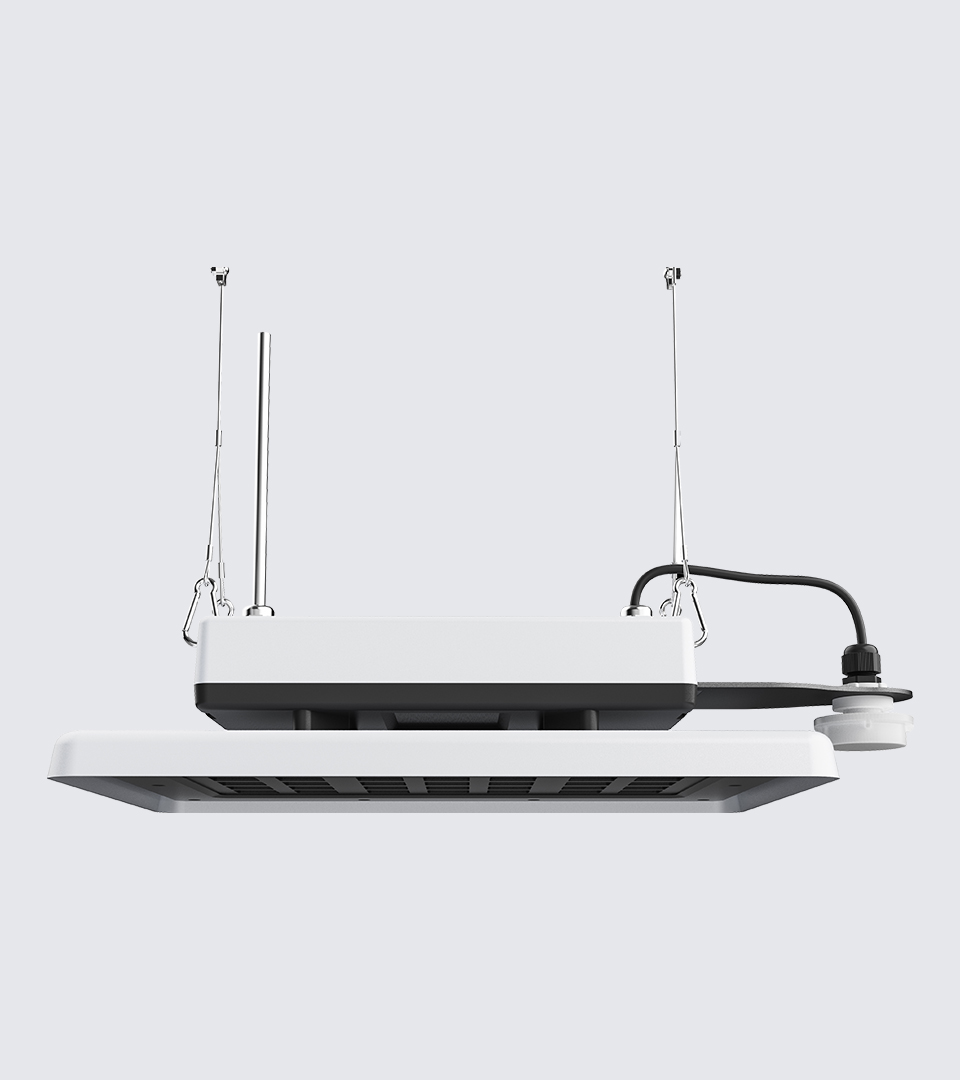
Squarebeam Elite: Precision optics with low glare UGR<19; ideal for high-ceiling white spaces or central control rooms.
-
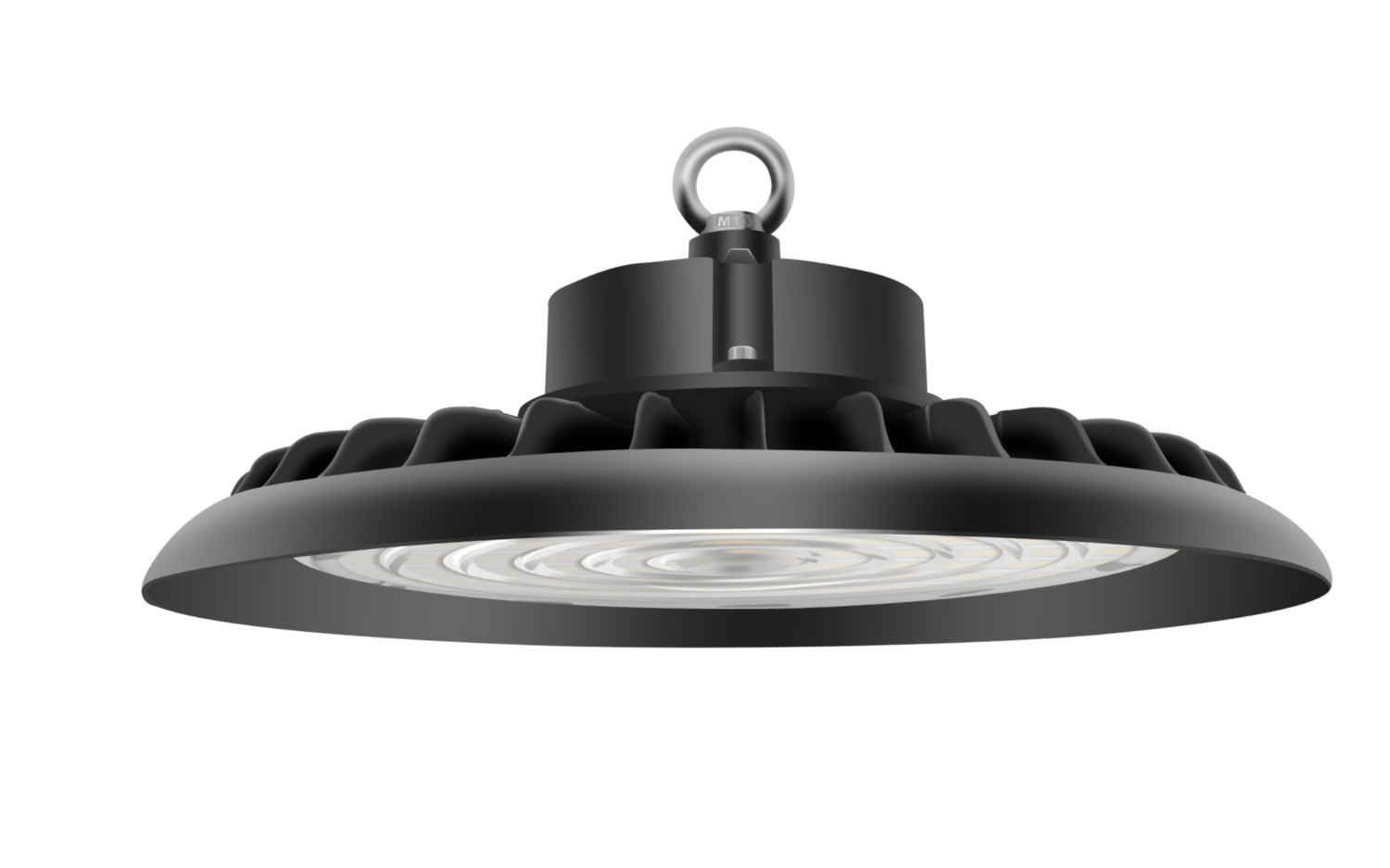
Budget High Bay Light: A practical choice for tech corridors or power rooms with ceiling heights exceeding 6m.
-
Simplitz Batten V3 from Osram: An industry reference standard offering robust emergency integration and long lifecycle metrics.

Meeting Power Capacity and Efficiency Standards
Power infrastructure in hyperscale data centers can exceed 100 MW, and lighting should never be a significant draw. A few core strategies include:
- Deploying LED luminaires with efficacy ≥150 lm/W
- Using daylight harvesting and motion sensors
- Segmenting lighting into operational zones with load shedding features
Advanced lighting planning helps data center providers and cloud operators meet LEED, TIA-942, and ASHRAE 90.4 standards.
Expert Considerations for Hyperscale Providers
Operators like AWS and Google prioritize:
- Autonomous lighting with central control (BACnet, DALI, Modbus)
- Emergency backup protocols integrated into UPS systems
- Luminaires that maintain lux uniformity in raised floor and overhead cable tray designs
Hyperscale data center deployments also require low-maintenance and long-lifecycle options—systems exceeding 50,000 hours with minimal lumen depreciation are now the standard across international centers.
Conclusion
Lighting has evolved from a passive fixture to a core infrastructure layer in the era of global data center expansion. For data center companies—whether cloud service providers, retail colocation firms, or wholesale data center operators—an optimized data center lighting strategy yields measurable gains in performance, efficiency, and compliance.
Using robust solutions like the Squarebeam Elite, Quattro Triproof Batten, or SeamLine Batten, infrastructure leaders can align lighting infrastructure with future-ready digital infrastructure goals.