Data Center Lighting Safety Inspections: Full Compliance Guide with Checklists, Templates & IoT Tools
- Why Safety Inspections Matter in Lighting Design
- Regulatory Standards That Must Be Met
- Photometric Layouts & Fixture Performance
- Emergency Systems: Central Inverter vs Self-contained
- Inspection Checklist Overview
- How to Structure Reports for Compliance
- Smart Integration: IoT + Auto-Testing
- Real-World Cases & What They Teach Us
- Frequently Asked Questions
Key Takeaways
| Feature or Topic | Summary |
|---|---|
| Inspections & Compliance | Ensure UL 924, NFPA 101, and TIA-942 standards are met through scheduled inspections. |
| Heat-Resilient Fixtures | Fixtures like Squarebeam Elite and Quattro are tested to withstand high ambient temps. |
| Reporting & Templates | Use structured logs and visual documentation for accurate audit records. |
| IoT Integration | Enable automated testing, occupancy tracking, and data export via smart systems. |
1. Why Safety Inspections Matter in Lighting Design
Data centers operate 24/7 under high thermal and electrical load conditions. In these environments, every component must perform reliably, and lighting is no exception. While servers and cooling systems get much of the attention, lighting systems are essential for visibility, maintenance access, safety during emergencies, and adherence to regulatory codes.
- Emergency lights must remain functional for at least 90 minutes under loss of power.
- Exit signage must be visible under all circumstances, including during power failures.
- Fixtures installed in hot aisles or near HVAC ducts must be rated for high ambient temperatures (often exceeding 45°C).
Lighting failures aren’t just inconvenient—they can result in failed audits, safety incidents, or even legal liabilities. That’s why inspections must be rigorous, scheduled, and thoroughly documented.
2. Regulatory Standards That Must Be Met
Modern data centers are subject to stringent international and national standards. These include:
| Standard | Purpose |
|---|---|
| NFPA 101 | Life safety and egress light requirements |
| UL 924 | Emergency lighting compliance |
| TIA-942-C | Tier-based data center reliability guidance |
| ISO 3864 | Safety signage visual rules |
Read more: Fire Safety Lighting Compliance
3. Photometric Layouts & Fixture Performance
Every space in a data center—from server aisles to maintenance corridors—requires calculated lux levels. Over-illumination causes glare and discomfort, while under-illumination creates safety hazards. Tools like DIALux or Relux allow engineers to simulate lighting coverage.
- Minimum of 500 lux at working plane level in server aisles.
- Uniformity ratio should remain below 3:1 for balanced light.
- UGR (Unified Glare Rating) below 19 to avoid eye fatigue for staff.
Proper photometric planning ensures lighting doesn’t become a liability. Thermal imaging and real-world trials are often required to validate the design.

4. Emergency Systems: Central Inverter vs Self-contained
When the main power fails, emergency lighting must activate instantly and perform according to code. There are two main architectures:
| Type | Pros | Cons |
|---|---|---|
| Central Inverter | Centralized test control, easier reporting | Complex wiring, single-point failure risk |
| Self-contained | Individual backup per fixture, easier install | Dispersed maintenance, harder to test remotely |
5. Inspection Checklist Overview
A robust inspection plan breaks tasks into specific categories. Here’s a high-level checklist structure used by leading EHS teams:
- General Lighting
- Fixture orientation and coverage validation
- Cleaning schedule adherence
- Secure cabling and conduit routing
- Emergency Lighting
- Battery function checks
- Test button functionality
- Exit signage legibility
- Photometric Tests
- Lux meter readings
- Contrast checks in shadow zones
- Thermal hotspot verification
- Backup Systems
- Inverter/battery discharge duration
- Alarm status indicators
- Generator transfer timing
- Control Systems
- BMS or DALI logs
- Auto-test schedules
- Sensor accuracy
6. How to Structure Reports for Compliance
A professional inspection report is critical for audits. It should follow this structure:
- Cover Page: Site, date, time, and team members
- Executive Summary: Brief summary of findings
- Detailed Findings: Table of inspected elements with Pass/Fail indicators
- Photo Documentation: Clearly labeled images of any issues
- Remedial Actions: Recommended fixes and follow-up timeline
Reports should be stored in both cloud and local backups. If requested during a regulatory visit, they must be presented without delay.
7. Smart Integration: IoT + Auto-Testing
Integrating IoT-based lighting systems adds serious efficiency to inspections:
- Occupancy sensors validate presence-based lighting needs
- Smart drivers can auto-test and self-report failures
- Data export allows PDF or .CSV logs for backup and auditing
8. Real-World Cases & What They Teach Us
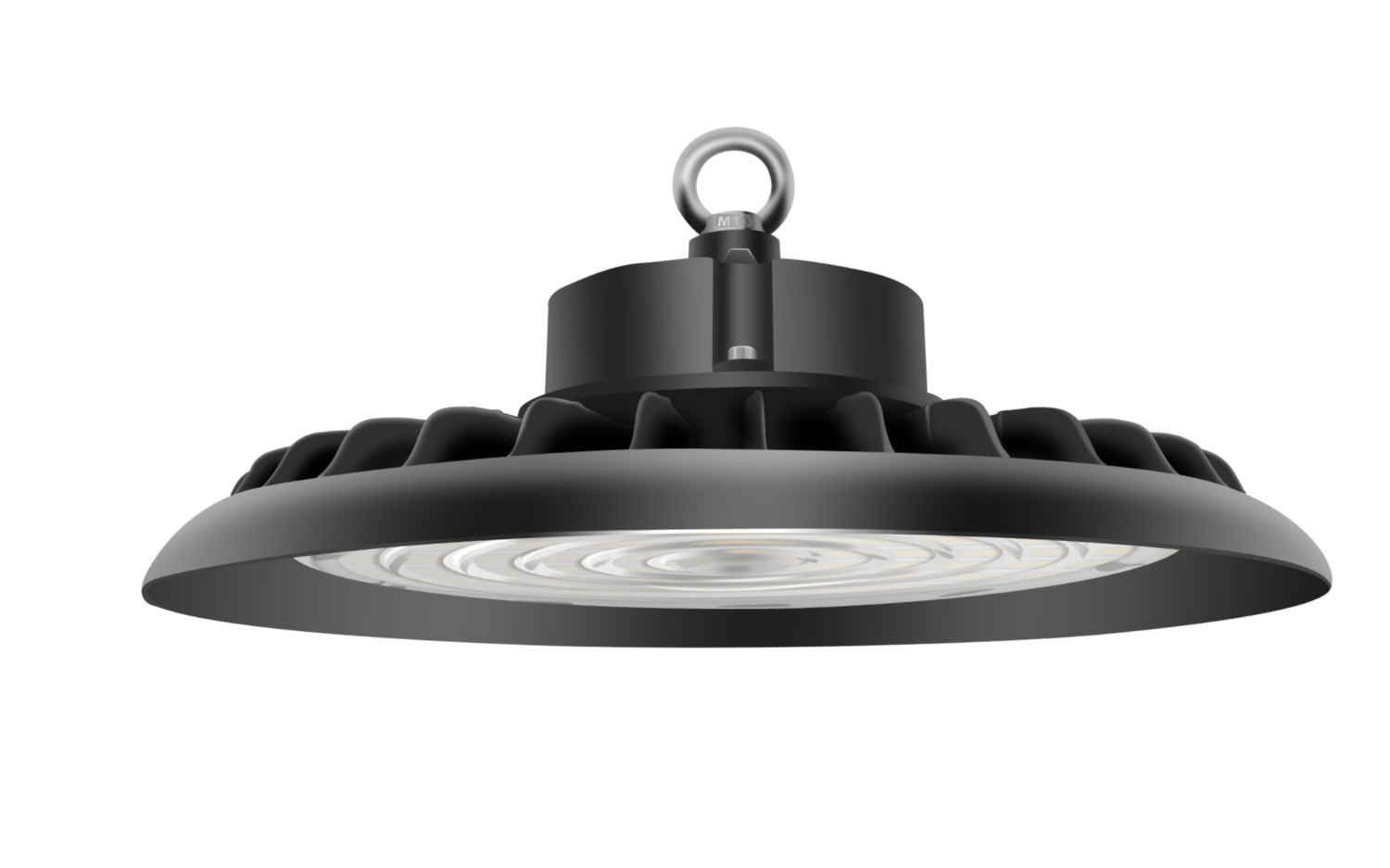
In a Johor-based data center, CAE Lighting’s thermal-rated battens outperformed cheaper alternatives. During a quarterly inspection:
- Inspectors noticed discoloration and melting on competitor models
- CAE’s Quattro fixtures showed no signs of stress under 42°C ambient load
- Decision was made to phase out 180 older units and replace them proactively

Frequently Asked Questions
Q: How often should emergency lighting be inspected?
A: Monthly functional tests and annual full-duration tests as per NFPA 101 and UL 924.
Q: Can a central UPS system be used as emergency lighting backup?
A: Only if it meets separation, switching, and runtime requirements defined by code.
Q: What’s the minimum recommended light level in a server room aisle?
A: At least 500 lux, measured 0.8 meters above floor level.
Q: Can motion sensors be deployed in high-security IT environments?
A: Yes, provided they’re integrated into a secured BMS with appropriate audit controls.
Q: Do smart lighting systems reduce inspection time?
A: Absolutely. Auto-test functions and central monitoring simplify recurring tasks and improve compliance readiness.
Q: Should inspection logs be paper-based or digital?
A: Digital logs are preferred for timestamp accuracy and easier audits, but some jurisdictions still accept signed hard copies.