Data Center Lighting Systems: High-Efficiency LED Solutions for Colocation, Cloud, and Disaster Recovery Providers
Key Takeaways
| Feature or Topic | Summary |
|---|---|
| Integration Benefits | Energy savings, streamlined operations, enhanced monitoring, and predictive maintenance. |
| Key Protocols | BACnet, Modbus, SNMP ensure interoperability. |
| Implementation Strategies | Assess existing infrastructure, select compatible systems, phased deployment recommended. |
| Operational Advantages | Reduced downtime, improved safety, occupant comfort, and significant sustainability contributions. |
Why Data Center Lighting Matters
In the evolving ecosystem of digital infrastructure, data center lighting plays a pivotal role in ensuring operational efficiency, energy conservation, and maintenance safety. As data center providers and colocation providers scale their operations globally—like those featured on Datacenters.com—lighting becomes a critical factor that influences cost, uptime, and user experience.
From disaster recovery zones to cloud corridors, lighting is no longer a utility—it is a strategic infrastructure asset.
The Role of Leading Data Center Providers
Major data center companies such as Equinix, QTS, and Digital Realty maintain hundreds of facilities across the globe. With vast server halls, networking zones, and backup equipment, these top data center providers demand lighting systems that deliver uniformity, longevity, and adaptability.
Their strategic partnership agreements—often part of broader provider programs—include solutions that cater to strict environmental controls, energy codes, and remote facility management. These partnerships prioritize efficient data center lighting that aligns with their reliability goals and sustainability mandates.
Key Lighting Requirements in Modern Data Centers
Lighting inside data centers is governed by strict performance criteria to ensure uninterrupted operations. Critical zones such as server aisles, control rooms, colocation cabinets, and backup generator bays require:
- High luminous efficacy (lm/W)
- Low heat output to protect HVAC performance
- Smart control systems (motion sensors, time-based dimming)
- Emergency readiness (with backup circuits or battery-powered units)
- Low-maintenance and long-lifespan LEDs to minimize service interruptions
Providers offering colocation hosting or cloud service solutions must consider how lighting integrates with their rack configurations and infrastructure layout.
Top LED Products Recommended for Data Centers
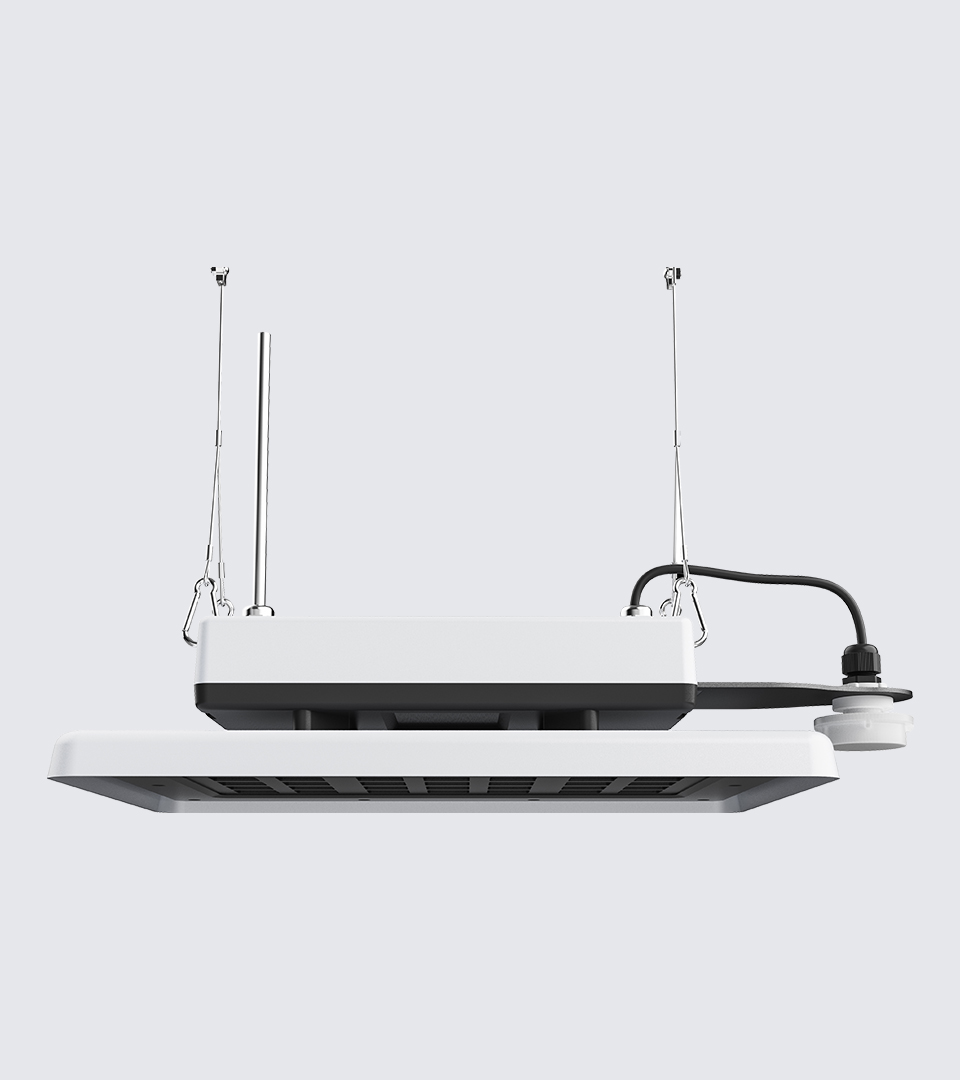
Ideal for raised floor environments and high-density server halls, Squarebeam Elite ensures even illumination and low glare for tech personnel working in critical zones.
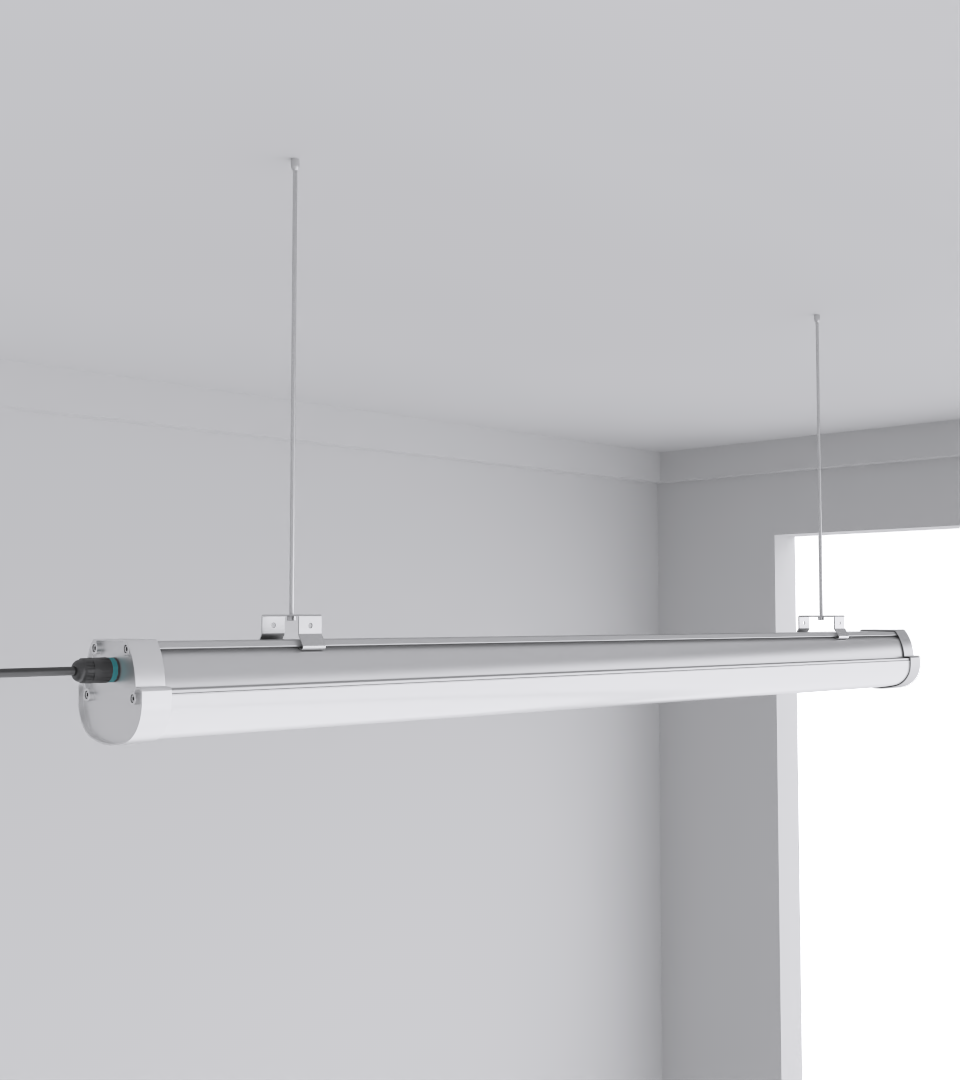
Suitable for disaster recovery zones and storage corridors, this batten offers IP65 waterproofing and impact resistance—perfect for disaster recovery providers and contingency zones.
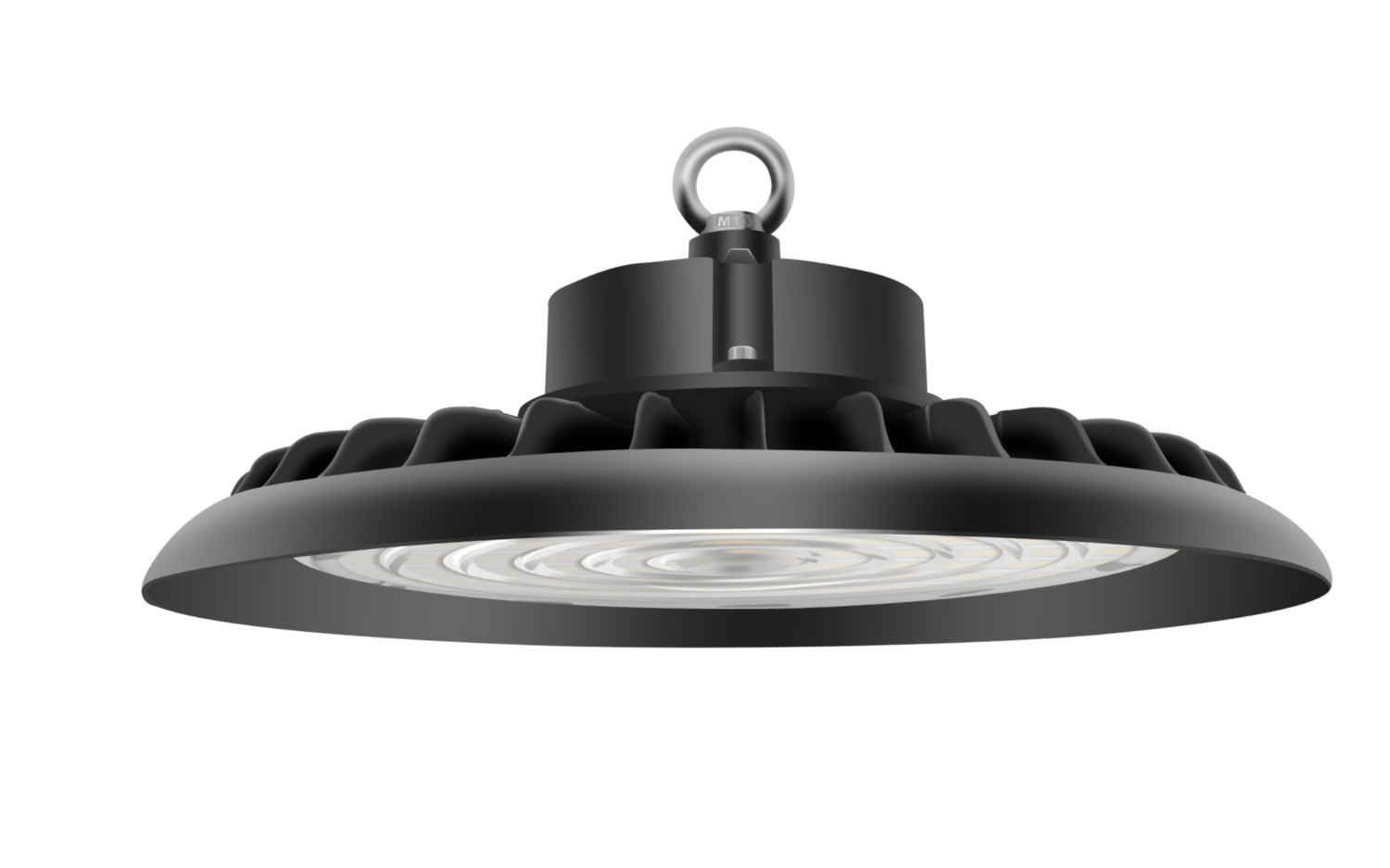
This is the go-to solution for large server halls with high ceilings and power redundancy needs. It supports cloud computing zones where visibility and cooling coexist.
SeamLine Batten

Compact and modular, SeamLine Batten is designed for colocation cabinets and facility backrooms where modular maintenance is a requirement in colocation solutions.
Simplitz Batten V3 from Osram

A legacy standard in some data center locations, this Osram batten offers stable output and ease of replacement in legacy deployments maintained by IT infrastructure teams.
Lighting Alignment with Colocation and Cloud Strategies
As more enterprises adopt colocation hosting and cloud solutions, lighting design must adapt to shared spaces and dynamic operational zones. Smart controls embedded within LED systems allow facilities to automate lighting based on usage, enabling energy cost optimization—a crucial metric in data center pricing.
In hybrid environments, where colocation providers and cloud service providers co-exist, lighting zoning helps ensure visual clarity during maintenance while minimizing idle power loads.
Strategic Partnerships Enhancing Lighting Efficiency
As featured in the 2025 Datacenters.com list, top data center providers rely heavily on partnership agreements that integrate reliable lighting and energy systems. These alliances ensure facilities benefit from:
- Faster lighting maintenance response
- Better procurement through preferred provider programs
- Direct integration of lighting specs in RFP submissions
- Reduced downtime during lighting upgrades or retrofits
These collaborative efforts lead to more consistent infrastructure planning across major data center companies, improving PUE (Power Usage Effectiveness) and long-term ROI.
Conclusion
Modern data center lighting is far more than an afterthought—it is a foundational component of digital infrastructure. With data centers expanding globally and embracing hybrid strategies involving cloud providers, colocation services, and disaster recovery providers, lighting must evolve in tandem.
Leveraging expert-designed lighting like the Squarebeam Elite and Quattro Triproof Batten ensures that facility managers meet both performance and compliance expectations. In partnership with leading providers and lighting innovators, data centers can confidently address tomorrow’s operational and sustainability demands.
FAQs
What lighting certifications should data center providers prioritize?
Facilities should ensure their lighting complies with IEC, ASHRAE 90.1, NFPA, and ENEC standards for safety and efficiency.
How can lighting affect disaster recovery in colocation facilities?
Reliable, low-maintenance lighting ensures visibility during emergency power transitions and aids in swift hardware intervention, vital for business continuity.
Do provider programs include lighting consultation?
Yes. Many provider programs include infrastructure consulting, where lighting solutions are evaluated as part of the broader facility design.
What is the average ROI for LED lighting retrofits in data centers?
Depending on facility size and operational hours, ROI can be achieved in 18–36 months with smart controls and high-efficiency fixtures.