
Data Center Network Cabling: Standards, Architectures, and Best Practices (2025 Guide)
–
Key Takeaways
| Feature or Topic | Summary |
|---|---|
| What is cabling? | The structured system of fiber and copper cables connecting servers, switches, and storage. |
| Architectures | Top-of-Rack, End-of-Row, Middle-of-Row, Centralized — chosen by density and scalability. |
| Key Standards | TIA-942, ISO/IEC 11801, EN 50173-5, ANSI/TIA, BICSI 002. |
| Future-Proofing | Plan for 100G–400G+, MPO/MTP connectors, wideband multimode (OM5). |
1. Introduction: Why Cabling Defines the Data Center
Cabling is the skeleton of every data center. Servers and switches may get the attention, but without reliable network cabling, uptime collapses. Structured cabling systems handle both fiber and copper, and they determine bandwidth, latency, cooling efficiency, and even energy cost.
2. Understanding Cable Media: Fiber vs Copper
Two families dominate: fiber and copper. Fiber carries light, offering massive bandwidth and long distances. Copper carries electrical signals, cost-effective at shorter runs.
- Fiber options: Single-mode (SMF), Multimode (OM3/OM4/OM5).
- Copper options: Cat6/Cat6a, Cat7/Cat8.

3. Standards & Compliance
Global data centers align with standards that guarantee interoperability and safety:
- TIA-942: structured cabling in data centers.
- ISO/IEC 11801: generic cabling framework.
- BICSI 002: design and implementation practices.
- EN 50173-5: European standards for cabling.
4. Cabling Architectures: ToR, EoR, MoR, Centralized
Choice of cabling layout impacts installation, cooling, and cost.
- ToR: Short copper runs, easy moves/adds, more switches.
- EoR: Centralized switches, efficient but more fiber.
- MoR: Hybrid of ToR and EoR.
- Centralized: Fewer switches, longer trunks.
5. Cable Management & Airflow
Cable management isn’t just aesthetics — it’s airflow. Messy bundles block cold air, raising inlet temps.
- Use Velcro, not zip ties.
- Maintain bend radius.
- Separate power and data runs.
- Label both ends consistently.

6. Testing & Validation
Validation ensures cables perform as expected. Tools include OTDR for fiber loss, Fluke testers for copper certification, and endface microscopes for connector inspection.
7. Future-Proofing & Scalability
Speeds climb relentlessly — 400G and 800G are not far-fetched. To keep up:
- Install MPO/MTP connectors for parallel optics.
- Use OM5 multimode for wideband operation.
- Leave spare ducts, trays, and fibers.
- Adopt modular patch panels.
8. Common Mistakes & Lessons Learned
- Overstuffing trays → poor cooling.
- Ignoring bend radius → failures.
- No documentation → troubleshooting delays.
- Mixing fiber types → unexpected losses.
FAQs: Data Center Network Cabling
Q1. What’s the maximum distance for Cat6a?
Up to 100 m for 10G Ethernet.
Q2. Is OM5 worth it today?
Yes, for 100G/400G wideband multimode use.
Q3. How often should cables be tested?
At install, after every MAC, and during audits.
Q4. Which architecture suits hyperscale data centers?
Typically ToR or spine-leaf with fiber trunks.
Q5. Can lighting improve cable management?
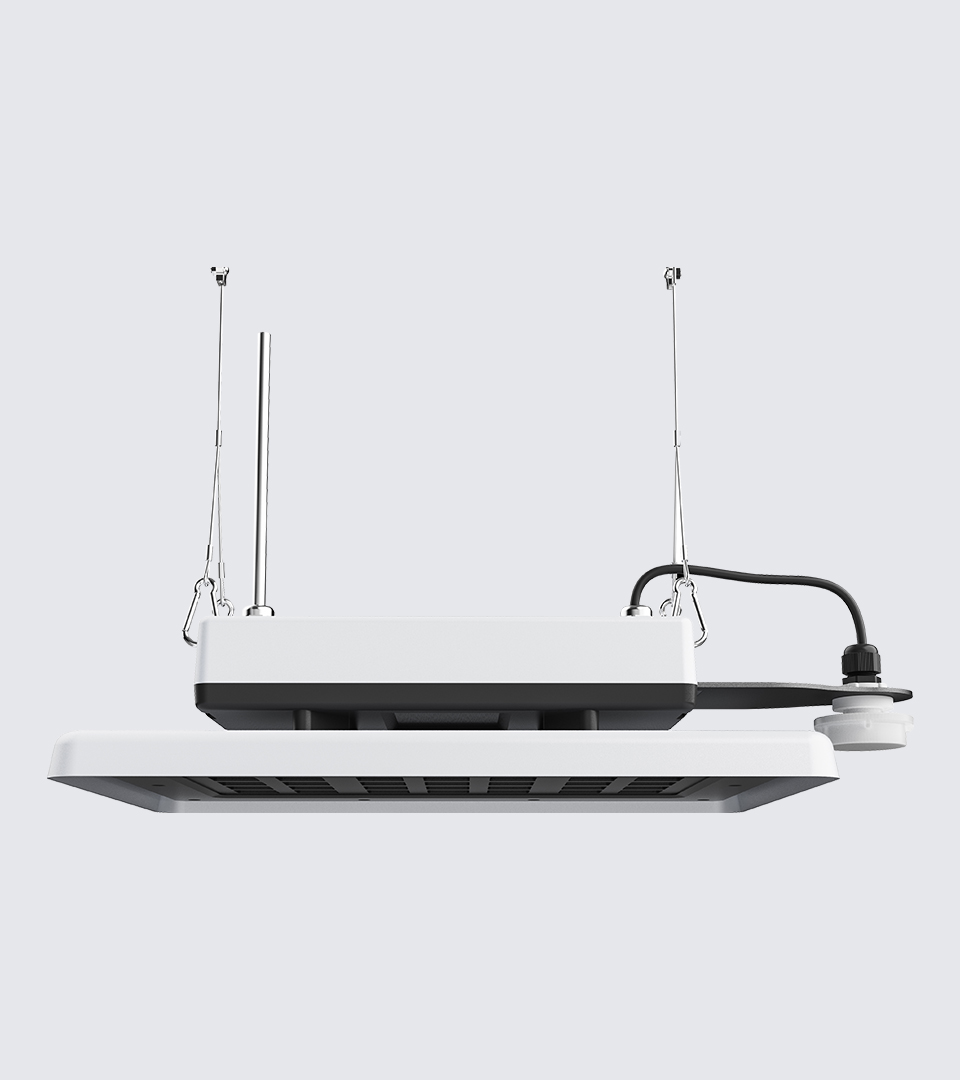
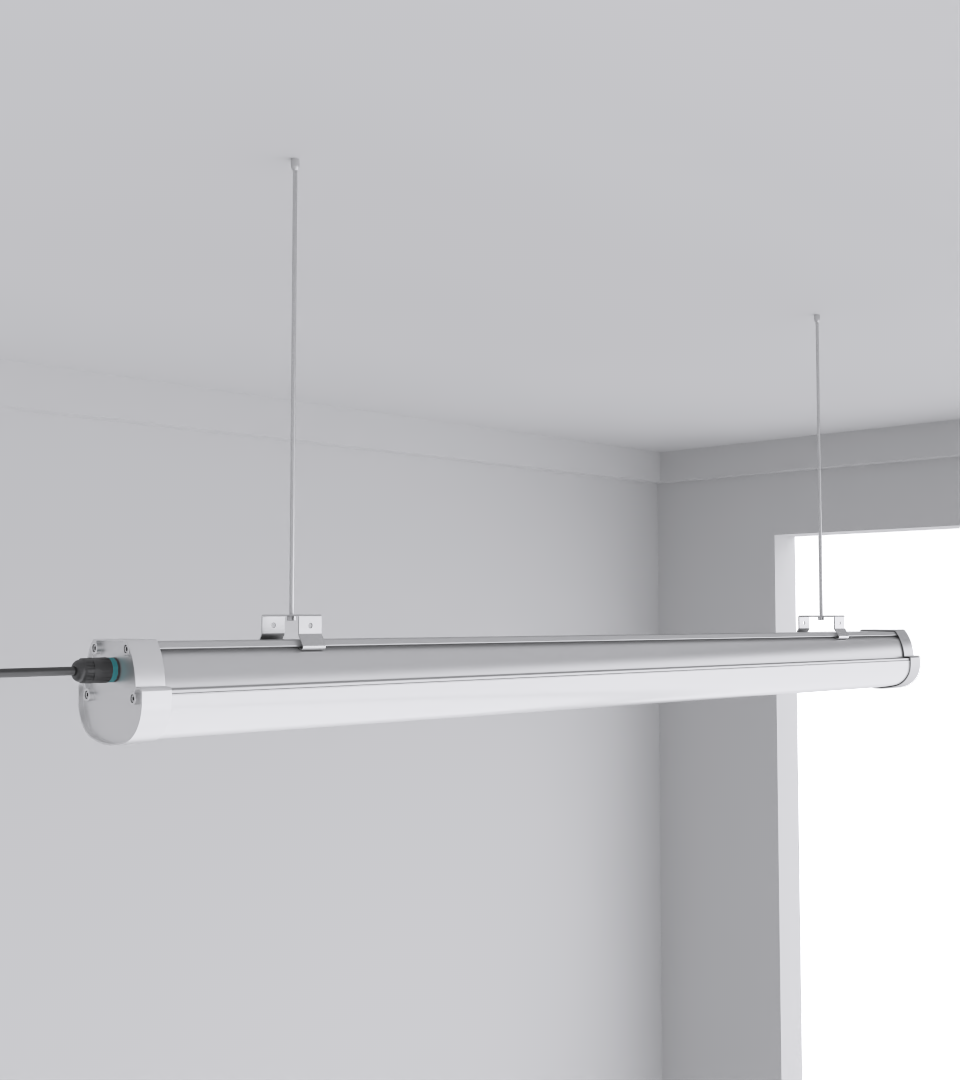
Yes — fixtures like Squarebeam Elite and Quattro Triproof Batten ensure visibility in trays and racks.