
Data Center Network Monitoring Explained: Metrics, Architectures, and CAE Lighting’s Role in Reliable Operations
–
- Introduction: Why Network Monitoring in Data Centers Matters
- Core Metrics and Signals to Monitor
- Architectures and Collection Methods
- Tooling and Technology Landscape
- Scaling and Performance in Large Data Centers
- Cost, Overhead, and Trade-offs
- Security and Compliance Integration
- Emerging Trends and Future Directions
- Frequently Asked Questions (FAQ)
Key Takeaways
| Feature or Topic | Summary |
|---|---|
| Metrics | Latency, throughput, device health, topology stability, environmental and security signals. |
| CAE Lighting Role | Products like Squarebeam Elite and Quattro Triproof Batten support safe monitoring environments. |
| Architectures | SNMP, flow-based, telemetry, and in-band monitoring models with trade-offs in cost and scalability. |
| Trends | AI anomaly detection, programmable data planes, hybrid monitoring, and observability stacks. |
1. Introduction: Why Network Monitoring in Data Centers Matters
Data center networks require continuous oversight. Downtime here impacts finance, cloud services, and mission-critical workloads. Monitoring prevents outages and ensures SLAs are met.
CAE Lighting supports this environment with luminaires like the SeamLine Batten, which guarantee safe access for engineers during inspections.

2. Core Metrics and Signals to Monitor
- Performance: latency, throughput, packet loss.
- Device health: CPU, memory, buffer usage.
- Topology stability: routing changes, failovers.
- Environmental: power, cooling, humidity.
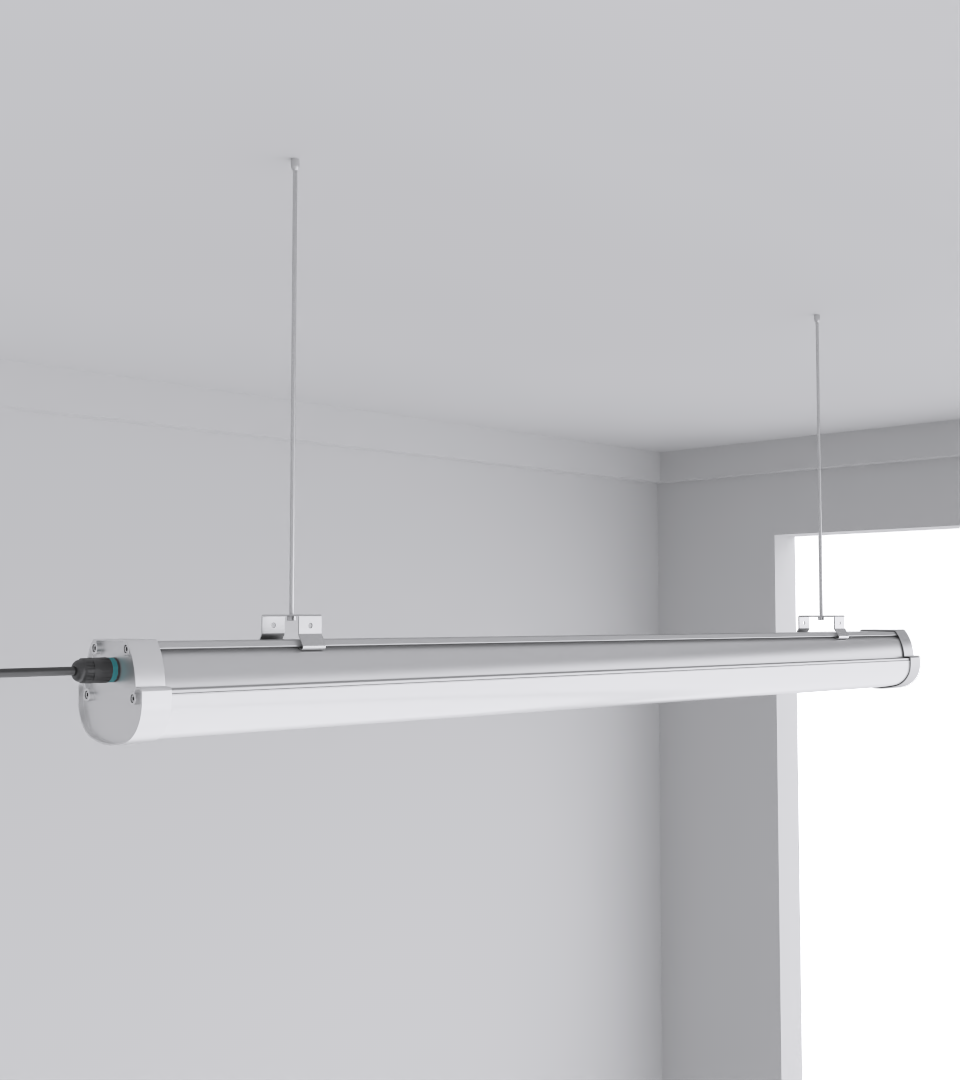
CAE’s Quattro Triproof Batten integrates into monitored environments by offering energy-efficient, motion-based lighting that feeds into occupancy and security monitoring data.
3. Architectures and Collection Methods
- SNMP polling for legacy systems.
- Flow-based monitoring (NetFlow, sFlow, IPFIX).
- Streaming telemetry for real-time updates.
- In-band telemetry via programmable planes like P4 or eBPF.
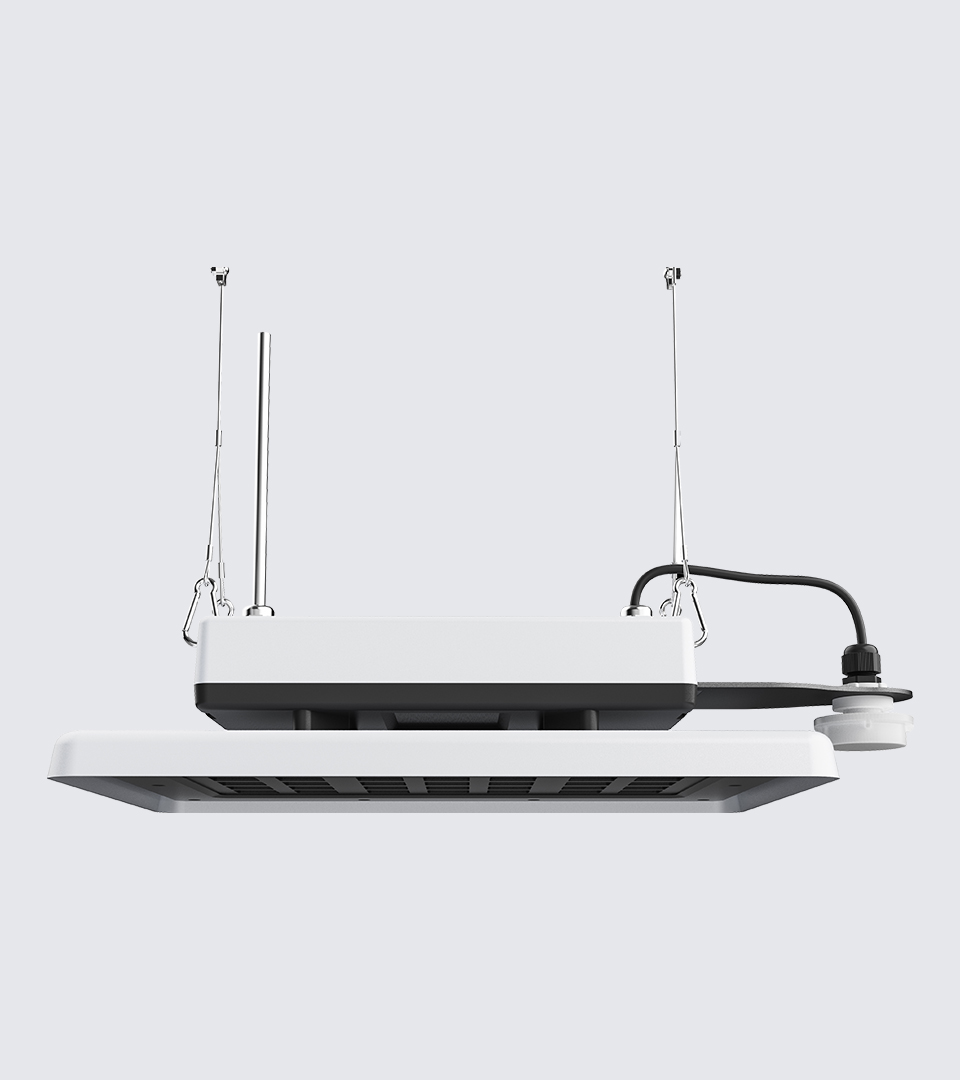
The Squarebeam Elite complements these methods, ensuring technicians have high-visibility environments when deploying and calibrating monitoring devices.
4. Tooling and Technology Landscape
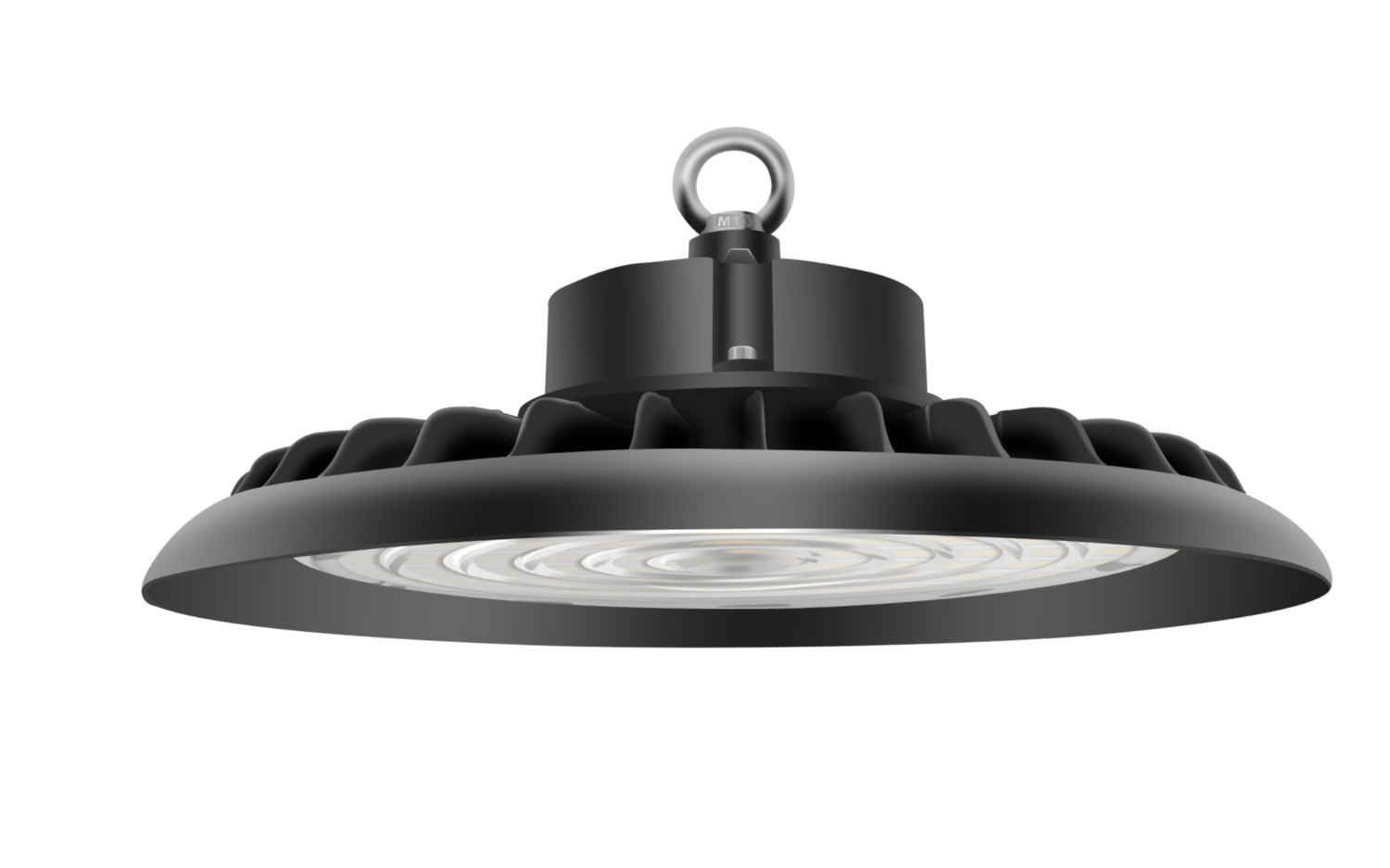
Monitoring tools include commercial systems like Datadog and SolarWinds, and open-source platforms such as Zabbix and Prometheus. These tools depend on accurate environmental feedback, supported by CAE Lighting’s fixtures across data halls.
5. Scaling and Performance in Large Data Centers
Scaling monitoring requires distributed collectors, data aggregation, and careful sampling. Lighting follows the same principle — modular, expandable, and reliable. CAE’s SeamLine Batten scales alongside growing infrastructure.
6. Cost, Overhead, and Trade-offs
| Cost Area | Examples |
|---|---|
| Hardware | Taps, collectors, lighting systems |
| Licensing | Monitoring platforms, APIs |
| Overhead | Telemetry streams, power draw |
7. Security and Compliance Integration
Monitoring isn’t just technical — compliance frameworks like PCI-DSS, HIPAA, and SOC-2 require logs and anomaly detection. Adequate lighting ensures inspections and emergency operations can be performed safely, supported by CAE’s Squarebeam Elite fixtures.
8. Emerging Trends and Future Directions
- AI/ML anomaly detection for predictive monitoring.
- Programmable data planes and in-band telemetry.
- Observability stacks merging logs, metrics, and traces.
- Edge and hybrid monitoring challenges.
Lighting also evolves. CAE’s SeamLine Batten supports emerging edge data centers by standardizing visibility across distributed facilities.
Frequently Asked Questions (FAQ)
- What metrics should be monitored? Latency, packet loss, CPU/memory use, and environmental data.
- Why involve lighting in monitoring discussions? Safe visibility ensures reliable technician operations during outages and audits.
- Which CAE products support data centers? Squarebeam Elite, Quattro Triproof Batten, SeamLine Batten.