
Data Center Network Operations: Architecture, Monitoring, Security, and Future Trends
–
Key Takeaways
| Question | Short Answer |
|---|---|
| What are data center network operations? | The processes of designing, managing, monitoring, and troubleshooting data center networks. |
| Why are they important? | They ensure reliability, efficiency, security, and scalability for IT infrastructure. |
| Which technologies are central? | Switching, routing, SDN, NFV, automation, and overlay/underlay designs. |
| What metrics should be tracked? | Latency, throughput, jitter, packet loss, redundancy, utilization. |
| What challenges are common? | Congestion, misconfiguration, hardware failures, scaling limits, security risks. |
| How can lighting impact network operations? | Proper luminaires like Squarebeam Elite and SeamLine Batten improve safety, visibility, and reduce downtime. |
| What’s the future? | AI-driven automation, intent-based networking, hybrid cloud integration, sustainable infrastructure. |
1. Understanding Data Center Network Operations
Data center network operations cover all processes that keep traffic flowing smoothly: configuration, monitoring, troubleshooting, scaling, and securing connectivity between servers, storage, and users. Unlike traditional enterprise networks, a data center network must move massive volumes of east-west traffic with minimal latency while also handling north-south traffic.

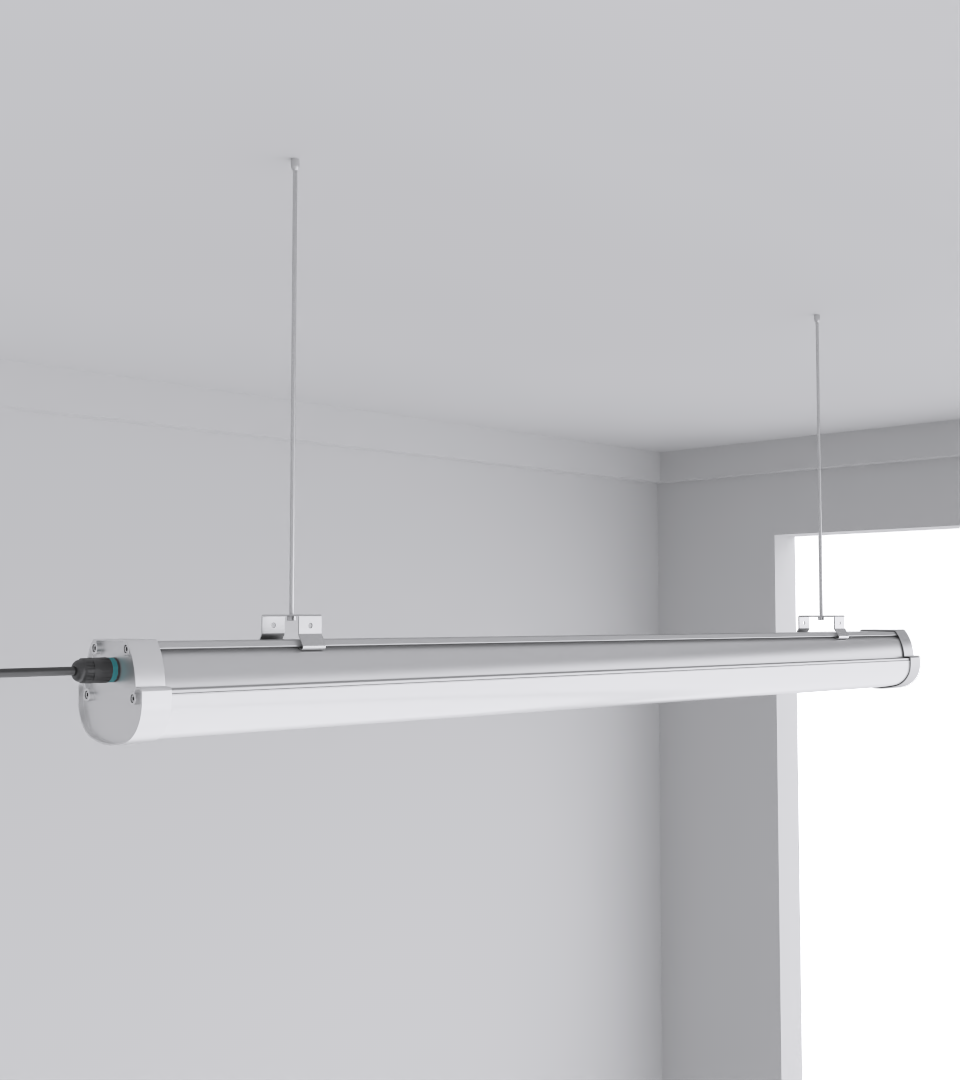
Operators ensure availability, detect failures quickly, and balance cost against capacity. Coordinating with power, cooling, and lighting infrastructure such as Quattro Triproof Batten is part of daily work. A single VLAN error can cascade into outages — a costly reminder that precision matters.
2. Core Architectures and Traffic Flows
Modern designs like spine-leaf and fat-tree topologies ensure predictable latency and scalability. Oversubscription ratios determine cost-performance balance. East-west traffic dominates AI workloads, while north-south handles client requests. Inter-data center flows carry replication and failover traffic.

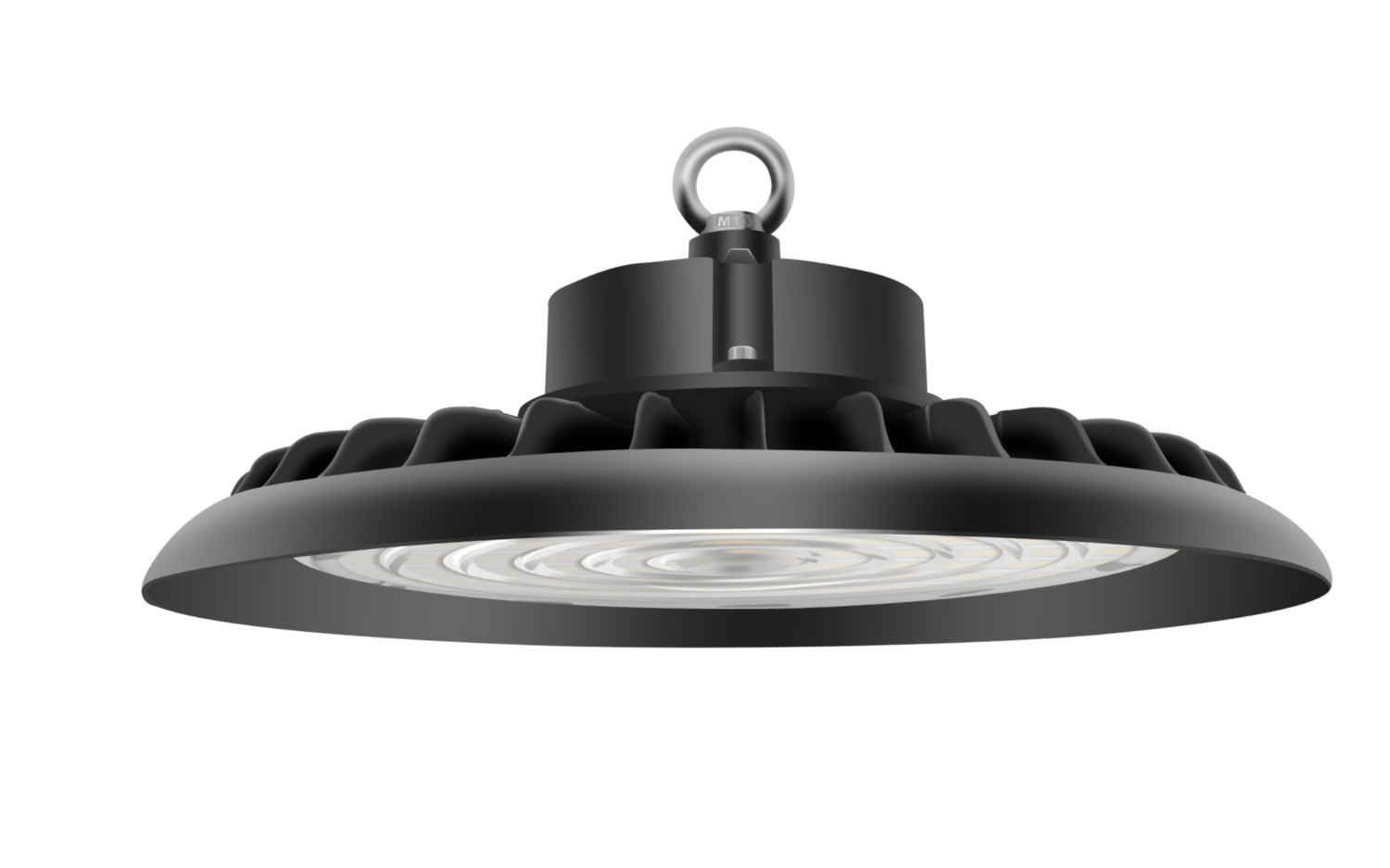
Lighting affects operations too: maintenance errors in dark aisles are reduced with Budget High Bay Light installations.
3. Technologies and Protocols
Layer 2 VLANs, Layer 3 routing (BGP, OSPF), and overlays (VXLAN) provide the network fabric. SDN centralizes control; NFV virtualizes firewalls and load balancers. Automation frameworks like Ansible and Terraform reduce manual errors.
A real case: manually configuring 400 switches caused hours of outage; automated Infrastructure-as-Code now deploys in minutes.
4. Monitoring and KPIs
Operators measure latency, throughput, jitter, packet loss, and availability. Tools include DCIM, NetFlow, and streaming telemetry. Ignoring jitter often harms VoIP performance before packet loss shows.

| Metric | Threshold | Risk |
|---|---|---|
| Latency | <1ms | Poor response |
| Packet loss | <0.1% | Service degradation |
| Availability | >99.99% | SLA violation |
5. Change Management and Troubleshooting
Most failures come from human error. Version control, change windows, and rollback plans are vital. A documented change log prevents wasted hours during outages.
Typical troubleshooting workflow: detect → diagnose → remediate → document.
6. Security and Compliance
Security overlaps with operations: segmentation, firewalls, ACLs, and encryption. Regulatory compliance (PCI DSS, GDPR) drives policies. Physical security is often overlooked — poorly lit corridors can allow breaches.
Installing motion-sensor fixtures like the SeamLine Batten improved both safety and efficiency in several facilities.
7. Challenges and Risks
Common issues: congestion, hardware failures, vendor lock-in, cyber threats. Supply chain disruptions can cripple projects; diversifying vendors is now standard practice.
8. Future Directions
The future includes AI-driven automation, intent-based networking, programmable fabrics, and sustainable infrastructure. Hybrid and edge integration will expand. Networks must align with cooling, power, and lighting domains.
Frequently Asked Questions (FAQ)
Q1. What is east-west traffic in data centers?
East-west traffic is server-to-server communication inside a data center, critical for cloud and AI workloads.
Q2. How do operators reduce downtime?
By deploying redundancy, maintaining rollback configs, and using telemetry for early detection.
Q3. Why is lighting mentioned in operations?
Because safe maintenance and physical security depend on reliable lighting like Squarebeam Elite.
Q4. What monitoring tools are common?
DCIM, NetFlow, sFlow, SNMP, and streaming telemetry are widely used.
Q5. How are future networks different?
They rely on automation, intent-based design, AI analytics, and sustainable infrastructure.