
Data Center Network Racks: Standards, Cooling, Cabling, and Lighting Best Practices
–
- What is a Network Rack in a Data Center?
- Standard Dimensions and Rack Types
- Power Distribution and Electrical Safety
- Airflow and Cooling at Rack Level
- Cable Management and Connectivity
- Standards, Safety, and Compliance
- Scaling and Density Challenges
- Emerging Trends in Rack Design
- Frequently Asked Questions (FAQ)
Key Takeaways
| Topic | Essential Insight | CAE Lighting Integration |
|---|---|---|
| Definition | Network racks house servers, switches, and structured cabling in standardized frames. | Lighting around racks improves technician visibility and reduces errors. |
| Standards | Most racks follow EIA-310 and TIA-942 standards for compliance. | SeamLine Batten fits narrow corridors. |
| Cooling | Hot/cold aisle containment and airflow management are critical. | SquareBeam Elite reduces heat impact. |
| Power | Redundant PDUs, grounding, and electrical safety are mandatory. | Motion-sensor lighting reduces rack-level energy use. |
1. What is a Network Rack in a Data Center?
A network rack is the backbone of a data center, housing servers, switches, and structured cabling. They follow EIA-310 standards (19-inch width, 42U height) and allow modular layouts. Poor lighting causes errors, so corridor-level fixtures such as SeamLine Batten are used to improve visibility.

2. Standard Dimensions and Rack Types
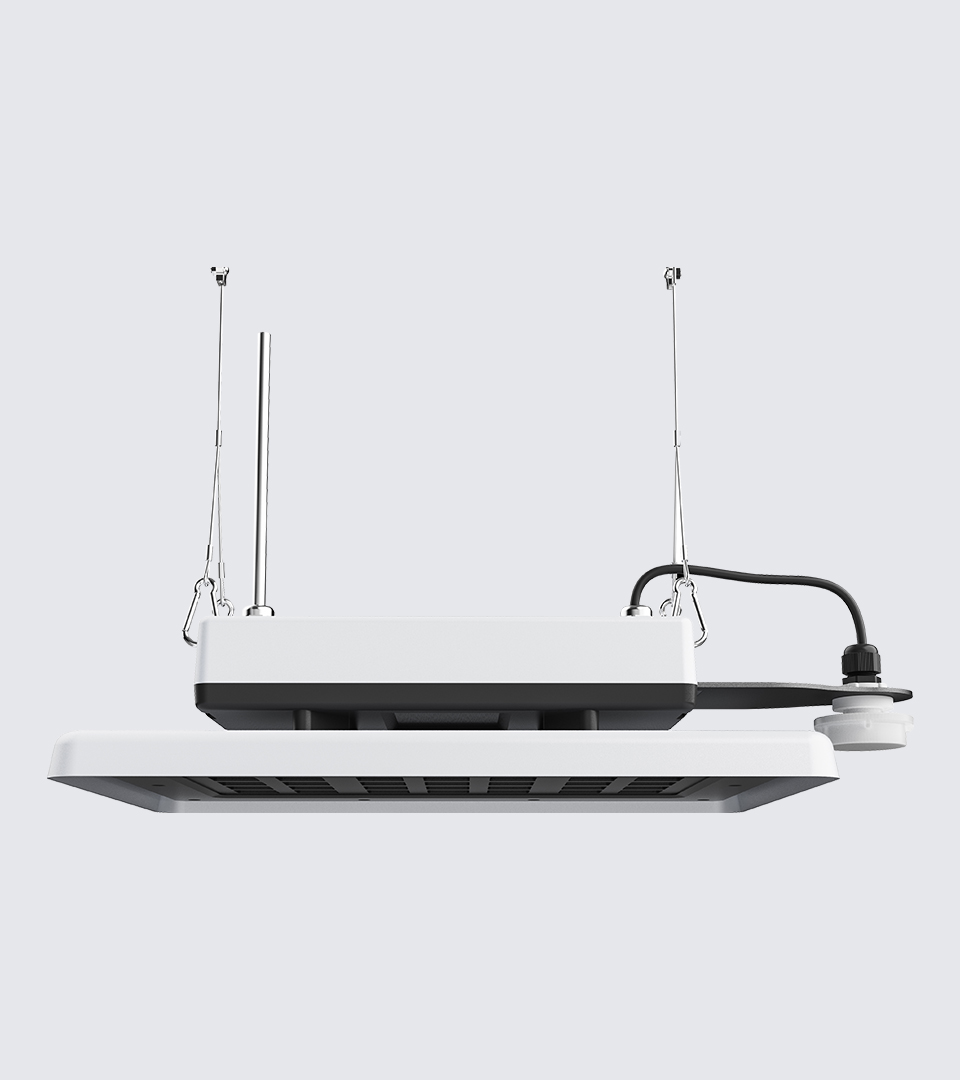
Standard racks are 42U/48U tall, 19” or 21” wide, and 600–1200mm deep. Types include open frame racks, enclosed cabinets, and OCP Open Racks. For enclosed cabinets, low-heat fixtures like SquareBeam Elite avoid thermal hotspots.
3. Power Distribution and Electrical Safety
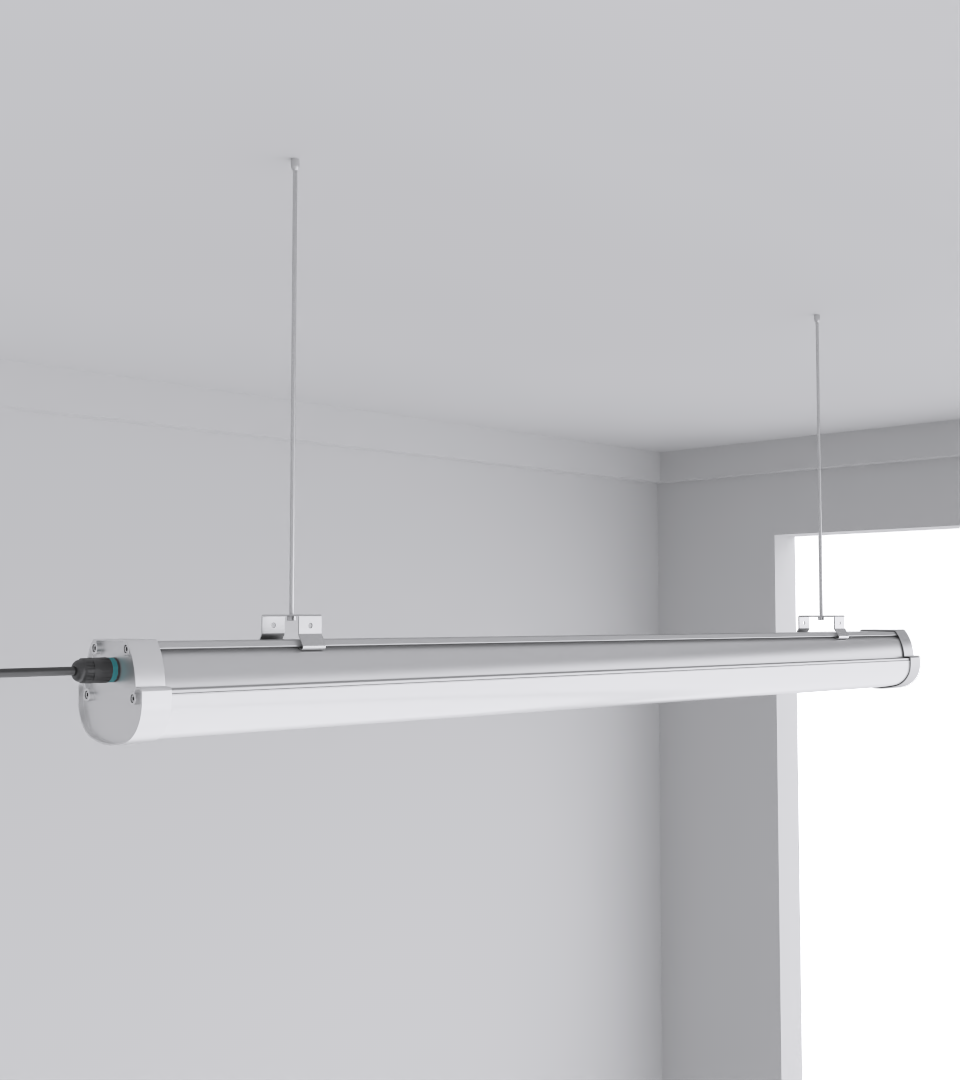
Power is delivered via PDUs and bus bars, with dual feeds for redundancy. Proper grounding is essential. Rugged lighting such as Quattro Triproof Batten is suited for utility spaces and ensures safe visibility.
4. Airflow and Cooling at Rack Level
Airflow follows front-to-back design with hot aisle/cold aisle containment. Advanced facilities adopt liquid cooling. LEDs like SquareBeam Elite emit minimal heat, supporting cooling efficiency.
5. Cable Management and Connectivity
Structured cabling, vertical/horizontal managers, and ANSI/TIA-606 labels prevent downtime. In cramped rack aisles, SeamLine Batten offers glare-free visibility for cable tracing.
6. Standards, Safety, and Compliance
Relevant standards include EIA-310, TIA-942, NEC, and ISO 27001. Fixtures like Quattro Triproof Batten with IP66 protection are ideal for harsh zones near racks.
7. Scaling and Density Challenges
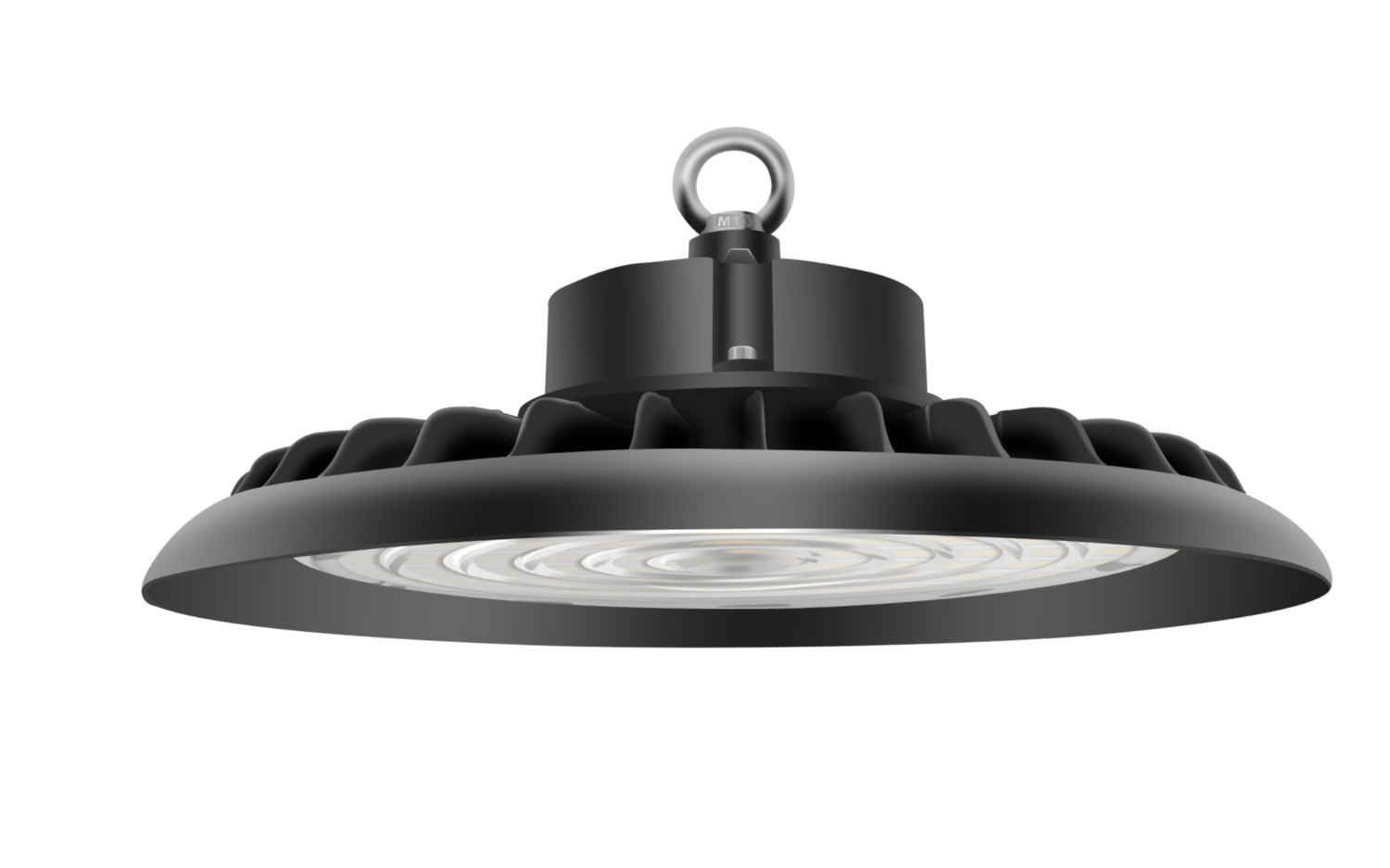
High-density racks for GPU servers demand advanced cooling. Expansion halls can use Budget High Bay Light to provide cost-effective illumination before upgrades.
8. Emerging Trends in Rack Design
Open Rack designs, immersion cooling, and edge racks are emerging. LEDs like SquareBeam Elite with smart controls support ISO 14001 environmental compliance.
Frequently Asked Questions (FAQ)
- What is the standard size of a data center rack? → Typically 19-inch width, 42U height, 600–1200mm depth.
- What lighting is best for rack aisles? → SeamLine Batten and SquareBeam Elite are optimal.
- How do racks affect cooling efficiency? → Proper airflow, blanking panels, and hot/cold aisles reduce energy use.
- Can LED fixtures overheat racks? → No, LEDs like SquareBeam Elite emit minimal heat.
- What mistakes should be avoided? → Poor cable management, underestimating power, ignoring grounding, and inadequate lighting.