Data Center Power Backup: UPS–Generator Integration, Transfer Switching, and Lighting Continuity Explained
–
- The Power Path That Actually Saves Your Workloads
- UPS Energy Storage: VRLA, Li-ion, and Flywheel—Pick for Runtime, Space, and Heat
- Generators and Fuel: Start Time, Paralleling, and HVO Use
- Transfer Behavior, Redundancy, and the “Don’t Be Clever” Rule
- Compliance and Testing Without the Hand-Waving
- Lighting Continuity: Egress, Task, Sensors, and the Stuff That Trips People Up
- Design Templates, One-Lines, and Procurement Without Surprises
- Frequently Asked Questions: Field Notes Style

Key Takeaways
| Question | Short Answer | Action |
|---|---|---|
| What keeps IT online during a utility outage? | UPS ride-through for seconds–minutes; generators cover hours or days. | Choose UPS chemistry + generator start Type 10; verify transfer behavior. |
| Where does lighting fit in backup design? | Egress and task lighting need clean ride-through and emergency circuits. | Specify low-flicker drivers, test on ATS/STS events, include battery packs where needed. |
| What redundancy is typical? | N+1 or 2N for UPS and generators; dual power paths for critical rooms. | Pick topology from Tier/availability goals and space/power limits. |
| Which battery tech? | VRLA is familiar; Li-ion gives longer life/footprint gains; flywheel fits seconds-only use. | Map runtime to generator reliability and loading; consider BESS for grid interaction. |
| How to start quickly? | Type 10 start (≤10 s) with robust ATS sequencing; avoid nuisance trips. | Exercise generators, polish fuel, and load-bank test on a set cadence. |
1) The Power Path That Actually Saves Your Workloads
Data center power backup lives in a straight-line chain that looks deceptively simple: utility → service entrance → UPS and distribution → transfer (ATS/STS) → generators and fuel. The reality has more edges: selective coordination, fault currents, ride-through margins, and how fast the generator can stabilize. If any link wobbles, servers see it. I’ve watched a row of racks sail through an outage because the UPS had real headroom, while a neighboring row flickered thanks to a cranky static bypass setting. That contrast sticks with you.
Lighting belongs in that chain. Egress paths must remain visible during switching and ramp-up, not just “on eventually.” Low-flicker LED drivers with adequate hold-up time reduce strobing during STS transfers. In cold rooms, emergency packs don’t like being forgotten; cycles matter. For task areas in white space, keep a minimum lux floor during events so hands aren’t guessing at the wrong breaker.
It helps to map a one-line that highlights the lighting branches and emergency circuits alongside UPS blocks and ATS positions. Keep it boring on paper, so it’s boring at 3 a.m. during a real transfer. Pair this planning with a proven luminaire for the aisles—our pick in hot aisles is the Squarebeam Elite linear luminaire with stable photometrics near cable trays. 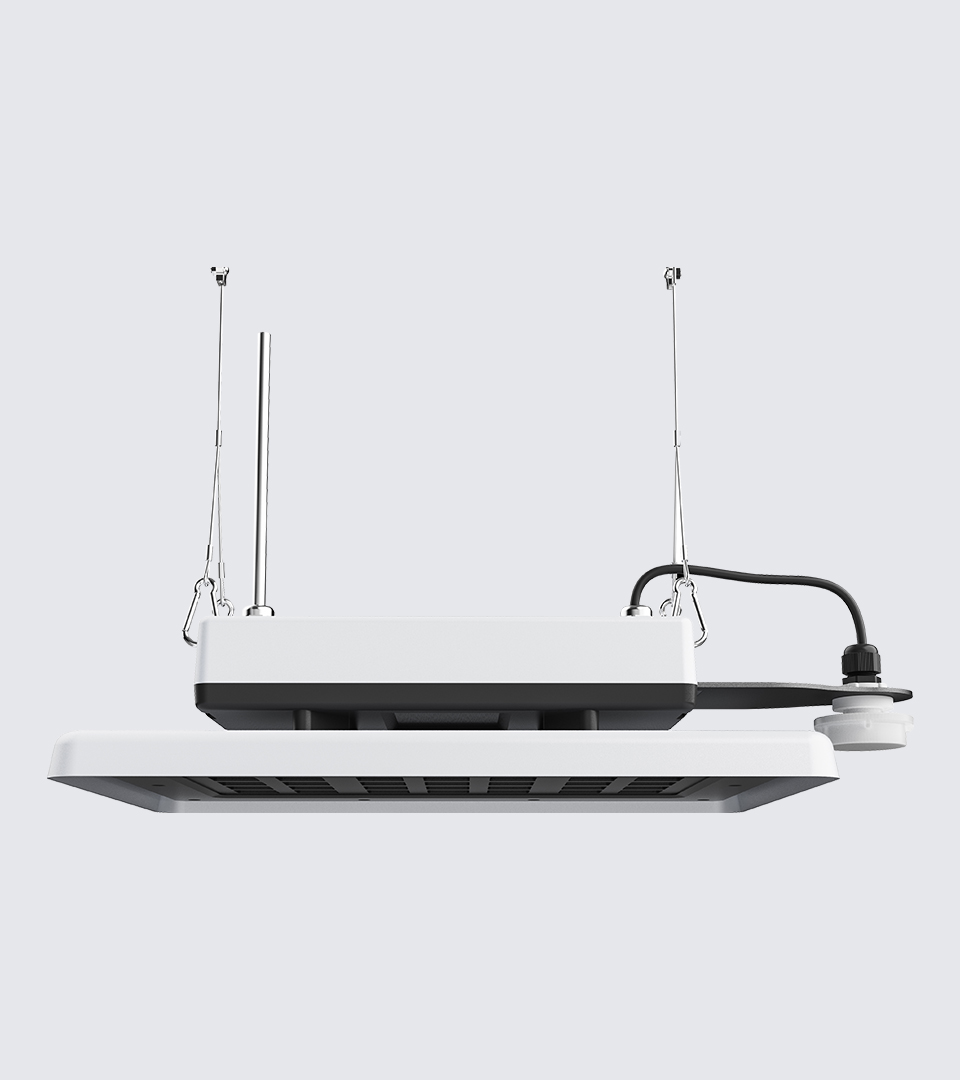
For a primer on lighting in critical rooms, see data center lighting best practices and the broader solutions guide for electrical contractors. Those two cover uniformity, glare, and service access without turning the page into a brochure.
2) UPS Energy Storage: VRLA, Li-ion, and Flywheel—Pick for Runtime, Space, and Heat
UPS chemistry is less about fashion and more about fit. VRLA is familiar, predictable, and heavy. Li-ion stretches life and reduces footprint, good for rooms where every panel is already arguing for wall space. Flywheel handles seconds-scale ride-through with minimum maintenance; if your generators are bulletproof and transfers are quick, seconds can be enough. Choose runtime for the reliability you truly have, not the reliability you wish you had.
On AI/HPC halls, inrush and short ride-through windows compress decisions. I’ve seen an over-optimistic runtime assumption blow the change window when the generator took a few extra seconds to meet voltage and frequency. We solved it by shifting to Li-ion cabinets and tightening governor response; the “paper runtime” finally matched reality. Cross-check UPS eco-modes with transfer behavior; the wrong mode can get cute at the worst time.
Quick compare:
| Storage | Typical Runtime | Cycle Life / Maintenance | Where It Fits |
|---|---|---|---|
| VRLA | 5–10 min typical | 3–5 yrs refresh; thermal sensitive | Legacy rooms; lower capex; space not tight |
| Li-ion | 5–15+ min in smaller footprint | 8–10 yrs; better temp tolerance | Dense builds; tight rooms; longer life |
| Flywheel | 10–20 s typical | Low maintenance; no battery refresh | Fast, reliable gensets; short transfers |
Lighting planners should know this matrix too. If UPS runtime is thin and transfers push the envelope, hardwire emergency packs in critical aisles and use proven fixtures such as the Quattro Triproof Batten for mechanical rooms and corridors where IP rating matters. 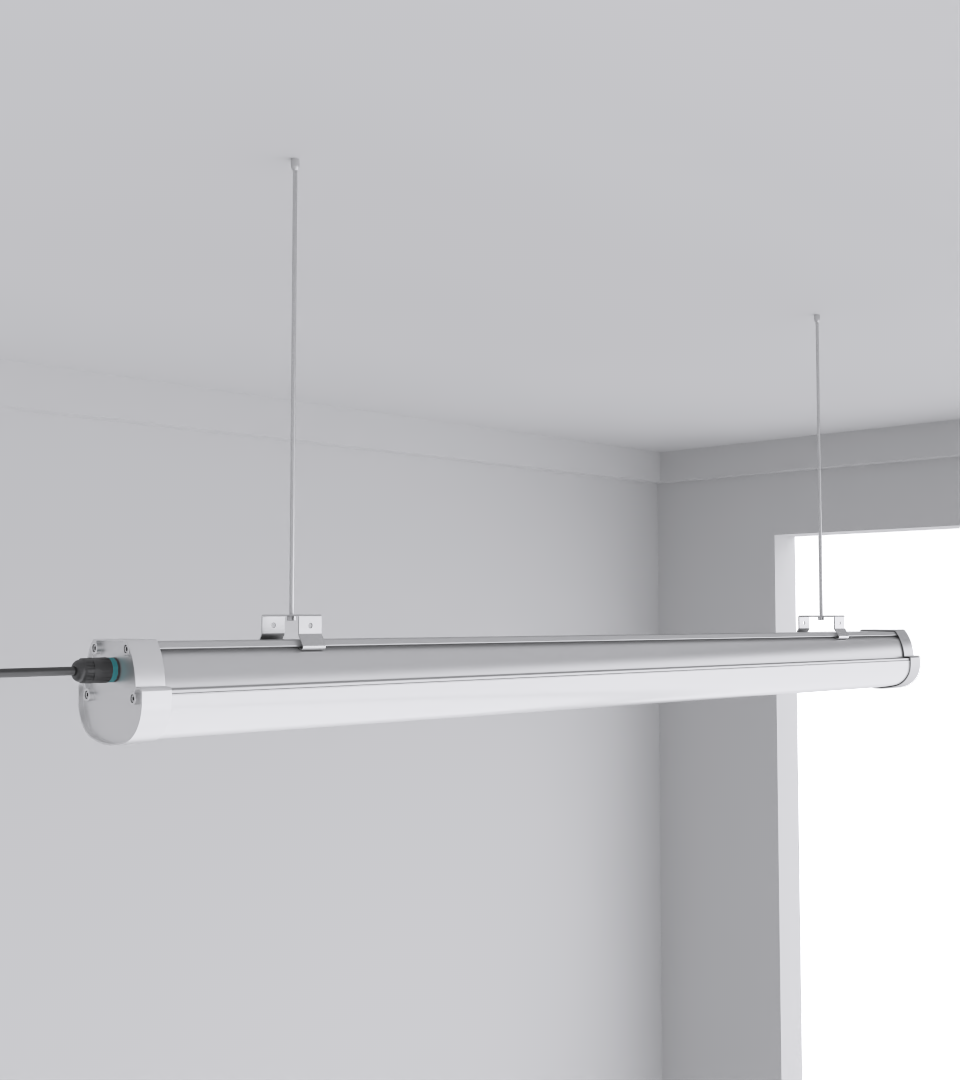
3) Generators and Fuel: Start Time, Paralleling, and HVO Use
Short answer: specify generators that meet Type 10 start, size for step loads, and plan for paralleling even if you’re starting with one set. The more predictable your start and stabilization, the less runtime you must buy on the UPS side. Get the governor behavior, excitation, and transient response in writing. During one commissioning, we saw a casual 12-second start that stretched to 17 seconds under a cold snap; that ate the VRLA margin and got people sweating. A tighter start sequence and a small change in pre-heat controls fixed it.
Fuel is not “fill and forget.” Diesel sits, oxidizes, gets hit by water, and grows stuff that clogs filters exactly when you don’t want it. Regular testing plus fuel polishing saves you from surprise shut-downs. For sites pushing Scope 1 reductions, HVO (renewable diesel) is a practical drop-in path many operators are using now. It behaves better in storage than FAME blends and avoids some cold-flow drama. Confirm approvals with the engine OEM and record it in the ops manual so service teams don’t accidentally mix fuels.
Lighting has a seat here, too. Where you need higher ambient light during start and ramp, avoid fixtures with slow driver recovery after brownout events. We keep SeamLine Batten units in stair towers and side corridors for consistent output and quick recovery after voltage dips. 
4) Transfer Behavior, Redundancy, and the “Don’t Be Clever” Rule
Transfer switches decide the whole mood of an outage. ATS units handle generator–utility handoffs; STS devices switch between two live sources on the output side for sub-cycle protection. Keep the logic conservative. I’ve seen an STS with aggressive phase tracking create more chaos than it solved. On redundancy: N+1 is usually the entry ticket; 2N protects you from shared points. 2(N+1) shows up where maintenance windows are scarce and uptime targets are blunt.
Include a wrap-around bypass for UPS and STS so maintenance isn’t a roulette spin. Keep alarm points in the EPMS that operators actually watch; decorative alarms breed blindness. Make coordination studies a habit, not a checkbox. The first time a downstream breaker trips ahead of an upstream protective device, you understand why the study matters.
Lighting on dual feeds sounds fancy until someone forgets the maintenance bypass path. Use a short checklist to keep it real:
- Confirm egress branches see both sources or have local battery packs.
- Test STS transfers under normal load and chilled conditions.
- Record flicker index during a real ATS event; repeat after driver updates.
For dense aisles with low glare goals, Squarebeam Elite for hot/cold aisle lighting helps keep UGR in check while panels and ladders move around. If you’re lighting high bays over logistics or battery rooms, a sturdy option like the Budget High Bay LED is a straight-talking workhorse. 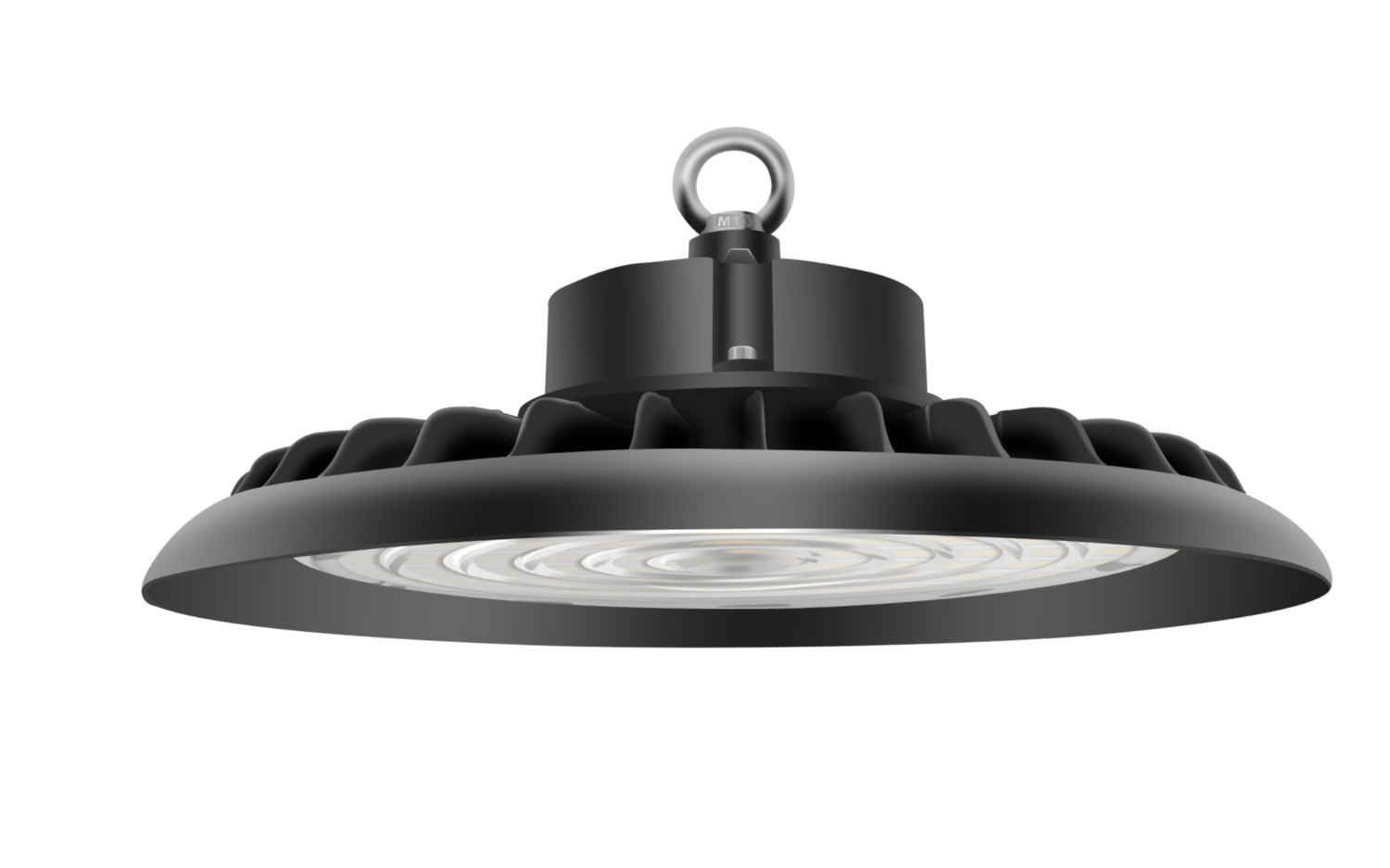
5) Compliance and Testing Without the Hand-Waving
Three anchors keep you out of arguments with Authorities Having Jurisdiction: generator performance under NFPA 110 (Type 10 start and runtime class), transfer equipment ratings under UL 1008, and electrical efficiency thresholds under ASHRAE 90.4. They’re not paperwork for a binder; they’re design targets that change equipment lists and room layouts. Build a test plan that is specific: which ATS will transfer under load, how long the UPS will carry during ramp, and what alarms must be acknowledged before closing the event.
For lighting, track two things: egress compliance and power-quality behavior during transitions. If you can’t measure flicker, you can’t improve it. We once replaced 600 luminaires after discovering the drivers produced visible ripple under STS events—nobody enjoyed that week. The replacements were verified under a staged STS transfer and an ATS transfer with the generator at cold start. The difference was calm.
Helpful internal references: emergency lighting in data centers (2025) and the broader data center lighting insights archive. Keep specifications and photos together in your CMMS so field teams aren’t guessing which driver is actually in the ceiling. For an example of LED batten data formatting that techs like to see quickly, the Osram Simplitz V3 datasheet layout is a useful mental model. 
6) Lighting Continuity: Egress, Task, Sensors, and the Stuff That Trips People Up
Lighting continuity is an operations problem first and a spec problem second. Start with routes: white space aisles, MMRs, electrical rooms, stair towers, loading bays. Decide which remain at full level during transfers and which can dim. For corridors and mechanical rooms, drivers must ride through STS events without visible flicker. For white space, target consistent vertical illuminance at face height so techs see label text without shadow wrestling.
Sensors are tricky: occupancy and microwave sensors can false-trigger during electrical events. In critical areas, keep motion detection stable through low voltage periods, or lock scenes during transfers. Where temperature, dust, or moisture are present, use triproof fixtures like the Quattro Triproof Batten. For clean aisles with structured cabling around trays, we’ve had reliable results with the Squarebeam Elite due to its beam control.
Practical checklist you can paste into a commissioning script:
- Run an STS transfer and log flicker index at three points in the cold aisle.
- Perform an ATS transfer (utility → generator) with the building under typical IT load; measure driver recovery time.
- Verify battery-backed egress packs reach required lux at floor within seconds; record readings.
- Confirm scenes and sensor states do not change during low-voltage ride-through.
If you’re new to our ecosystem, the CAE Lighting homepage and the product catalog are the quickest routes to spec sheets and mounting options.
7) Design Templates, One-Lines, and Procurement Without Surprises
Before you write an RFP, freeze the one-line. It should show UPS blocks with chemistry, redundancy (N+1, 2N, or 2(N+1)), STS/ATS placement, generator count and bus layout, and the lighting branches that must ride through all transfers. Include maintenance bypass paths in bold. When contractors see a complete picture, you get fewer “we assumed” phone calls. During one campus build, we added a simple arrow marking the preferred direction for fault current paths; the coordination study and breaker list went from a debate to a checklist.
Procurement bullets that save rework:
- State UPS efficiency at realistic partial loads, not just at full tilt.
- Ask for generator transient response with step-load plots and governor tuning method.
- Specify UL 1008 ratings for ATS, including short-circuit withstand/close-on ratings.
- Call out testing: STS transfers under load, ATS transfers to generator at cold start, and a scheduled load-bank plan.
- List lighting drivers’ ride-through expectations and emergency pack requirements by area.
For large open zones, pairing power designs with durable luminaires like the Budget High Bay LED keeps the install straightforward. For long corridors or cage perimeters, SeamLine Batten keeps lines clean and serviceable. If you want support shaping the spec, use Contact CAE Lighting—it gets a real engineer, not a bot.
8) Frequently Asked Questions: Field Notes Style
How much UPS runtime is “enough” for data center power backup?
Match runtime to the generator start you actually achieve. If your Type 10 start is consistently under 8 seconds and governors stabilize fast, a flywheel or short Li-ion window may be fine. If starts drift in winter or fuel logistics are shaky, buy minutes. For mixed estates, keep white space on the UPS and add local egress packs where visibility matters most.
VRLA or Li-ion for a retrofit?
If the battery room is tight and the refresh cycle hurts operations, Li-ion often wins on footprint and life. If capex is constrained and rooms are generous, VRLA can be acceptable. Thermal control decides a lot here. We’ve moved several aging rooms to Li-ion simply to stop tripping over battery strings.
Do I need both ATS and STS?
They solve different problems. ATS handles source switching between utility and generator. STS rides between two conditioned sources on the IT side for sub-cycle protection. Many designs use both: ATS upstream, STS at distribution to dual-cord the racks. Keep STS logic conservative and tested under load.
What about HVO (renewable diesel)?
If your generator OEM signs off, HVO is a practical way to cut emissions and avoid some storage headaches. Document approvals in the operations runbook. Don’t mix with an old FAME stock because “it was handy.” That shortcut tends to bite at the worst moment.
How do I keep lighting from flickering during transfers?
Specify drivers with adequate hold-up, measure flicker index during both STS and ATS events, and keep emergency packs maintained. Use fixtures proven in these rooms—Squarebeam Elite for aisle/task lighting, Quattro Triproof for harsher spaces, and SeamLine for corridors. See also our 2025 emergency lighting note.
What documents should be in the commissioning binder?
One-line with redundancy, coordination study, ATS/STS settings, UPS mode settings, generator transient plots, fuel policy, and a lighting transfer test report with photos. Add a phone list that actually rings a person at 02:00. It sounds basic; it’s the difference between a short night and an expensive one.
For deeper context on lighting choices that cooperate with power backup, browse the data center lighting archives or jump straight to product specs on the CAE Lighting catalog.
- Review data center lighting best practices and align with your one-line.
- Pick luminaires by zone: Squarebeam Elite aisle/task, Quattro Triproof mech/corridors, SeamLine corridor/perimeter, Budget High Bay large volumes.
- Get help tuning the spec: Contact CAE Lighting.